A female engineer works in a chemical plant using a laptop computer

How Electrification Can Shrink the Emissions in Everyday Products
Many of the chemicals that form the products we use in our homes and businesses today rely on fossil fuels. With the right research and investment, emerging electrification technologies could unlock competitive, efficient ways to make essential products.
Solar panels, fertilizers, and even your workout gear contain chemicals that are derived from fossil fuels. These chemicals pose a dual fossil fuel challenge — they are made from fossil fuels, but the high-temperature heat used in production is also powered by fossil fuels. This latter step contributes a significant percentage of the greenhouse gas emissions of these products, and rethinking the heating and chemical conversion processes can deliver substantial emissions reductions.
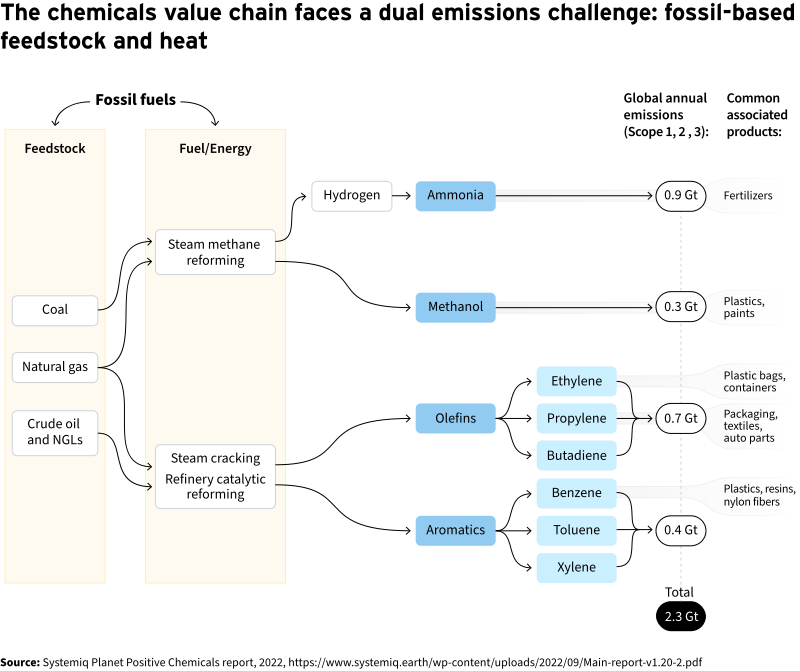
RMI’s Chemistry in Transition report indicates that the solutions to reducing half of current emissions from chemical production exist today. But addressing the remaining emissions will call for innovation, particularly for processes that continue to rely on fossil fuel-based heat and reaction systems.
Process electrification is one of the most promising innovations. By substituting electricity for combustion-based heat, or by using entirely new electrically-driven reaction pathways, we can significantly reduce emissions from chemicals production.
However, many electrification technologies remain in early stages and require further validation, optimization, and scaled demonstration before they are ready for commercial deployment.
RMI’s Applied Innovation Roadmap (AIR) for Chemicals offers a roadmap to bridge those gaps and move toward deployment. It highlights six electrification technologies with meaningful emissions reduction potential. It assesses the technologies’ current readiness, identifies key barriers to scale, and outlines priority research, development, and deployment (RD&D) and funding needs to achieve technical feasibility and economic viability.
Here’s how those processes could transform a selection of essential products, from plastics, to clothes, to fertilizer.
Plastics
Main component: Ranging from PET (drinking containers), to LDPE (garbage bags)
Chemical building blocks: Ethylene, propylene
Emissions reduction possible through electrification of process heat: 15%+
Many household appliances, car parts, and even solar panels call for plastic to keep their construction light and to provide durability. By targeting the heating processes that make these plastics’ building blocks — ethylene and propylene — we can make plastics that contain the same characteristics, but with significantly lower emissions.
Both ethylene and propylene come from a process called steam cracking, where hydrocarbons are super-heated to convert into plastic precursors. The fossil fuel heat for cracking contributes at least 33 percent of emissions from this process, so if we can remove fossil fuels as the heat source, we can dramatically cut emissions.
RMI’s AIR for chemicals outlines a range of ways to electrify or otherwise improve the current steam cracking process. One solution, resistive heating, runs off the same principle as your toaster: heating coils (using renewable energy) to induce the cracking reaction rather than burning fossil fuels. Resistive heating’s compatibility with existing steam cracking equipment also makes it attractive for retrofitting plants, while reducing emissions by around 15 percent compared to fossil-fuel-fired steam cracker furnaces.
Resistive heating for steam cracking
Clothing

Main component: Polyester
Chemical building block: Ethylene and paraxylene
Emissions reduction possible through electrification of process heat: 15 –100%, depending on process used
Head to any gym and you’ll immediately see chemically derived clothing all around you. Athletic-wear materials like spandex, nylon, and polyester are all synthetic fibers that come from chemical processes.
Take polyester, for example. Before it can be made into a t-shirt, it begins with a chemical reaction between ethylene glycol and purified terephthalic acid (PTA) at very high temperatures to eventually create a polymer that is extruded and spun to create polyester fiber.
How polyester garments are made from fossil-fuel derived inputs
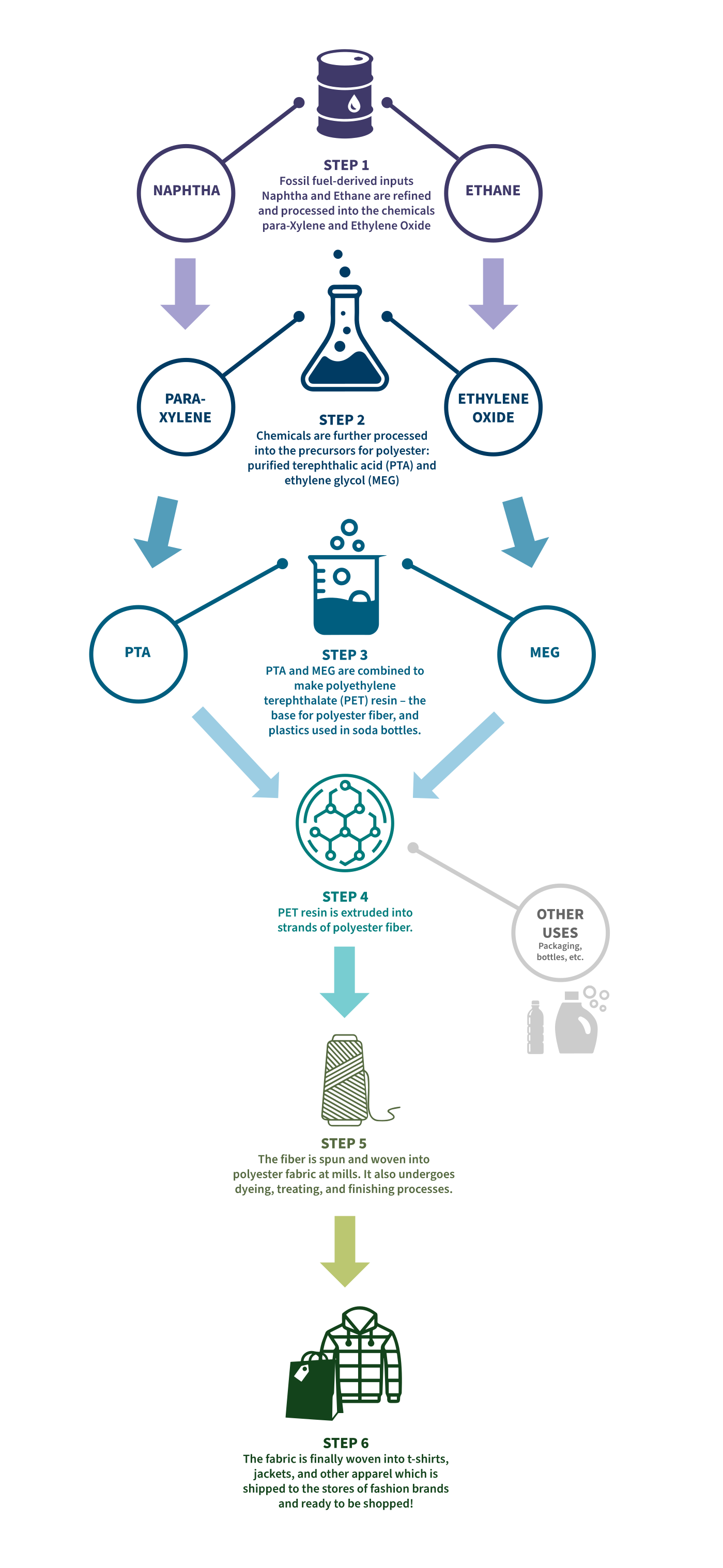
That second step, the chemical reaction (outlined above), takes an enormous amount of energy that is today achieved by burning fossil fuels, usually natural gas. But as our AIR for chemicals indicates, a host of other options to create that heat are now on the table. From the more traditional resistive heating (like a heating coil on an electric stove) to the less orthodox shockwave reactor (see animation below) to the emerging process of CO2 electrolysis, fossil fuels are no longer the sole route to creating the building blocks of these clothes.
Shockwave heating for steam cracking
Fertilizer
Main component: Ammonia
Chemical building block: Hydrogen
Emissions reduction possible through electrification of process heat: 40% (if powered by 100% renewable energy)
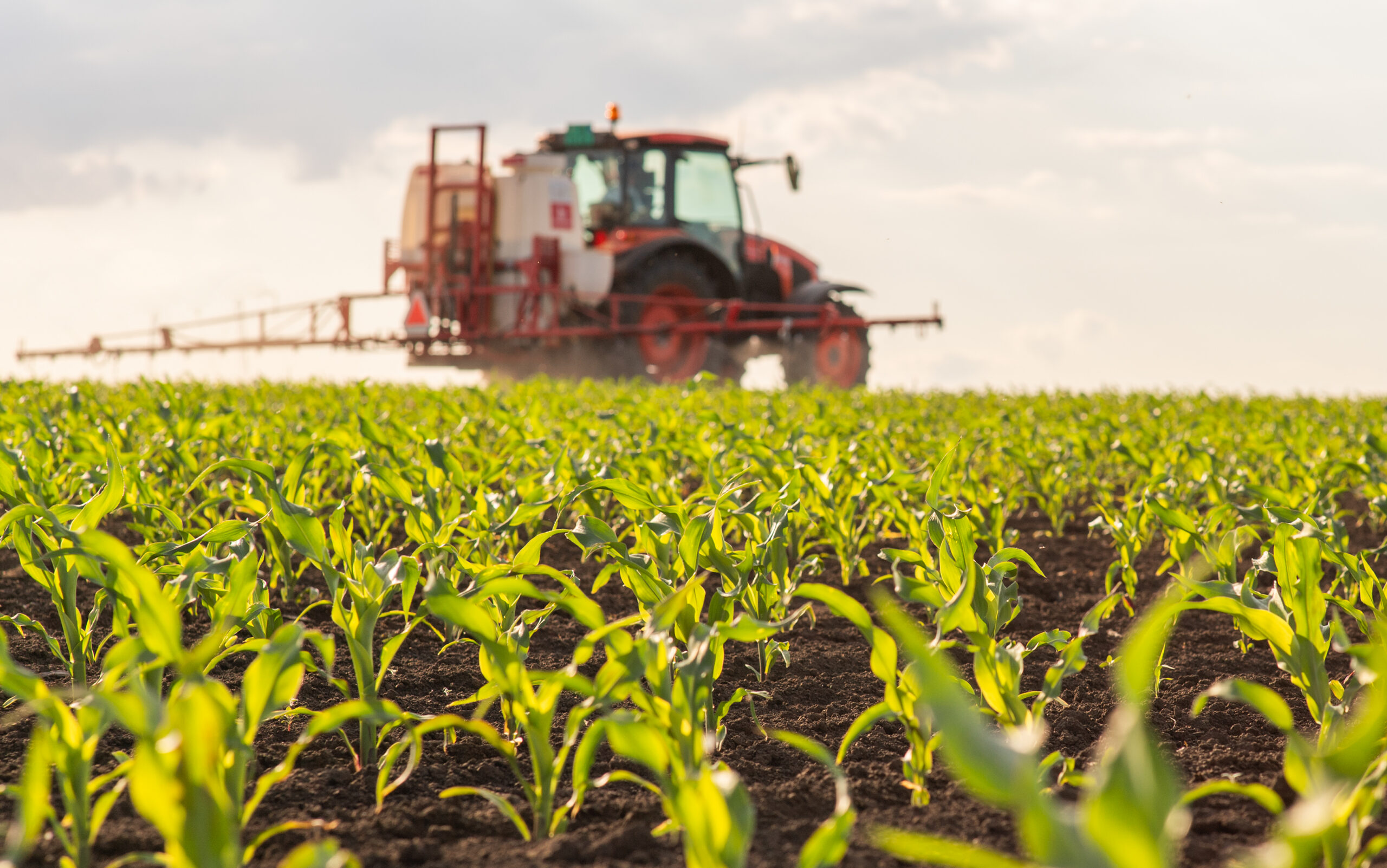
Fertilizer helps feed the world, but it also carries a heavy emissions footprint: the 1.31 gigatons of CO2e emitted each year from synthetic nitrogen fertilizer is more than the aviation and shipping sectors combined. And while two-thirds of emissions come from fertilizer use in the field, the other one-third comes at the production stage — making it a ripe target for reductions.
Much of fertilizer’s production emissions come from producing hydrogen, the precursor to ammonia. Today, this happens through steam methane reforming (SMR), where methane and water are superheated and react to produce hydrogen and carbon monoxide. Fossil fuels currently power this heating process, but switching to innovations like green hydrogen eliminates the need for SMR altogether, and could cut emissions to near zero.
For existing fossil-fuel-powered sites, options like induction heating could electrify SMR, with the potential to cut direct emissions by 40 percent. Although induction heating is common in other areas, such as in home stoves, its industrial application is still nascent, with commercial projects likely still decades away.
Induction heating for steam methane reforming
Where we go from here
The problem of fossil-based chemical manufacturing has many solutions, but hurdles still remain to scale the technologies needed to make them a reality. Because of the relative novelty of some of these solutions, we are still decades from making them an ordinary part of chemicals production. Moving as quickly as possible to invest in and scale these technologies means we can avoid tons of emissions while creating a resilient and diversified manufacturing base.
RMI’s Applied Innovation Roadmap for Chemicals outlines the gaps in RD&D and, critically, the funding needed to make these solutions part of everyday manufacturing, and provides guidance on where stakeholders across industry, research, policy, and finance can engage for maximum impact.

