Utility-Enabled Distributed Energy Resources Hub
Unreliable electricity supply from the national grid remains a challenge in many sub-Saharan African countries. Interconnecting DERs through innovative win-win-win business models can address this supply gap, however, models are still nascent in most African markets. The DER Hub provides resources to help utilities and developers scale these solutions
RMI’s DER toolkit provides energy decision makers, utilities, and private developers with all the resources they need to initiate and follow projects from planning to implementation. It provides curated, standardized resources and templates for key documents in DER project preparation, development, and implementation. These resources help improve the understanding of utility-enabled DER business models among utilities and developers, thereby increasing their awareness and ability to implement these business models. The toolkit provides useful guides and templates that simplify and accelerate the project implementation process for utilities and developers. Finally, by standardizing and harmonizing documentation between utilities and developers, these resources help reduce misalignment during the project lifecycle and accelerate overall project implementation and decrease data asymmetry.
RMI’s DER Implementation Handbook is the starting document for DisCos that are interested in using the standardized tools developed under this toolkit for utility-enabled DER project development and implementation. It introduces utility-enabled DERs and describes how they can benefit DisCos and their customers; describes why the toolkit is necessary, the objective of the toolkit, the tools, and how and when to use them during the project implementation process; and describes wider initiatives that will help DisCos successfully scale DERs.
The toolkit is comprised of 4 sections, each relating to a different phase of the DER project process.
Renewable Embedded Generation
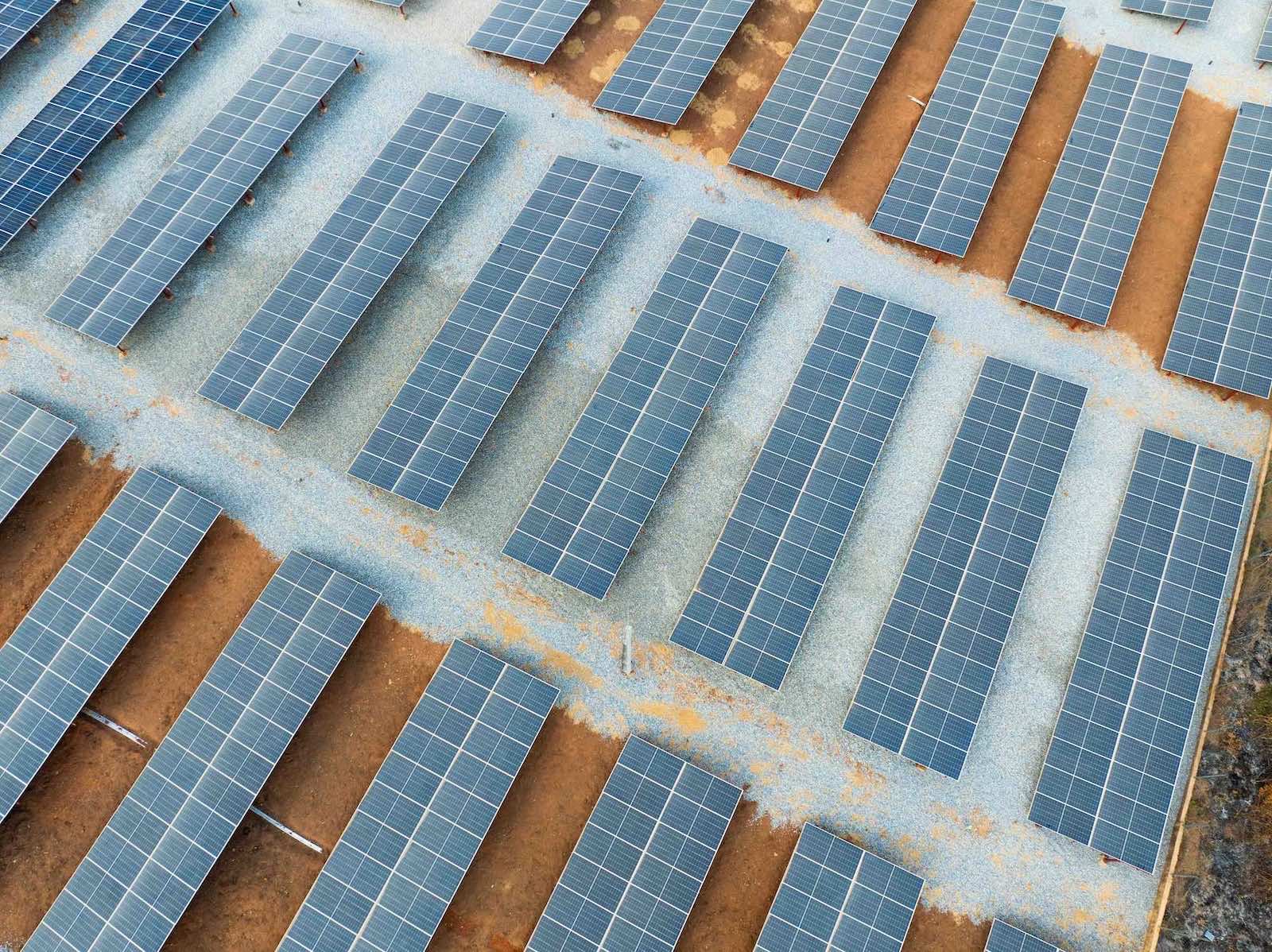
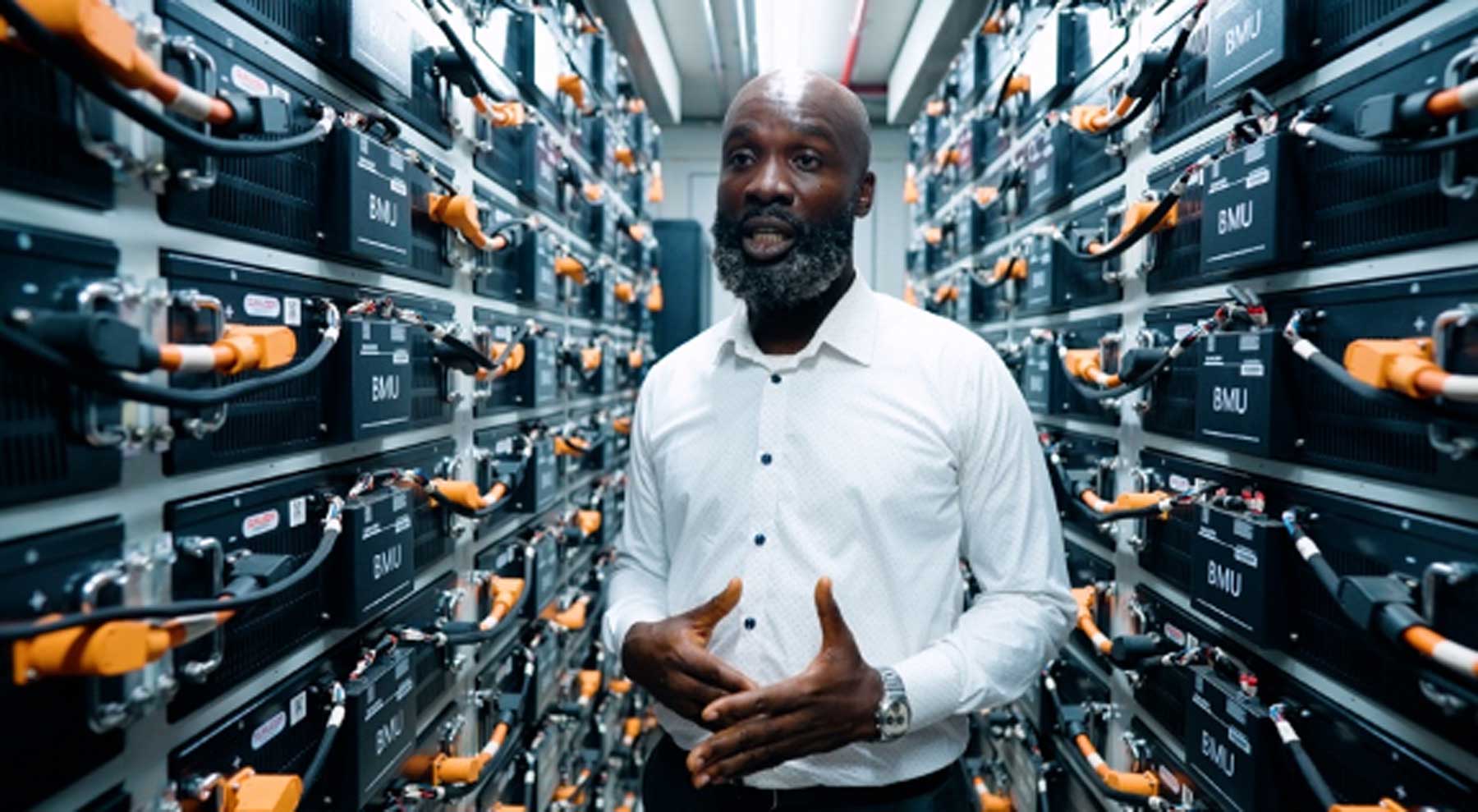
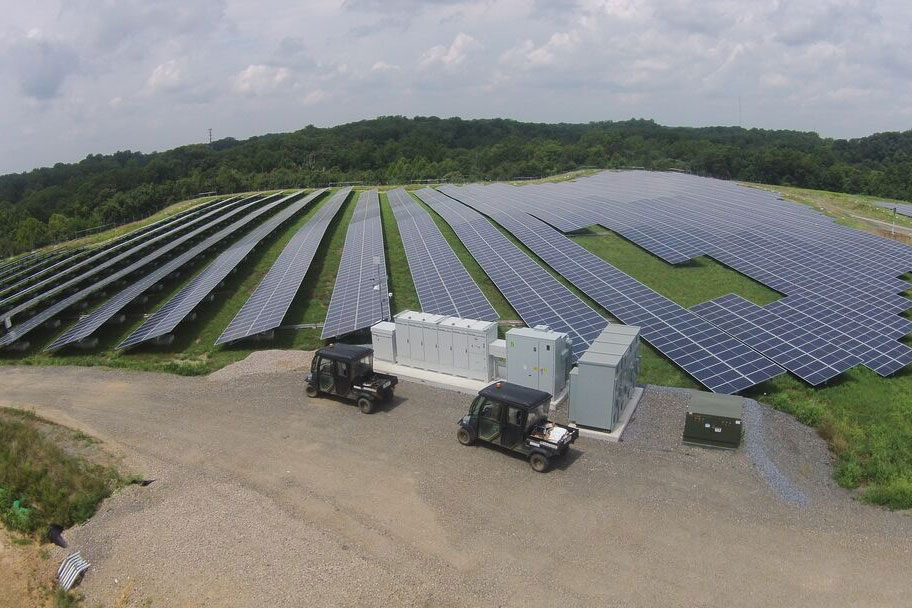
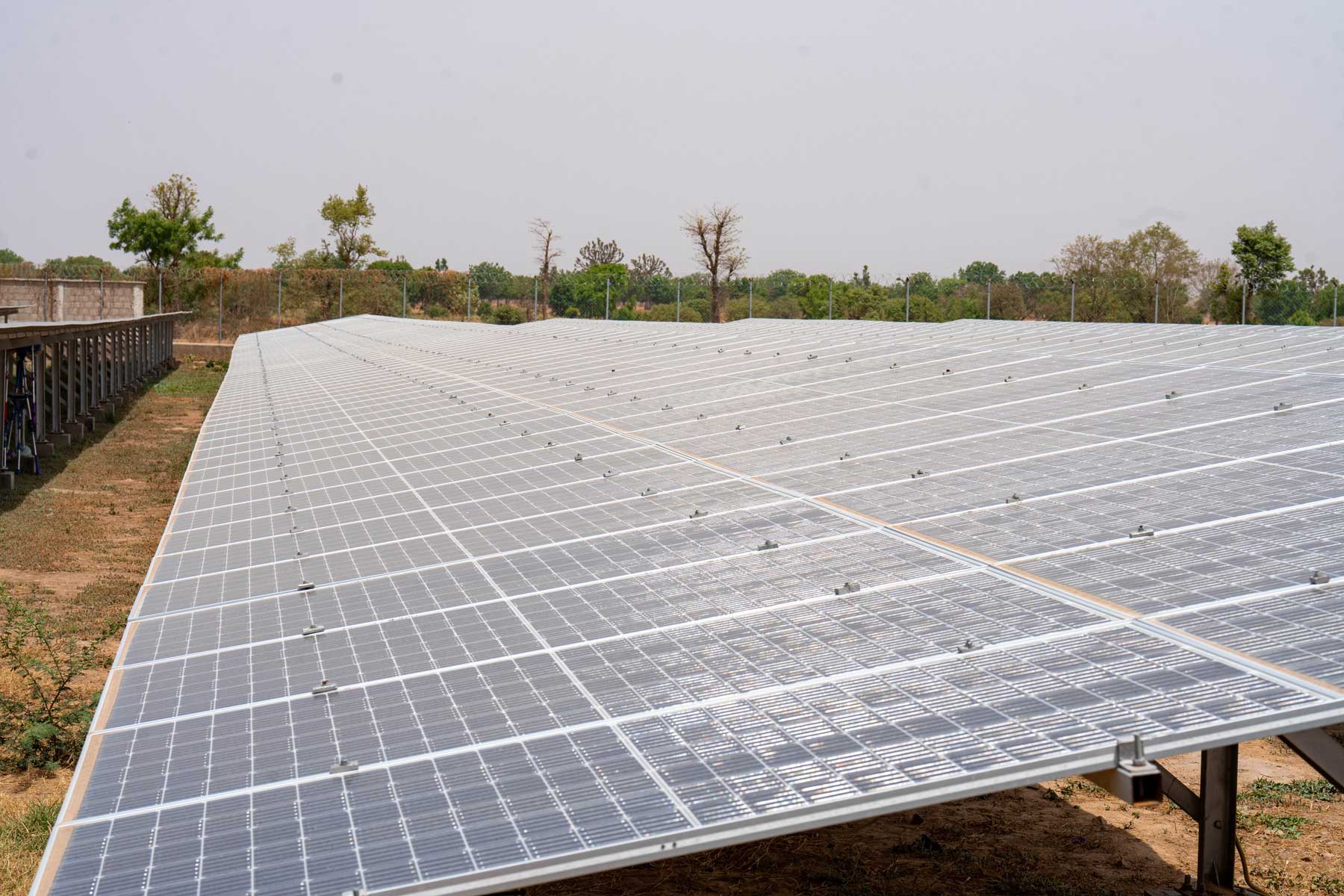
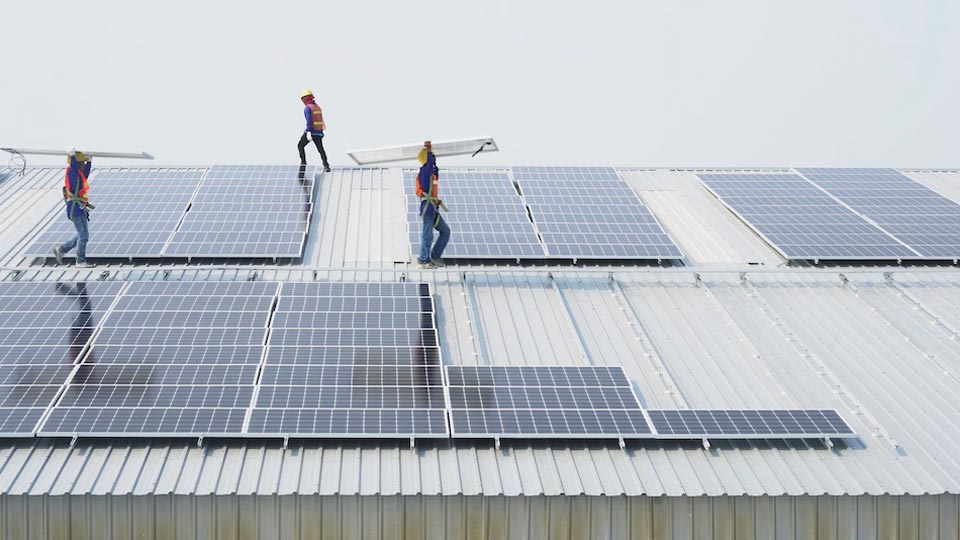
Renewable embedded generation (REG) is a practical business model for utility-enabled DERs. REG typically comprises solar PV, battery storage, paired with backup generators where necessary, and is connected to the distribution networks directly to improve power supply and reliability. REG offers a pragmatic, near-term solution to enable DisCos to integrate DERs into their networks, reduce outages and technical losses, increase revenues, attract investment to strengthen grid infrastructure, and meet the embedded generation targets set by the Nigerian Electricity Regulatory Commission.
With support from the UK PACT (Partnering for Accelerated Climate Transitions), RMI has worked with Nigerian DisCos, regulators, and developers to design the commercial, technical, and regulatory foundations needed to operationalize REG.
This section consolidates resources RMI has developed to support REG initiation, project preparation, transaction structuring, and implementation. To support utilities, developers, policymakers, and financiers move from concept to implementation and scale, in addition to the four standard sections of RMI’s DER Toolkit, we provide guidance on project selection, regulatory framework, implementation and interconnection processes, and pathways toward financial close.
REG Site Selection Guide
April 24, 2026
This guide provides DisCos with a structured, data-driven and replicable process to identify, evaluate, and prioritize viable feeders and geographic clusters within their franchise areas that are suitable for REG projects.
REG Project Implementation Guide
June 17, 2026
Detailed guidance for DisCos on implementing renewable embedded generation projects following completion of the site selection and prefeasibility assessment process described in the REG Site Selection Guide.
REG Interconnection Framework
June 17, 2026
A guide for the successful interconnection of distributed energy resource solutions such as REG to the distribution grid, outlining key processes and requirements.
REG Term Sheet
April 24, 2026
The document is designed to help embedded generator companies and Discos understand the suitable conditions required for a bankable power purchase agreement.
REG Financial Model Template
April 24, 2026
The REG financial model template is designed to evaluate the financial viability of renewable embedded generation projects and estimate the investment returns or financial benefits for project developers and utilities.
REG Contract
April 24, 2026
This contract enables an embedded generator to sell the net electricity output from its plant to a distribution sub-station. Payment to the embedded generator will be based on a waterfall.
REG RFP Template
April 24, 2026
This is used to identify a developer for a REG project.
GEDSI Tools and Procedures for REG Projects
June 17, 2026
A practical guide to support utilities to integrate gender equality, disability, and social inclusion (GEDSI) considerations across all phases of REG projects.
Project Agreement Templates
The templates enable parties, developers, and utilities to align on the various terms to ensure successful implementation. These documents streamline negotiations by providing pre-refined terms, reducing the time and risk typically associated with lengthy negotiations. Each template is tailored to address specific business model needs and operational contexts, ensuring comprehensive and efficient implementation.Moreover, these templates are designed to manage risks effectively, ensuring that the agreements are bankable. They incorporate provisions for proper risk allocation among parties, mitigating potential financial and operational uncertainties. The templates enhance the viability and attractiveness of the business model to be used to develop projects that will be acceptable by investors and stakeholders alike.
At the project agreement phase, you will need templates for both term sheets and contracts.
Term sheet: The term sheet is a legally non-binding document in which the parties provisionally spell out and agree on the key transaction parameters before further negotiations, particularly before moving into a binding contract agreement.
Contracts: The approved version of the term sheet will enable both parties to review the template agreement and finalize the contract.
IMG Term Sheet
April 24, 2026
This document is designed to enable developers and Discos to align on critical terms to enable the deployment of DERs for communities and clusters that require a solution below 1 MW.
REG Term Sheet
April 24, 2026
The document is designed to help embedded generator companies and Discos understand the suitable conditions required for a bankable power purchase agreement.
Utility Enabled C&I Term Sheet
April 24, 2026
This document elaborates on the essential terms that will allow developers and Discos to form a collaborative partnership to ensure parties can meet the required demand of either a commercial or industrial customer.
IMG Contract
April 24, 2026
This contract provides terms that enable a developer to take responsibility for managing distribution assets and providing reliable supply to customers within a community or clusters based on pre-aligned terms from the term sheet.
REG Contract
April 24, 2026
This contract enables an embedded generator to sell the net electricity output from its plant to a distribution sub-station. Payment to the embedded generator will be based on a waterfall.
Financial Model Templates
The financial models calculate key financial metrics for utility-enabled DER projects for developers, utilities, and customers (for the C&I model). This enables both parties to assess the viability of proposed projects and estimate their projected returns. Additionally, by providing a single model that evaluates both utility and developer returns, the financial models can help the utility and developers reach agreement on the details of the project by ensuring that all decisions are beneficial for both parties.
IMG Financial Model Template
April 24, 2026
The IMG financial model template is designed to evaluate the financial viability of interconnected minigrid projects and estimate the investment returns or financial benefits for project developers and utilities.
REG Financial Model Template
April 24, 2026
The REG financial model template is designed to evaluate the financial viability of renewable embedded generation projects and estimate the investment returns or financial benefits for project developers and utilities.
C&I Financial Model Template
April 24, 2026
The REG financial model template is designed to evaluate the financial viability for utility-enabled C&I projects and estimate the investment returns or financial benefits for all stakeholders (customers, project developers, and utilities).
Project Implementation Plan Templates
The project implementation plan (PIP) templates help users identify feasible utility-enabled DER project sites, and understand the steps required to initiate, prepare, and execute a project. The PIP also defines responsibilities between utilities and DER project developers, estimates how long it will take to complete these steps, and describes how they can mitigate common risks along the way. Finally, these resources help readers understand the steps for achieving compliance with all institutional, legal, regulatory, and standards requirements, including all necessary approvals, certifications, and permits as well as their typical timeline.
IMG PIP Template
April 24, 2026
This document outlines the steps, processes, and recommendations for the timely identification, development, and execution of the interconnected minigrid (IMG) business model for underserved communities.
REG PIP Template
April 24, 2026
This document outlines the steps, processes, and recommendations for the timely identification, development, and execution of the renewable energy generation (REG) business model for areas with large commercial and industrial customer concentration from project initiation to operations.
C&I PIP Template
May 5, 2026
This document outlines the steps, processes, and recommendations for the timely identification, development, and execution of the utility-enabled distributed energy resources business model for large commercial and industrial customers (UEDER C&I or C&I) from project initiation to operations.
Project Procurement Templates
The project procurement templates will help users structure project procurement into a 2-stage competitive procurement process. They will help in soliciting bids from energy service companies and DER project developers, specifying the requirements that will be reflected in project agreements, and evaluating proposals from developers based on chosen criteria such as their project implementation track record, commercial history, financial capabilities, and more.
RFQ Template
April 24, 2026
This template is used to identify a pool of pre-qualified developers who will be eligible to receive a more detailed request for proposals (RFP).
IMG RFP Template
April 24, 2026
This is used to identify a developer for an IMG project.
REG RFP Template
April 24, 2026
This is used to identify a developer for a REG project.
C&I RFP Template
April 24, 2026
This is used to identify a developer for a C&I project.
Where We Work
RMI’s initial focus is on Nigeria, working with DisCos and private developers to deploy 100 DisCo-enabled DER projects, aligning with Nigeria’s Energy Transition Plan targets of more than 6 gigawatts of decentralized renewable energy by 2030. These projects aim to unlock gigawatt-scale development and showcase a highly replicable model for privately owned and operated DER assets supporting energy resilience in local communities. Notable projects include:
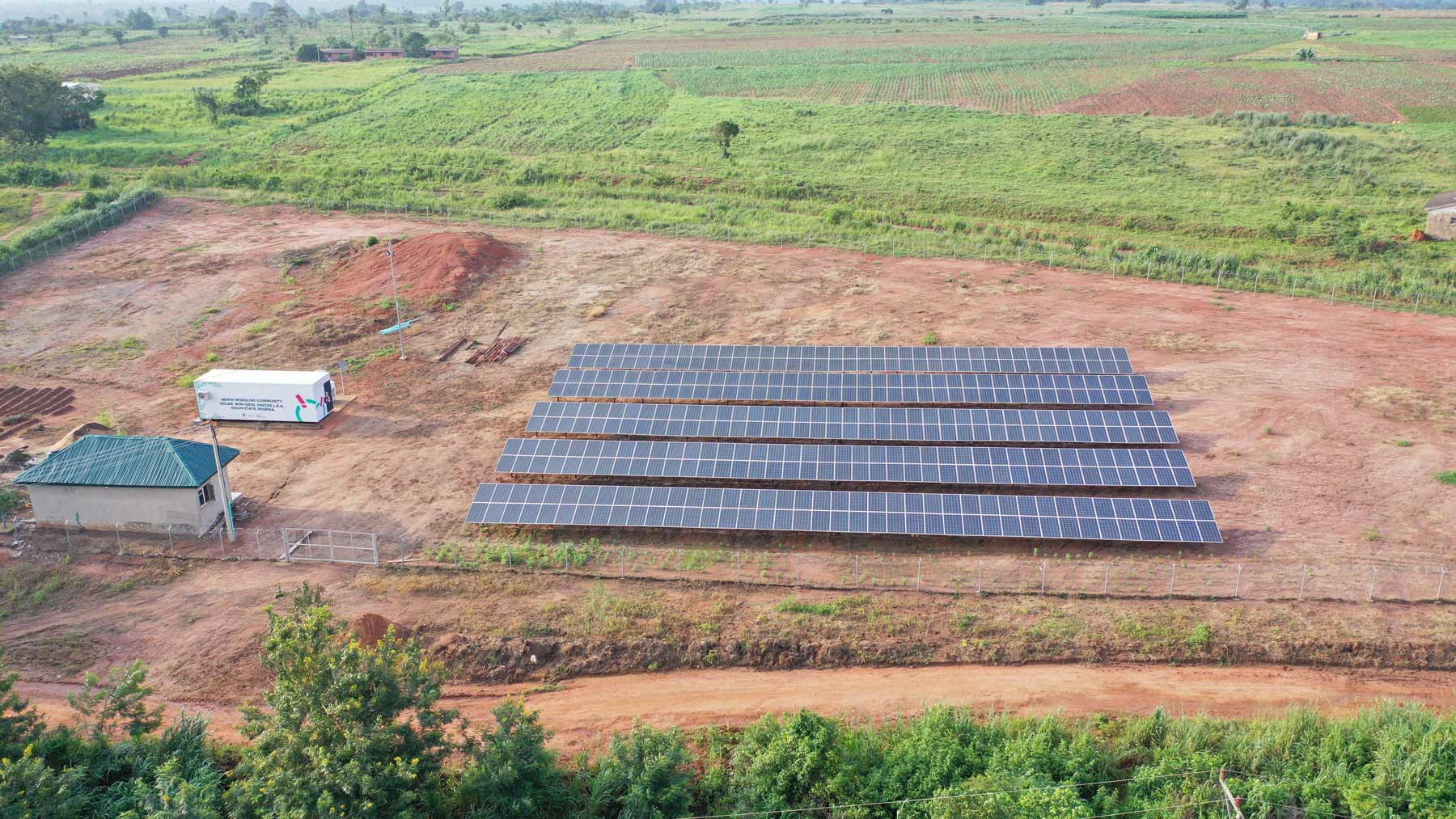
- Mokoloki: Nigeria’s first rural commercial undergrid minigrid, online since February 2020. The project demonstrates a successful partnership between Ibadan Electricity Distribution Company, Nayo Tech, and Mokoloki community, resulting in new customers, growing electricity demand, and attracting businesses to the area.
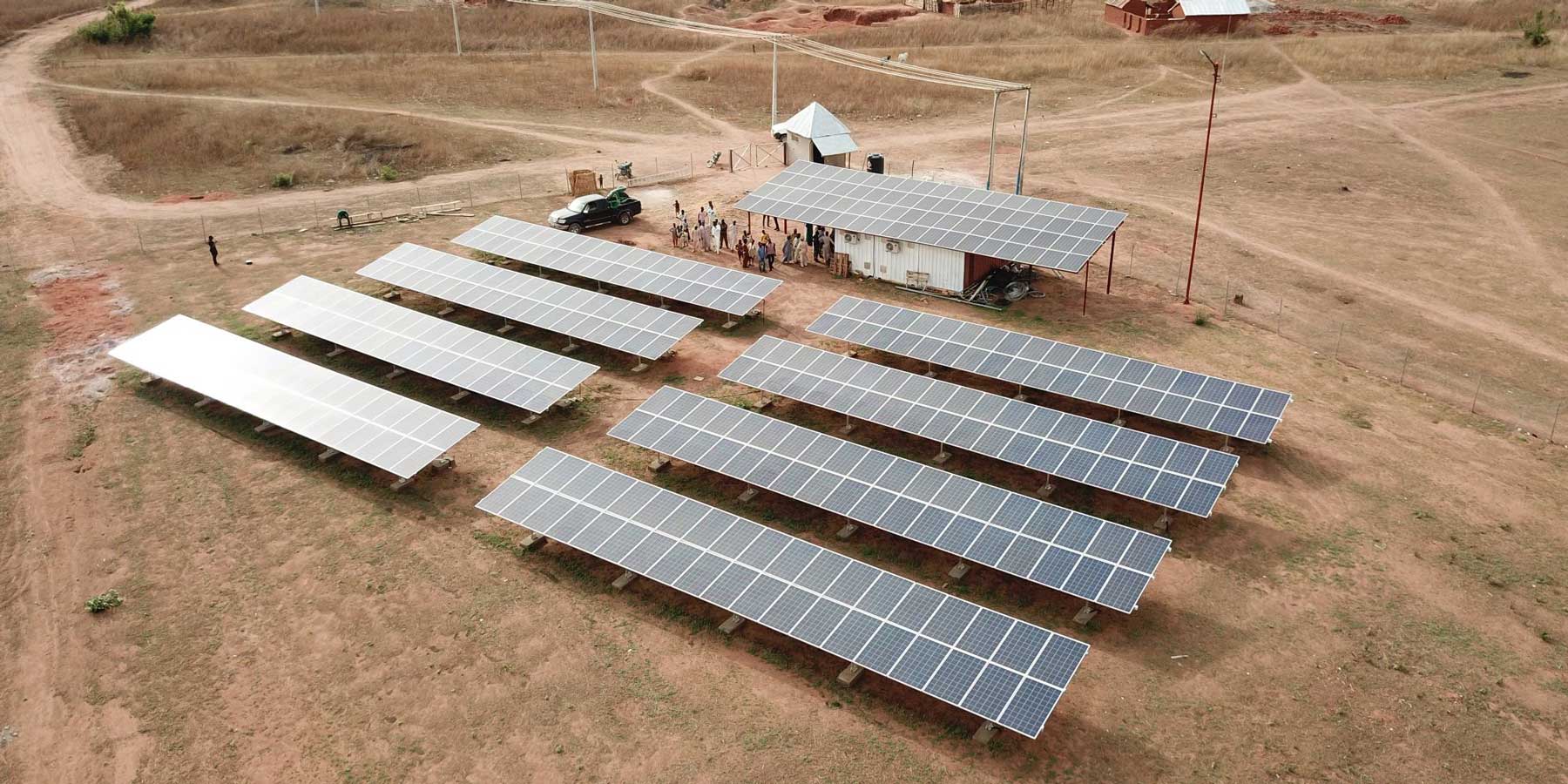
- Toto: The first IMG in Nigeria, commissioned in November 2023. Starting with just 300 connections at the beginning of operations, Toto IMG now boasts of over 1,500 connections including homes, small and medium enterprises, and institutions like schools and the Toto general hospital.
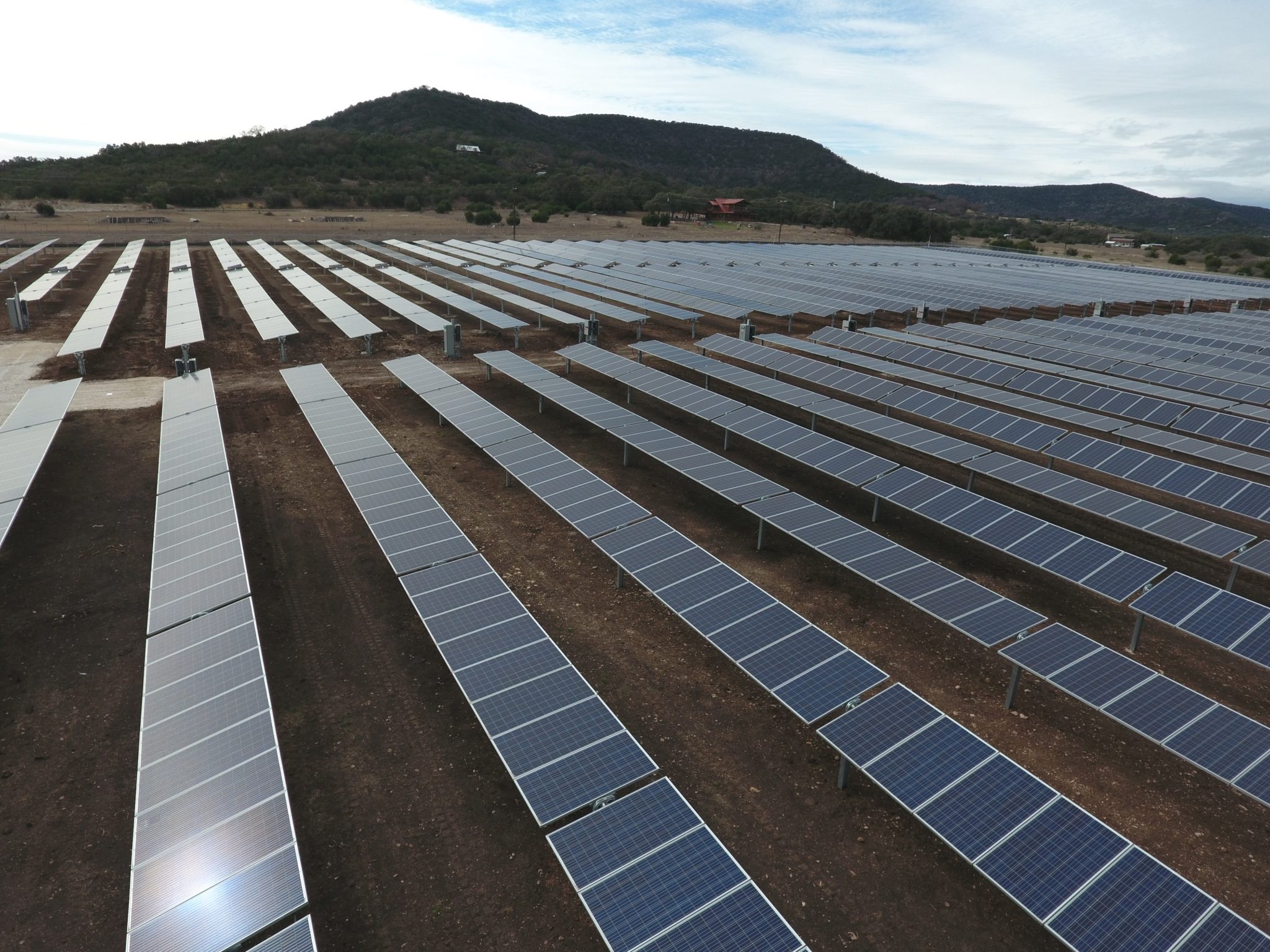
- Zawaciki: The Zawaciki IMG is the first in northern Nigeria and the second in the country. The 1 MWp solar plant is currently the largest IMG in operation today. The solar plant caters to the energy needs of the Gida Dubu housing estate, and environs. Over 1,200 customers are connected to the solar IMG including homes, small and medium enterprises, and large industrial customers.
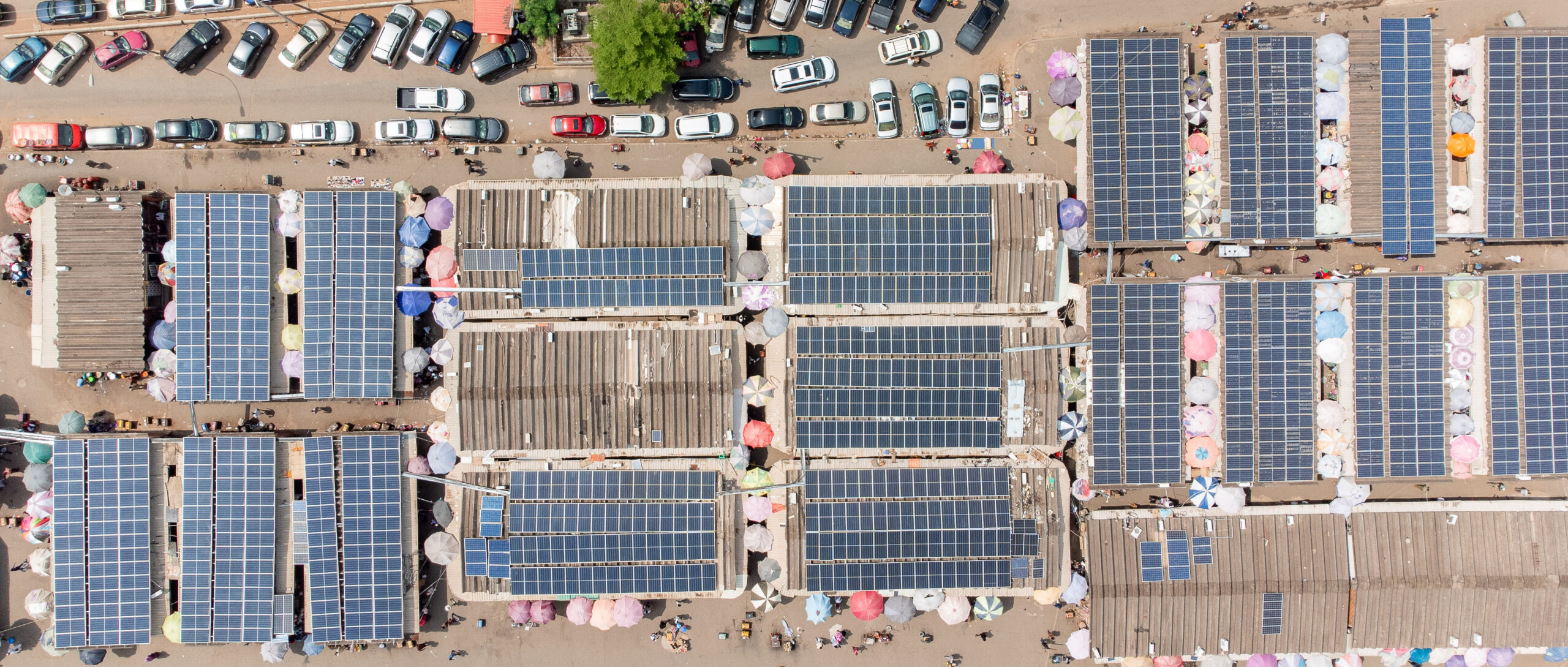
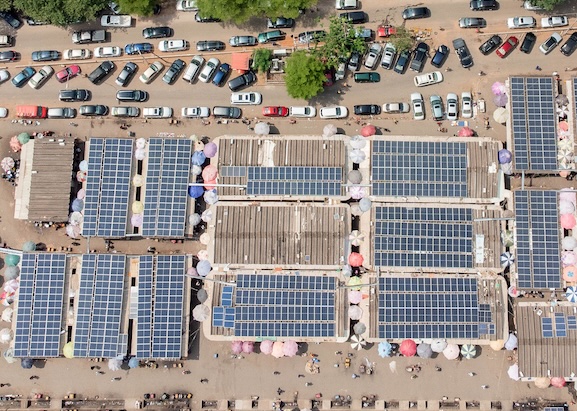
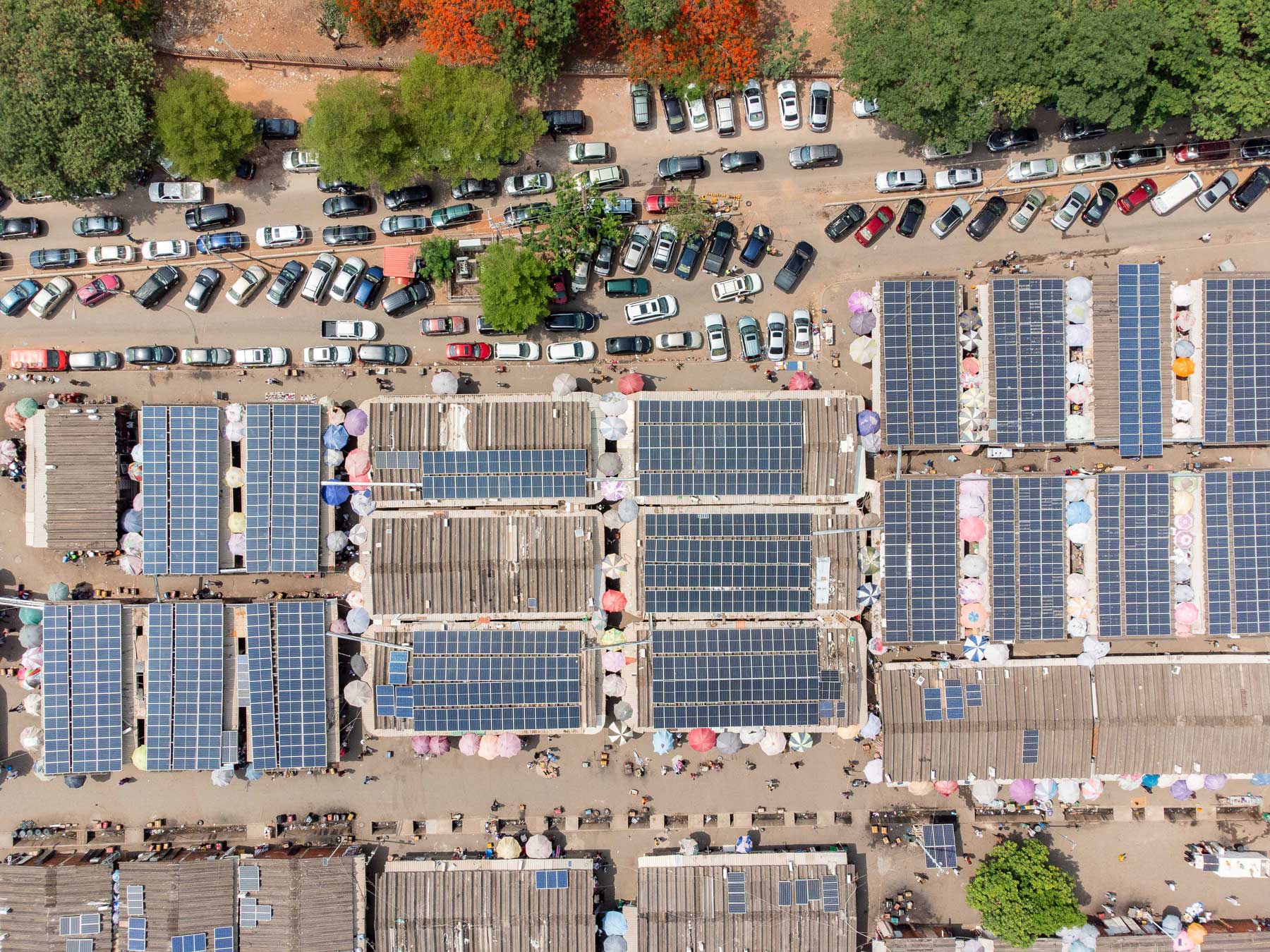
- Wuse Market: The Wuse Market is the largest commodity market in Abuja, the capital of Nigeria. Shop owners have for years relied on gasoline and diesel backup generators due to unreliable grid supply. These backup generators are expensive to run, noisy, and produce climate pollution. Solar developer GVE is commissioning a 1 MWp solar system with 1.2 MWh of storage to augment the unreliable grid supply at the market. On completion, the project will supply over 2,500 shops in the market, effectively removing the need for backup generators.
- Robinyo peri-urban community: Robinyo, a community located at the edge of Lagos and Ogun state at the tail end of the feeder, inherently has high technical losses. It also has very low metering rates below 25 percent. These two factors make it difficult for the utility to recover its cost for energy supplied. Darway Coast, in partnership with Ikeja Electric and the community development association, is currently constructing a 500 kWp solar interconnected minigrid with 624 kWh of battery energy storage.
Suleiman Babamanu, Nigeria Program Director, RMI Africa
Alberto Rodriguez, Manager, RMI Africa
The research on this page is supported by the Global Energy Alliance for People and Planet, UK PACT Green Recovery Challenge Fund and US Trade and Development Agency.
Follow us @RMIAfrica and subscribe to our Climate Resilience and Economic Development Newsletter here.
Help build the clean energy future. Donate today.
Independent research. Real-world solutions. Supported by donors.
RMI can pursue the highest-impact climate and energy solutions because we’re supported by people who believe change is possible. Every gift helps advance the work needed to make clean energy the default choice worldwide.
For other ways to give to RMI, including checks or gifts of stock, please visit Other Ways to Give.