

Learn how we are working to transform how we use and produce energy.

Summer 2026
Impact Report
RMI's vision of a clean energy future commits us to THINK bigger, DO boldly, and SCALE globally.
Impact Spotlight
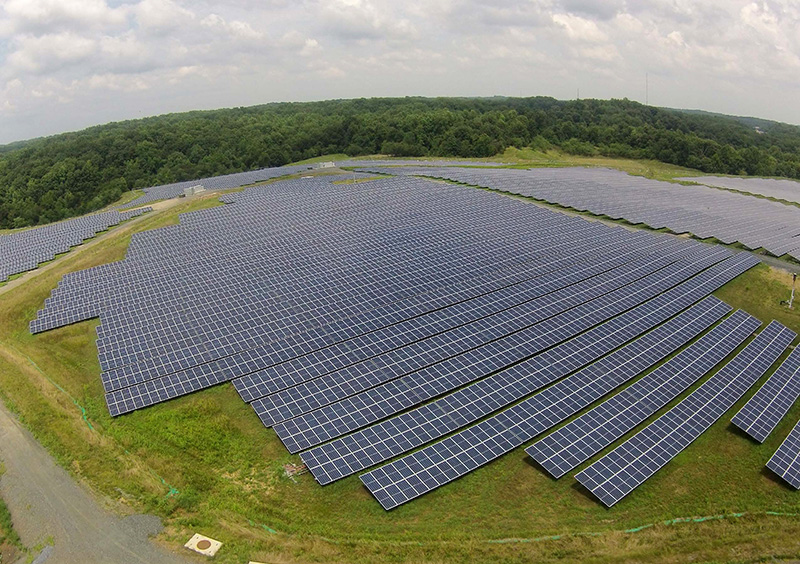
A 16.8 megawatts landfill solar development in Annapolis, MD. Photo courtesy of BQ Energy Development, LLC.
The Future Looks Brighter
As communities work to expand clean energy, one challenge is becoming increasingly clear: finding places to build it without sacrificing productive farmland or undeveloped green space.
Across the United States, hundreds of thousands of former industrial sites, closed landfills, and abandoned mines sit vacant — land that many communities see as too costly or complicated to reuse. RMI sees something different.
These previously disturbed, often-contaminated sites — also known as brownfields — many of them abandoned for decades — can become brightfields: renewable energy projects that transform yesterday’s liabilities into tomorrow’s clean energy assets.
Continue reading
The opportunity is significant and largely untapped. The US Environmental Protection Agency has identified more than 190,000 brownfields with potential for renewable energy development. More than 363 gigawatts of clean energy have been installed nationwide through 2025, yet only 4.4 gigawatts have been built on brownfields and other contaminated lands, largely because brightfield projects typically involve more specialized design and more costly site preparation to develop.
Recognizing that untapped potential, RMI’s Brightfields Accelerator has spent the past several years working with local governments, communities, utilities, state agencies, and energy developers to make brightfields a more common, practical solution. Our team has helped communities move from idea to implementation, including developing site concept plans, state and federal grant applications, financial models, and procurements. This means new deals signed and solar panels installed on closed landfills.
This spring, our team achieved a new milestone in Colorado.
On May 27, 2026, Colorado Governor Jared Polis signed House Bill 26-1268 into law, creating a new toolbox to encourage renewable energy development on brownfields, closed landfills, and former mine sites. The legislation allows communities to establish Renewable Energy Investment Areas for these sites to unlock land that might otherwise remain unused. RMI helped develop the policy foundations that ultimately were integrated into the legislation and educate key stakeholders about the technical potential of brightfields in Colorado.
Colorado’s new law offers another model for how states can expand clean energy while revitalizing underused land and empowering local governments. As more states confront rising electricity demand, brightfields offer a powerful reminder that some of our greatest opportunities can be found in places we’ve long overlooked.
Helping Communities Build Brightfields
The Brightfields Accelerator, launched by RMI in 2022 in partnership with Kansas State University’s Technical Assistance to Brownfields program, connects communities with the expertise needed to advance clean energy projects on brownfields. By bringing together local governments, developers, state agencies, and technical experts, the Accelerator helps communities move promising projects from planning to implementation.
By the Numbers:
• 50+ communities supported
• 3 state agencies engaged
• 19 megawatts of projects advanced and approved across
• 3 closed landfills
• Featured at 3 national brownfields conferences
• And now, Colorado legislation informed
To learn more about how your community can participate in the Brightfields Accelerator, contact Matthew Popkin at mpopkin@rmi.org.
Supporter Spotlight
“What drew me to RMI in the formative phases of my career still resonates with me today: a rigor that is imaginative, a systems view that is practical, and an optimism grounded in analysis and moral imagination.”
— Leigh Alvarado Benson, RMI donor and Legacy Society Member

As a graduate student, reading Amory Lovins’ “Energy Strategy: The Road Not Taken?” transformed the way she approached complex problems. That systems-thinking mindset shaped a career spanning environmental engineering, data science, and artificial intelligence in support of several industries, as well as more than 25 years of teaching.
Today, Leigh and her husband have included RMI in their estate plans, ensuring the ideas that influenced their lives continue to shape future generations. “To me, legacy giving isn’t about being remembered,” she says. “It’s about helping good ideas outlive us.”
Clean energy starts with you. Donate today.
RMI is a global, independent organization of over 700 diverse experts partnering with a wide range of collaborators to build a clean energy future. As a 501(c)(3) nonprofit RMI generates the vast majority of its support from philanthropy. Make a gift today.
For other ways to give to RMI, including checks or gifts of stock, please visit Ways to Give.

THINK

Making Heat Pumps Mainstream
Using RMI’s Green Upgrade Calculator, new analysis found that replacing electric resistance heating with heat pumps could save the average household $1,530 each year while reducing winter peak electricity demand nationwide in the United States. The findings provide policymakers and utilities with compelling evidence that one technology can improve affordability, strengthen grid reliability, and reduce emissions simultaneously.

Keeping Clean Steel On Track
As United States steelmakers make once-in-a-generation investment decisions, RMI’s latest analysis identifies practical ways to avoid locking new facilities into decades of natural gas use. Strategies include designing plants so they can switch to clean hydrogen as it becomes available and negotiating fuel contracts that don’t require long-term reliance on natural gas. By preserving these options, RMI is helping industry make smarter investments today while preparing for a more competitive, resilient, and lower-emissions steel sector for the future.
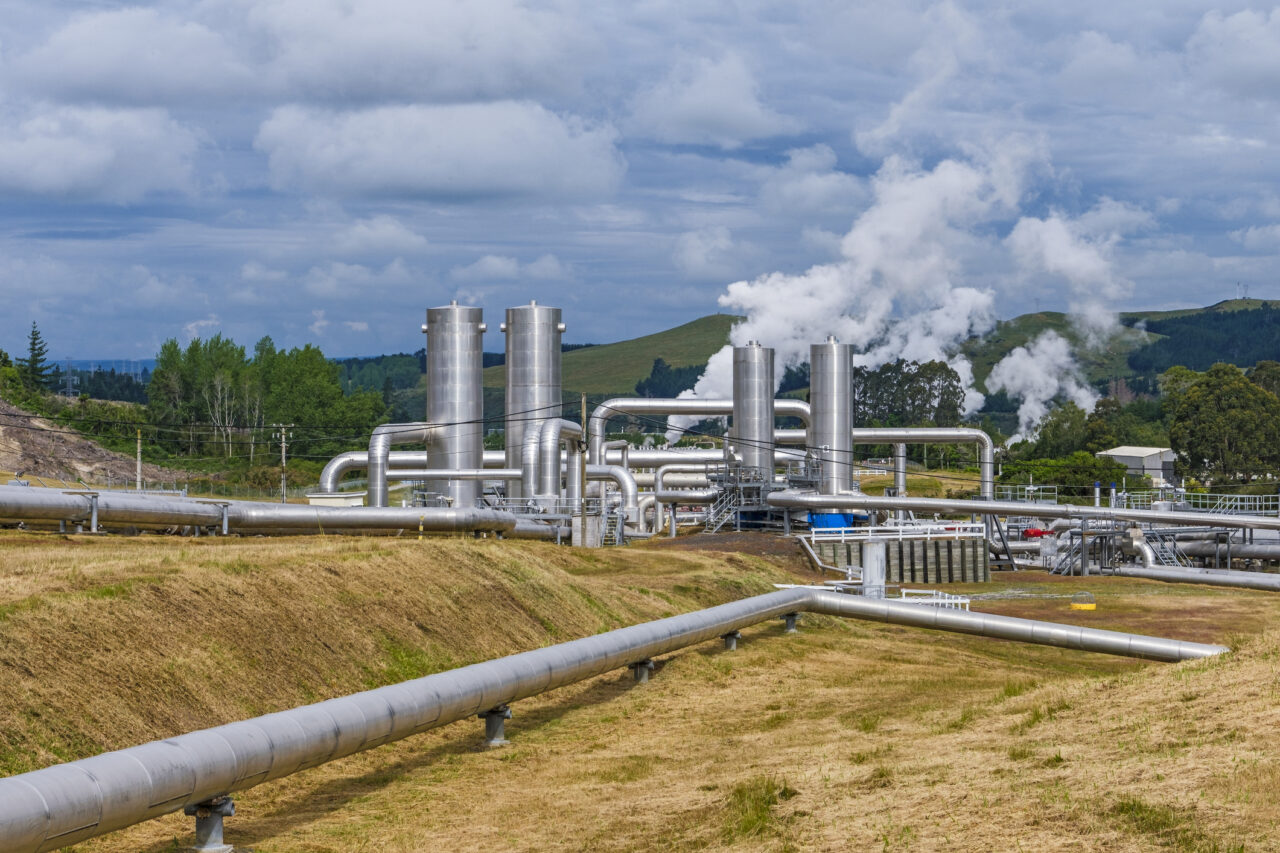
Preparing Geothermal for Growth
Next-generation geothermal can provide reliable, around-the-clock clean electricity, but supply chain constraints could slow its expansion. RMI’s latest analysis identified practical ways to strengthen domestic manufacturing and leverage existing oil and gas expertise. By helping industry and policymakers address these challenges early, RMI is helping one of the most promising clean energy technologies scale more quickly.

Rethinking Insurance’s Role in Resilience
Insurance is often seen as a powerful tool for encouraging investments that protect homes and communities from climate risks. RMI research finds the reality is more complicated. By examining five structural barriers — from short insurance time horizons to challenges valuing resilience benefits — RMI identified where insurers can have the greatest impact and where broader public-private action is needed. The analysis offers policymakers, insurers, and communities a more practical framework for using insurance as part of a larger strategy to strengthen resilience.

Making Carbon Removal Investments More Durable
Carbon removal can only deliver lasting climate benefits if stored carbon stays out of the atmosphere. RMI, Beyond Alliance, the American Forest Foundation, and LongRun Climate developed a new Contracted Durability framework to address the risk that stored carbon could later be released. The approach uses legal and financial mechanisms to ensure reversals are remedied and promised climate benefits are delivered. By creating a technology-inclusive approach to managing this risk, the framework can help build confidence and unlock investment in high-integrity carbon removal.
DO

Cooling Tech for a Hotter Future
This summer, RMI and Third Derivative launched a pilot at an affordable housing community in Boulder, Colorado, to evaluate an innovative cooling material designed to help keep buildings cooler without using additional energy. By reflecting sunlight and releasing heat, passive daytime radiative cooling technology has the potential to reduce indoor temperatures and improve comfort for residents who are often most vulnerable to extreme heat. The pilot will generate independent, real-world performance data to better understand how the technology performs in occupied buildings and help inform broader adoption of low-energy cooling solutions.
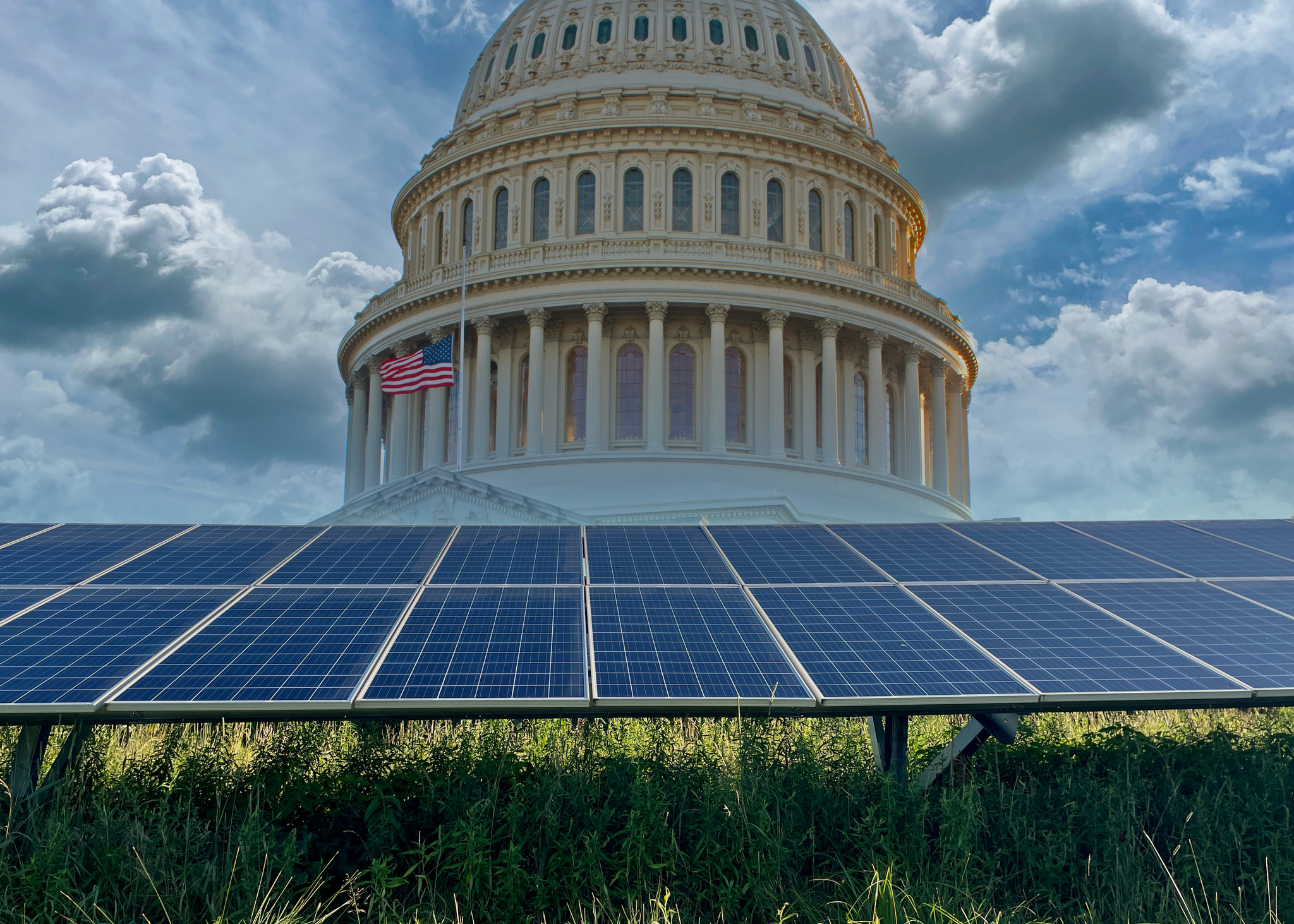
Clean Energy Academy Helps Projects Receive Federal Funding
As electricity demand grows across the country, RMI is helping states build more affordable, reliable, and resilient energy systems. In Arizona, RMI helped shape statewide recommendations on energy efficiency, battery storage, advanced transmission, and virtual power plants (VPPs). In New Jersey, RMI’s technical expertise helped lawmakers incorporate distributed energy resources (DERs) and VPPs into legislation responding to rapidly growing demand from data centers. Together, these efforts are helping states meet new energy needs while reducing costs and strengthening the grid.

Powering a More Resilient Future for Islands
Building on years of work with island communities, RMI launched its Global Islands Energy Program to help islands around the world build cleaner, more resilient, and more affordable energy systems. The program draws on lessons from successful projects — including virtual power plants in the US Virgin Islands — to create scalable blueprints that strengthen energy security, support economic opportunity, and help communities thrive in the face of growing climate and energy challenges.
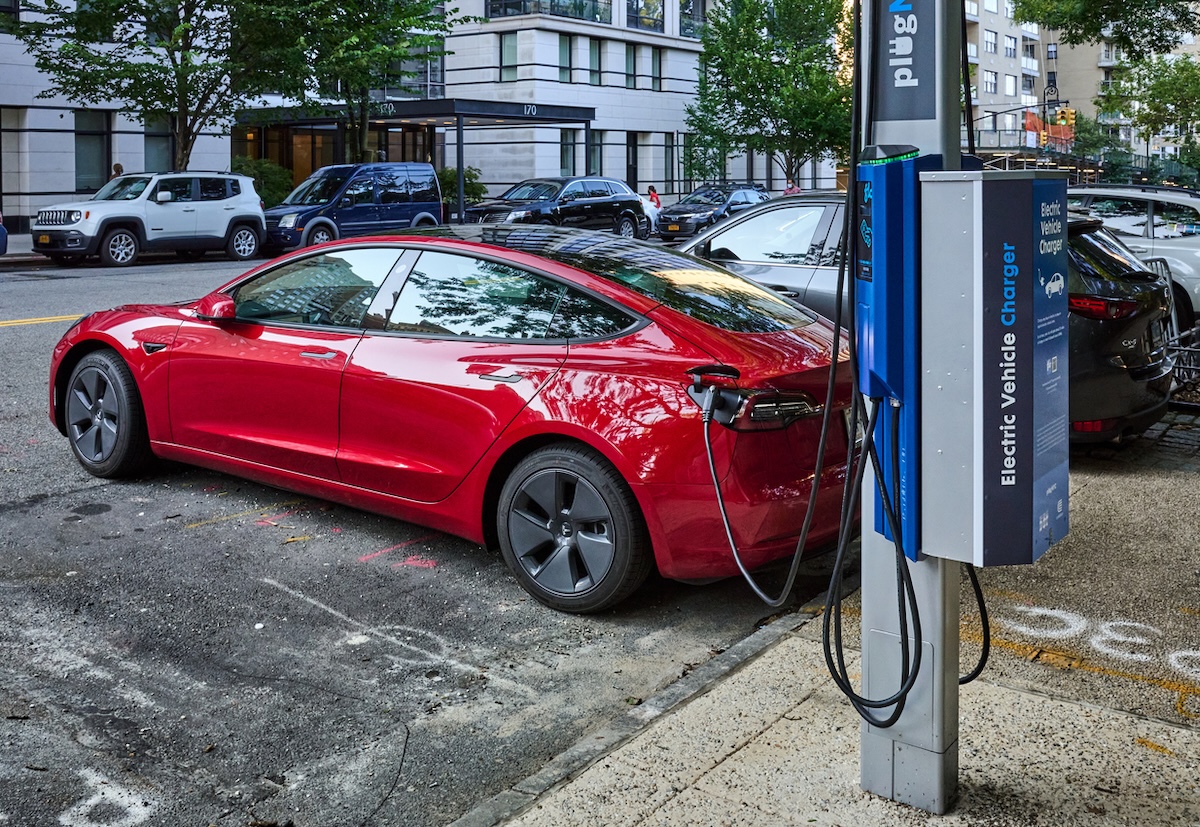
Expanding Access to EV Charging
RMI is helping cities overcome the practical barriers to bringing EV charging to residents without driveways or garages. RMI supported 15 cities through technical assistance, peer learning, and funding. In Washington, DC, RMI introduced new considerations and approaches as the city installed pilot curbside chargers and planned expansion across all eight wards. RMI support also helped two cities launch or expand EV carshare programs and two others install chargers at multifamily housing sites — turning plans for more more accessible electric transportation into projects on the ground.

Planning Now for an EV-ready Grid
As more electric vehicles hit US roads, utilities need to anticipate where and when charging will increase electricity demand — without overbuilding the grid and raising costs. RMI brought consumer advocates together to explore how smarter EV planning can help keep electricity affordable, then launched its EV Grid Toolkit to put proven forecasting, investment, rate design, and load-management strategies in the hands of advocates, regulators, and utilities. The goal: prepare the grid for more EVs while making infrastructure investments more targeted and cost-effective.

Supporting Island Nations in Managing EV Battery Waste
As electric vehicles expand in island nations, safely managing used batteries presents unique challenges for these small, remote regions. RMI is helping Bermuda prepare by engaging local stakeholders, technical experts, innovators, and service providers; assessing the island’s needs and capabilities; and developing scenarios for future battery volumes. This work is informing tailored recycling pathways that can meet Bermuda’s needs today while preparing for growing EV adoption — helping recover valuable materials, manage batteries safely, and offer lessons for other island communities facing similar challenges.

Moving Climate Technologies to Market
Across Southeast Asia and India, RMI’s Third Derivative is helping industrial climate startups move from promising technologies to commercial deployment. While participating in the Future Industries Partnership, startups have converted pilots into paid projects, launched manufacturing facilities and products, secured customers, and raised capital, supported by commercialization guidance and connections to investors and industry. One startup, Torus, reached more than 10 commercial customers, began production of its first 300 motor and controller units, and was selected among the top 30 tech startups to represent India at VivaTech in Paris and among the top 10 startups for expansion into the US market by the University of Chicago. In addition, Torus secured a Social Alpha grant to strengthen scale-up plans, and credited D3 strategic sessions and pitch coaching as a key contributor to its Mumbai and Delhi Climate Week competition wins.
Improving How Colorado Tracks Emissions
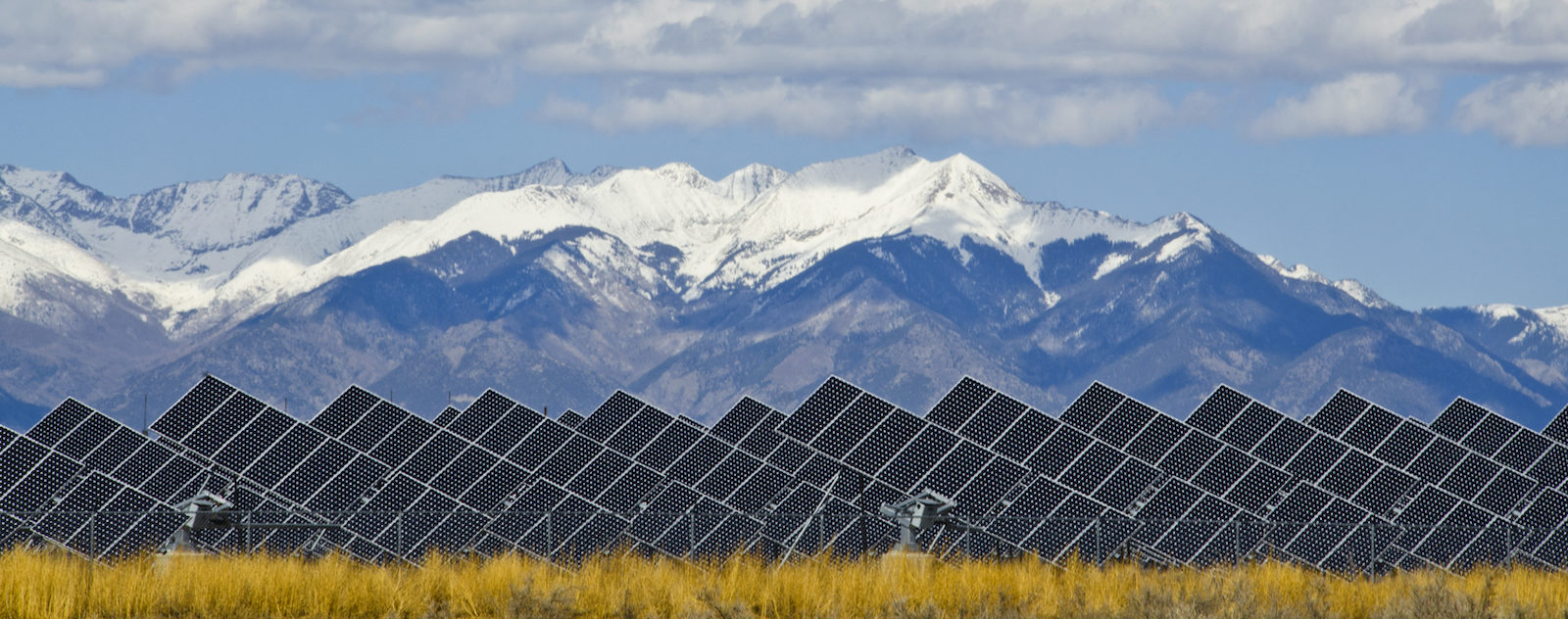
RMI brought technical expertise to a state working group improving Colorado’s greenhouse gas emissions inventory. RMI recommended using more Colorado-specific data, including the state’s Oil and Natural Gas Annual Emission Inventory Reporting data, to more accurately track emissions from the oil and gas sector — a change that will be incorporated into future inventories. The state also took RMI’s recommendation to publicly clarify key points on its oil and gas reporting tool, making it easier to understand how Colorado estimates methane emissions and track the sector’s performance over time.
Strengthening Methane Action in New Mexico
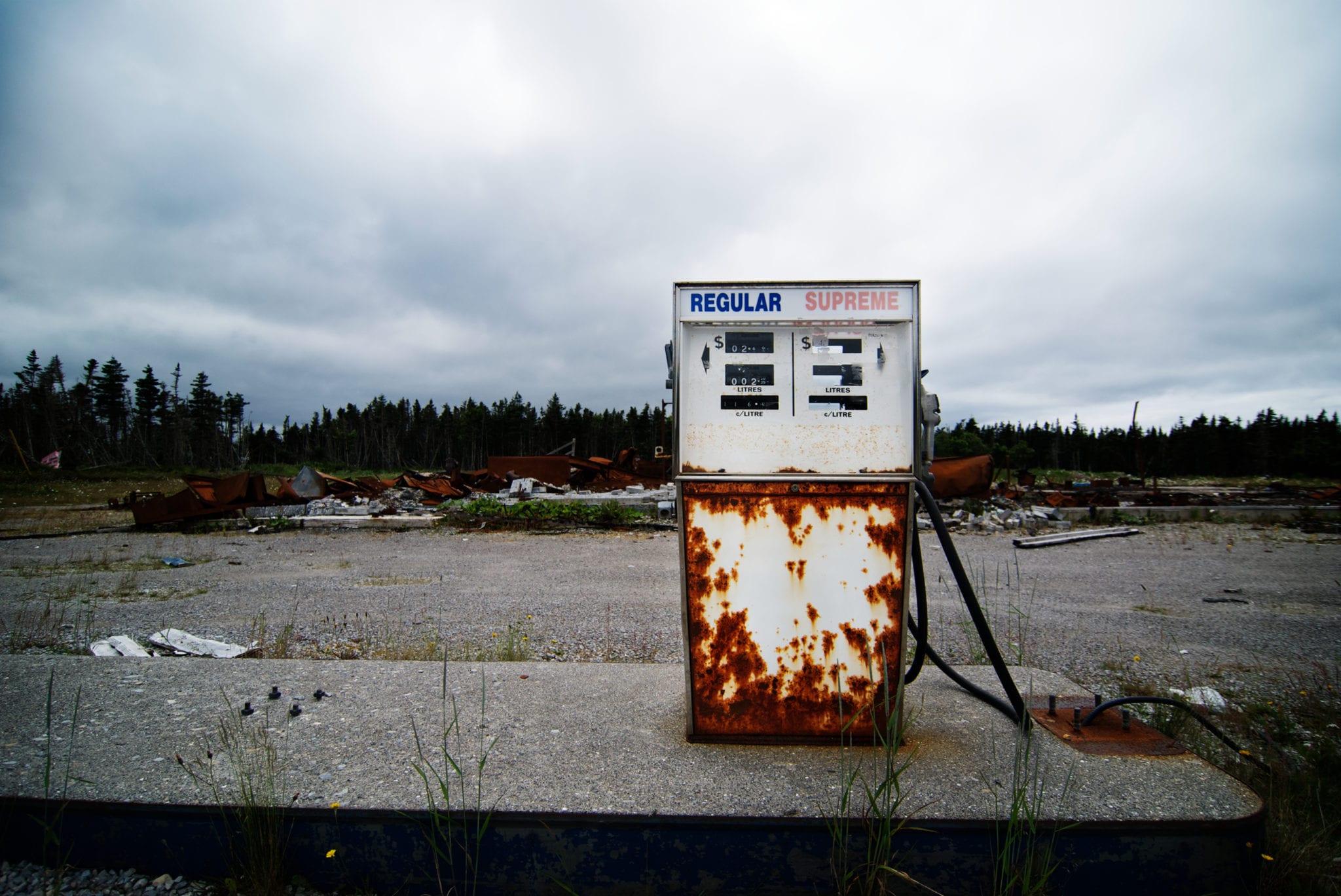
RMI, working with Carbon Mapper and Environmental Defense Fund, supported New Mexico’s efforts to reduce methane emissions from oil and gas operations. RMI helped coordinate analysis showing revenue lost through large “super-emitter” events, supporting the case for increased air-quality permit fees that took effect July 1, 2026. RMI recommendations also helped shape a proposed state super-emitter program, including elements of federal methane standards. The rule is expected to enter its official public comment period in late August, 2026.
SCALE
Unlocking Billions for Clean Energy
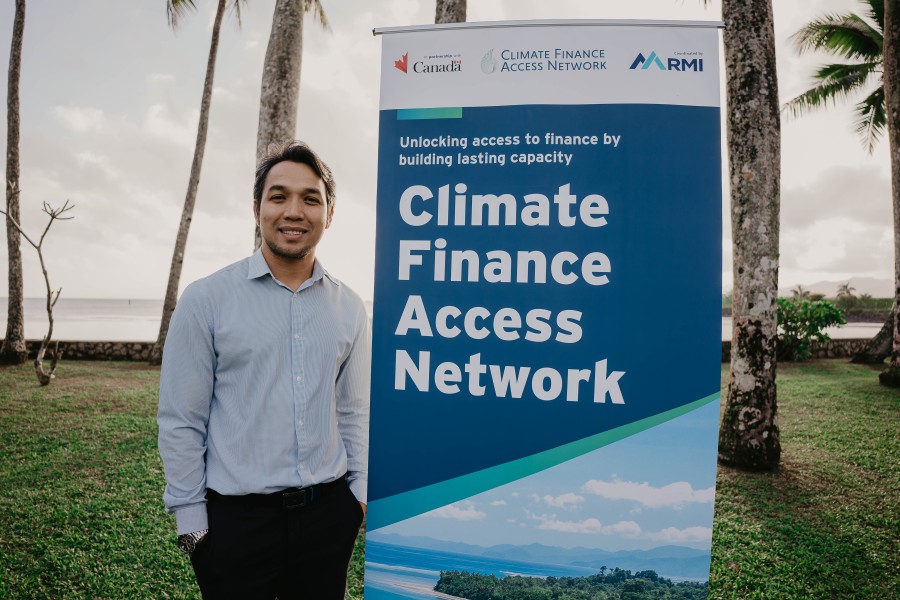
Five years ago, RMI launched the Climate Finance Access Network (CFAN) to help countries unlock climate finance by embedding expert advisors within governments and regional institutions. What began with 8 advisors in Pacific Island nations has grown to 15 advisors serving countries across the Pacific and Caribbean, supporting a project pipeline exceeding $2.6 billion. By building local expertise instead of relying on outside consultants, CFAN is helping countries secure funding for cleaner energy, stronger infrastructure, and more resilient communities — creating lasting capacity that continues to deliver results long after individual projects are complete. See CFAN’s impact in action »

Philanthropy powers our big ideas and ensures that everyone can enjoy a clean, prosperous, zero-carbon future. Thank you to our donors, who are accelerating today’s climate solutions for tomorrow.
Help build the clean energy future. Donate today.
Independent research. Real-world solutions. Supported by donors.
RMI can pursue the highest-impact climate and energy solutions because we’re supported by people who believe change is possible. Every gift helps advance the work needed to make clean energy the default choice worldwide.
For other ways to give to RMI, including checks or gifts of stock, please visit Other Ways to Give.