
Skip to content

EV Grid Toolkit

Resources for Enabling an EV-Ready Grid

Electricity demand is increasing quickly in the United States after a sustained period of relatively flat growth. The primary drivers of this new demand are electric vehicles (EVs), building electrification, and data center development. To meet this new and accelerating demand, we must update utility and regulatory planning and investment practices to better fit the needs of an evolving grid.  

EVs, in particular, present new challenges but also new opportunities for the power sector. They highlight the importance of modern planning practices to ensure we maintain and further develop a reliable, safe, and increasingly clean electric grid.  

RMI’s EV Grid Toolkit collects much of our work on effective grid planning practices and strategies related to EVs in a single location, to support utility grid planners, regulators and their staff, consumer advocates, and other stakeholders working on critical infrastructure and investment decisions at the intersection of the power and transportation sectors. 

Why dedicate specific attention to EVs?  

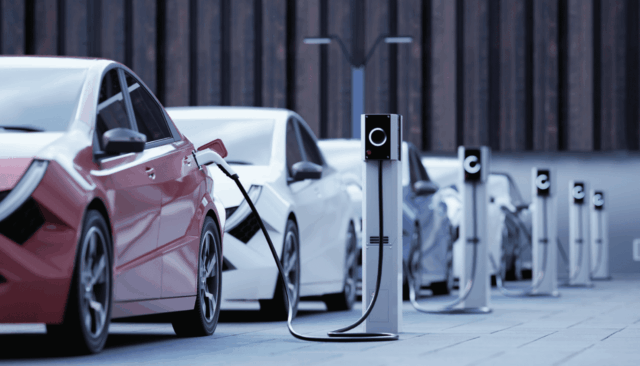
Load growth from transportation electrification presents an entirely new set of questions for grid planners, due primarily to their mobile nature, significant energy and power demand, and unique potential to support affordability through flexible charging. 

  • EV mobility: Unlike traditional resources, EVs are mobile, and the same vehicle can draw power from multiple locations on the grid by charging at different sites (e.g., home vs. workplace; depot vs. public charging). Predicting when and where charging will occur is becoming increasingly important, yet it is not a historic core competency of electric utilities. 
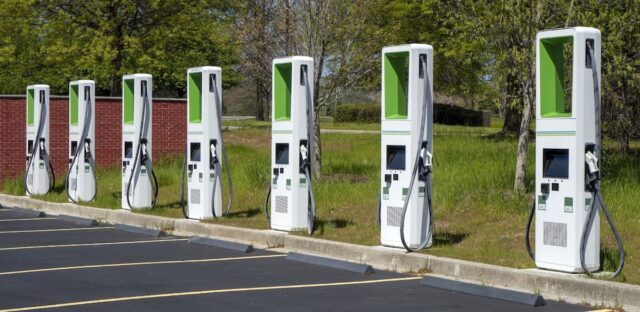
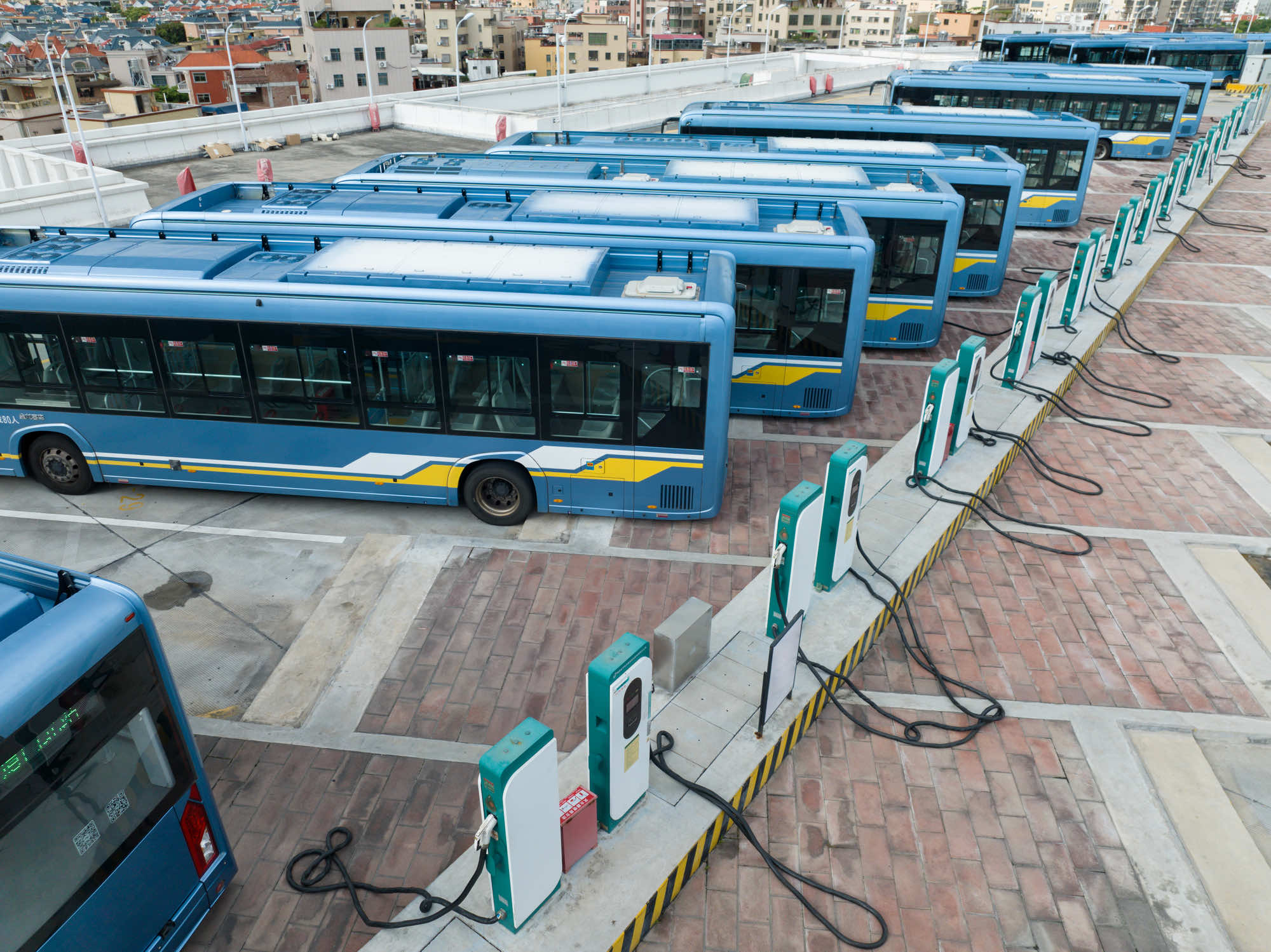
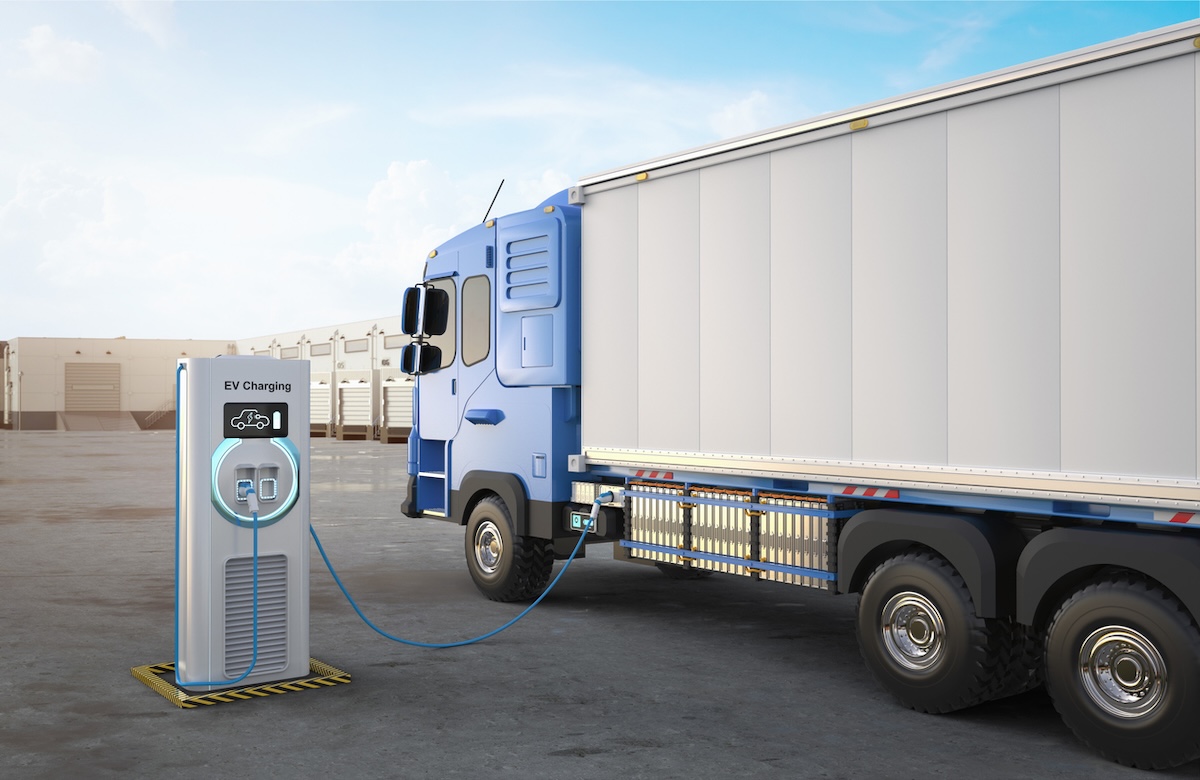
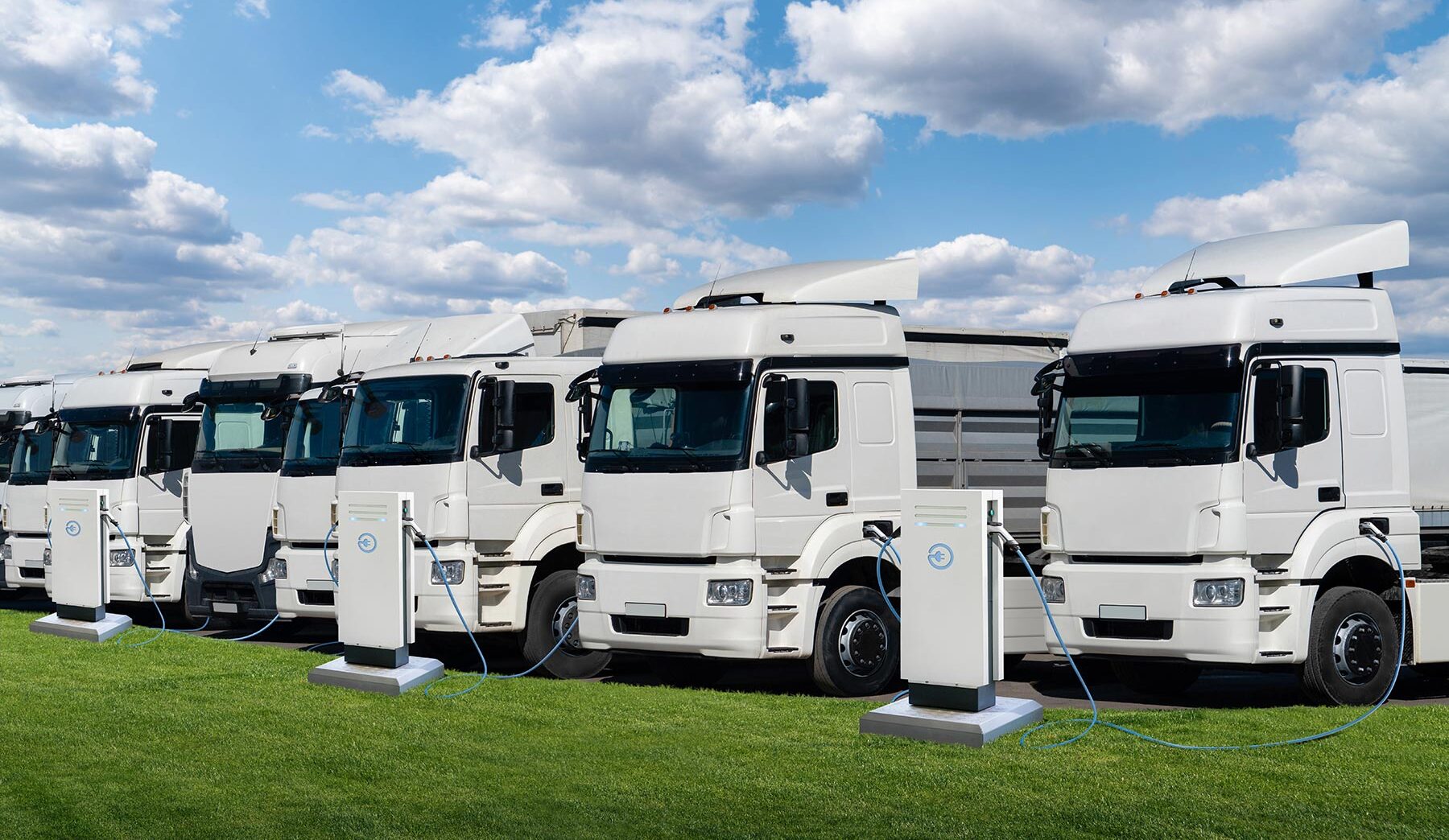
  • Power demand: EV charging can require significant electric power: if unmanaged, Level 2 charging can dramatically increase a home’s maximum power capacity need, while a 10 MW truck charging depot can demand as much power as an NFL stadium, in a small fraction of the footprint. Paired with the rapid development timeline for EV chargers, concentrated charging demand can quickly create distribution grid capacity constraints before utilities can conduct necessary upgrades. 
  • Flexibility and affordability potential: The unique flexibility of EV load presents an enormous opportunity to use the electric grid more efficiently and help manage costs for all customers. Because many vehicles sit parked for long periods of time, shifting charging to periods of excess grid capacity can help balance other electricity demands, unlocking significant cost savings through better asset utilization. 

Planning and investment rigor are crucial to ensure grid preparedness and reliability in today’s quickly evolving and increasingly complex power sector. Decisions must be made using the best available data and methods to ensure we continue to provide affordable, reliable electric power to all customers. This toolkit provides a variety of resources, including articles, reports, and tools, covering effective grid planning strategies and practices for an affordable, electrified transportation future.  

1. Forecasting EV Charging Demand 

EV load continues to grow and will increasingly impact grid planning and operations as more vehicles hit the roads. A central challenge for grid planning is understanding when, where, and at what scale charging demands will emerge. Good EV charging forecasts shed light on these questions and inform key infrastructure and investment decisions.  

TOOL

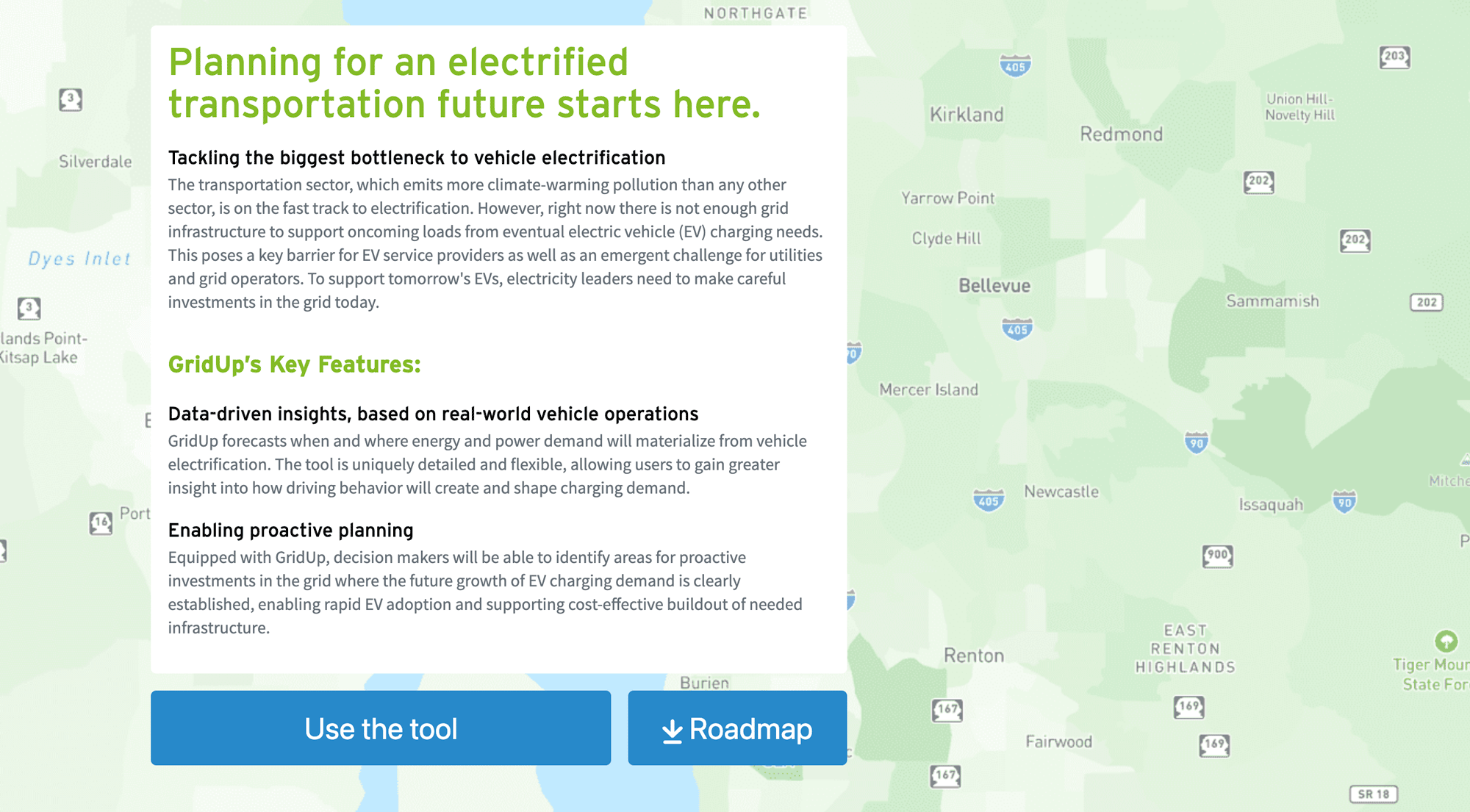
GridUp

GridUp forecasts when and where energy and power demand will materialize from vehicle electrification. The tool is uniquely detailed and flexible, allowing users to gain greater insight into how driving behavior will create and shape charging demand.
EXTERNAL RESOURCE

Washington Transportation Electrification Strategy

Washington State’s Transportation Electrification Strategy outlines a roadmap to accelerate EV adoption, expand charging infrastructure, reduce transportation emissions, and ensure an equitable transition that benefits overburdened communities.
EXTERNAL RESOURCE

Fleet Electrification Outlooks - BGE

BGE projects significant commercial fleet electrification across central Maryland, with EV adoption driven by economics and state policies. Well-planned grid upgrades, managed charging, and targeted infrastructure planning may support growing load while maximizing customer and emissions benefits.
EXTERNAL RESOURCE

Fleet Electrification Outlooks - Pepco

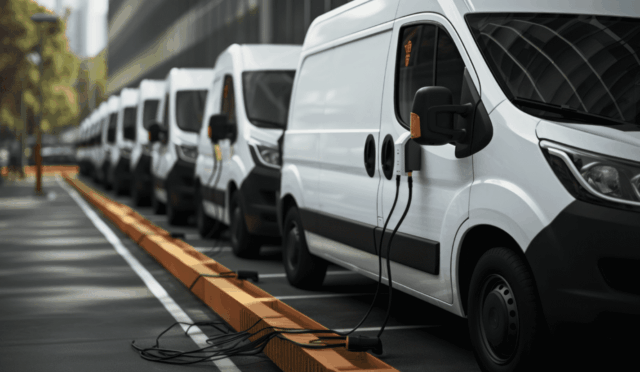
Pepco predicts rapid fleet electrification across DC and Maryland, with EV fleets adding up to 130 MW of peak demand by 2040. Thoughtful grid planning, managed charging, and targeted investments may support growth while reducing emissions and improving public health.
EXTERNAL RESOURCE

Fleet Electrification Outlooks - ACE

ACE projects significant growth in electric transportation across southern New Jersey. Enhanced EV load forecasts help identify future charging demand hotspots, enabling cost-effective grid investments, reliable service, and cost-effective electrification.
EXTERNAL RESOURCE

Fleet Electrification Outlooks - Delmarva

Delmarva projects fleet EV adoption could add 100 MW of peak load by 2030. Enhanced load forecasting supports targeted grid upgrades, identifies the need and scale potential of managed charging, and highlights the emissions reduction potential of EVs.
EXTERNAL RESOURCE

EV Load Forecasting Guide

This detailed guidance document from ESIG outlines how improved EV load forecasting can help utilities and other stakeholders better anticipate where and when transportation electrification will increase electricity demand, enabling more cost-effective grid planning.

2. Grid Infrastructure Investment 

To meet the growing electricity demand from EVs and other sources of load growth, upgrades and investments will be required in both local distribution systems and in further upstream transmission and generation assets. How effectively we anticipate longer-term grid needs and how efficiently we build out the system to accommodate these new demands will affect both the overall cost of meeting rising energy demands and the associated impacts on electricity rates.  

EXTERNAL RESOURCE

CHARGED Proactive Investment Framework

This stakeholder-informed framework explores the key design considerations for developing proactive investment frameworks that meet the distinct needs and goals of different jurisdictions while also balancing risks.

3. Rate Affordability 

Electricity costs are rising across the country, exacerbating broader affordability concerns facing many Americans. Electricity rates are driven in part by distribution system spending, which has increased significantly in the past decade to address grid resiliency, reliability, aging infrastructure, and load growth. Keeping rates affordable will require attention to not only how much infrastructure is built, but also when it is built, how effectively it is used, and how costs and risks are shared across customers.   Targeted, forward-looking grid investment, well-designed cost allocation and recovery strategies, and complementary approaches such as load management can reduce long-term costs and share them equitably between utility ratepayers. States like New York, Minnesota, and Massachusetts are leading the way by exploring different cost allocation approaches for proactive investments.

RESOURCE

Ratepayer Lab

RMI resource hub with tailored assistance for consumer advocates on issues including return on equity reform, securitization, fuel-cost sharing, integrated resource planning, performance-based regulation, customer safeguards, and effective grid planning practices for electric vehicle infrastructure.

4. Load Management  

A key component of managing costs as we expand the grid is taking advantage of the increasingly flexible resources at our disposal. Managing EV and other loads decreases strain on the electricity grid, and if planned for appropriately, can reduce grid infrastructure investment needs. There are many forms of load management — passive approaches such as time-variant rates; active approaches such as direct load control; and the increasingly promising opportunity to streamline energization through flexible service connections. Increasingly leveraging these opportunities will be critical for making the most out of the grid, providing service more quickly to meet customer needs, and helping to manage costs by managing load. 

EXTERNAL RESOURCE

Business Models for Scaling Demand Flexibility

Demand flexibility can help utilities manage growing electricity demand affordably by shifting and reducing load during peak periods, deferring costly grid upgrades, and creating clearer value propositions.

5. Equitable Charging Access 

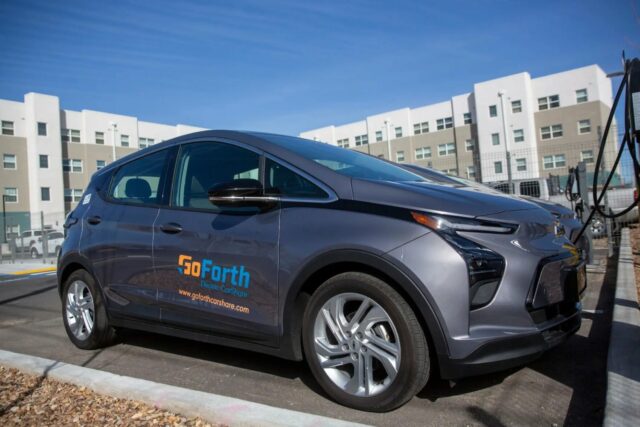
The success of the electric transportation transition hinges on ensuring electric options work for all. Therefore, planning out the grid for increased electrification should happen in tandem with planning for ample charging and electric mobility options across all types of communities.   Access to EV charging can significantly impact a person’s decision to transition to an EV, but many buildings were not built with EV chargers in mind, retrofits can be challenging and expensive, and some people such as renters do not always have the authority to add a charger to their home.  Providing renters, multifamily housing residents, and rideshare drivers access to cost-effective EV charging infrastructure and enabling consistently affordable public charging rates is essential for an equitable electric transportation transition. Solutions to increase charging access can include deploying curbside and pole-mounted charging near multifamily housing and in dense urban areas, establishing electric carshare programs, creating programs to support charger installation at multifamily properties, and ensuring electricity rates enable affordable charging prices even at public locations.

EV Charging For All

Electrifying vehicles in ridehailing services, such as Uber and Lyft, is critical to accelerating the EV transition, creating a profitable investment opportunity for building fast-charging infrastructure, and equitably expanding EV charging capacity for all.

Electric Mobility for All

Motivated largely by concerns over global greenhouse gas emissions, the transportation sector is focusing increasingly on a transition to zero-emissions vehicles. For this transition to be successful, not only from a climate but also from an equity perspective, specific consideration of low- to moderate-income communities is critical.
EXTERNAL RESOURCE

Forth Mobility: Multifamily EV Charging

Resources from Forth showing how technical assistance, planning, and EV-ready building strategies can expand charging access in multifamily housing and reduce future infrastructure challenges.

Help build the clean energy future. Donate today.

Independent research. Real-world solutions. Supported by donors.

RMI can pursue the highest-impact climate and energy solutions because we’re supported by people who believe change is possible. Every gift helps advance the work needed to make clean energy the default choice worldwide.

For other ways to give to RMI, including checks or gifts of stock, please visit Other Ways to Give.