

Learn how we are working to transform how we use and produce energy.

Spring 2026
Impact Report
RMI's vision of a clean energy future commits us to THINK bigger, DO boldly, and SCALE globally.
IMPACT SPOTLIGHT
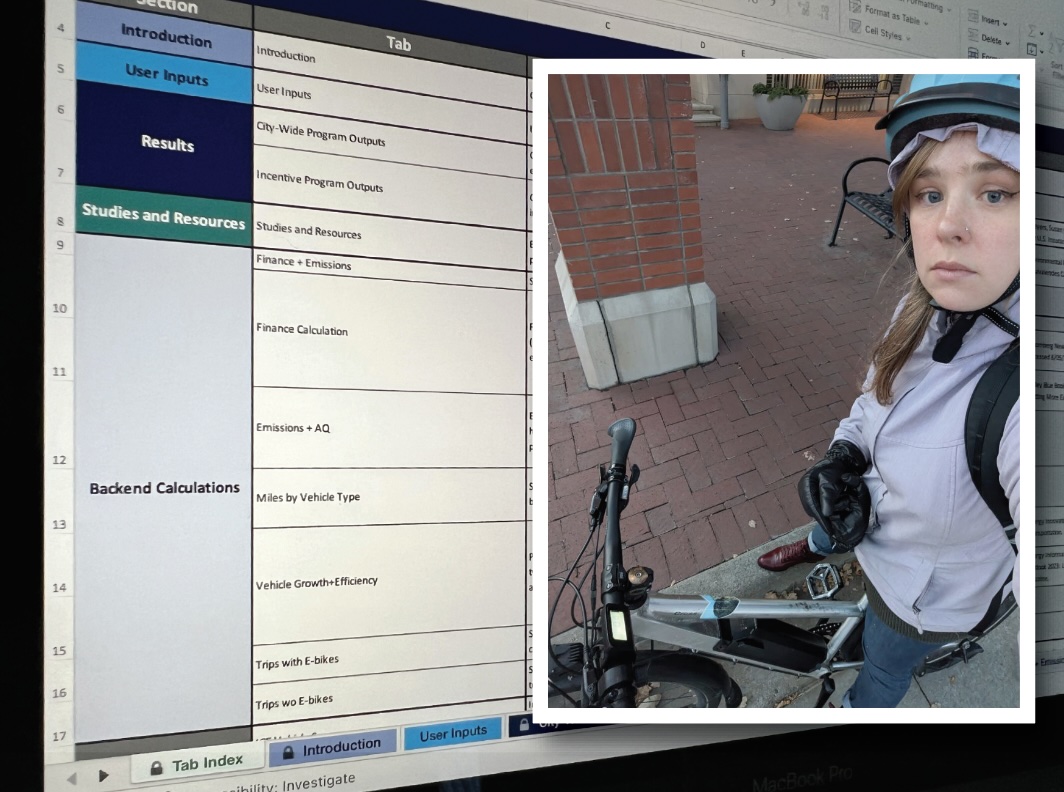
From Idea to Impact: RMI’s E-Bike Calculator
In 2022, as gas prices surged and cities like Denver began rolling out e-bike rebate programs, RMI’s Bryn Grunwald noticed something missing. Policymakers were eager to expand access to e-bikes, but they lacked clear, credible data on what those programs could deliver — for both household savings and emissions reductions.
Without that data, it was difficult to design effective programs or make the case for investment. So, she started building.
Continue reading
RMI program staff spend most of their time on established projects supported by designated funding. But early-stage ideas like this require flexible support. With that backing, Bryn began developing the model in spare moments at work. Driven by her own excitement, she continued building it on her own time at home.
Her early analysis examined everyday travel — quick errands, school drop-offs, short commutes — and explored how e-bikes could realistically replace them.
“I’ve had an e-bike since 2018, and it’s my primary mode of transportation,” Bryn says. “I don’t drive within Boulder — I only bike — so I know it’s a much cheaper, cleaner way to get around.”
The results pointed to meaningful opportunities to cut household costs while reducing pollution.
By 2023, with additional flexible support, that early model evolved into the E-Bike Environment & Economics Impact Calculator. Designed as a public, user-friendly tool, it helps cities, states, and organizations estimate the real-world impacts of e-bike adoption — including cost savings, emissions reductions, and broader community benefits.
The response was immediate. Early traction demonstrated both demand and trust in the tool’s methodology, helping RMI secure dedicated funding so Bryn could focus fully on expanding and strengthening the calculator.
“Flexibility creates space for exploration, enabling our experts to test ideas, refine solutions, and build tools like the e-bike calculator that can scale,” says Ellen Kennedy, a principal on RMI’s carbon-free transportation team. “It’s a critical part of how we move faster on the energy transition.”
Today, the calculator is informing policy decisions across the United States and beyond. Cities like Atlanta and Portland, and states including Colorado and Illinois, are using it to design smarter incentive programs.
In Arkansas, an organization used the calculator to help secure a $7 million grant for e-bike incentives — translating analysis into real investment. National organizations, federal agencies, and international partners are also using the tool, with global interest continuing to grow.
What began as a side project is now helping communities rethink transportation, lower household costs, and reduce emissions — one short trip at a time.
SUPPORTER SPOTLIGHT
“Everyone has an opportunity to be part of the solution… and if you really want to make a difference, RMI is one of the best places to do it.”
— RICHARD KIDD, LONGTIME RMI SUPPORTER AND SOLUTIONS COUNCIL DONOR

For longtime RMI supporter and Solutions Council donor Richard Kidd, that belief is grounded in experience. As a United Nations emergency logistics officer, he saw firsthand how energy access shapes lives — from clean water to medical care to safety. He brought that experience to an RMI effort to design a net-zero refugee camp and was introduced to a new way of thinking: looking at whole systems and expanding problems to unlock better solutions.
Those ideas carried through his career leading energy initiatives across large, complex institutions, and continue to shape his work today. Richard supports RMI because he’s seen how our ideas ripple outward, influencing people and decisions far beyond any single project.
Clean energy starts with you. Donate today.
RMI is a global, independent organization of over 700 diverse experts partnering with a wide range of collaborators to build a clean energy future. As a 501(c)(3) nonprofit RMI generates the vast majority of its support from philanthropy. Make a gift today.
For other ways to give to RMI, including checks or gifts of stock, please visit Ways to Give.

THINK
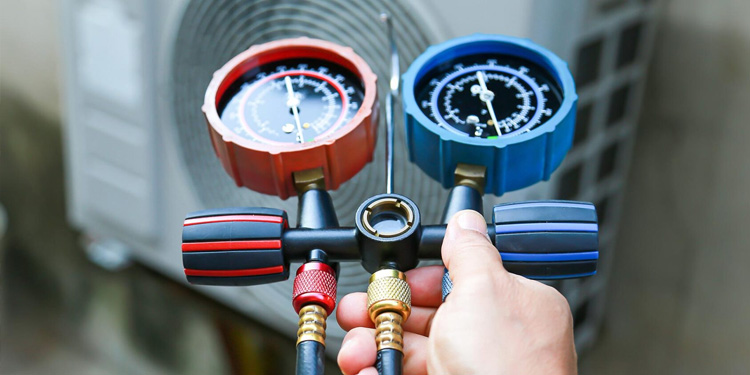
Reclaimed Refrigerant,
Real Results
New research from RMI shows that reclaimed refrigerant, which has been recovered and processed for reuse, performs as well as newly produced refrigerant in HVAC systems. The research highlights that reclaimed refrigerant can be a practical path for contractors and end-users to meet refrigerant needs as supply tightens. It also highlights an opportunity to cut emissions from cooling — one of the fastest-growing sources of global energy demand.

Making Sense of Orphaned Wells
Millions of abandoned oil and gas wells continue to leak methane, posing risks to communities and the climate. RMI’s technical explainer clarifies how carbon credits could help finance efforts to plug these wells and where caution is needed. By outlining quality criteria, market trends, and potential risks, the analysis helps ensure emerging carbon markets drive measurable emissions reductions while maintaining environmental integrity.

Tech to Electrify the Chemicals Sector
Decarbonizing the chemicals industry — one of the world’s most emissions-intensive sectors — will require transforming how materials are produced. RMI’s roadmap identifies six high-potential technologies, including induction and resistive heating, heat pumps, thermal energy storage, and CO₂ electrolysis, and evaluates their readiness, cost, and impact. By mapping technical gaps and investment needs, the analysis provides a clear, coordinated path forward for industry, investors, and policymakers to accelerate innovation and scale low-emissions production.
DO

Empowering Women and Youth in Nigeria’s Clean Energy Transition
In Nigeria, RMI is supporting the Energising Women & Youth in Agri-Food Systems (EWAS) initiative, led by the Global Energy Alliance for People and Planet, to expand access to solar-powered technologies in agriculture. The program equips local businesses with affordable finance, training, and commercial opportunities, enabling young women and entrepreneurs to deploy solutions such as solar irrigation, cold storage, milling, and food processing. By increasing access to reliable power in a largely under-mechanized sector, EWAS is helping boost productivity, reduce losses, and grow incomes, while building local capacity and advancing a more inclusive clean energy transition.

Reliability Explored
RMI’s Reliability Dashboard translates a decade of US utility outage data into clear, actionable insights for regulators and grid planners. Analysis of data from the dashboard reveals that most outages are driven by distribution system issues and extreme weather, not renewable energy growth or electricity supply shortfalls. By making these drivers visible and accessible, the tool helps decision makers better target investments, strengthen grid resilience, and improve customer reliability.
State Permitting Power Tool
Permitting reform is critical to unlocking clean energy deployment, but the policy landscape and challenges can be complex. RMI developed the State Permitting Power Tool to help policymakers and developers navigate this complexity. By synthesizing dozens of resources into a single, user-friendly platform, the tool enables users to identify specific permitting challenges and explore targeted solutions, helping accelerate project development, reduce delays, and bring more clean energy online.
SCALE
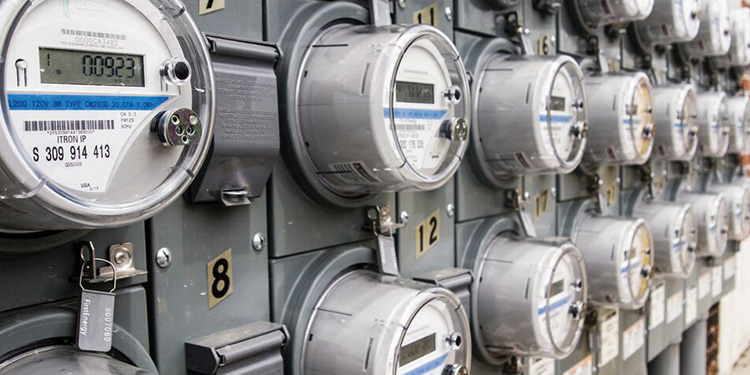
Protecting Households with Utility Disconnection Visibility
Coming out of the COVID-19 lockdowns, states began removing moratoriums on utility disconnections, putting millions of households at risk of losing essential energy access and triggering concern from state public utility commissions and policymakers. However, a significant issue persisted: there was no consistent national data to understand the extent of the disconnections or how to address them effectively.
RMI took action to change that.
Continue reading
In 2022, RMI published preliminary analysis highlighting the disconnection risks facing vulnerable households and the lack of available data. From there, the team continued to work behind the scenes, collaborating with state public utility commissions, consumer advocates, academics, and federal partners to build momentum for better data collection and transparency.
In 2024, RMI submitted formal comments advocating for a new federal data collection initiative through the US Energy Information Administration (EIA). In April 2026, the EIA released the first dataset providing standardized, state-level data on utility disconnections.
Now, for the first time, states and regulators can consistently track disconnections, assess the effectiveness of policies, and compare outcomes across jurisdictions. What was once largely invisible is now measurable and actionable.
Progress like this doesn’t happen overnight. It reflects years of sustained engagement, coalition-building, and technical expertise. RMI’s groundwork lays the foundation for smarter policies that protect households and ensure access to essential energy services.