

Learn how we are working to transform how we use and produce energy.
Why we share this work for free
RMI is an independent nonprofit working to accelerate the clean energy transition. We publish research like this to inform decision-makers and drive real-world impact.
Our work is supported by philanthropy as well as partnerships, including fee-for-service engagements. This support makes it possible for us to share our independent insights for free.
If you find this work valuable, you can support it anytime.
Get more insights like this
Stay up to date with the latest research, analysis, and tools from RMI by opting in to receive occasional emails below. You’ll get new reports, event invitations, and practical insights to help us all accelerate the clean energy transition.
Loading form...
Your download should start automatically. If it doesn’t, click the download button below.
This work is made possible by philanthropy
RMI is a nonprofit supported by donors and partners. Philanthropy enables us to produce independent research and make resources like this freely available.
If you find this report valuable, please consider supporting our work. You can also explore how we partner with organizations to drive impact.
Jump to Section
Peak demand growth exceeding historic projections is one key factor driving challenges for India’s electricity sector. To meet this demand and integrate increasing generation from renewable energy, the country needs to build out sufficient energy storage. India will require at least 60 GW of grid energy storage capacity by 2030, including 42 GW (208 GWh) of battery energy storage systems (BESS), to maintain a reliable and economic power grid.
The Catalysing Energy Storage in India: From Procurement to Reliable powerreport explores the critical facets of energy storage necessary for successful deployment, covering the array of technologies available and their suitable use cases, the value streams and business opportunities for storage projects, and the appropriate procurement and contracting structures to meet the buyer’s needs.
The performance and cost-effectiveness of energy storage technologies vary by use case, with each technology suited to specific grid services depending on parameters like discharge duration, round-trip efficiency, and energy density. Selecting the appropriate storage technology depends not only on performance metrics but also on life-cycle economics and supply chain considerations. The Indian power sector has an opportunity to scale up lithium-ion battery deployment to meet short duration storage needs in the near term, while actively supporting domestic manufacturing and accelerating early pilots in alternative storage chemistries for longer-term sector independence and cost reduction.
For DISCOMs and other procuring entities, meeting daily evening peak demand is a critical need driving procurement. DISCOMs have explored a number of contract structures for hybrid systems or stand-alone battery energy storage systems, including firm and dispatchable renewable energy (FDRE), and round-the-clock (RTC) agreements. Selecting the right procurement pathway depends on a combination of need assessment, economic viability, risk appetite, and contract complexity. Stand-alone storage projects provide high levels of flexibility for DISCOMs, particularly those with a need for additional power capacity, but may involve higher risk and responsibility for the DISCOM to manage project development and operation.
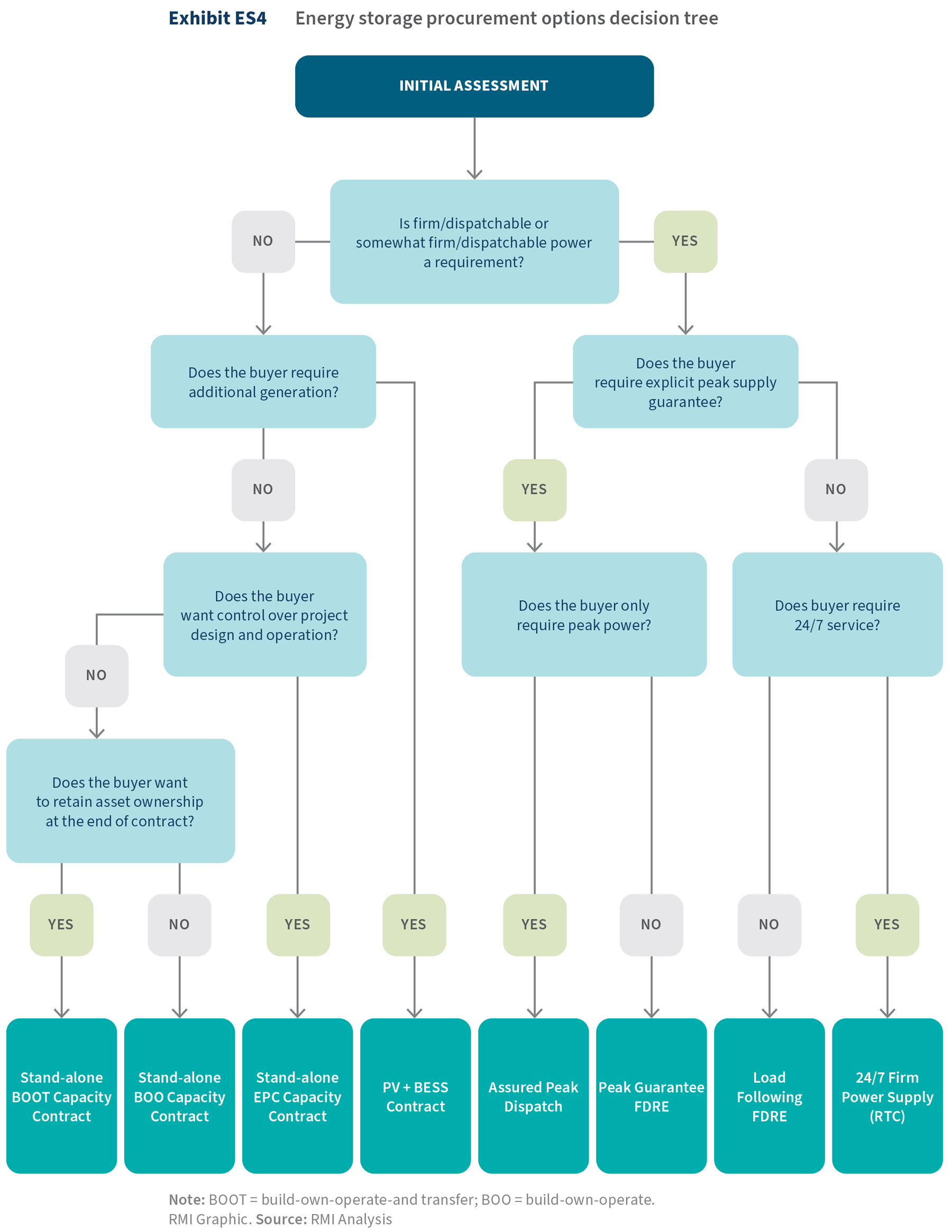
India needs to develop new regulatory frameworks and business models as it shifts from improving electricity access to improving quality of electricity service and reliability. The Government of India has taken important initial policy and regulatory steps, but rapid deployment will require further actions to operationalize the regulatory framework. Greater access to markets and improved visibility into market values can help project planners and system integrators better understand the battery economics.
DISCOMs have a unique opportunity to play a role in integrating energy storage into their portfolios. These actions are the next steps in improving the conditions for deploying innovative technology solutions that will help India become a global leader, successfully integrate renewables to meet growing demand, and provide a model of energy transition to the world.
Authors

Benny Bertagnini
Senior Associate
Sonika Choudhary
Principal
Jesse Cohen
Senior Associate
Mark Dyson
Managing Director
Genevieve Lillis
Manager
Ananya Chaurey
Jagabanta Ningthoujam
Amogh Thatte
Related Insights
India’s Used EV Battery Market Needs Trust. Battery Aadhaar Can Help.
Help build the clean energy future. Donate today.
Independent research. Real-world solutions. Supported by donors.
RMI can pursue the highest-impact climate and energy solutions because we’re supported by people who believe change is possible. Every gift helps advance the work needed to make clean energy the default choice worldwide.
For other ways to give to RMI, including checks or gifts of stock, please visit Other Ways to Give.