The Interconnection Queue Continues to Be a Barrier to American Economic Competitiveness
Untapped solutions that can streamline processes and speed up generator interconnection timelines.
An affordable, reliable, and clean US energy future is within reach — but we must choose to build it. We must invest in our electric grid and leverage competitive markets to both meet rapid load growth and keep bills affordable.
At RMI, we believe that collaborative grid planning and competitive interconnection will allow the United States to build the most cost-effective electricity system. Competitive markets will then allow Americans to reap the benefits of a modernized grid, including investments in advanced transmission technologies and flexible generation and load.
In our work, we grapple with complex grid challenges through a combination of a deep understanding of grid physics and extensive experience convening diverse stakeholders.
We are working to increase the speed and fairness with which we connect new generation and load to the US grid. Our recent reports have quantified the cost and time savings of interconnection interventions at the intersections of policy, technology, and regulation.
Untapped solutions that can streamline processes and speed up generator interconnection timelines.
Overlooked interconnection improvements are key to alleviating PJM’s cost and capacity crises.
An analysis of grid-enhancing technologies (GETs) as network upgrades to accelerate the interconnection of projects in PJM’s queue.
We work to identify structural challenges and provide practical solutions to improve how we plan, pay for, and permit transmission. We also work directly with regulators, utilities, and industry to support regional and interregional transmission planning, cost allocation, advanced transmission technologies, and permitting. Our recent work includes:

Examples of Energy Zones that serve as a tool for coordinated planning, siting, and permitting of generation and transmission infrastructure.
Resources to help energy developers and utilities engage meaningfully with communities to support strong partnerships and derisk investments.
A handbook for US state regulators on how to advance proactive transmission buildout to reduce costs for ratepayers.
A regulatory gap has led to a costly shift in utility investment to local transmission assets, putting the energy transition at risk.
Large-scale transmission projects deliver significant cost savings to American consumers and businesses.
Structured methodologies for incorporating advanced transmission technologies, prepared by Danovo Energy Solutions
How corporate action can spur the acceleration of alternative transmission technologies beyond initial deployments.
An RMI fact sheet and flowchart summarizing the Federal Energy Regulatory Commission’s Regional Transmission Planning and Cost Allocation Rule.
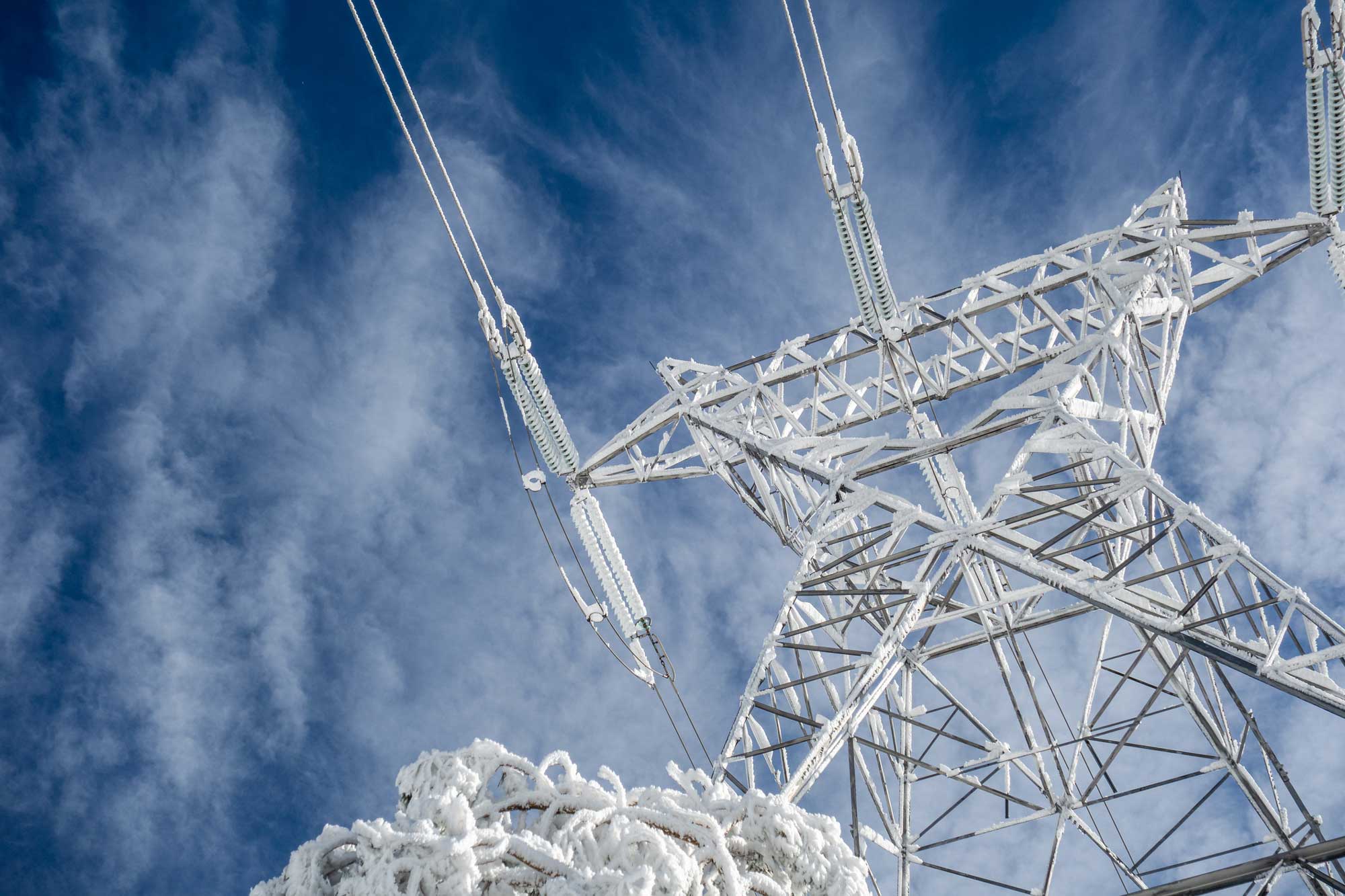
How stronger transmission and modernizing the grid could reduce outages, lower costs, and protect communities during extreme weather.
Our market design efforts provide analysis and recommendations to support reforms that increase competition, ensure reliability, and leverage economics to support public policy goals. Our previous engagements have focused on PJM and its capacity market as well as how to best integrate large loads into our existing systems.

Designing large load tariffs with strong safeguards can reduce the risk of cost shifting, but adoption of them varies.
How Bring-Your-Own and Clean Transition Tariffs could meet the energy needs of large customers while reducing risks for other ratepayers.
Spurred by state decarbonization policy, strong customer demand, and rapidly improving technology, carbon-free energy is playing a growing role in PJM, the United States’ largest wholesale electricity market.
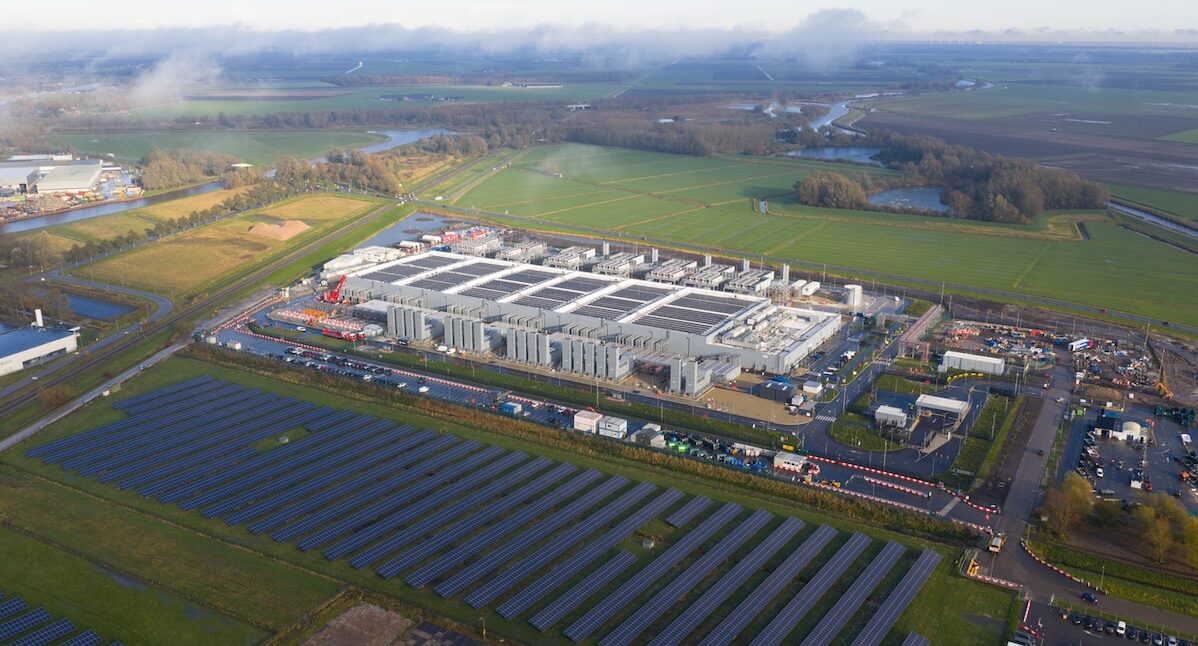
Due to their growing power demand, data centers can set a precedent for how to handle load growth in a way that supports the grid and ensures reliable, resilient, carbon-free electricity.
The United States could replace 100% of its coal generation with renewables, storage, and demand-side management while maintaining reserve margins.
Assessing the costs and emissions impacts of hourly carbon-free energy procurement strategies.
A handbook for US state regulators on how to advance proactive transmission buildout to reduce costs for ratepayers.
A downloadable spreadsheet with a list of all major reports on transmission going back to 2004.
Regional transmission pays off big-time. So, why aren’t utilities building it?
Large-scale transmission projects deliver significant cost savings to American consumers and businesses.
A regulatory gap has led to a costly shift in utility investment to local transmission assets, putting the energy transition at risk.
The new FERC rulemaking creates valuable opportunities for PJM to strengthen its current draft long-term regional transmission planning proposal.
An RMI fact sheet and flowchart summarizing the Federal Energy Regulatory Commission’s Regional Transmission Planning and Cost Allocation Rule.
Elevate your skills and knowledge to build the clean grid of the future through RMI’s transmission fellowship program.
Today, Western states have the chance to make transformative investments that will unlock incredible economic opportunities enabled by new energy.
An analysis of grid-enhancing technologies (GETs) as network upgrades to accelerate the interconnection of projects in PJM’s queue.
PJM’s proposed long-term regional transmission planning marks a new way forward. How much it will deliver is still uncertain.
Grid-enhancing technologies could increase grid transmission capacity at a low cost. New DOE funds make that opportunity even more attractive.
The value of interregional transmission has been studied for decades. Now we need help building it.
FERC’s rulemaking takes us only part of the way to effective and efficient interconnection.
Four strategies utility regulators can use to accelerate new renewables interconnection.
PJM utilities have increased their spending on transmission in recent years but more so on low-voltage projects that don’t advance large-scale grid decarbonization.
More wind energy and interregional transmission could have mitigated the impacts of rolling blackouts experienced during Winter Storm Elliott.
The US electric grid is fragmented into independent grids and transmission planning regions, which poses a threat to reliability, especially during increasingly frequent extreme weather events.