


Looking for more?
Explore other RMI resource hubs on related topics:
Dive right in and go straight to all affordability resources
Energy affordability is a top concern for households across the United States, with a recent survey finding that over one-third of households reduced or went without basic necessities like food or medicine to pay an energy bill during the last year. The costs of electricity, heating fuels, and transportation fuels — along with the volatile and unpredictable nature of many of these costs — are straining budgets, especially for low- and moderate-income households that already spend a disproportionate share of their income on energy.
Fortunately, a variety of solutions can improve energy affordability. This hub brings together resources from RMI and other organizations that can help decision-makers understand the drivers of the affordability challenge and the tools available to address it across the electricity, buildings, and transportation sectors.
For the average American household, a little over half of energy expenditures go to gasoline, about a third to electricity, and the remainder to home heating fuels. Energy costs within those categories are shaped by multiple factors, including utility investments, fuel price volatility, inflation, housing and transportation patterns that lock in energy use, and the availability of cost-saving incentives and financing options. Understanding these drivers helps identify where interventions can be most effective.
RMI's Affordability Hub can be filtered by characteristics like sector, solution, and decision-maker to help users quickly find insights relevant to them.
A framework for solutions
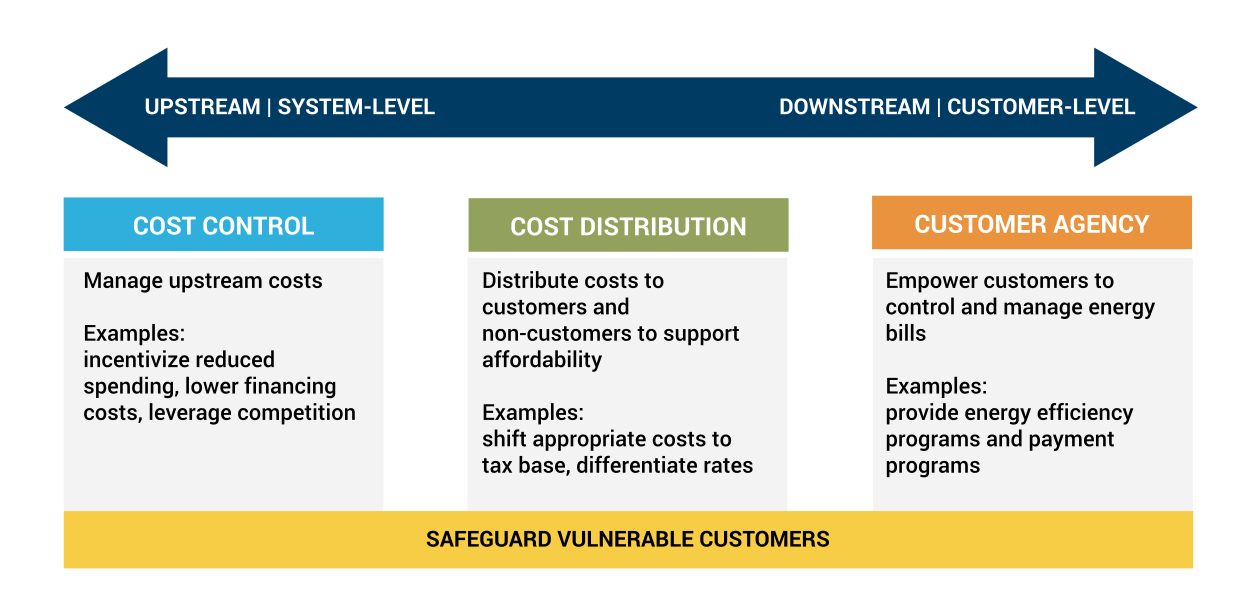
Addressing residential energy affordability requires a portfolio of solutions that promote cost control, cost distribution, and customer agency:
Across these three solution sets, safeguards protect low- to moderate-income households from undue energy burden.
The hub allows users to develop effective strategies by organizing resources according to this solution framework.
Explore other RMI resource hubs on related topics:
Discover key resources that offer valuable insights and practical guidance for energy decision-makers.
Improving affordability requires coordinated action across state and local governments, regulators, utilities, and businesses. Legislatures and public utility commissions develop and implement policies and rate structures; utilities manage investments and customer programs; and businesses provide and pursue solutions. This section allows users to filter resources by decision-maker type to make it easy to find the affordability resources most appropriate for them.
Explore foundational data resources and tools below that help advance energy affordability solutions.
How to cut your car expenses 40-65 percent.
US utilities are building $1.4 trillion worth of new infrastructure over the next five years. But can they do so without sending up prices? There are ways to better match the increasing demand for electricity…
As people throughout the United States worry about the cost of energy, it’s time to solve the problem.
A service line non-pipeline alternative program can reduce utility costs, support electrification, and give customers more choice in their energy future.
With growing demand, faster adaptive planning can prevent costly overbuilds, missed investments, and delays that slow the clean energy transition.
Designing large load tariffs with strong safeguards can reduce the risk of cost shifting, but adoption of them varies.
Unlocking the capacity of virtual power plants can help big tech power data centers, fast.
As LIHEAP funding stalls, millions face energy insecurity; PUCs act to prevent shutoffs and protect struggling families.
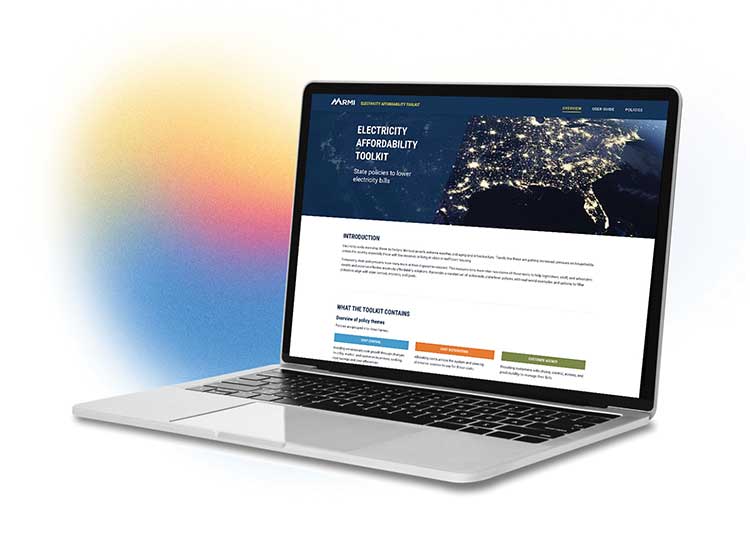
This toolkit offers more than two dozen resources to help legislators, staff, and advocates identify and advance effective electricity affordability solutions.
With state legislators passing new advanced transmission technologies laws, the ball is now in the hands of regulators.
Protecting vulnerable utility customers through proven programs reduces energy bill debt and reduces system-wide costs.
As Florida’s largest municipal utility plans to build a new gas plant, changes over the past two years warrant a new look at options to meet residents’ energy needs.
Every western state relies on and supports its neighbors, making regional transmission the backbone of a reliable and affordable grid.
In remote Kotzebue, Alaska, wind and solar provide peace of mind…
Batteries can support grid affordability and reliability — if only grid planners would let them.
Utility energy efficiency programs are shifting as states update policies and markets evolve. Instead of funding gas appliances like furnaces and water heaters, more states are investing in weatherization and beneficial electrification to cut emissions,…
Eight states are starting to phase out gas line extension allowances, saving up to $750 million in utility bills annually.
RMI’s latest report provides policy options to reduce the risks and impacts of electricity shutoffs.
A range of clean, resilient solutions can help us meet the electrical needs of our growing digital economy while saving Americans money.
Performance incentive mechanisms are evaluated differently across the United States. Part 1 of this two-part series looks at how it's handled in the Northeast.
The second part of a two-part series, we offer recommendations for regulators from our research on performance incentive mechanism evaluation.
Key Insights Data center operators are ready to invest in efficient, flexible, and low-cost energy sources that can mitigate stranded asset risks for utilities and keep ratepayer costs in check. Data centers use just 2%…
Economic dispatch and clean repowering can help transition away from coal, maximizing reliability while continuing to support energy communities.
EV purchases are rising, costs are decreasing, and battery technology is improving.
How to boost mobility access, affordability, and activity in your community by lowering the cost of owning an electric bicycle.
How the Renewables Investment for Social Equity (RISE) program expands solar access in underserved communities…
As electricity prices rise, we offer recommendations for governors seeking to provide near-term relief for customers and lower system costs in the long run.
With long waitlists for gas plant turbines, electricity demand growth will require faster, cost-efficient solutions for a more flexible grid.
RMI's Energy Poverty Policy Simulator can help lawmakers, regulators, and energy sector stakeholders chart a path to end energy poverty.
This resource helps states identify and design effective actions to promote a reliable, affordable, and clean electricity system.