





Learn how we are working to transform how we use and produce energy.
Clean Industrial Hubs
Tackling Emissions in the Hard-to-Abate Sectors
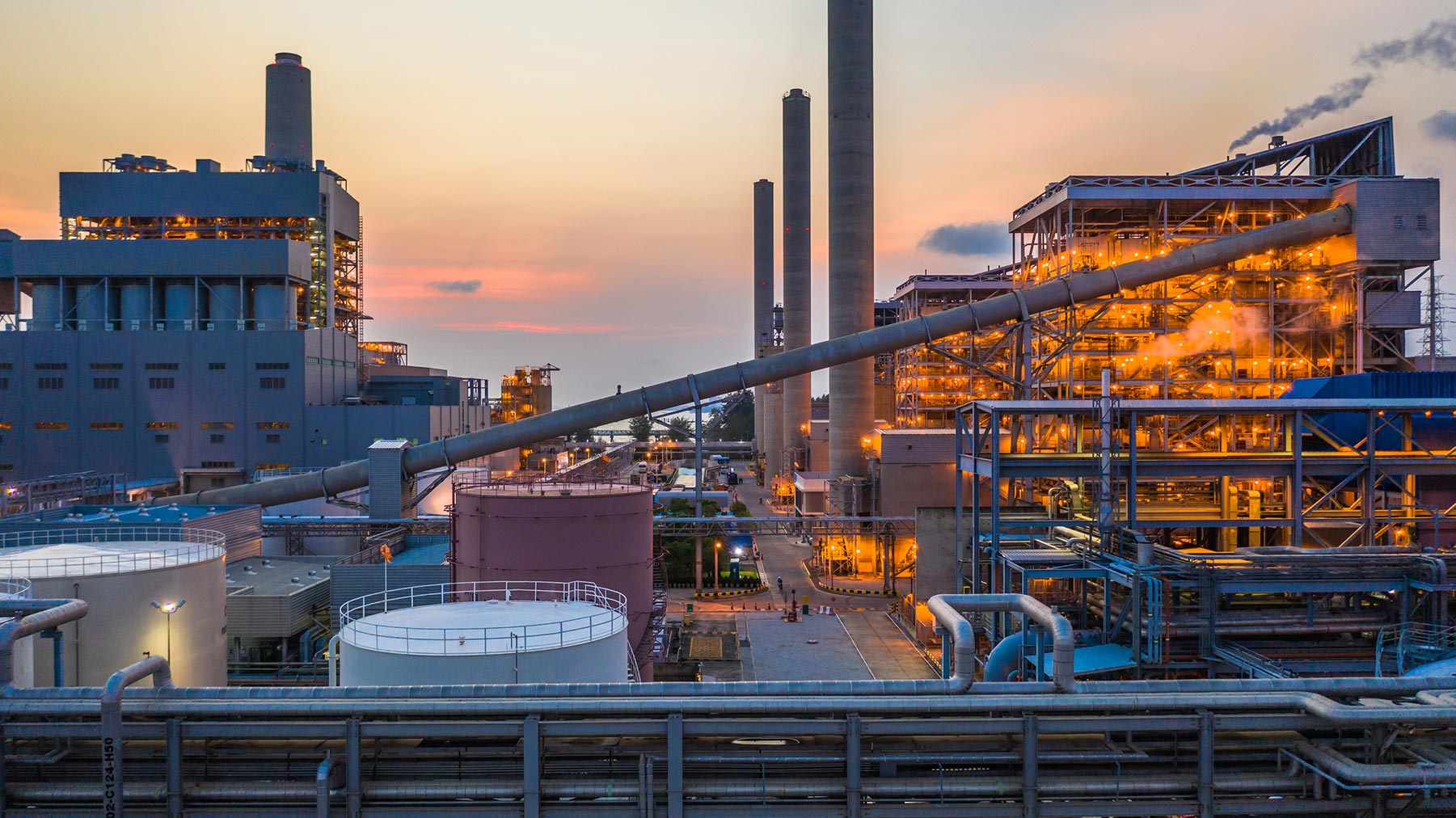
Heavy industry and transport, which include cement, steel, aluminum, chemicals, aviation, shipping, and trucking, account for 23 percent of US greenhouse gas emissions and 30 percent of global greenhouse gas emissions. Meeting international decarbonization targets requires building more than 700 net-zero industrial projects by 2030 and purchasing 7 million zero-emissions trucks by 2030. Most of these projects will occur in regional industrial hubs where the physical, social, regulatory and economic infrastructure is in place to support rapid scale up. However, while hundreds of projects have been announced since 2022, as of April 2024 only 68 net-zero aligned plants are online, and another 42 projects have reached a final investment decision (“FID”). That means there are only five years left for 600 industrial decarbonization projects to be built.
Clean Industrial Hubs – A Regional Approach
That’s why RMI and Mission Possible Partnership (MPP), in collaboration with the Bezos Earth Fund, are working to create clean industrial hubs. Clean industrial hubs bring together project developers, policymakers, financial institutions, and community-based organizations to support regional clusters of industrial decarbonization projects.
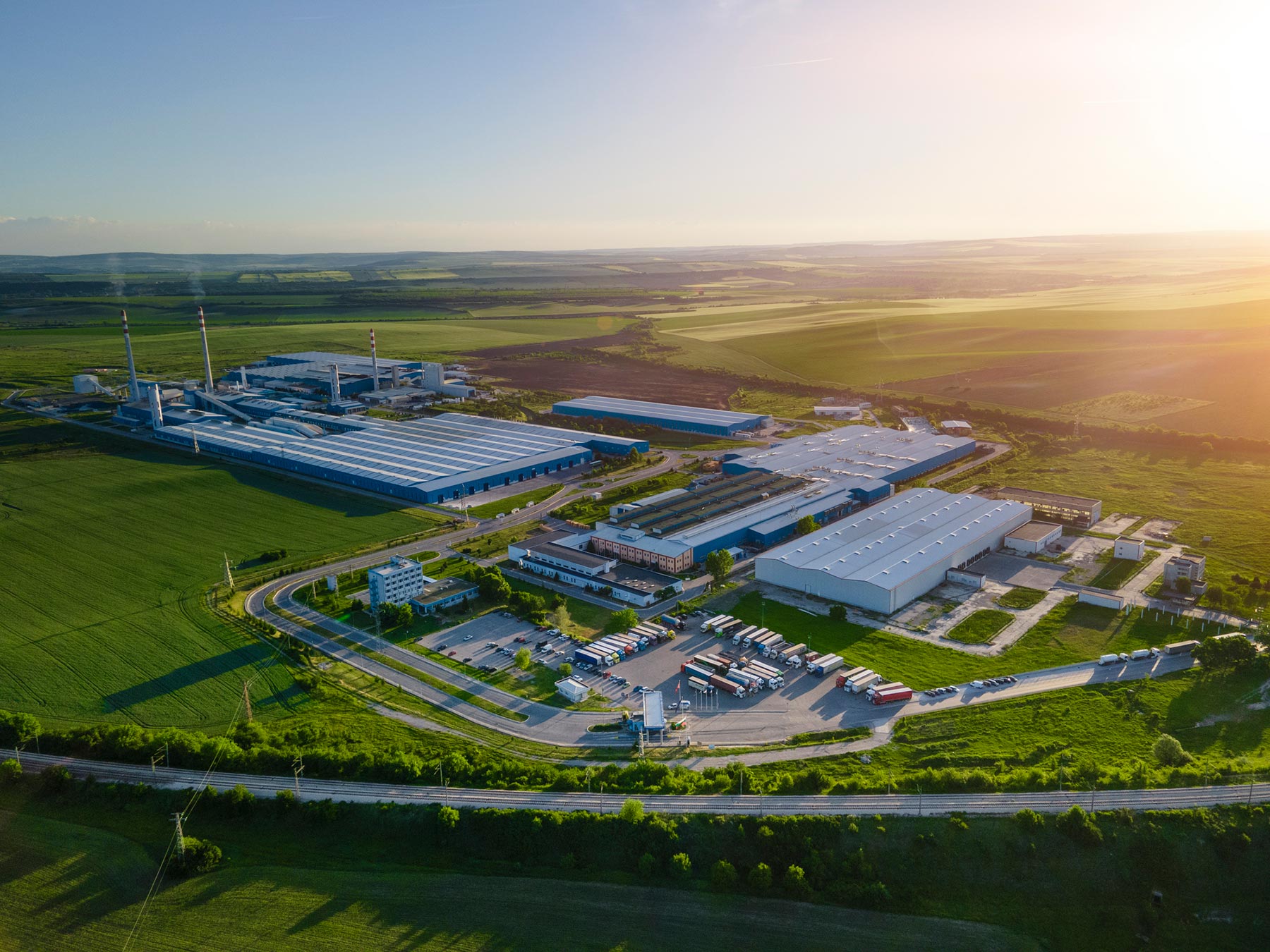
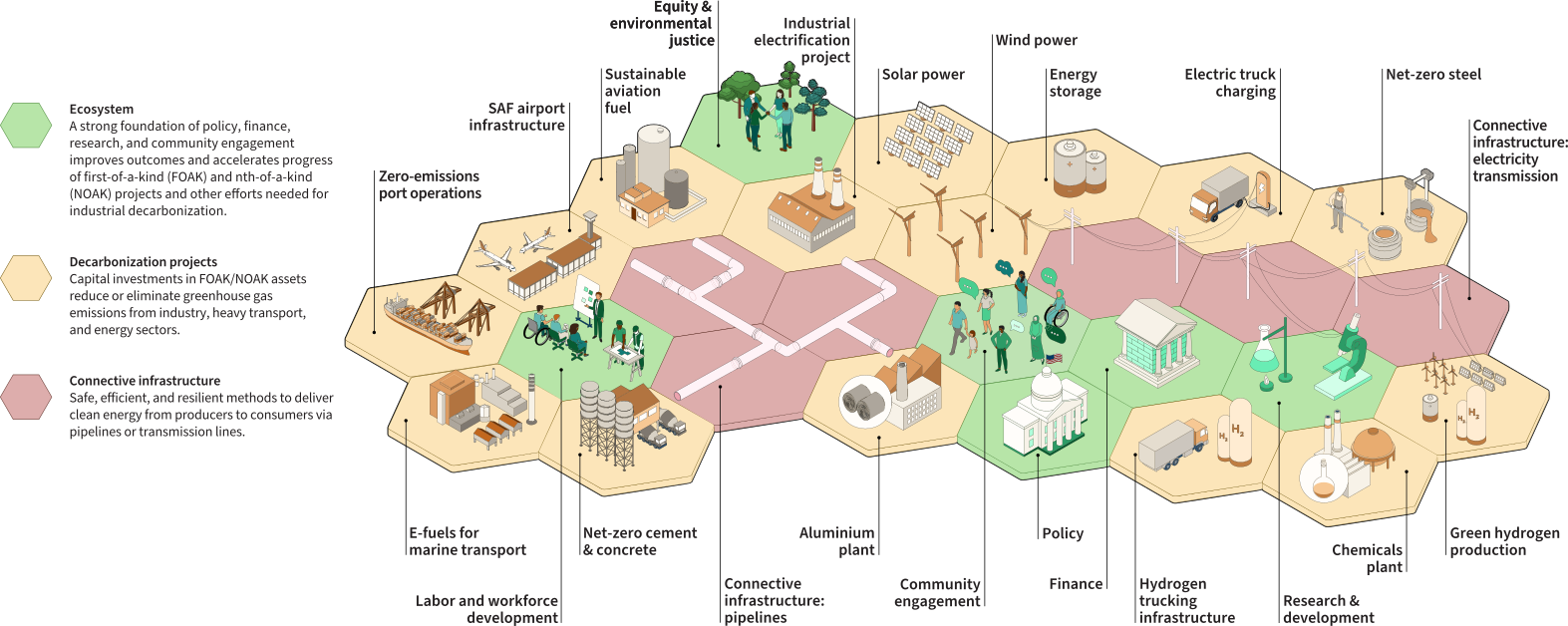
Our regional-based approach to industrial decarbonization brings together industrial assets with social infrastructure – a hub – leveraging first-of-a-kind and other cutting-edge projects to achieve economies of scale and tipping points for decarbonization. Our hubs support model concentrates efforts in a defined geographical region through a two-pronged approach of (1) supporting decarbonization projects combined with (2) building an overall ecosystem of subnational policy, finance, infrastructure, and community engagement to improve outcomes and accelerate progress.
A hubs approach ensures replicability of projects at sufficient scale and provides a framework for similar interconnected initiatives in future and additional geographies. The approach also ensures focused attention from regulators, communities, and broader civil society on the coordinated development of individual projects needed to make a hub successful.
We’re Starting in California and the Texas Gulf Coast
RMI and MPP, in collaboration with the Bezos Earth Fund, supported the acceleration of clean industrial hub development in Southern California and the Texas Gulf Coast.
Developing Enabling Ecosystems for Industrial Decarbonization
Policy
RMI leverages its extensive experience at both state and federal levels to study the impacts of policy and regulatory environments on industrial decarbonization projects. Our policy team has experience developing tools for project developers to evaluate available incentives across a wide variety of state and federal programs, as well as experience evaluating and identifying areas for potential improvement of industrial facility permitting and midstream carbon dioxide and hydrogen infrastructure across both Texas and California. The team contributes its findings via thought leadership, convenings and support to other programs within RMI.
Finance
RMI works with financial institutions and project sponsors to reduce the cost of capital for first-of-a-kind clean industrial projects, with an initial focus on project finance for hydrogen in the US Gulf Coast. Our work involves 1) increasing the supply of capital by widening and deepening investor engagement in the hydrogen market and 2) increasing demand for capital by sharing insights from financial institutions with project sponsors to improve asset-level bankability. Our team conducts bespoke research, facilitates multi-stakeholder convenings, and runs “project finance roadshows.”
Community Engagement
The Community Engagement team leads bespoke capacity-building trainings and workshops on strategies and best practices to embed equity and inclusive, two-way community engagement in decarbonization efforts by clean energy and infrastructure project developers. Our experts have authored innovative analytical tools and thought leadership to advance best practices and learnings from recent energy and industrial projects for advancing responsive and meaningful community benefits plans and agreements. The Community Engagement team also facilitates multi-stakeholder convenings for meaningful, inclusive engagement with community-based organizations (CBOs), frontline and fence-line communities, Tribal entities, labor groups, and low-income, BIPOC communities that have been disproportionately overburdened by legacy pollution and historic underinvestment.
Industrial Electrification
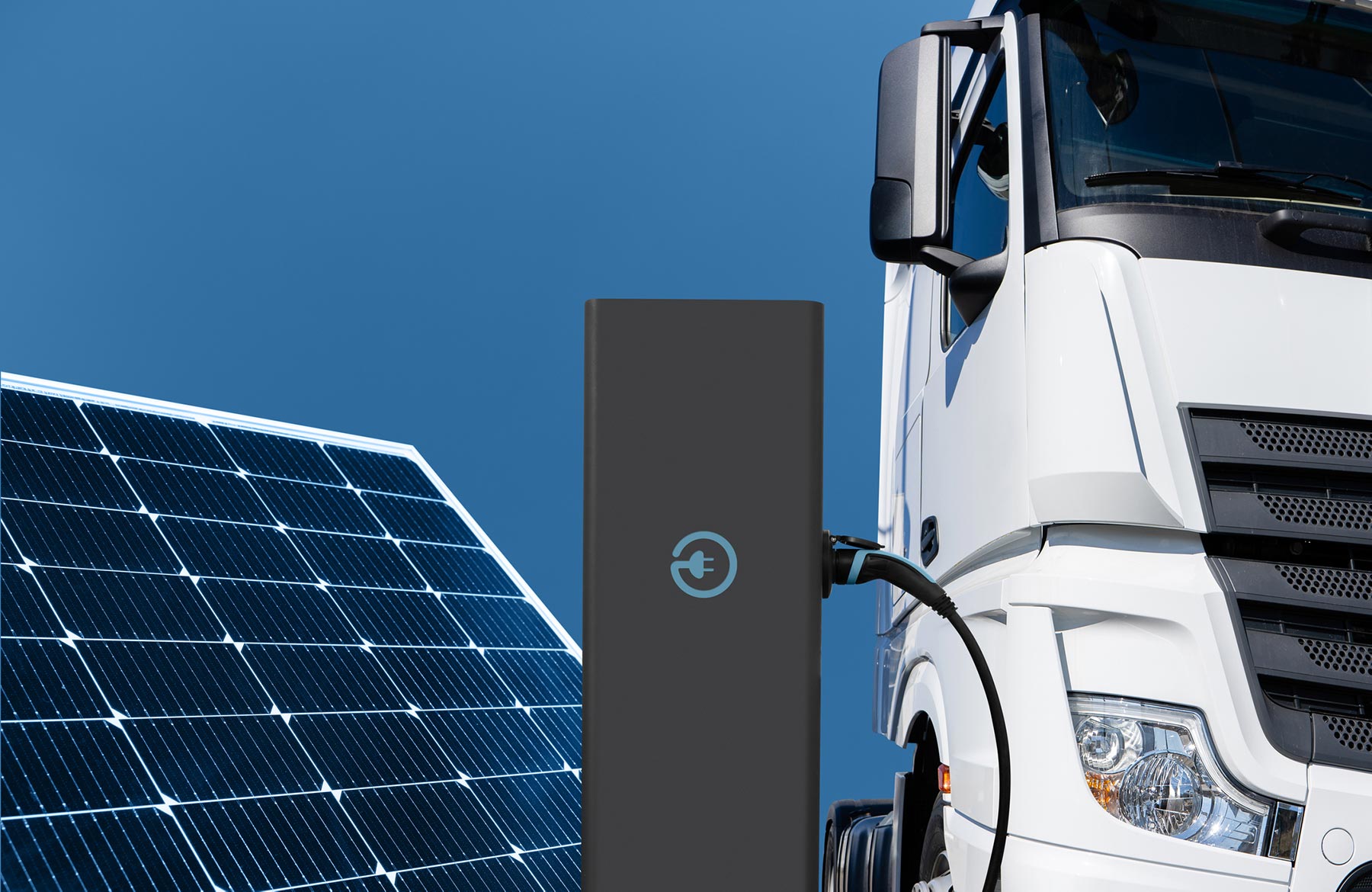
As a prominent lever for industrial decarbonization, electrification of industrial facilities plays a large part in RMI’s strategy for achieving emissions reductions across facilities ranging from port terminals and steelmaking facilities to buildings and transport. Our teams work cross-functionally with RMI’s other programs to consider clean energy availability needed for increased power baseloads associated with decarbonization of heavy industry and the broader regional economy.
Midstream Infrastructure (Pipelines, Transmission)
RMI is assessing the regulatory and built infrastructure landscapes of hydrogen and carbon dioxide midstream networks across the western and Gulf Coast regions of the United States for demand optimization. Our teams have mapped regulatory requirements, potential production and demand centers, and proposed infrastructure to enable hubs connectivity within and between regions.
First-of-a-Kind and Next-of-a-Kind Project Support
RMI works with project developers to catalyze ambitious industrial decarbonization projects reaching a final investment decision (FID). Our work focuses on reducing emissions from aviation, shipping, trucking, cement, and steel by scaling clean hydrogen, e-methanol, e-ammonia, SAF, and electrification. Our team supports project developers with techno-economic analysis, decarbonization pathways modeling, stakeholder convening, policy analysis, and financial modeling.
Tools
Stakeholder Analysis and Mapping Tool (S.A.M.)
Global Project Tracker
Resources (Blogs, Videos, and Articles)
RMI is developing resources including blogs, videos, and articles to support project developers, policymakers, financial institutions, and community-based organizations advance industrial decarbonization projects.
California Dreamin’ on Earth Day
In Houston, We Have a Solution
Consult, Communicate, Collaborate
Mapping the Path to Industrial Decarbonization
Four Ways to Jump-Start Clean Hydrogen Finance in 2025
Unraveling Willingness to Pay for Sustainable Aviation Fuel
The Case for Placing Drayage Truck Chargers Away from Ports
Five Lessons for Industrial Project Finance from H2 Green Steel
Partners
Help build the clean energy future. Donate today.
Independent research. Real-world solutions. Supported by donors.
RMI can pursue the highest-impact climate and energy solutions because we’re supported by people who believe change is possible. Every gift helps advance the work needed to make clean energy the default choice worldwide.
For other ways to give to RMI, including checks or gifts of stock, please visit Other Ways to Give.