

Learn how we are working to transform how we use and produce energy.
Managing Methane in the Waste Sector
Waste Sector: Methane Emissions Flying under the Radar
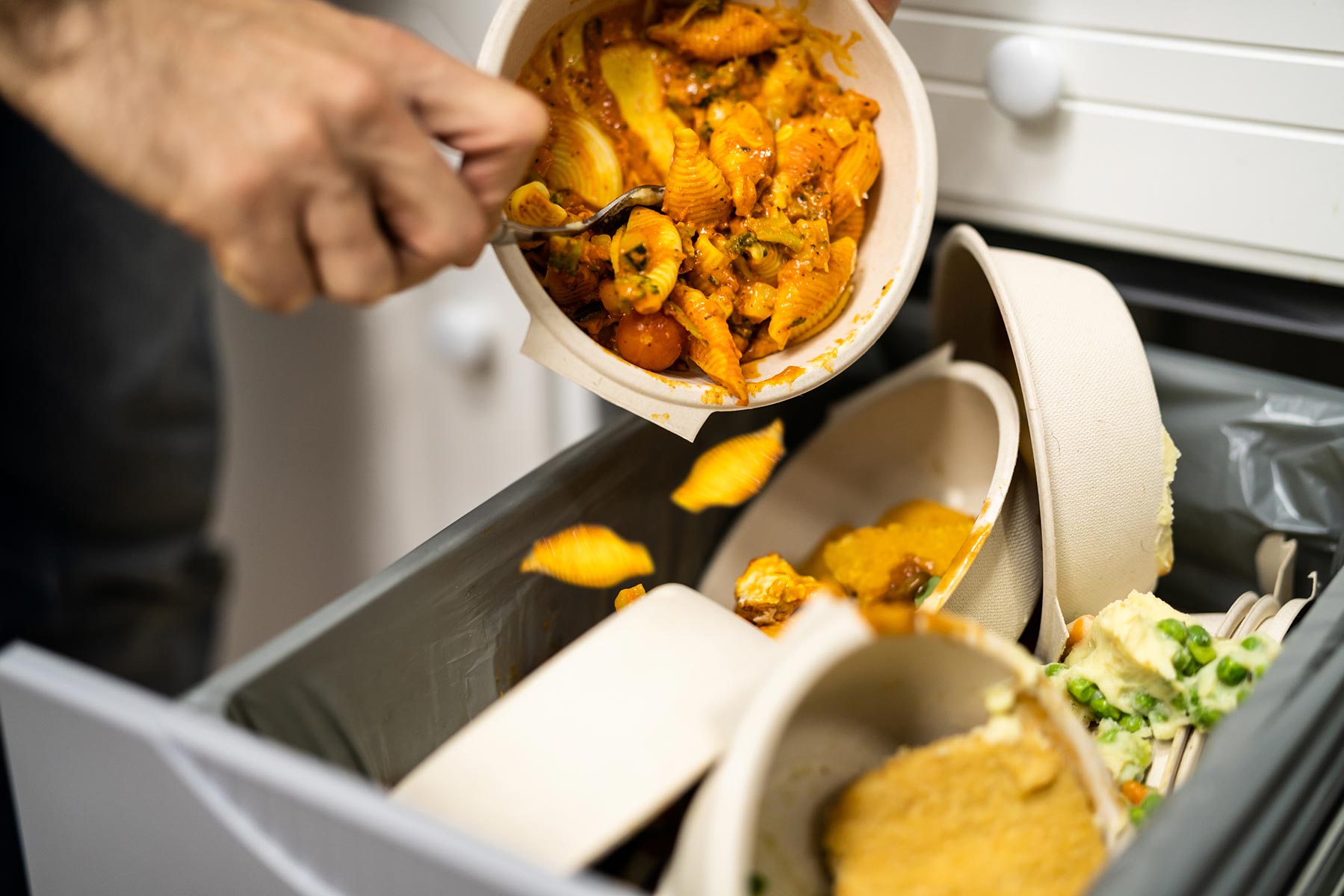
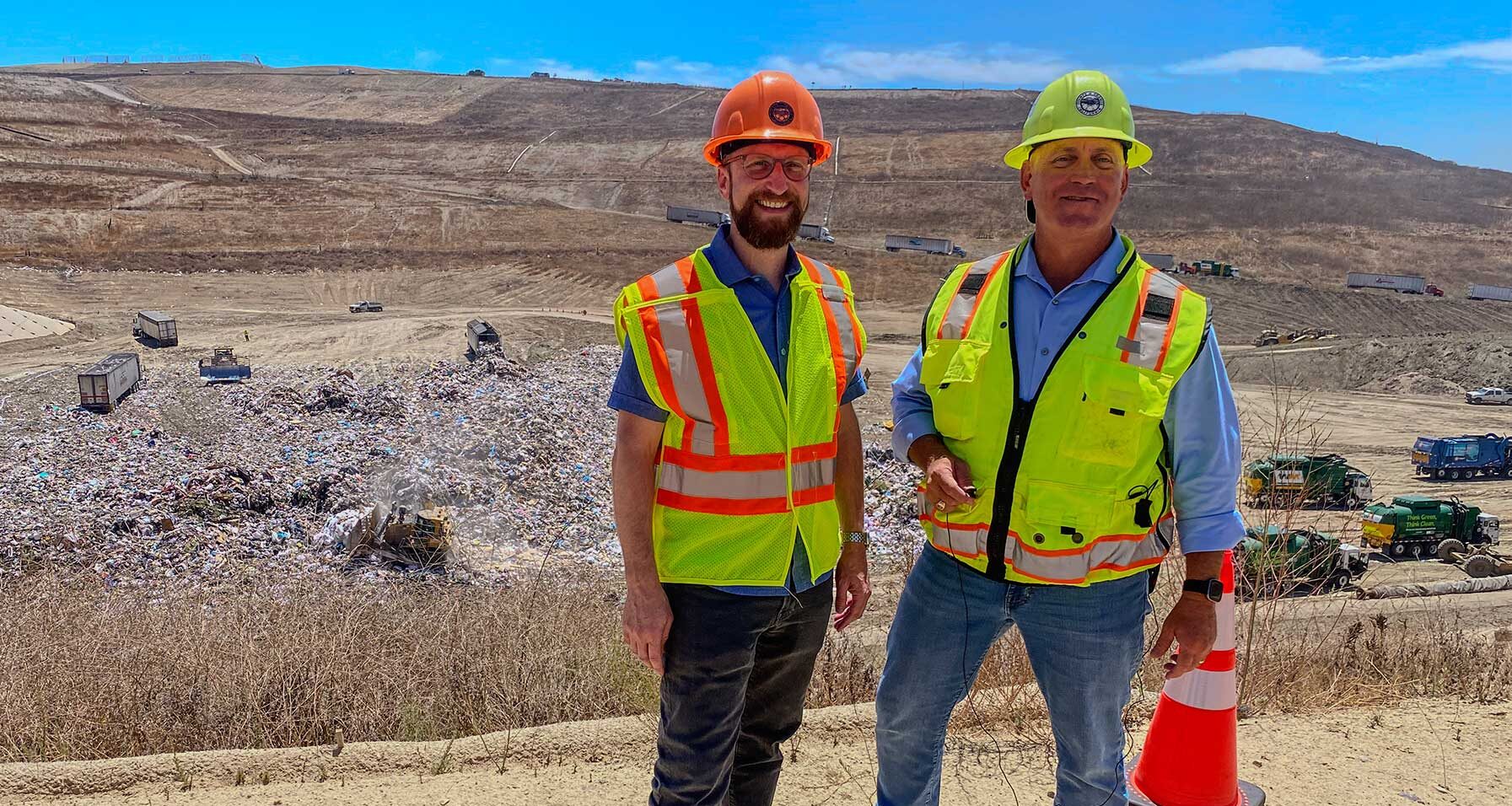
Did you know your household waste is a major contributor to climate pollution and warming? You are probably familiar with trash polluting our waterways and parks, but it has consequences beyond what we can see in our environment.
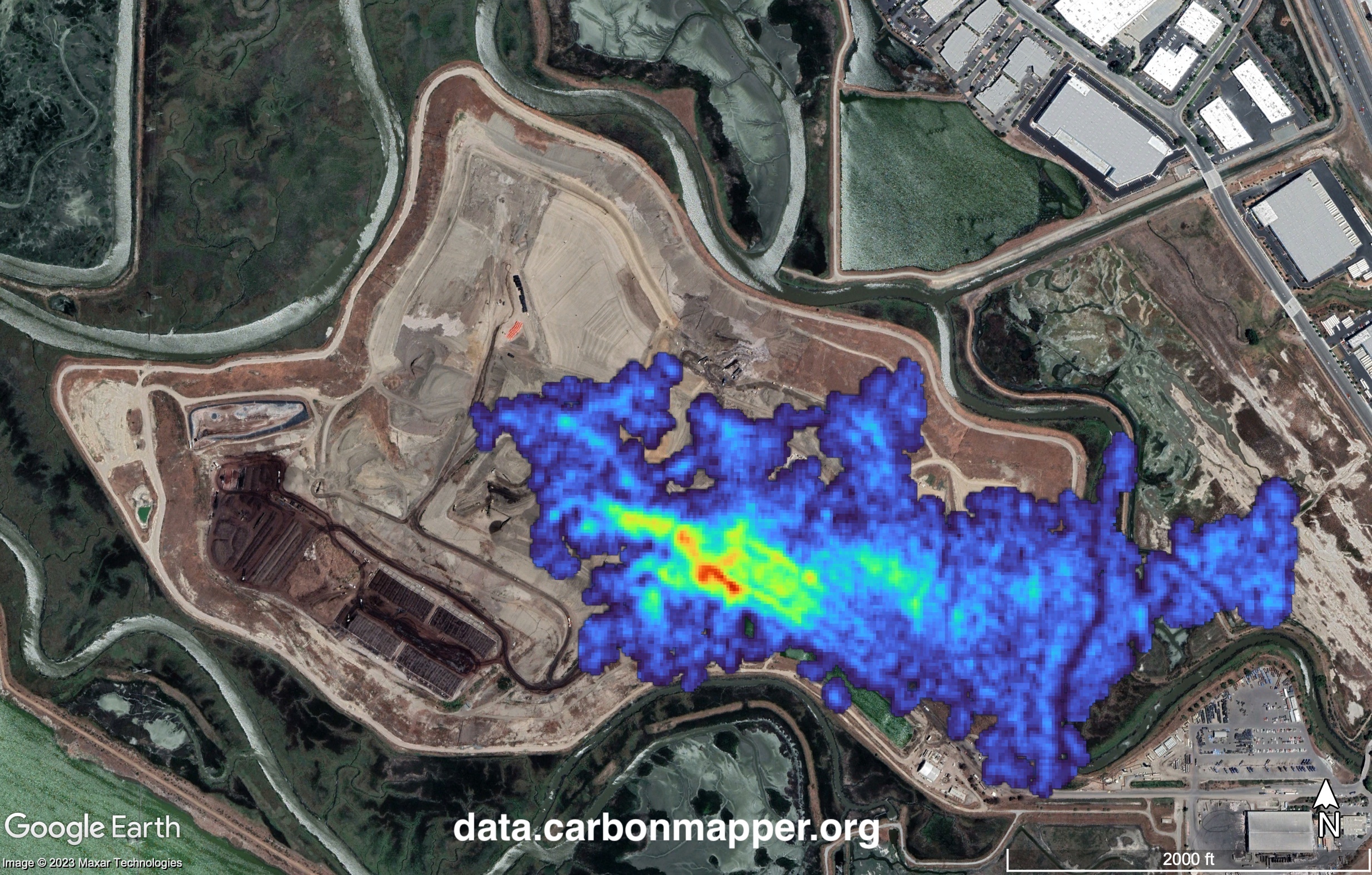
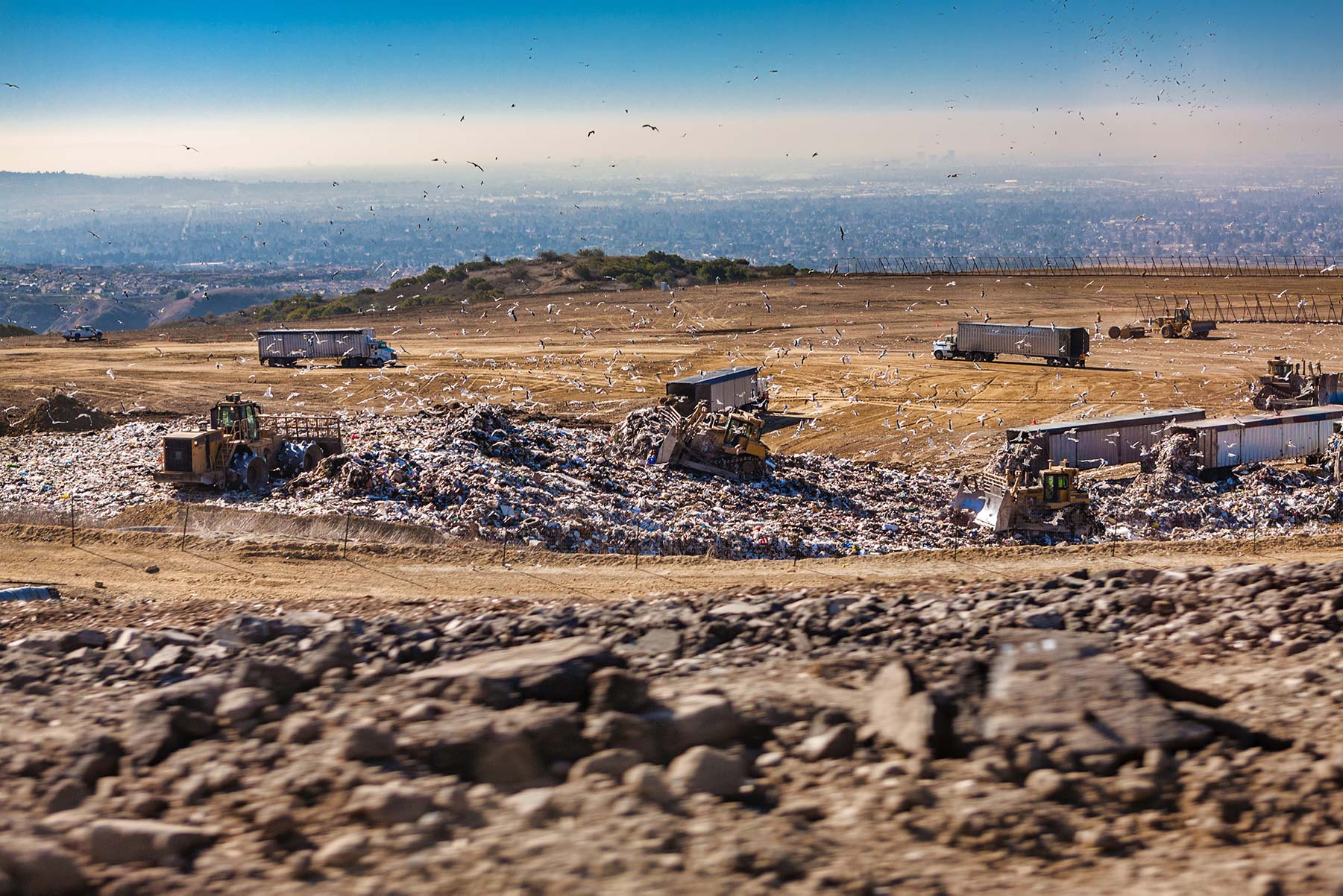
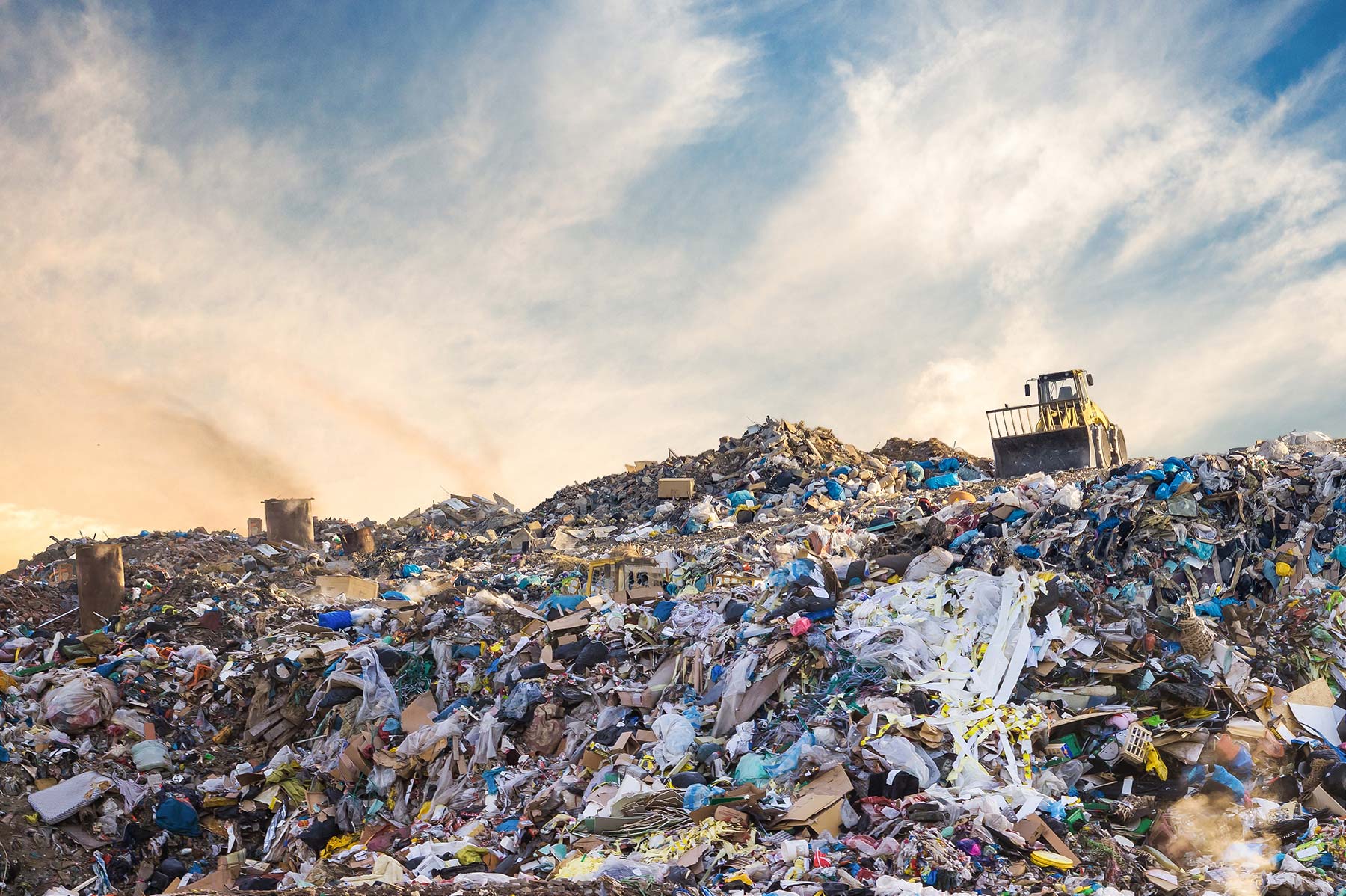
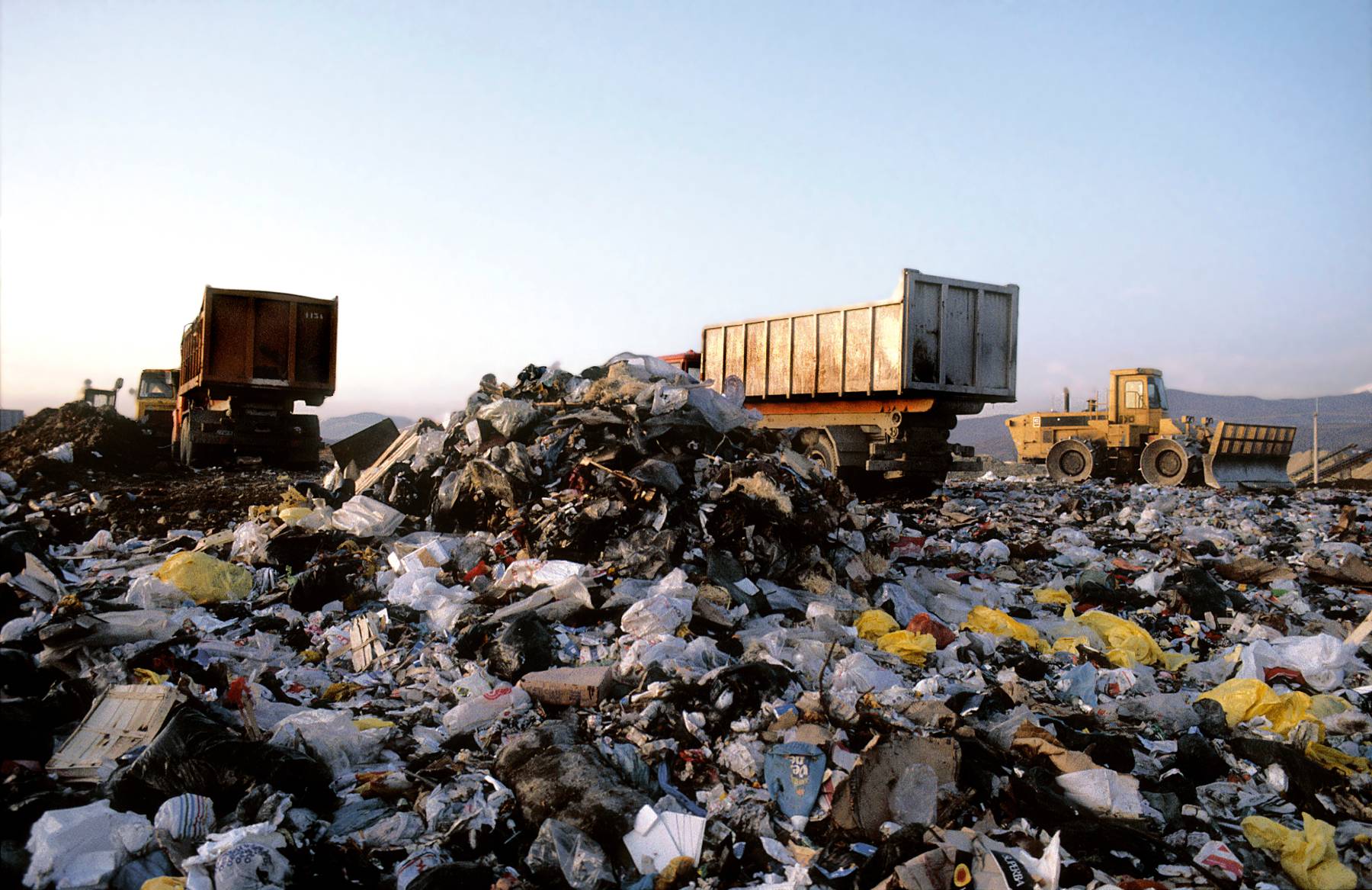
Food waste and other organic household materials like paper, wood, yard waste, and sewage sludge often wind up in landfills, where they decompose under anaerobic conditions to produce landfill gas (LFG), comprising primarily methane and carbon dioxide. The waste sector — landfills and wastewater — accounted for almost 20 percent of all human-related methane emissions — the third largest source globally, after livestock and oil and gas emissions.
Methane is responsible for about 30 percent of the current increase in global temperature since the pre-industrial era. The waste sector has a clear and urgent need for decarbonization strategies that swiftly reduce emissions, and sustained reductions are critical for improving air quality and preventing dangerously high temperatures worldwide.

30%
Methane is responsible for about 30 percent of the current increase in global temperature since pre-industrial era

20%
Waste accounts for about 20 percent of global methane emissions

950 Million Cars
Waste methane emissions produce the same warming impact as around 950 million passenger vehicles annually
A Growing Problem
Though it has gotten less attention, methane is a super-pollutant which has a short atmospheric lifetime, about 84-86 times the global warming impact of carbon dioxide on a 20-year timescale. More than half of methane emissions can be attributed to human activity, so it’s no surprise that the atmospheric concentration of methane is rising rapidly.
A growing global population with higher purchasing power is driving increased consumption and waste generation. And solid waste disposal in the fastest-growing populations — sub-Saharan Africa, South Asia, and the Middle East and North Africa — are often unmanaged dumps, increasing public health risks and methane emissions. In 2020, global human-caused methane emissions from municipal solid waste landfills alone had the same warming impact as approximately 4.4 billion metric tons of CO2 on a 20-year time horizon. That’s equivalent to the annual emissions from about 950 million passenger vehicles.
Fortunately, methane’s short lifetime means that mitigating relatively small amounts of methane can have significant near-term impacts on climate change, and methane abatement solutions can be readily deployed today. Source reduction, organics diversion, LFG capture, and more sustainable production and consumption are critical to emissions reductions in the waste sector. At the same time, reducing greenhouse gas emissions sufficiently will require clear plans and policies, as well as buy-in from the private sector, governments, and the communities they serve.
Cutting Methane at the Source — And Everywhere Else
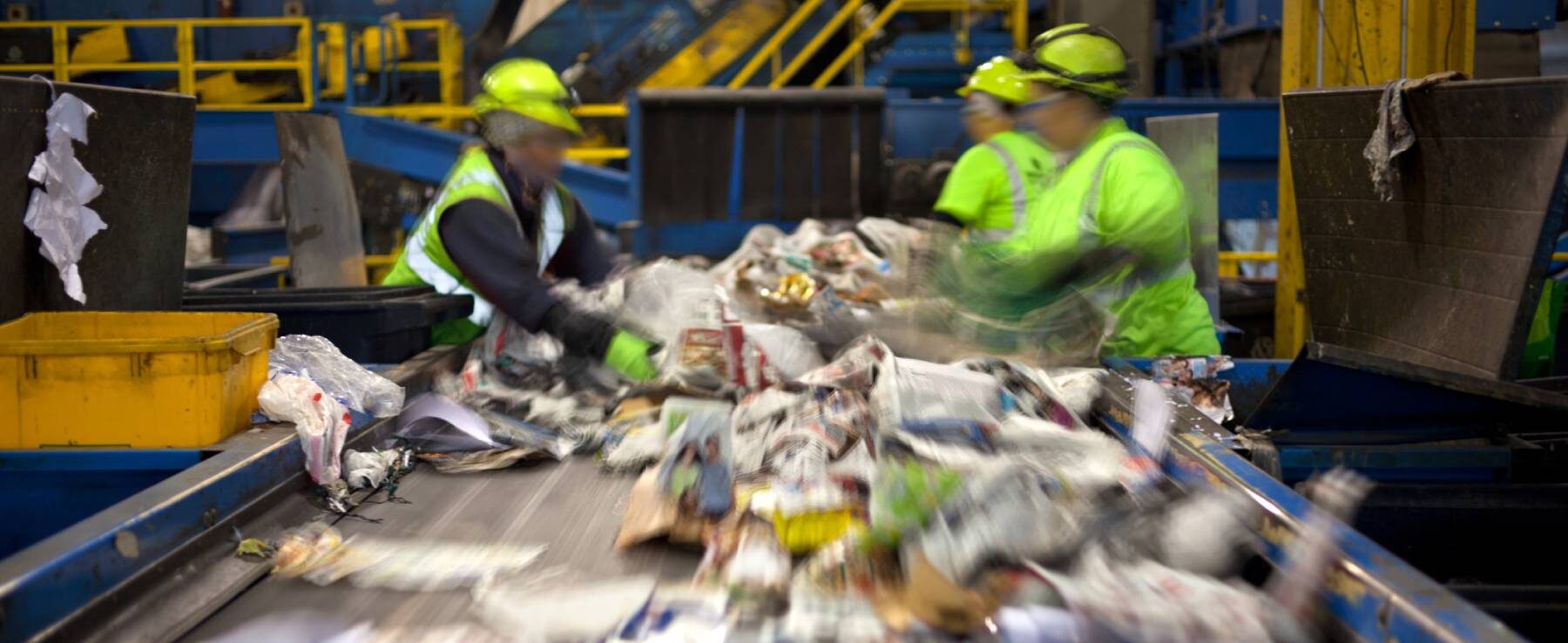
By adapting the waste management hierarchy to methane management, we can prioritize methane mitigations solutions across the waste value chain with preferred solutions like source reduction and reuse (e.g., food waste prevention) and organics diversion for compost or biogas or other beneficial use. Notwithstanding a one hundred percent prevention and/or diverting organic waste from landfills, methane emissions from previously buried organic matter will remain a threat for decades to come. Therefore, complementary solutions that optimize methane capture through dumpsite upgrades and better landfill design and operations paired with comprehensive emissions monitoring are necessary.
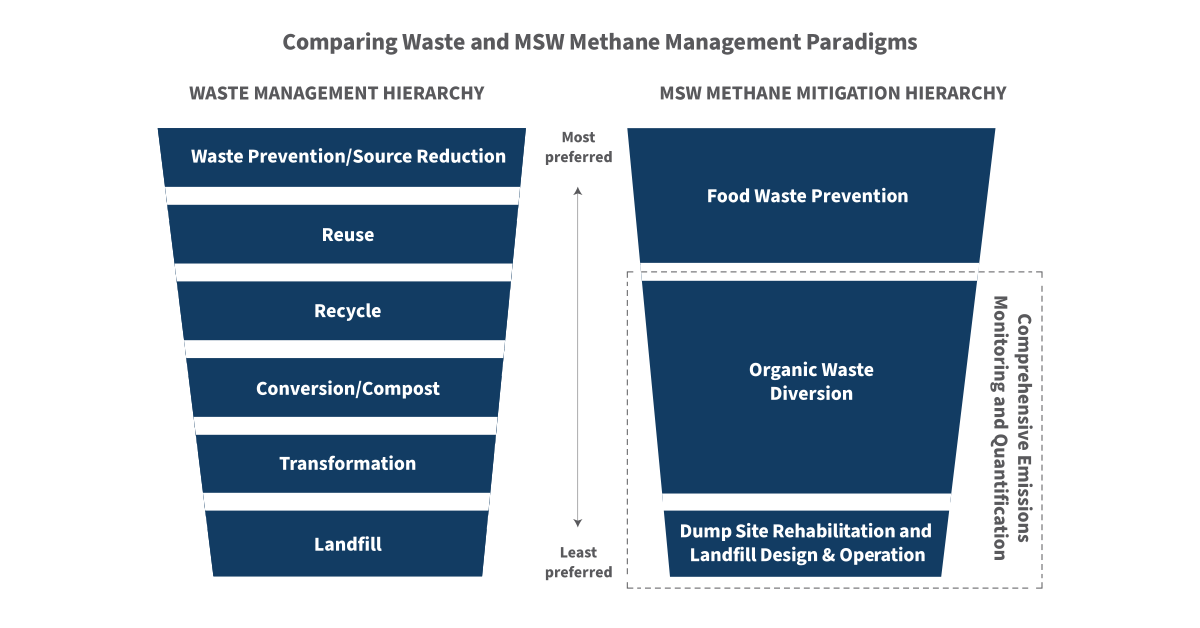
Source: Adapted from “Comparative Greenhouse Gas Emissions Analysis of Alternative Scenarios for Waste Treatment and/or Disposal,” County of Los Angeles Department of Public Works, 2016
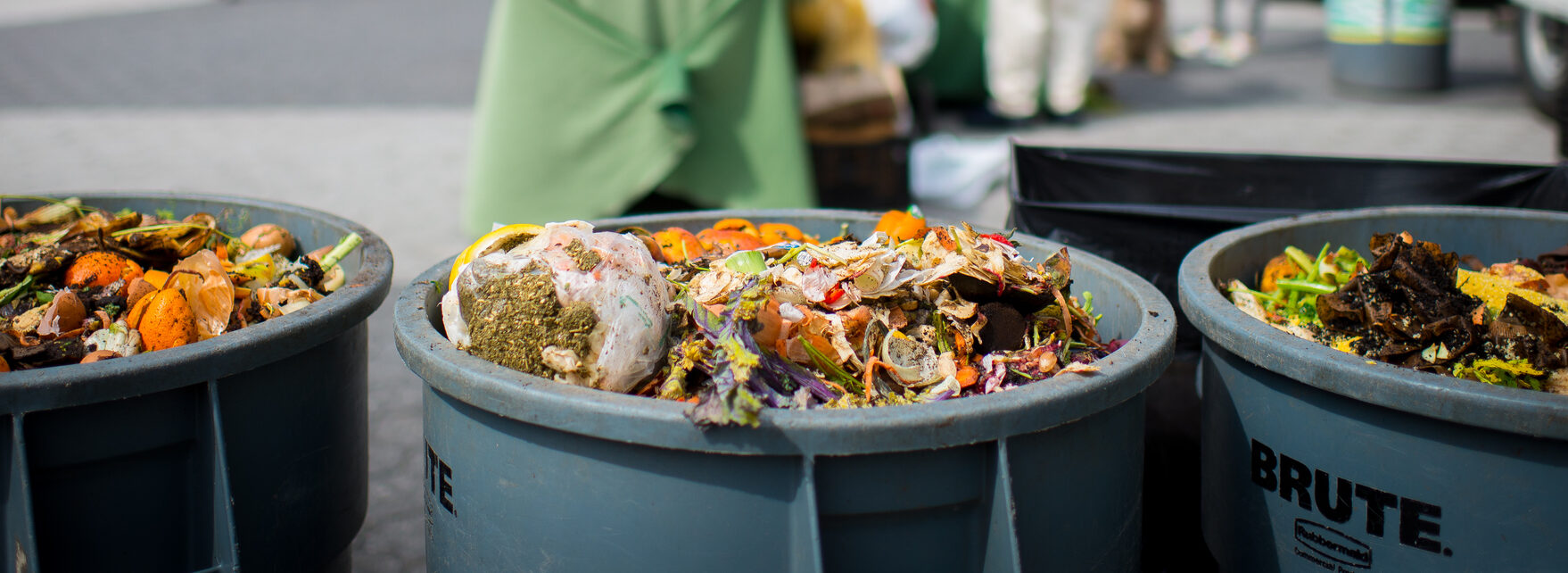
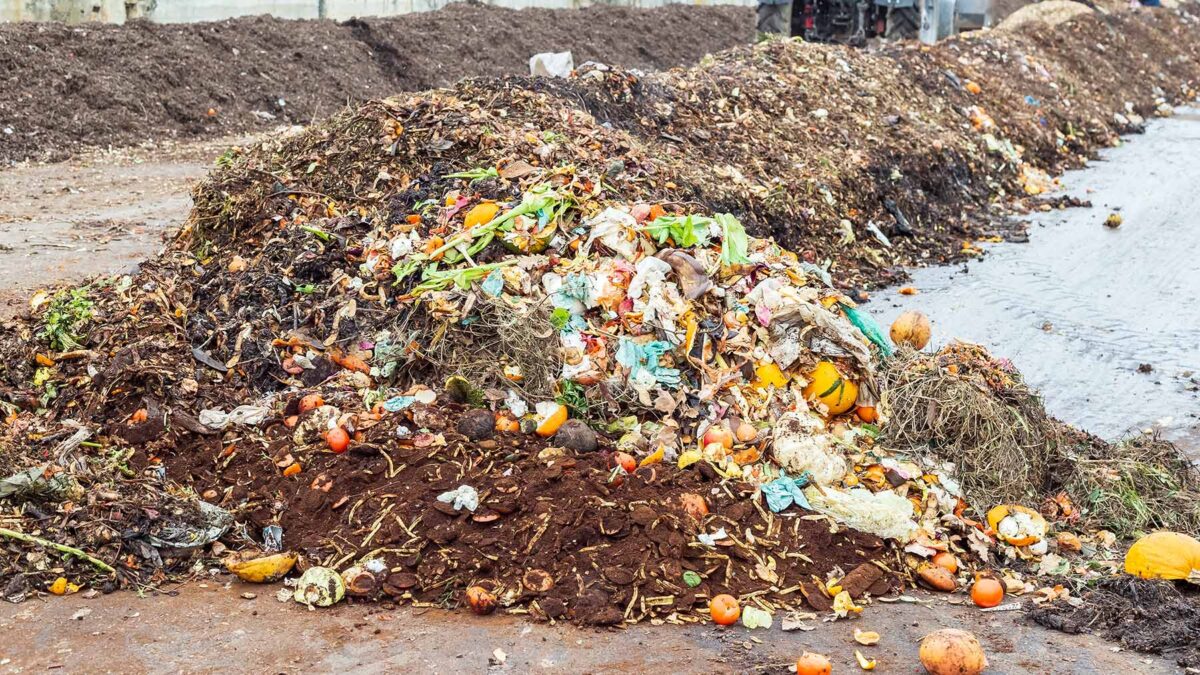
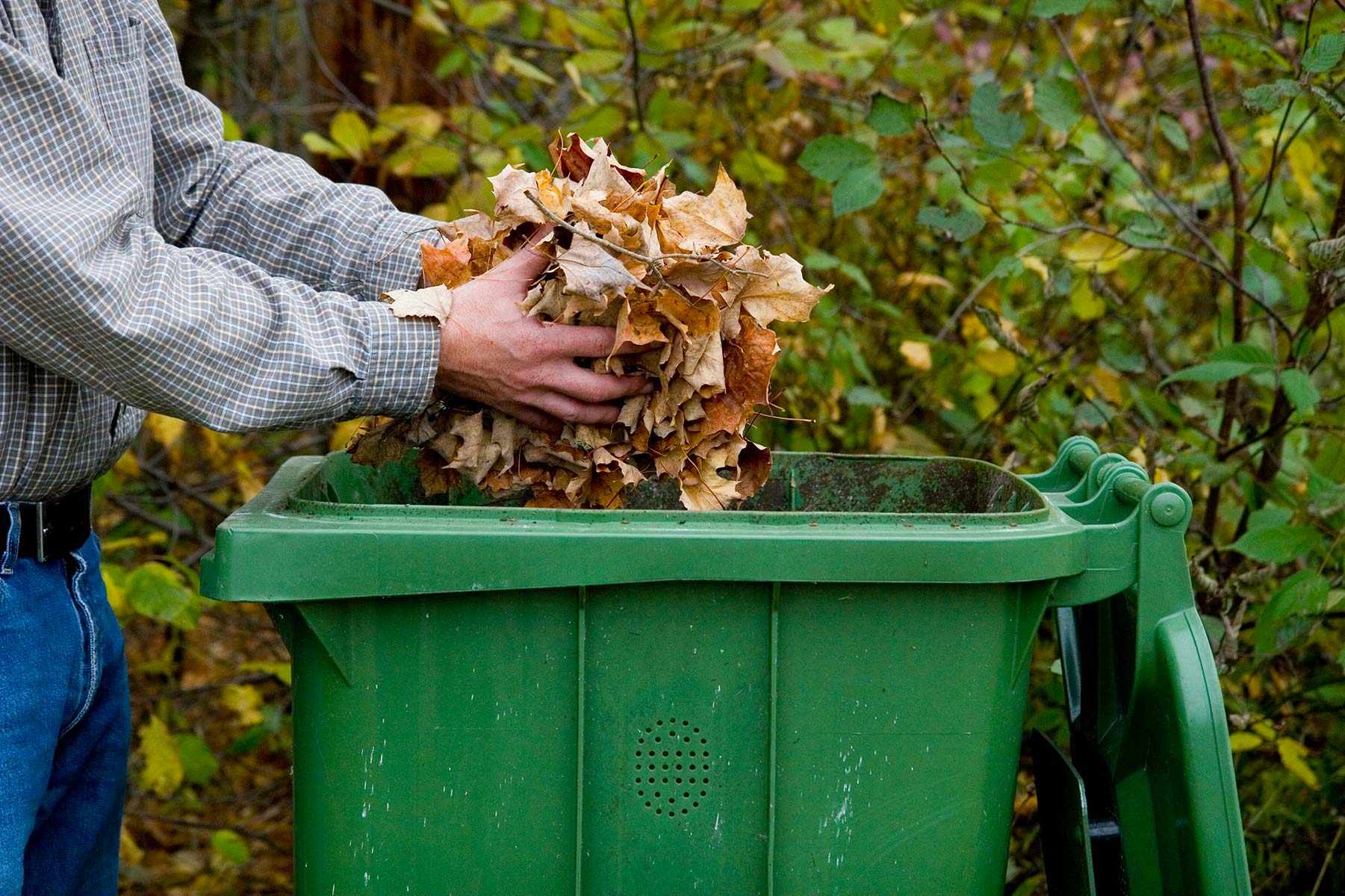
If we begin to value waste as a resource as valuable as energy, we can appreciate the value in reducing, reusing, and recycling. Your banana peels or eggshells from your morning meal, if sent to a landfill, will decompose to produce methane, and energy and nutrients that were used to grow them will be forever lost. However, diverting the same banana peel and eggshells to be treated through anaerobic digestion or composting will allow the recovery of biogas for energy and digestate — or compost, for nutrient recovery. Even better: reduce food loss in the first place and make sure unused food is going toward feeding others before being treated as waste.
RMI is working with partners globally to identify the biggest levers for methane reduction, develop data products that will inform actionable emissions cuts, share insights with key industry stakeholders, and develop an action plan to scale solutions in diverse markets domestically and abroad. By acting swiftly to address methane emissions, we can improve air quality, help prevent extreme weather, and enhance resource efficiency at a critical time for the health of the planet.
Tool Spotlight: WasteMAP
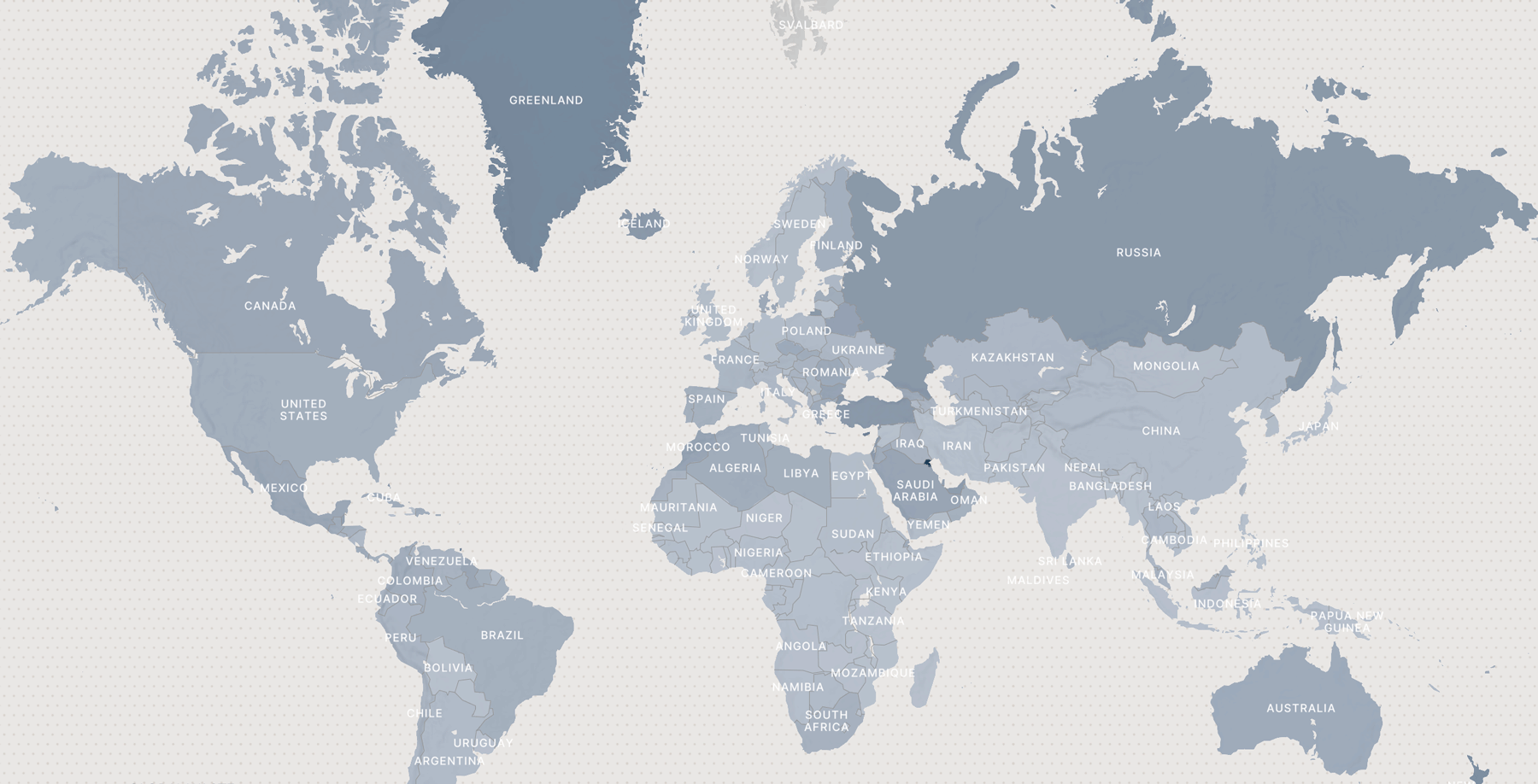
The Waste Methane Assessment Platform (WasteMAP) provides data and resources including landscape assessments, technical assistance memos, and strategy playbooks that are custom-tailored for specific regions to help waste management officials, municipalities, policy makers, and other stakeholders reduce waste methane emissions.
Resources

COP29 Brings Historic Commitments to Reduce Methane from Organic Waste
The Waste Methane Assessment Platform

Your trash deserves better. These three cases show what’s possible.
Mitigating Landfill Methane: A Memo Series

Methane-Detecting Satellites 101: The Completeness Quotient
Turning Trash into Treasure
Help build the clean energy future. Donate today.
Independent research. Real-world solutions. Supported by donors.
RMI can pursue the highest-impact climate and energy solutions because we’re supported by people who believe change is possible. Every gift helps advance the work needed to make clean energy the default choice worldwide.
For other ways to give to RMI, including checks or gifts of stock, please visit Other Ways to Give.
