

Learn how we are working to transform how we use and produce energy.
Why we share this work for free
RMI is an independent nonprofit working to accelerate the clean energy transition. We publish research like this to inform decision-makers and drive real-world impact.
Our work is supported by philanthropy as well as partnerships, including fee-for-service engagements. This support makes it possible for us to share our independent insights for free.
If you find this work valuable, you can support it anytime.
Get more insights like this
Stay up to date with the latest research, analysis, and tools from RMI by opting in to receive occasional emails below. You’ll get new reports, event invitations, and practical insights to help us all accelerate the clean energy transition.
Loading form...
Your download should start automatically. If it doesn’t, click the download button below.
This work is made possible by philanthropy
RMI is a nonprofit supported by donors and partners. Philanthropy enables us to produce independent research and make resources like this freely available.
If you find this report valuable, please consider supporting our work. You can also explore how we partner with organizations to drive impact.
Jump to Section
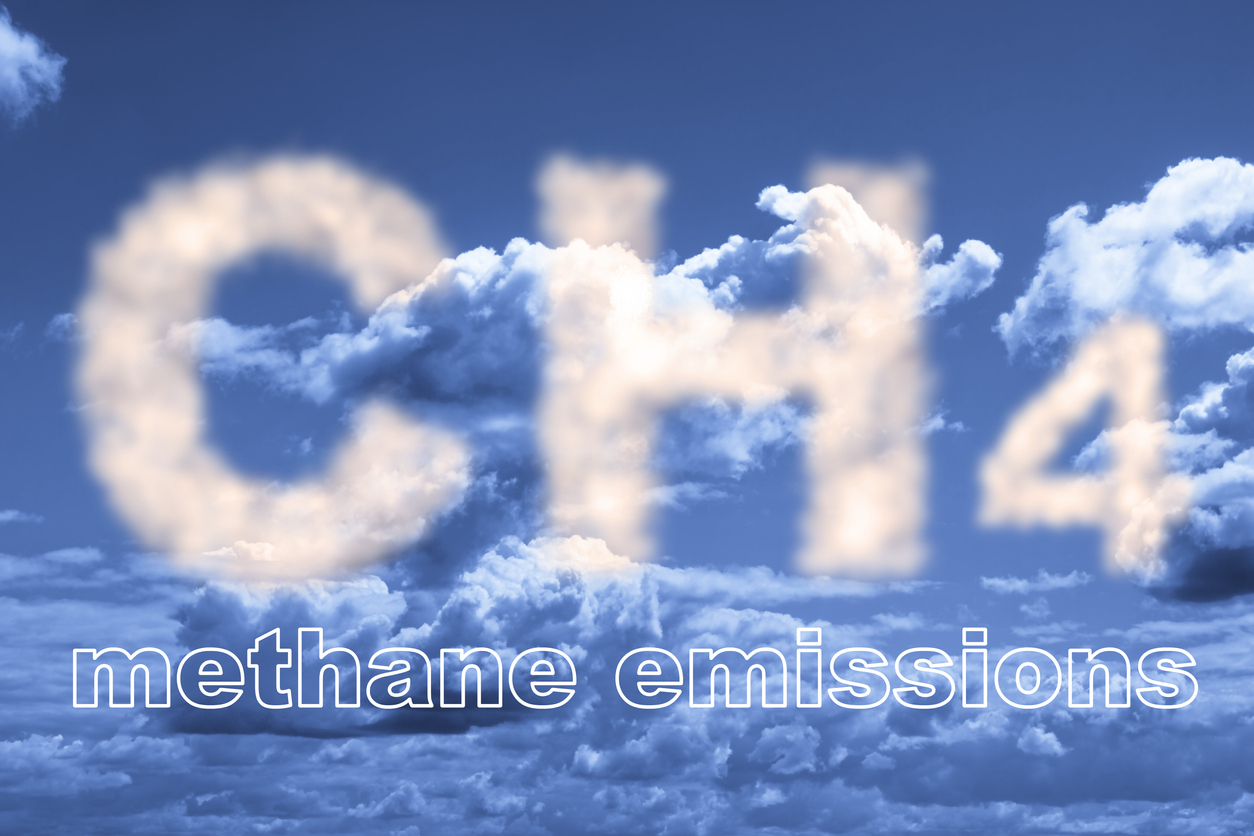
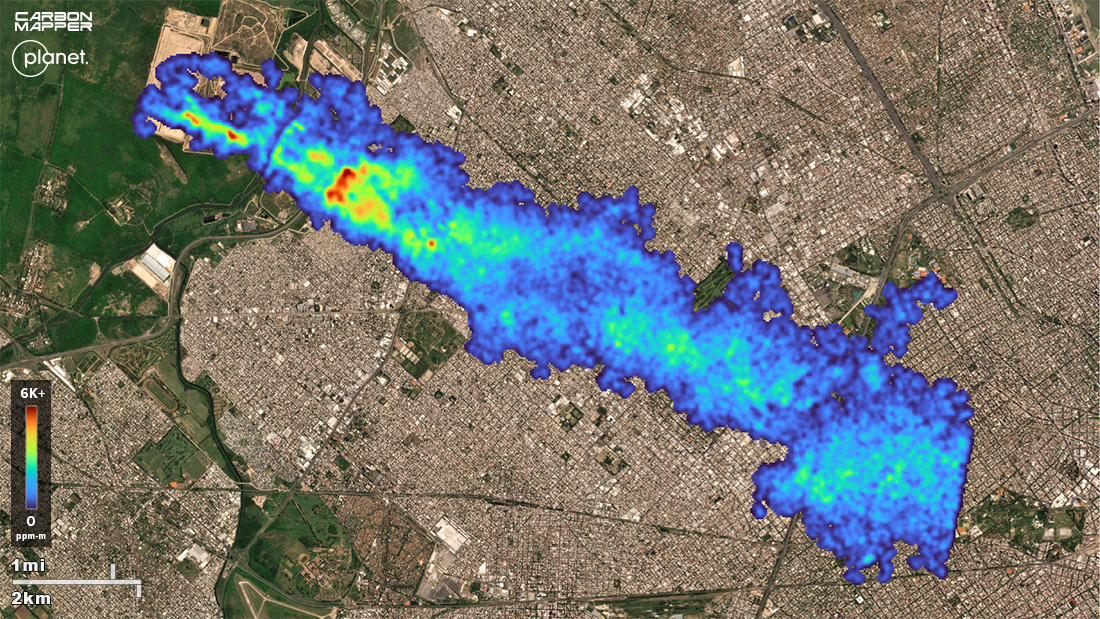
The waste sector is a major contributor to planet-warming methane emissions, the third largest source behind agriculture and the oil and gas industry. Because methane is a super-potent greenhouse gas, with a global warming potential more than 80 times greater than CO2 in the near term, addressing this short-lived climate pollutant is key to limiting temperature rise. What if we could identify sites where waste methane is escaping into the atmosphere, pinpoint the sources, and implement evidence-based reduction measures?
The Waste Methane Assessment Platform (WasteMAP), a joint RMI and Clean Air Task Force (CATF) effort funded by the Global Methane Hub and Google.org, was created to give policymakers, landfill operators, municipalities, and other sector stakeholders improved access to waste methane emissions data, enhance their understanding of mitigation opportunities, and share best practices to reduce solid waste methane emissions.
The WasteMAP initiative consists of two parts:
- An online platform designed to collect and improve access to global waste sector data, enable methane emissions transparency, and identify areas for priority intervention.
- Country engagement with subnational and national stakeholders to help build capacity for waste management and provide technical assistance for specific mitigation measures.
Online platform
The Waste Methane Assessment Platform (WasteMAP) is a central source for addressing the escalating issue of waste sector methane emissions. Recognizing methane’s role as a potent greenhouse gas contributing to 30 percent of global warming since pre-industrial times, WasteMAP serves as a comprehensive tool for aggregating, mapping, and analyzing waste methane emissions. It comprises multiple layers of data, including country-level, city-level, and site-level insights, sourced from various reputable databases and observations, and encourages citizens’ contributions to the data pool that expand its emissions inventory. WasteMAP’s Decision Support Tool (DST) takes this further, enabling users to visualize methane emissions projections and explore alternative waste management scenarios to mitigate emissions. WasteMAP also hosts a library of valuable resources for methane abatement, helping decision makers implement waste management practices that reduce methane emissions in their communities.
Access WasteMAP
Country engagement
To complement the platform, RMI and CATF are working on the ground in select countries including Colombia, Ecuador, Mexico, Nigeria, and the United States, with planned expansion to additional countries. Our country engagement includes collaborating with national and subnational governments, supporting policy makers in creating an enabling environment to reduce municipal solid waste (MSW) methane emissions, providing technical assistance, building local capacity, and facilitating peer-to-peer knowledge exchange.
Resources from our country engagement, such as landscape assessments, methane mitigation playbooks, and technical memos are available on the platform. By engaging on the ground in these countries, RMI and CATF can collect more robust data that can be further enhance the platform, improve emissions estimates, and inform mitigation action.
To download the Waste Methane assessement Playbooks and the individual region reports, please fill out the form at the bottom of the page, then click on the images below.
Authors

Tom Frankiewicz
Principal
Ebun Ayandele
Manager
Yuchen Wu
Associate
Jyoti Bodas
Associate
Ellie Garland
Rose (Yuan) Wang
Manager
John McGrath
Director
Andre Scheinwald
Senior Data Scientist
Hugh Runyan
Related Insights
Help build the clean energy future. Donate today.
Independent research. Real-world solutions. Supported by donors.
RMI can pursue the highest-impact climate and energy solutions because we’re supported by people who believe change is possible. Every gift helps advance the work needed to make clean energy the default choice worldwide.
For other ways to give to RMI, including checks or gifts of stock, please visit Other Ways to Give.
