
Utility expenditures are increasing and projected to grow in the coming years, driven by accelerating load growth, replacing aging infrastructure, and modernizing and improving grid resilience. At the same time, a large and growing share of US households are struggling to afford their energy bills. This combination is increasing pressure on utilities and regulators to contain costs and avoid unnecessary spending that drives rate increases.
One major piece of the affordability puzzle is how utilities recover costs. A growing share of investor-owned utility expenditures is recovered through cost tracker mechanisms, which allow utilities to recover certain costs on an expedited basis outside of a general rate case. Cost trackers can reduce financial risk for utilities by accelerating cost recovery, but they can also pass costs on to customers with shorter and less thorough regulatory reviews. When used too broadly, especially for capital expenditures, trackers can weaken utilities’ incentives to contain costs, exacerbate capex bias, and increase energy burdens.
Although cost trackers may be appropriate in some contexts, we contend that they are currently overutilized. We recommend that utility regulators revisit the rationale for the use of trackers, retire cost trackers in instances where they are not necessary, consolidate relevant cost categories back into base rates when appropriate, and consider ways to support utility cost control for those that remain.
This report proposes a four-pronged regulatory strategy to manage the risk that cost trackers can pose to affordability:
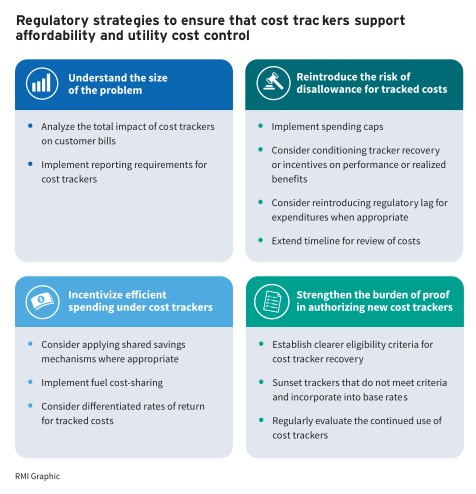
This report provides regulators and stakeholders practical ways to manage cost tracker use, especially as future utility spending pressures continue. It can help regulators and stakeholders (1) assess the potential benefits and drawbacks of cost trackers, (2) identify reforms that fit within a commission’s authority and local context, and (3) design guardrails that improve transparency, rebalance incentives, and strengthen reviews of costs.
Although not every action will be appropriate for every state, the four strategies presented in this report provide a framework to help stakeholders consider opportunities to better align utility spending with customer needs, policy goals, and other regulatory priorities — and help ensure ratepayer dollars are spent wisely as future spending pressures grow.