

Learn how we are working to transform how we use and produce energy.
The World Wastes More Gas Each Year than the Strait of Hormuz Supplies
Pre-war, the Strait supplied 20% of global LNG supplies. We waste more than that each year through venting and flaring.
Why we share this work for free
RMI is an independent nonprofit working to accelerate the clean energy transition. We publish research like this to inform decision-makers and drive real-world impact.
Our work is supported by philanthropy as well as partnerships, including fee-for-service engagements. This support makes it possible for us to share our independent insights for free.
If you find this work valuable, you can support it anytime.
Get more insights like this
Stay up to date with the latest research, analysis, and tools from RMI by opting in to receive occasional emails below. You’ll get new reports, event invitations, and practical insights to help us all accelerate the clean energy transition.
Loading form...
Your download should start automatically. If it doesn’t, click the download button below.
This work is made possible by philanthropy
RMI is a nonprofit supported by donors and partners. Philanthropy enables us to produce independent research and make resources like this freely available.
If you find this report valuable, please consider supporting our work. You can also explore how we partner with organizations to drive impact.
Jump to Section
“It is not that we have a short time to live,” the ancient Roman philosopher Seneca once wrote, “but that we waste a lot of it.” His point — that we often waste things that hold great value — echoes through the centuries.
As the closure of the Strait of Hormuz forces governments around the world to enact restrictive policies to stabilize their energy supplies and national economies, it’s a critical time to reflect on wasted energy resources.
Before the war, some 20% of the world’s liquefied natural gas (LNG) supplies was shipped through the Strait. But with blockades and damaged infrastructure largely bottling up that supply, it’s a moment to look at where that supply could be made up if a concerted effort is made to stop gas from escaping systemwide.
The answer? Waste.
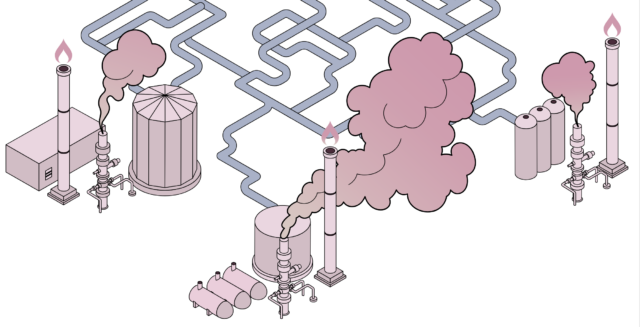
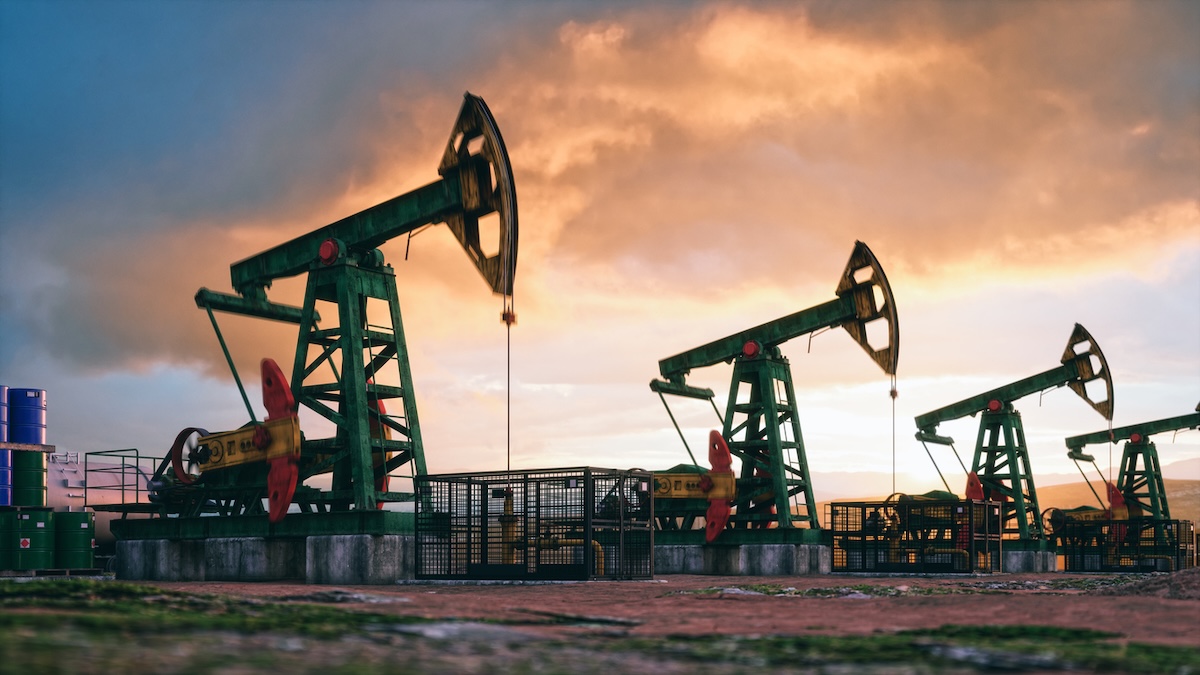
The 112 billion cubic meters of gas lost by the Strait’s closure is dwarfed by the scale of gas wasted by venting and flaring worldwide. The good news is that we have the technological and policy tools available to us today to limit waste and increase our energy and economic security.
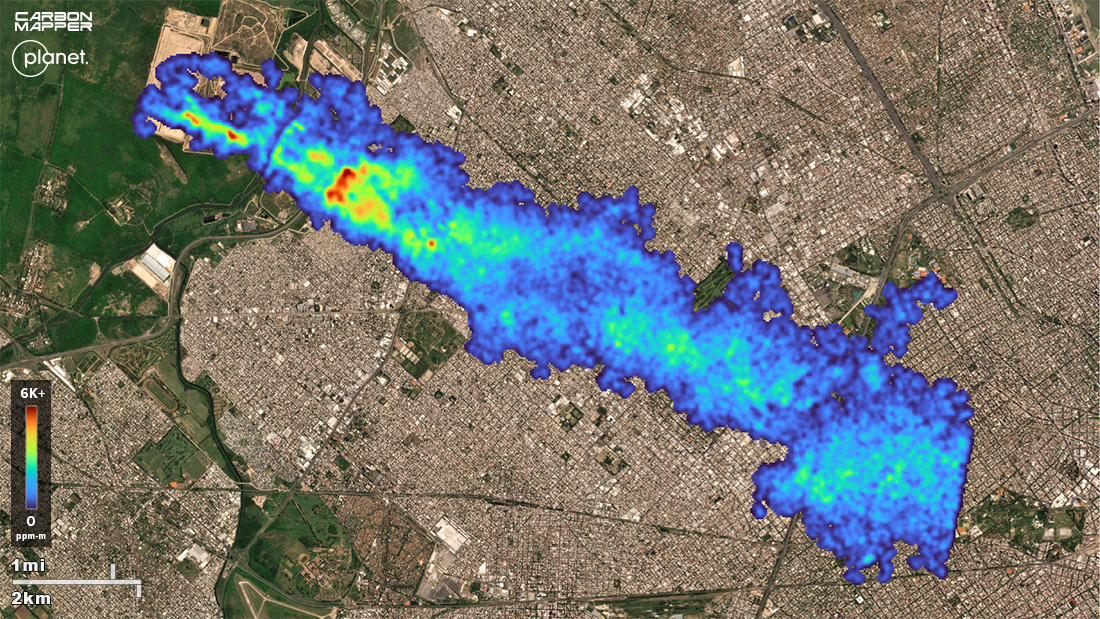
Wasted gas is no longer invisible. More satellites, drones, sensors, and other technologies are being used to reconcile differing methane inventories and identify methane super-emitters. Now we must segue from “how to measure” to “how to act.” Getting actionable insights embedded into system design, planning, operations, and emissions management systems is key. So too are policies that limit leakage and actions that amplify methane mitigation through sound financial investments and smart insurance underwriting.
Were Seneca an energy planner today, he might observe that energy supplies are ample, but only if we know how not to waste them.
Read more: Stopping Global Gas Loss in Its Tracks


Related Insights
Help build the clean energy future. Donate today.
Independent research. Real-world solutions. Supported by donors.
RMI can pursue the highest-impact climate and energy solutions because we’re supported by people who believe change is possible. Every gift helps advance the work needed to make clean energy the default choice worldwide.
For other ways to give to RMI, including checks or gifts of stock, please visit Other Ways to Give.
