ARTICLE
US Policy
Learn how we are working to transform how we use and produce energy.
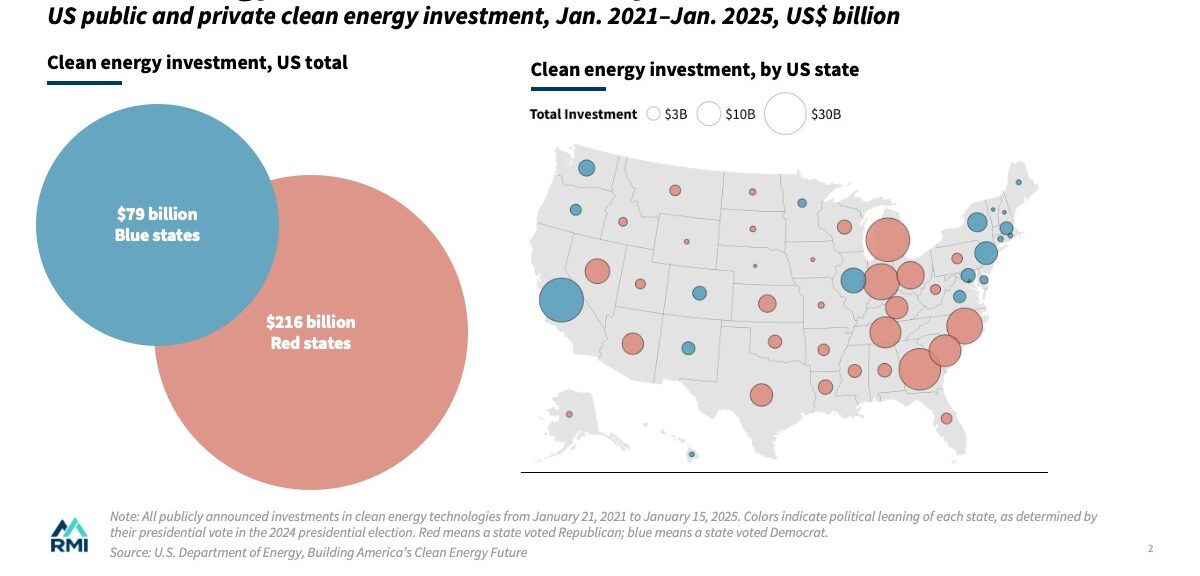
Federal support of clean energy and related technologies — from solar and wind to batteries and more efficient manufacturing — has helped to create jobs, expand manufacturing, and grow the US economy for decades. For consumers, businesses and the government, as well as non-profit organizations such as RMI that assist them, the public investment has cut costs and waste, reduced harmful pollution, and stimulated investment. And while these benefits have supported people, businesses, and communities on both sides of the political aisle, they now face uncertainty in Washington.
The following resources document federal policy and benefits supporting clean energy investment and related technology innovation, including the Inflation Reduction Act (IRA), the Bipartisan Infrastructure Law (BIL), the CHIPS and Science Act, and related bills. This page will be updated as needed.
As passed in 2022, the IRA marked the largest-ever investment in US clean energy, technology, and related manufacturing. The package aims to modernize transportation, building, heavy industry, energy, and other strategic sectors. It also invests in developing domestic supply chains. Rules are set to ensure that benefits flow widely to Americans across the country. Low-income groups, and those that have experienced disproportionate harmful pollution, are a top priority.
While these benefits have begun to be realized as of mid 2025, progress is in limbo while Congress and the Administration determine which grants and tax credits remain. Here, we’ve highlighted opportunities in the IRA to show the scale of potential benefits if the IRA continues.


States, cities, businesses, and other stakeholders have accessed public clean energy funding, often contributing additional local private and public funds, and are building new projects across the country. A growing roster of these efforts have begun to deliver significant benefits to communities nationwide.
To document this progress, below we have curated case studies and examples of successful IRA implementations. These benefits could be jeopardized if federal incentives or policies are cancelled or significantly rolled back.
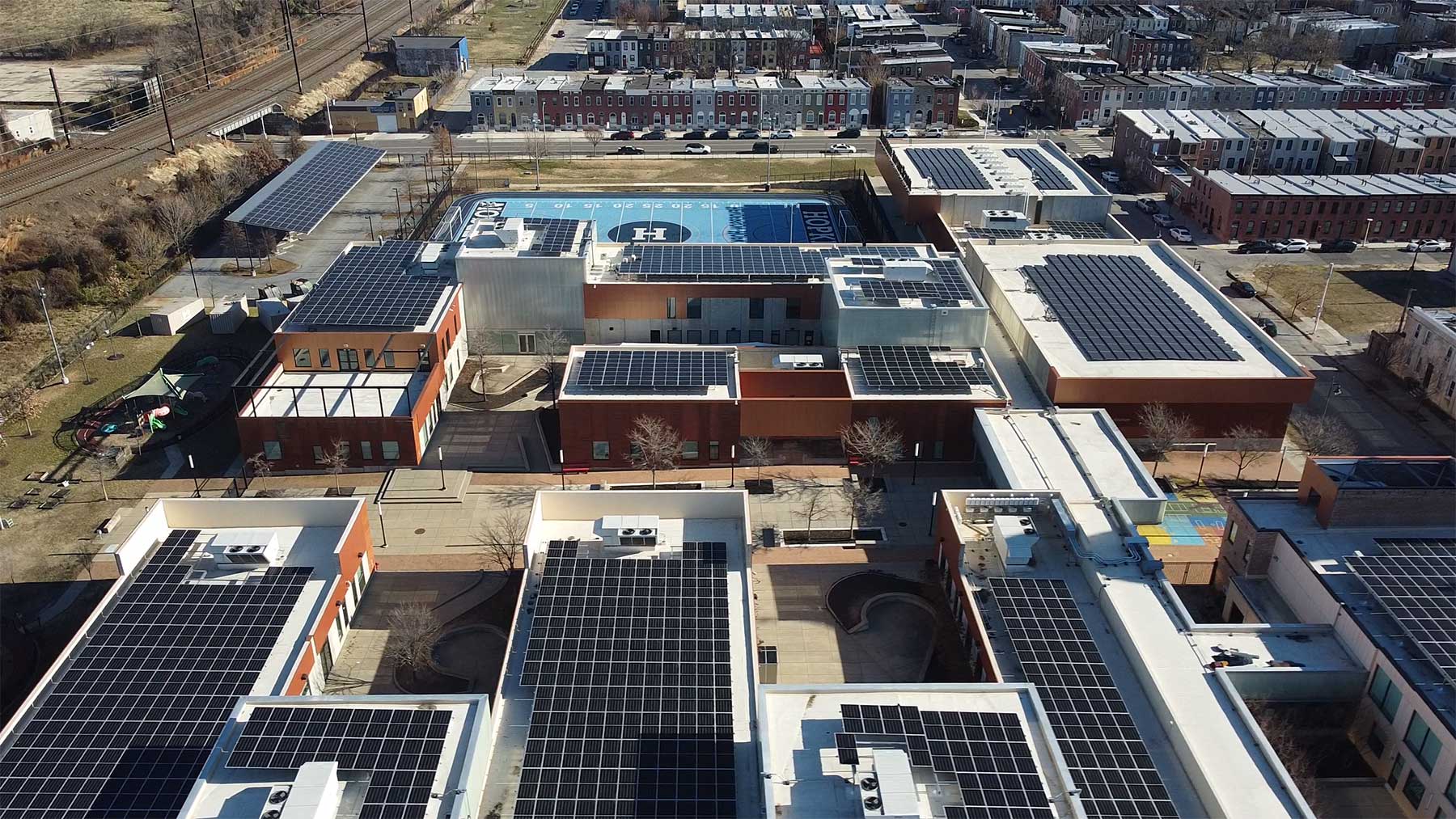

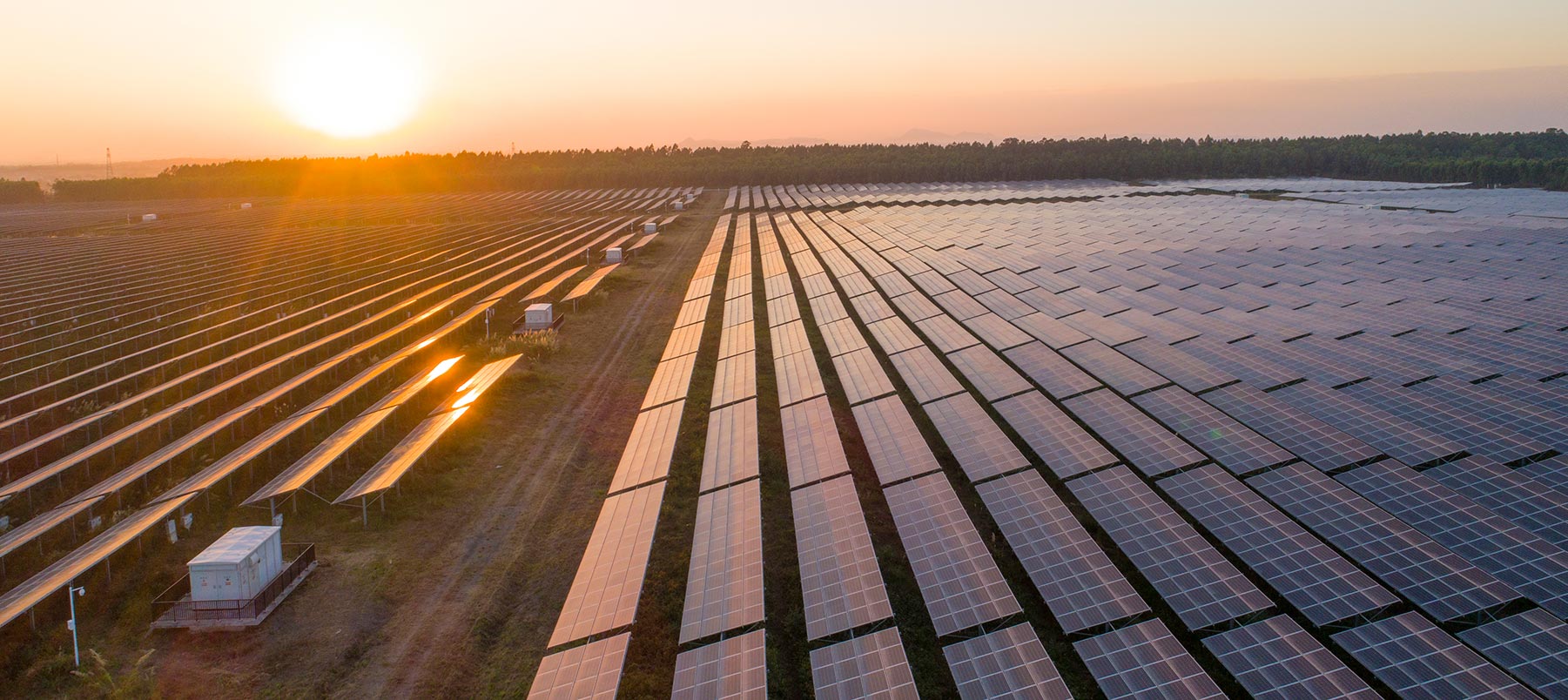
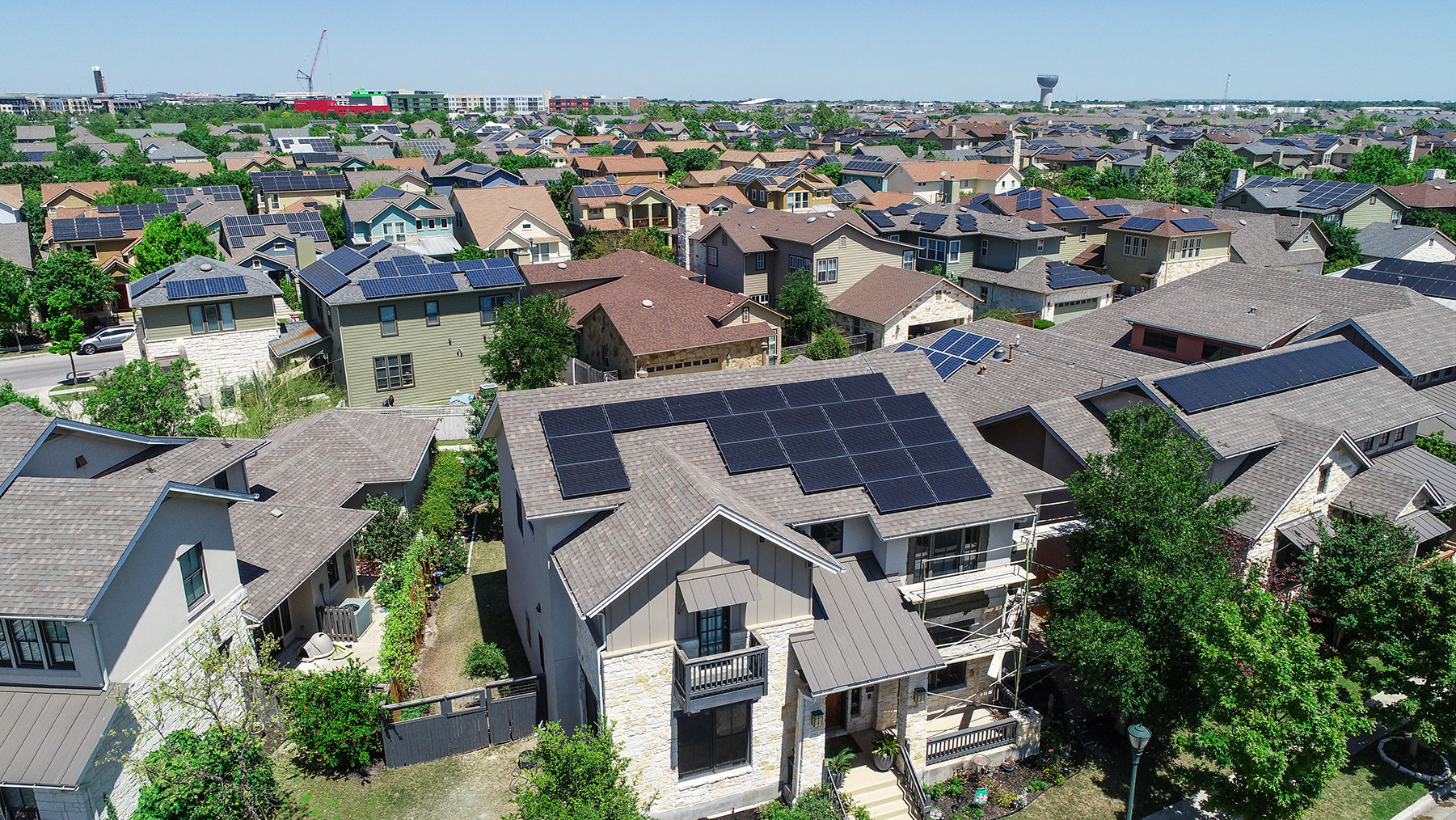

The following resources and tools can help US states and cities, along with companies, economic development organizations, and policymakers discover incentives, model policies, and identify the best places to build or attract various kinds of clean energy projects, often with the help of federal policies.



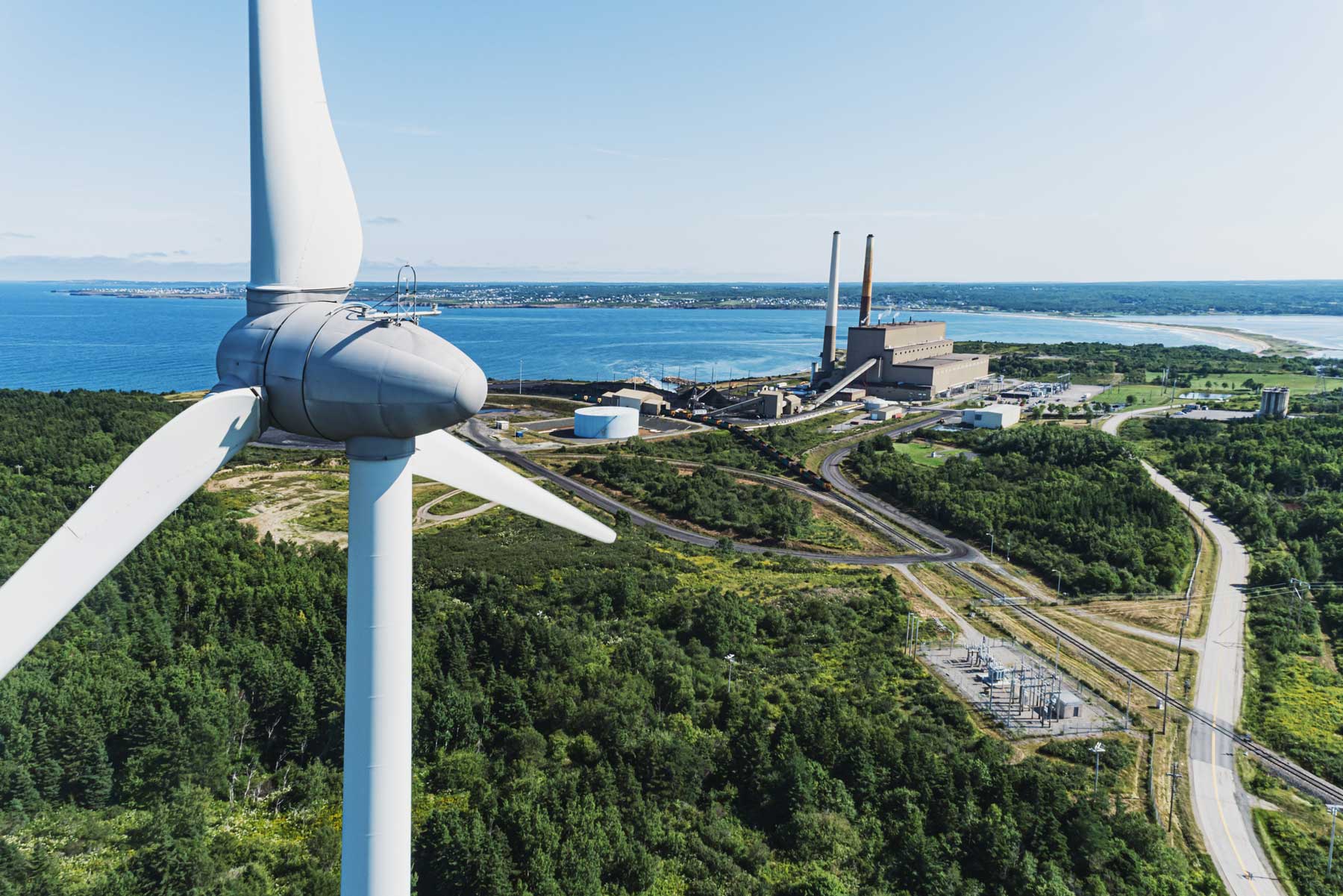
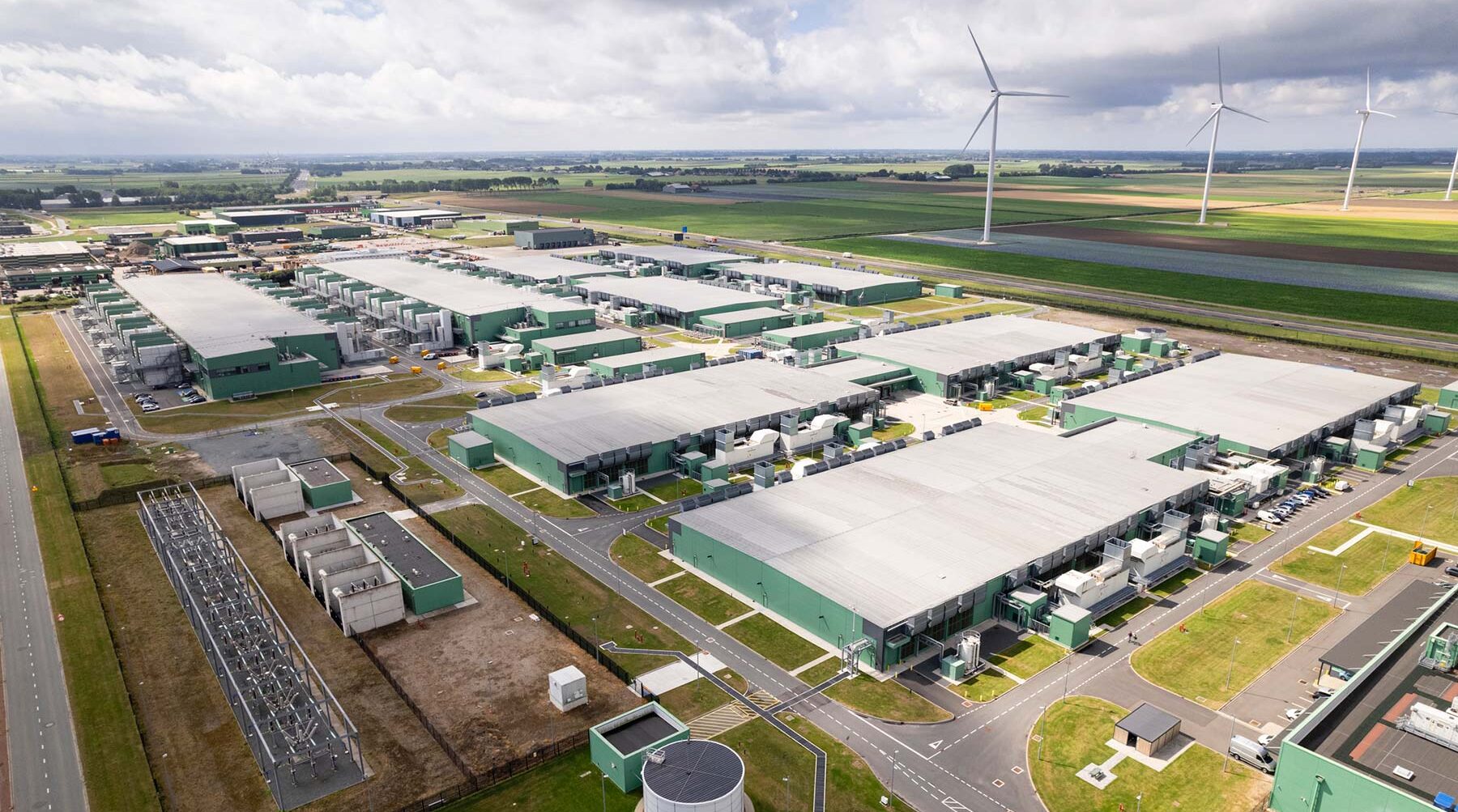
Smart implementation of any public support will continue to be critical to maximize benefits to the economy, jobs, health, and the climate. States as well as cities, businesses, and nonprofits are emerging as leaders in support of modernizing America’s industrial and energy sectors.
Below we’ve compiled information and guidance that states can access to implement clean energy and deliver varied benefits to their constituents. This will be updated as terms evolve.
No results found.
Independent research. Real-world solutions. Supported by donors.
RMI can pursue the highest-impact climate and energy solutions because we’re supported by people who believe change is possible. Every gift helps advance the work needed to make clean energy the default choice worldwide.
For other ways to give to RMI, including checks or gifts of stock, please visit Other Ways to Give.