

Learn how we are working to transform how we use and produce energy.
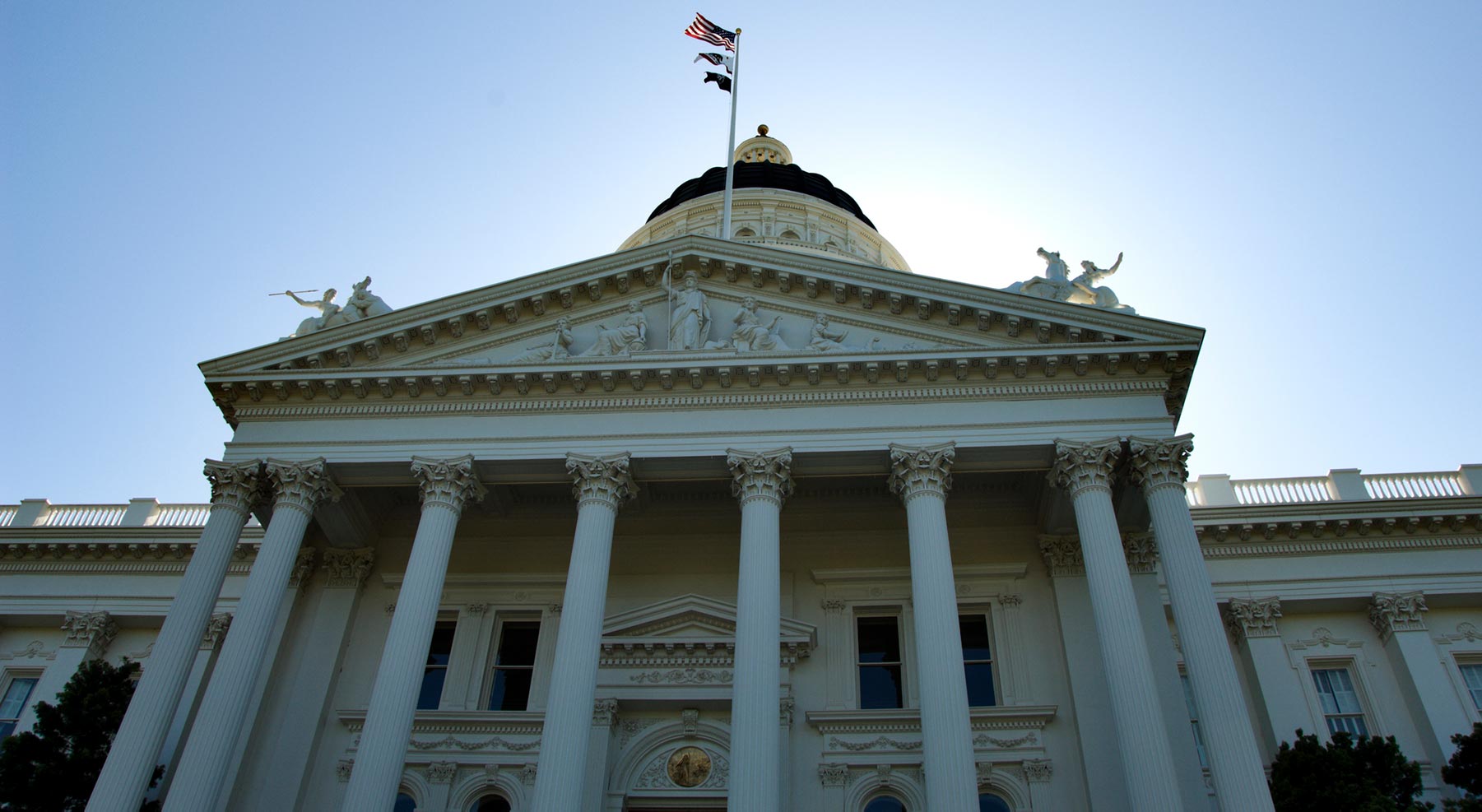
State Online Clean Energy Incentive Toolkit
These tools can can help states access federal incentives to save money, improve efficiency, and deliver clean energy for residents and businesses.
Federal government incentives available now can make it more affordable to make energy-saving building upgrades, purchase, lease, and charge electric vehicles, and install renewable energy.
States can play a key role in sharing information about these federal incentives, while they are still available, to help constituents save money. This toolkit creates a guide for statesto create an online clean energy incentive hub that provides clear information on incentives and programs to enable energy and cost savings statewide.
- Clean Energy Incentive Hub — Find educational content about clean energy incentives. This material is customized for three audiences to empower individuals and organizations to use exciting new clean energy incentives to save money.
- These materials will help households, businesses, local governments, nonprofits, and other organizations in your state save money on energy-efficiency, electrification, and renewable energy projects through free federal incentives.
- Increasing uptake of these incentives can help your state meet its energy efficiency, infrastructure modernization, and clean energy goals. Click here to open a new page >>
- User Guide: How to use the Clean Energy Incentive Toolkit for States — Instructions on how states can create their own clean energy incentive hub using RMI’s content and how they can go further to maximize impact. On this page, states can find content and instructions on how to build out a clean energy incentive hub, including:
- Search for incentives, with customized information for different key public audiences with incentive summaries, application instructions, and more
- Clear instructions, including webpage guidance, tips to add in local content, engagement and outreach items, and ideas on future action for states. Click here to open a new page >>
- State Online Clean Energy Incentive Tools (downloadable content) – These resources can help states create their own educational incentive website. Each audience page has a downloadable Microsoft Word version in English and Spanish. Click here to download a zip file containing multiple files >>
Why now? What incentives are available?
With the passage of the Inflation Reduction Act in 2022, the federal government created a series of financial incentives to make it more affordable to install energy-efficient building upgrades, electrify buildings, buy and charge electric vehicles, and manufacture clean-energy industrial components. Financial incentives available include, but are not limited to, the following:
- Rebates provide a discount on something you buy, either at the time of purchase or shortly after.
- Tax credits reduce the amount of income tax you owe to the government. Tax credits are claimed on your annual tax return for the year in which the eligible purchase was made.
The table below summarizes the duration of incentives and reflects changes made by the One Big Beautiful Bill Act*.
| Incentive Phase Out | Incentive Availability |
|---|---|
| Energy Efficient Commercial Buildings Deduction 179D | Available for property beginning construction by June 30, 2026 |
| New Energy Efficient Home Credit 45L: | Available for property acquired by June 30, 2026 |
| Alternative Fuel Vehicle Refueling Property Credit 30C | Available for property placed in service by June 30, 2026 |
| Clean Hydrogen Production Tax Credit 45V | Facilities must begin construction by the end of 2027 |
| Clean Fuel Production Credit 45Z | Fuel must be sold by December 31, 2029 |
| Home Efficiency Rebate | Many states are launching rebates in 2025; check the status here. |
| Home Electrification and Appliance Rebate | > Wind and solar: Projects must begin construction no more than one year after enactment (by 7/4/26) or be placed in service by the end of 2027 > Other technologies (e.g. storage, geothermal, hydropower, nuclear): by the end of 2033 for full value or by the end of 2035 for partial value |
| Credit for Carbon Sequestration 45Q | Facilities must begin construction by the end of 2032 |
| Advanced Manufacturing Production Credit 45X | > Available for wind energy components by 2027 Metallurgical coal added to 45X as a critical > mineral through 2029 > Credit phases out for other critical minerals over 2031-33 > Credit continues to phase out for all other eligible components over 2030-32 |
| Clean Electricity Production Tax Credit 45Y | > Wind and solar: Projects must begin construction no more than one year after enactment (by 7/4/26) or be placed in service by the end of 2027 > Other technologies (e.g., storage, geothermal, hydropower, nuclear): by the end of 2033 for full value or by the end of 2035 for partial value |
| Clean Electricity Investment Tax Credit 48E | > Wind and solar: Projects must begin construction no more than one year after enactment (by 7/4/26) or be placed in service by the end of 2027 > Other technologies (e.g., storage, geothermal, hydropower, nuclear): by the end of 2033 for full value or end of 2035 for partial value |
The toolkit includes the following resources
A User Guide for States for instructions on how states can create their own clean energy incentive hub using RMI’s content and how they can go further to maximize impact.
Clean energy incentive educational content that states can upload. This content is tailored for three audiences to empower individuals and organizations to use clean energy incentives to save money. Each audience page includes downloadable Microsoft Word versions in English and Spanish for easy upload.
- Incentives for Households and Individuals
- Incentives for Businesses
- Incentives for Local Governments, Schools, Nonprofits, and Other Tax-Exempt Entities
- Clean Energy Incentive Hub landing page text for state websites
* The One Big Beautiful Bill Act became law on July 4, 2025, changing many of the incentives included on this site. This page was last updated in August 2025 and shows incentives in place at that time.
Help build the clean energy future. Donate today.
Independent research. Real-world solutions. Supported by donors.
RMI can pursue the highest-impact climate and energy solutions because we’re supported by people who believe change is possible. Every gift helps advance the work needed to make clean energy the default choice worldwide.
For other ways to give to RMI, including checks or gifts of stock, please visit Other Ways to Give.
