

Learn how we are working to transform how we use and produce energy.
Taylor Krause: Scaling Clean Hydrogen to Cut Industrial Emissions
This RMI manager brings her commitment for climate solutions to this season's Love is Blind.
Why we share this work for free
RMI is an independent nonprofit working to accelerate the clean energy transition. We publish research like this to inform decision-makers and drive real-world impact.
Our work is supported by philanthropy as well as partnerships, including fee-for-service engagements. This support makes it possible for us to share our independent insights for free.
If you find this work valuable, you can support it anytime.
Get more insights like this
Stay up to date with the latest research, analysis, and tools from RMI by opting in to receive occasional emails below. You’ll get new reports, event invitations, and practical insights to help us all accelerate the clean energy transition.
Loading form...
Your download should start automatically. If it doesn’t, click the download button below.
This work is made possible by philanthropy
RMI is a nonprofit supported by donors and partners. Philanthropy enables us to produce independent research and make resources like this freely available.
If you find this report valuable, please consider supporting our work. You can also explore how we partner with organizations to drive impact.
Jump to Section
Dating shows and climate change solutions don’t often come up in the same conversation. That is until now. RMI Manager Taylor Krause is one of the participants in the new season of Love Is Blind, an unscripted television show where singles try to find a match and fall in love — without ever seeing each other face to face. Krause works on federal policy for RMI, specifically focusing on clean hydrogen and its role in reducing climate pollution from heavy industry. We sat down with Krause and asked her about the show, her work, and the intersection of the two.
What made you want to go on the show?
Krause: The show was recruiting in Washington, D.C., and I had quite a few friends encourage me to apply, so I did! Dating in D.C. is notoriously difficult, most people move here for a job and are married to their work which doesn’t leave a lot of time for romance. I work on a very complex problem, climate change, which I am very passionate about, so I was married to my work too. So I figured that going on the show would just be a more efficient way of finding other serious singles ready to make the time for a serious relationship.
How does going on the show intersect with your work?
Well, I wouldn’t say clean energy tax credits were the main topic of date conversation in the pods, but I think my career in clean energy policy was an indication that I care about making the world a better place and it requires a good deal of intelligence; all of which are qualities I am looking for in a potential partner. I also really want to have a family of my own one day and I think most parents want to create a safer and cleaner future for their children.
OK, no spoilers but are there any fun Love is Blind moments involving the energy transition?
Just as Love is Blind explores the complexities of relationships beyond surface appearances, the energy transition challenges us to look beyond traditional sources and embrace innovative, sustainable solutions for a brighter future.
The show has a lot of fans now. Is there anything you want them to know about your work decarbonizing heavy industrial sectors like aluminum, steel, cement, and aviation?
Decarbonizing heavy industry is important to addressing climate change but I think it would surprise a lot of people how many jobs and how much job security there is in working in industrial decarbonization. The world can at times seem really uncertain given constant changes in politics, the economy, and natural disasters, but working in industrial decarbonization has given me a lot of stability. There is so much opportunity in the field and not enough of a workforce to do it. I think as a woman in a technical field I have often felt intimidated by how high I could go — but in industrial decarbonization I feel like the sky is the limit!
At RMI we love “killer charts” and to, as we always say, “bring the data!” — so while we’re on topic I’ll make a plug for our Clean Growth Tool, which highlights the places around the country that have the strongest potential for growing jobs and industries in clean industrial decarbonization.
What’s your proudest policy achievement here at RMI and in federal policy?
I would say my proudest policy achievement is helping to make sure the large number of industrial decarbonization policies passed in the Inflation Reduction Act, the largest investment in clean energy in US history, are responsibly using taxpayer dollars and effectively taken up by the companies that need the support.
What are you taking from Love Is Blind back to RMI?
Being on Love is Blind really taught me that there is usually more to a person than you initially see, and most people just want to be loved! People are driving our energy transition and the more compassion and emotional intelligence we can practice at work, the more we can increase collaboration and teamwork to better drive the energy transition.
Read more about Taylor Krause
Authors

Related Insights
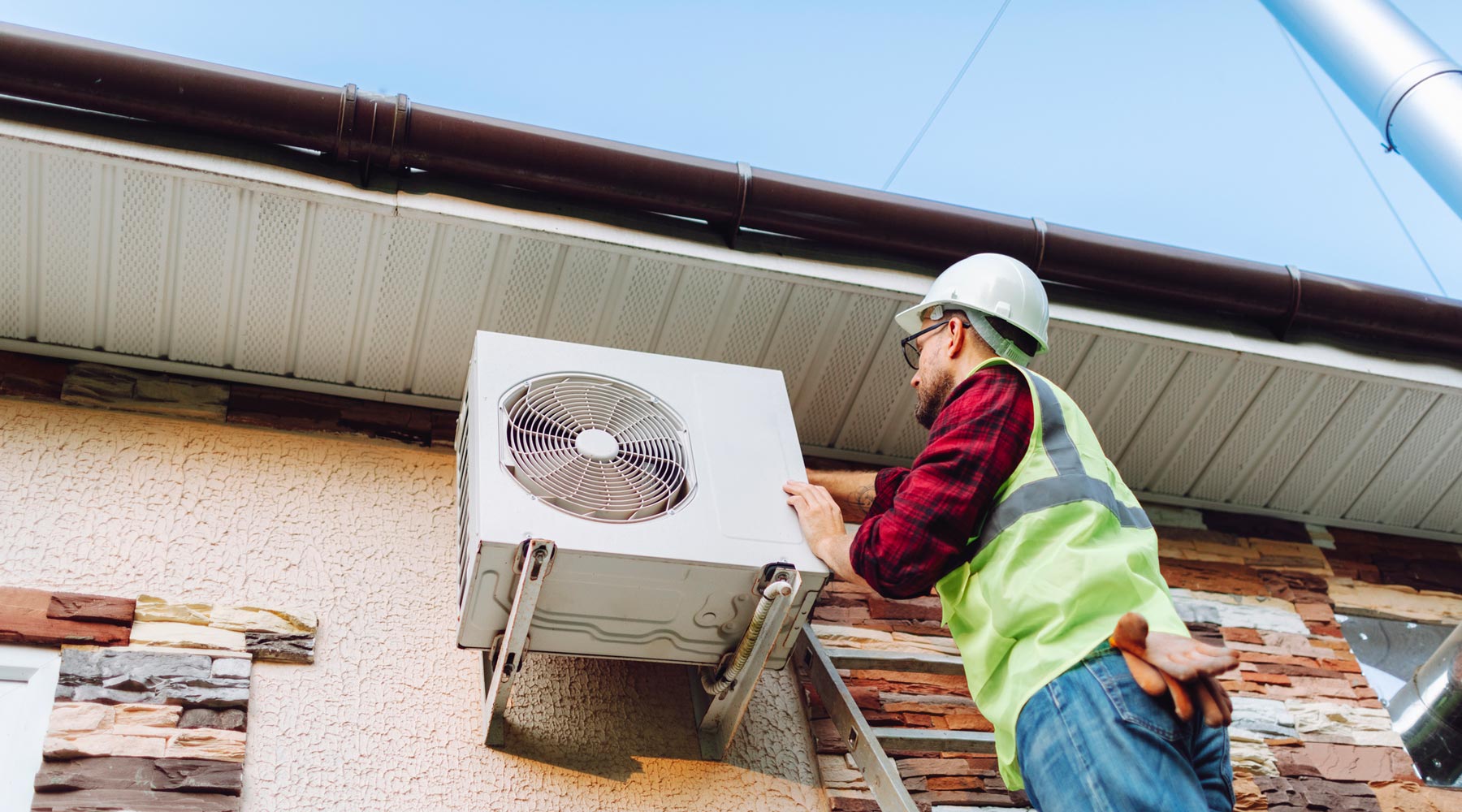
The Opportunity for Heat Pumps to Put Downward Pressure on Electricity Rates
Gas Utility Depreciation: Recommendations for an Uncertain Future
Help build the clean energy future. Donate today.
Independent research. Real-world solutions. Supported by donors.
RMI can pursue the highest-impact climate and energy solutions because we’re supported by people who believe change is possible. Every gift helps advance the work needed to make clean energy the default choice worldwide.
For other ways to give to RMI, including checks or gifts of stock, please visit Other Ways to Give.
