

Learn how we are working to transform how we use and produce energy.
Clean Energy Crosses the Political Aisle
Nationwide, solar and wind show more unity than division.
Why we share this work for free
RMI is an independent nonprofit working to accelerate the clean energy transition. We publish research like this to inform decision-makers and drive real-world impact.
Our work is supported by philanthropy as well as partnerships, including fee-for-service engagements. This support makes it possible for us to share our independent insights for free.
If you find this work valuable, you can support it anytime.
Get more insights like this
Stay up to date with the latest research, analysis, and tools from RMI by opting in to receive occasional emails below. You’ll get new reports, event invitations, and practical insights to help us all accelerate the clean energy transition.
Loading form...
Your download should start automatically. If it doesn’t, click the download button below.
This work is made possible by philanthropy
RMI is a nonprofit supported by donors and partners. Philanthropy enables us to produce independent research and make resources like this freely available.
If you find this report valuable, please consider supporting our work. You can also explore how we partner with organizations to drive impact.
Jump to Section
- Seven of the top ten states are red, based on share of solar and wind on their grids.
- The costs to deploy wind and solar have fallen sharply, leading to cheaper energy and other benefits.
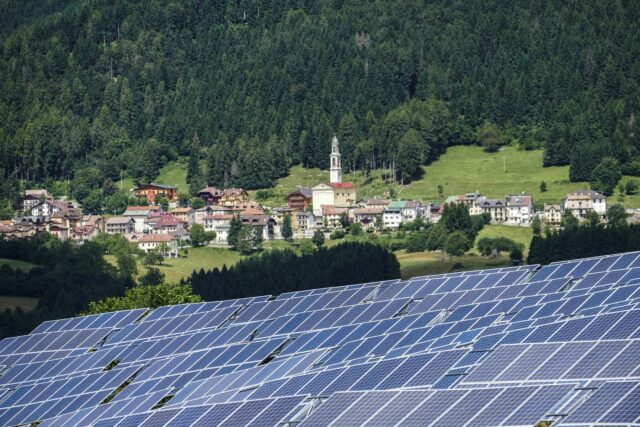
US states’ embrace of solar and wind energy spans the political spectrum, leading to significant levels of clean generation nationwide. In 2023, solar and wind met 22 percent of blue states’ demand for electricity and 17 percent in red states, according to the US Energy Information Administration (EIA).
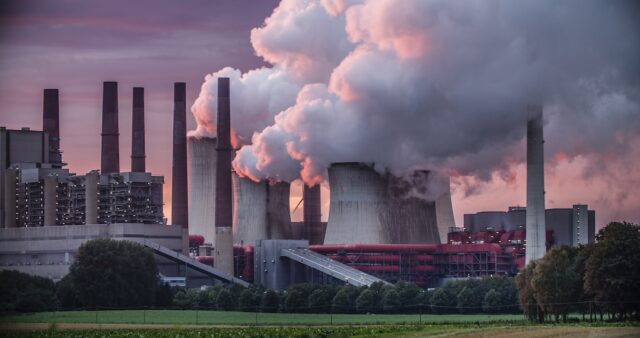
Clean energy passed a major milestone last year. For the first time wind and solar produced more electricity than coal in the United States. Recent analysis shows that in 2024, wind and solar met 17 percent of total US demand, while coal supplied 15 percent. Coal power peaked in 1990, when it supplied over half of total electricity.
Overall US renewable power output has risen sharply since 2000, propelled by a mix of falling costs and supportive policy. While related federal incentives have ebbed and flowed in that period, state-level investment has been steadier. Early embrace of renewables by community leaders (especially those in rural areas), businesses, and political officials, combined with states’ economic development efforts have laid a durable foundation.
Market trends have accelerated the shift. Over the past decade, the costs of deploying wind and solar have fallen by 70–90 percent. Wind and solar are now often cheaper to deploy than coal, gas, or oil. In red states with highly competitive wholesale power markets — such as South Dakota, Iowa, and Texas — renewables’ price advantage has been a key catalyst in their rapid growth.
Cheaper generation means cheaper energy. While many factors go into the final price consumers pay (for example, expenses such as wildfire mitigation can increase prices), renewables can help lower consumers’ costs. In Texas, for example, renewables supply 35 percent of overall power. The state’s consumers and businesses are saving $20 million per day thanks to wind and solar, as compared to fossil-fuel based generation.
Renewable energy also brings jobs, follow-on economic development opportunities, price stability, and other benefits. Fewer coal- and gas-burning power plants also means healthier air, which can cut health costs by reducing asthma and cancer, especially in populations that live close to power plants.
Authors

Related Insights

Reality Check: For Power Plants, Changing the Fuel Doesn’t Fix the Economics

Beyond the First Frontier: What Comes Next for Carbon Removal
Help build the clean energy future. Donate today.
Independent research. Real-world solutions. Supported by donors.
RMI can pursue the highest-impact climate and energy solutions because we’re supported by people who believe change is possible. Every gift helps advance the work needed to make clean energy the default choice worldwide.
For other ways to give to RMI, including checks or gifts of stock, please visit Other Ways to Give.
