Transit Data
We’re teaming up with key stakeholders to establish standards and practices for transit data that will ultimately deliver a seamless, convenient, and cost-effective mobility experience to users.
Learn how we are working to transform how we use and produce energy.
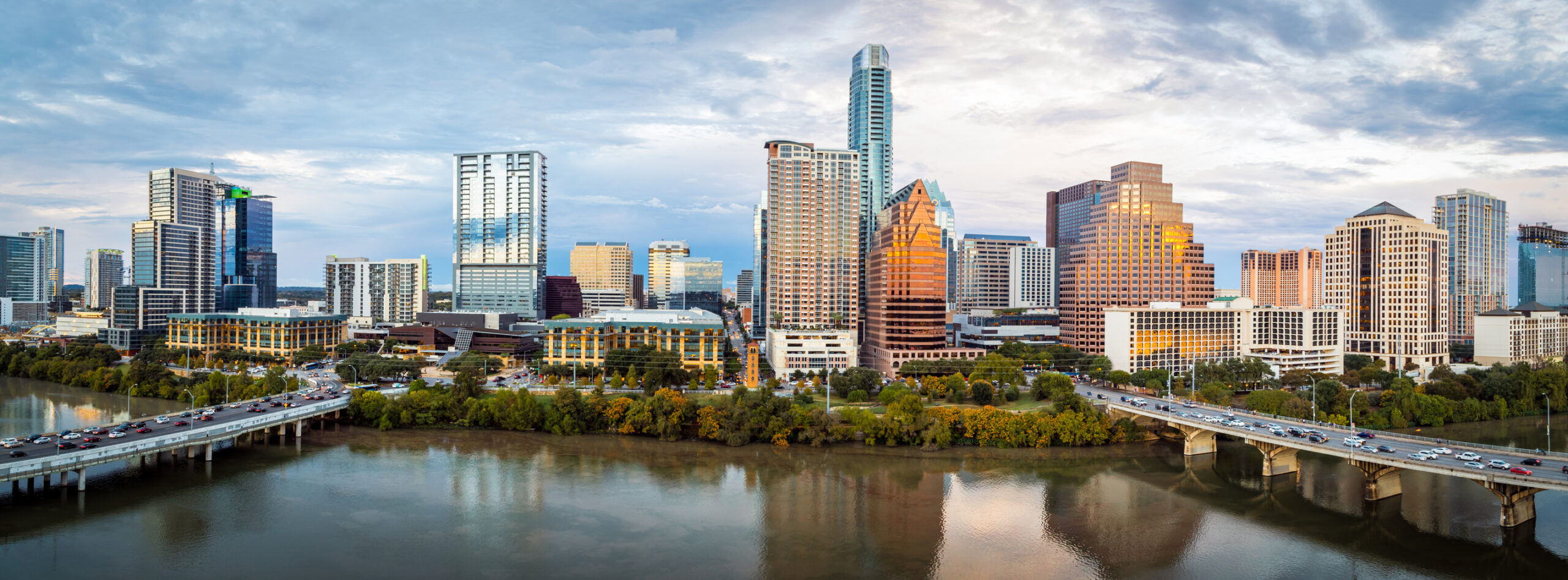
We’re helping Austin to become a pioneer and an epicenter for the commercialization and adoption of “new mobility.”
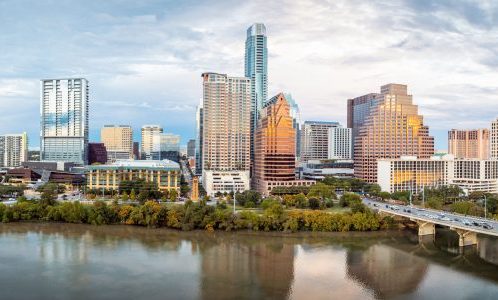
We’re partnering with Austin, Texas—our lead implementation city—to expand and enhance mobility options, in turn reducing congestion, decreasing costs, improving health, enhancing safety, reducing emissions, and ensuring continued economic growth.
Our solutions to personal mobility challenges cannot just be theoretical if they are to address oil use at the rate and scale needed to mitigate climate change. By working with U.S. cities as a means to test and scale real solutions, we can share positive results and key lessons learned that enable others to replicate what first movers have accomplished.
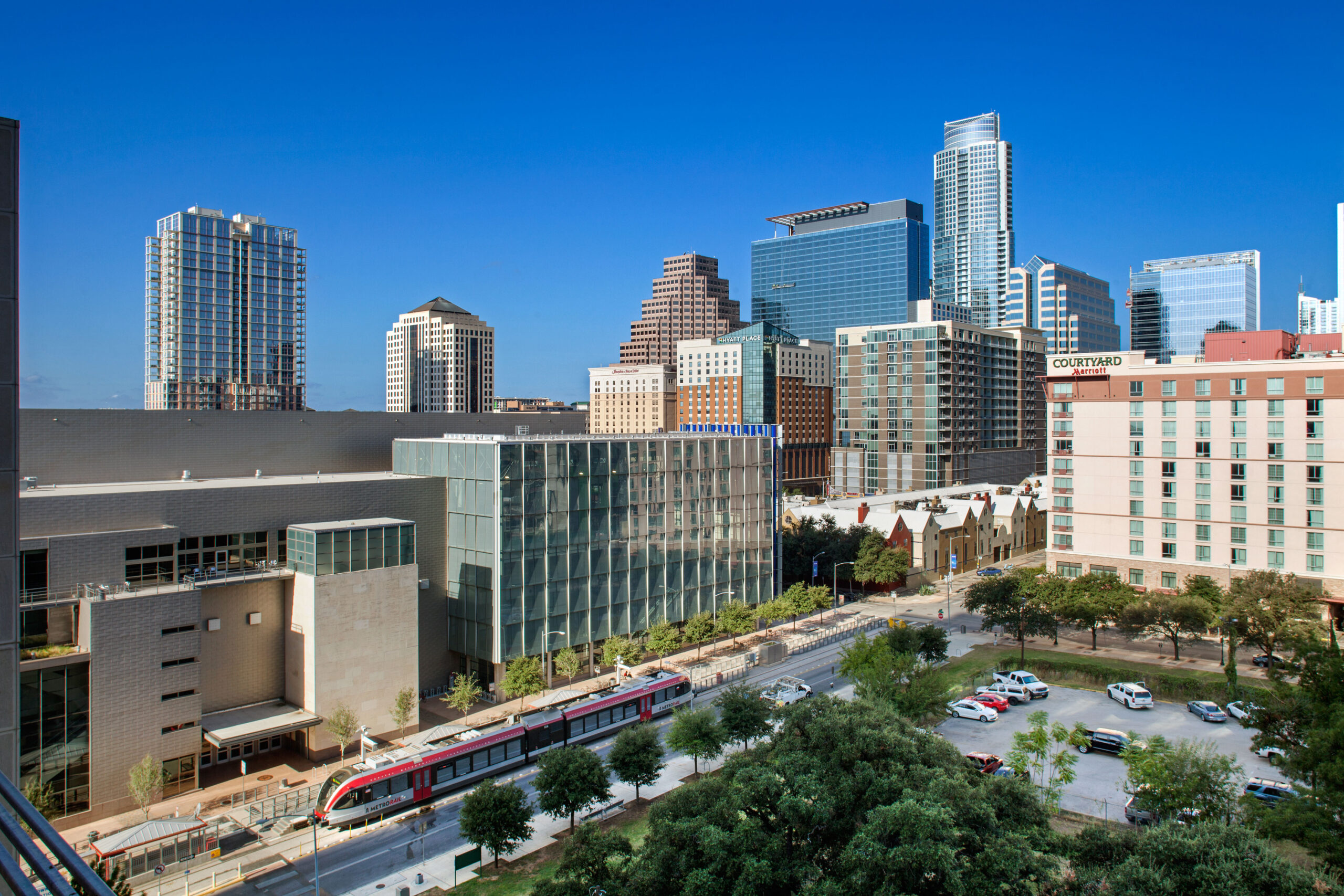
After a detailed and comprehensive national search, RMI selected the City of Austin, Texas to be the lead implementation city for its Mobility Transformation program. We’re partnering with the City of Austin, transit authorities, transportation companies, universities, technology providers, local businesses, and others.
We’re teaming up with key stakeholders to establish standards and practices for transit data that will ultimately deliver a seamless, convenient, and cost-effective mobility experience to users.
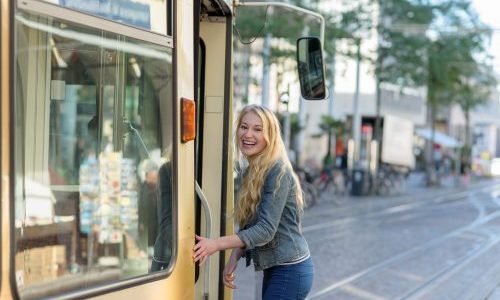
We’re working with local employers and providers to aggregate demand for shared commuting solutions, and to stimulate new business for, and streamline delivery of, mobility services.
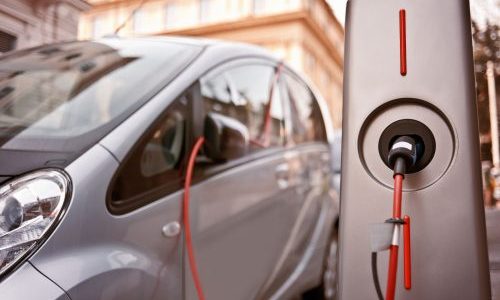
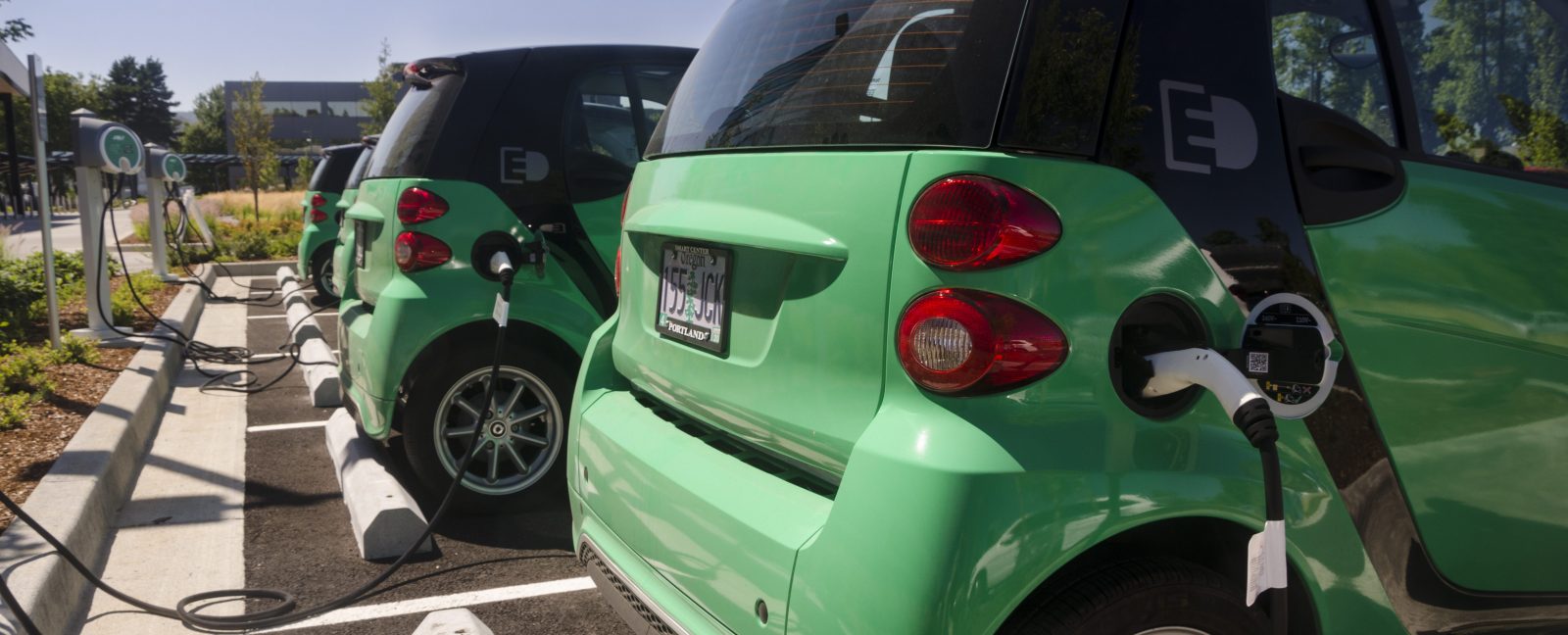
We’re helping transportation companies electrify their high-mileage vehicle fleets, drastically reducing cost, increasing overall efficiency, and maximizing electric vehicle miles traveled.
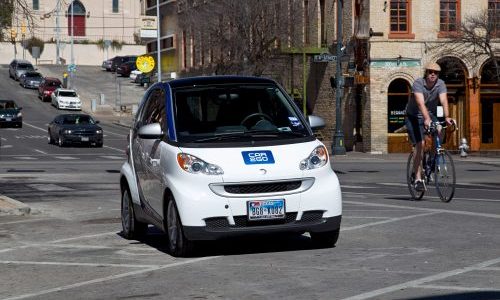
We’re helping to accelerate the coming wave of autonomous vehicles by launching pilots to test, enhance, and promote their commercial deployment and eventual adoption by consumers.

We’re helping to create forward-thinking land-use codes and innovative city design that encourage alternative forms of mobility, and improve quality of life.
We developed an integrated commuting solution for employees of two downtown Austin companies, Whole Foods Market and GSD&M, which both provided financial investment. The solution includes shuttle service provided by Chariot (a first- and last-mile circulator between company offices and downtown Austin transit hubs) and on-demand mobility options (carshare, bikeshare, ridehailing) integrated together as a single package. Next up are additional pilots, and development of the “Mobility Marketplace,” a platform to help scale solutions across Austin, the U.S., and globally.
We conceived and proposed a concession model that could drive high-penetration of EVs operating out of Austin Bergstrom International Airport. And we created a low-price purchase/finance program for EV’s for Ride Austin transportation network company drivers. We also helped identify 330 vehicles in the City of Austin’s fleet that could be replaced by electric vehicles. The city has agreed to purchase those vehicles by 2020 through a municipal lease program, and expects to save $3.5 million over ten years, even after factoring in the cost of installing charging stations for every vehicle.
We collaborated with the City of Austin and the City of Denver on their Smart City Challenge grants. The Smart City Challenge was aimed at transforming mobility in the winning city, and Austin and Denver were two of the seven finalists. Although Austin did not win, Steve Adler, the mayor of Austin, says about RMI’s help on the grant, “RMI is helping us innovate the way our city imagines the possibilities in the first place, which is absolutely critical as we move from an unworkable status quo toward a future that no American city has yet reached.”
We helped the City pass a resolution in City Council directing the City Manager to design a plan to help shift the city’s transportation system to one that enables shared, electric, and autonomous mobility services. It also proposes a new Chief of Electric Vehicle/Autonomous Vehicle transportation services. It’s a significant step towards establishing Austin as a hub for the commercialization of new mobility services and technologies.
As one of the fastest-growing cities in the country, Austin is preparing for the future by updating its land development code. RMI worked directly with the City of Austin to incorporate leading urban design and parking practices that will foster the growth of an accessible and sustainable mobility system.
RMI is adding tremendous value to the efforts of the city and our community to make it easier for people to choose how they commute where and when needed, in vehicles that are clean for the environment, while helping us prepare for leading edge technologies like driverless vehicles so our youngest, oldest, and all in between can have real and better choices about how they get around.
Council Mobility Committee Chair Ann Kitchen, Austin


Independent research. Real-world solutions. Supported by donors.
RMI can pursue the highest-impact climate and energy solutions because we’re supported by people who believe change is possible. Every gift helps advance the work needed to make clean energy the default choice worldwide.
For other ways to give to RMI, including checks or gifts of stock, please visit Other Ways to Give.