
Skip to content
Book 2018

The Carbon-Free Regions Handbook: Land Use

By Jacob Corvidae, Laurie Stone, James Mandel, Matt Jungclaus, Peter Bronski, and Angela Whitney

Jump to Section

Land use issues present both a great threat and a great opportunity to climate goals. Some 24% of global greenhouse gas emissions come from agriculture, forestry, and other land use, but this sector can also offset this impact by 20% by removing carbon from the atmosphere.

Land use is best approached at the state, provincial, and regional government scale. Cities miss most of the rural impacts associated with land use. Land use matters also tend to cross subnational jurisdictions, making regional solutions necessary. These recommendations can also provide a variety of benefits for preserving and promoting biodiversity.

Developed in partnership with the Under2 Coalition 

Action 20: Sustainable Land Management

Description

Promote policies that create, conserve, and expand high-carbon landscapes like natural grasslands, forests, peatlands, mangroves, and wetlands, and strengthen and enforce laws that combat deforestation.

Action Documents

Recommended Resources

The Department of Caquetá promotes the restoration of ecosystems in order to improve the capacity for resilience and increase carbon sequestration.

‐Álvaro Pacheco Álvarez, Governor, Departament of Caquetá, Colombia

Action 21: Open Space Conservation

Description

Preserve and conserve forests, grasslands, and other open space by identifying important natural resources, using local ordinances and state laws to protect land, and acquiring critical open space that can sequester carbon.

Action Documents

Recommended Resources

Action 22: Agricultural Methane Capture

Description

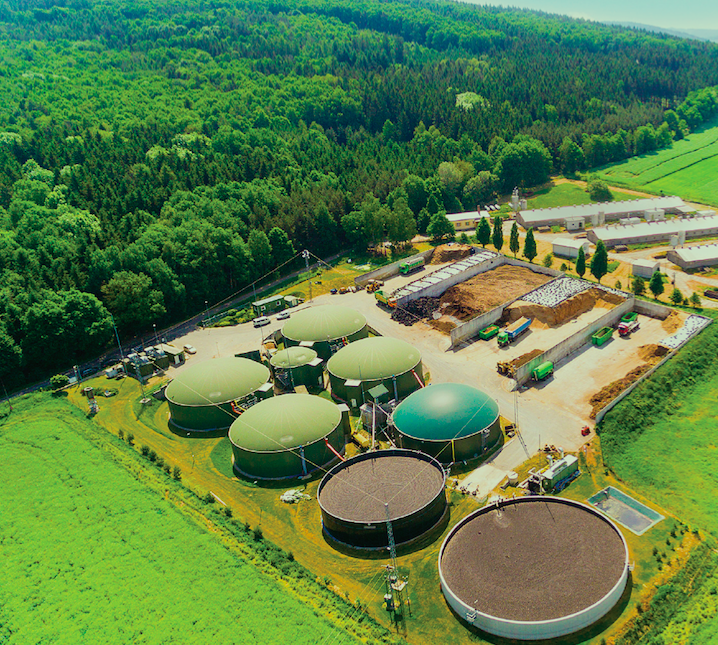
Promote methane capture from livestock waste through financial incentives and improved biogas infrastructure, and by strengthening the market for biogas system products.

Action Documents

Recommended Resources

Reducing the methane emissions generated by small- and medium-sized swine farms has high benefits for sustainable development and allows us to accelerate progress toward the decarbonization of our agricultural sector.

‐Eduardo Batllori Sampedro, Minister of Urban Development and Environment, Yucatan, Mexico

Action 23: Regenerative Agriculture

Description

Provide education, training, and incentives to enable farmers and ranchers to transition to new, more sustainable forms of agriculture and land management that help sequester carbon.

Action Documents

Recommended Resources

Engage with Us

Take action today and set your community on an ambitious course to carbon-neutrality bringing economic vitality, cleaner air, and better health and resilience.

Authors

Jacob Corvidae

Jacob Corvidae

Senior Principal
Laurie Stone

Laurie Stone

Managing Editor
James Mandel

James Mandel

Matt Jungclaus

Matt Jungclaus

Peter Bronski

Peter Bronski

Angela Whitney

Angela Whitney

Help build the clean energy future. Donate today.

Independent research. Real-world solutions. Supported by donors.

RMI can pursue the highest-impact climate and energy solutions because we’re supported by people who believe change is possible. Every gift helps advance the work needed to make clean energy the default choice worldwide.

For other ways to give to RMI, including checks or gifts of stock, please visit Other Ways to Give.