Community Resilience Hub Workshop Series
RegisterAbout This Event
Context
Severe storms, extreme temperatures, and widespread power outages are placing growing strain on cities across the United States. As federal incentives phase out, local governments and community organizations face a critical challenge: how to protect residents, maintain essential services, and deliver lasting community benefits at the same time. Community resilience hubs offer a proven path forward. By integrating clean solutions, such as energy efficiency upgrades, solar, battery storage, and heat pumps, into trusted community spaces, resilience hubs can provide reliable heating and cooling, backup power, and critical services during emergencies, while also delivering everyday benefits year-round.
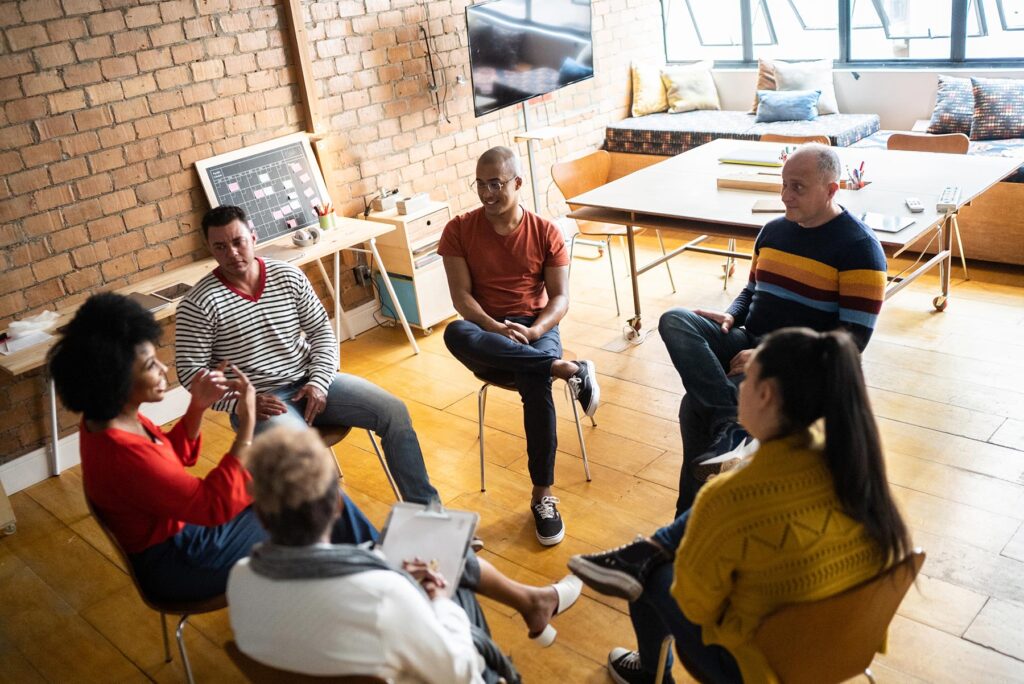
RMI’s Community Resilience Hub Workshop Series is designed to support cities, community-based organizations, and practitioners as they plan, fund, and deploy clean resilience solutions at community hubs in today’s evolving policy and energy landscape. Through a structured, peer-learning cohort, participants will gain practical guidance, technical insights, and real-world examples across key focus areas.
Objectives
The Community Resilience Hub Workshop Series is designed to support local governments and community-based organizations interested in developing community resilience hubs. This program equips participants with the knowledge, tools, and templates needed to move projects into implementation when they are ready. The workshop series focuses on the sustainable clean energy and procurement components of hub development and provides both expert-led training and peer learning opportunities for participating communities.
Workshop Series Structure
Through a blend of educational virtual workshops featuring experts and practitioners and facilitated peer-to-peer discussions among local governments and community-based organizations actively planning or considering resilience hub projects, the workshops will help participants build a shared understanding of best practices, challenges, and actionable models. By the end of the workshop series, participants will be better prepared with the resources, examples, and foundational planning insights necessary to move toward project development when ready.
Cohort Participant Expectations and Criteria
While participation in the cohort is free, RMI is only able to support a limited number of participating communities. As such, applicants will be asked to demonstrate the following features as part of their request to participate:
- Readiness and capacity to participate: Applicants should have designated staff or leadership able to actively participate in activities, share data and lessons learned, and commit time to planning, coordination, and peer learning throughout the cohort period.
- Commitment to clean energy–enabled resilience: Applicants should show interest in integrating or advancing clean energy solutions, such as solar, battery storage, or energy efficiency, as part of their resilience hub vision, including staff capacity to engage in technical learning.
Application Instructions
To join the Community Resilience Hub Workshop Series, please fill out this short application by Friday, March 6th. Our team will follow up with applicants in Mid-March 2026 to answer questions and ensure your community is a good fit.
For any questions, please contact Bryn Grunwald at bgrunwald@rmi.org.
Workshop Series Schedule and Overview
Each 60 minute virtual workshop will focus on a foundational element of resilience hub planning and development. Workshops and their topics may include but are not limited to:
Please note that the content and workshops may change based on participant feedback and needs.
Our Team
RMI is working with cities and communities in the US to improve resiliency and increase affordability. Over the last few years, RMI’s US Program team has supported over 200 local governments and community-based organizations in their sustainability and resiliency efforts. In addition to running educational workshops, our team has developed a “community cohort” model, in which we provide a combination of education, technical support, and facilitated peer exchange to help local governments implement their sustainability agendas. Past cohorts have focused on topics such as municipal on-site solar, municipal off-site renewables, aggregated off-site renewables, community energy planning, and Solarize programs, and more.