

Learn how we are working to transform how we use and produce energy.
Opportunities for Industrial Modernization in Washington
Technical Pathways, Investments, Policy, and Decarbonizing Options for Emission-Intensive, Trade-Exposed Industries
Why we share this work for free
RMI is an independent nonprofit working to accelerate the clean energy transition. We publish research like this to inform decision-makers and drive real-world impact.
Our work is supported by philanthropy as well as partnerships, including fee-for-service engagements. This support makes it possible for us to share our independent insights for free.
If you find this work valuable, you can support it anytime.
Get more insights like this
Stay up to date with the latest research, analysis, and tools from RMI by opting in to receive occasional emails below. You’ll get new reports, event invitations, and practical insights to help us all accelerate the clean energy transition.
Loading form...
Your download should start automatically. If it doesn’t, click the download button below.
This work is made possible by philanthropy
RMI is a nonprofit supported by donors and partners. Philanthropy enables us to produce independent research and make resources like this freely available.
If you find this report valuable, please consider supporting our work. You can also explore how we partner with organizations to drive impact.
Jump to Section
Washington’s Cap-and-Invest program is a popular and powerful tool for meeting the state’s greenhouse gas targets and funding investments that support Washington’s businesses and residents. But how the program considers industrial emissions beyond 2034 will have to be revisited by Washington’s legislative and regulatory bodies in order for the program to function efficiently and equitably in the long term.
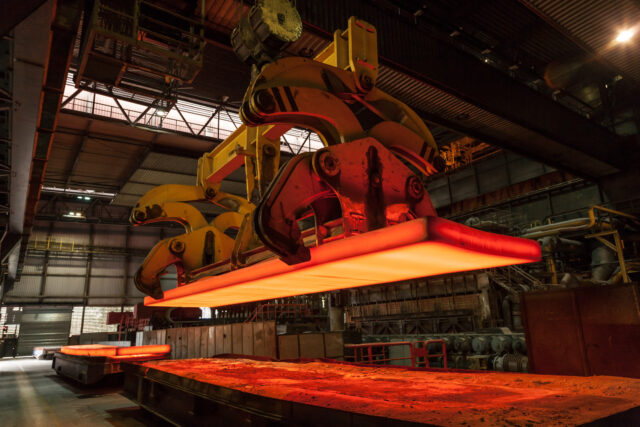
RMI has performed a technical pathways analysis for each of Washington’s “Emission-Intensive, Trade-Exposed” (EITE) industrial sectors, which produce paper, food, beverages, steel, aluminum, glass, cement, building materials, airplanes, semiconductors, fertilizer, and transportation fuels. We found that existing and near-term technologies could reduce emissions from EITEs 39% by the end of 2034, largely through implementing energy and material efficiency measures and electrifying applications.
The results of the technical pathways analysis suggest enough industrial emissions can be reduced by the end of 2034 and by 2050 to justify updating the Cap-and-Invest program with sectoral benchmarking and new no-cost allowance reduction schedules post-2034. These updates would ensure the program continues to function efficiently and equitably, and meets long-term decarbonization targets.
To help EITEs decarbonize and ensure the Cap-and-Invest program meets its objectives, we also detail 18 new policy recommendations pertaining to Washington’s industrial sector. We categorize these ideas as “Updating Standards and Regulations,” “Cap-and-Invest Program Evolution and EITE Treatment,” or “State Support”; and prioritize the policies as either “Essential,” “Recommended,” or “Worth Consideration.”
Additional contributors: Joe Fallurin, Allie Jobe, Mia Reback, Kayleigh Rubin, Jane Sadler
Authors

Drew Veysey
Senior Associate
Valeriya Azarova

Camellia Moors
Associate
Hannah Thonet
ManagerRelated Insights
Gas Utility Depreciation: Recommendations for an Uncertain Future
Help build the clean energy future. Donate today.
Independent research. Real-world solutions. Supported by donors.
RMI can pursue the highest-impact climate and energy solutions because we’re supported by people who believe change is possible. Every gift helps advance the work needed to make clean energy the default choice worldwide.
For other ways to give to RMI, including checks or gifts of stock, please visit Other Ways to Give.