

Learn how we are working to transform how we use and produce energy.
Unlocking Low-Emissions Steel: Introducing a Book and Claim Framework for the Iron and Steel Sector
Why we share this work for free
RMI is an independent nonprofit working to accelerate the clean energy transition. We publish research like this to inform decision-makers and drive real-world impact.
Our work is supported by philanthropy as well as partnerships, including fee-for-service engagements. This support makes it possible for us to share our independent insights for free.
If you find this work valuable, you can support it anytime.
Get more insights like this
Stay up to date with the latest research, analysis, and tools from RMI by opting in to receive occasional emails below. You’ll get new reports, event invitations, and practical insights to help us all accelerate the clean energy transition.
Loading form...
Your download should start automatically. If it doesn’t, click the download button below.
This work is made possible by philanthropy
RMI is a nonprofit supported by donors and partners. Philanthropy enables us to produce independent research and make resources like this freely available.
If you find this report valuable, please consider supporting our work. You can also explore how we partner with organizations to drive impact.
Jump to Section
Steel is essential to sectors such as construction, automotive, and energy, but it is also one of the world’s most carbon-intensive industries, responsible for roughly 11% of global greenhouse gas emissions.
Decarbonizing steel is not a technological mystery. Cleaner pathways already exist, but deployment has been frustratingly slow. High upfront capital costs and long asset lifetimes are among the multiple barriers to rapid decarbonization.
Even companies with ambitious climate targets and a genuine willingness to pay a premium for low-emissions steel often find themselves unable to access it. Physical supply chains are often too complex to connect motivated buyers with emerging green producers, and decarbonization efforts often overlook iron, even though it accounts for the largest proportion of the sector’s carbon emissions. A book and claim (B&C) system for iron and steel is primed to help solve this problem.
What is book and claim?
B&C separates environmental attributes from the physical product. Producers sell environmental attribute certificates (EACs) linked to verified low-emissions steel production, generating additional revenue to support decarbonization. Buyers purchase and retire these certificates and apply the associated environmental attributes to their emissions inventories (see exhibit below).
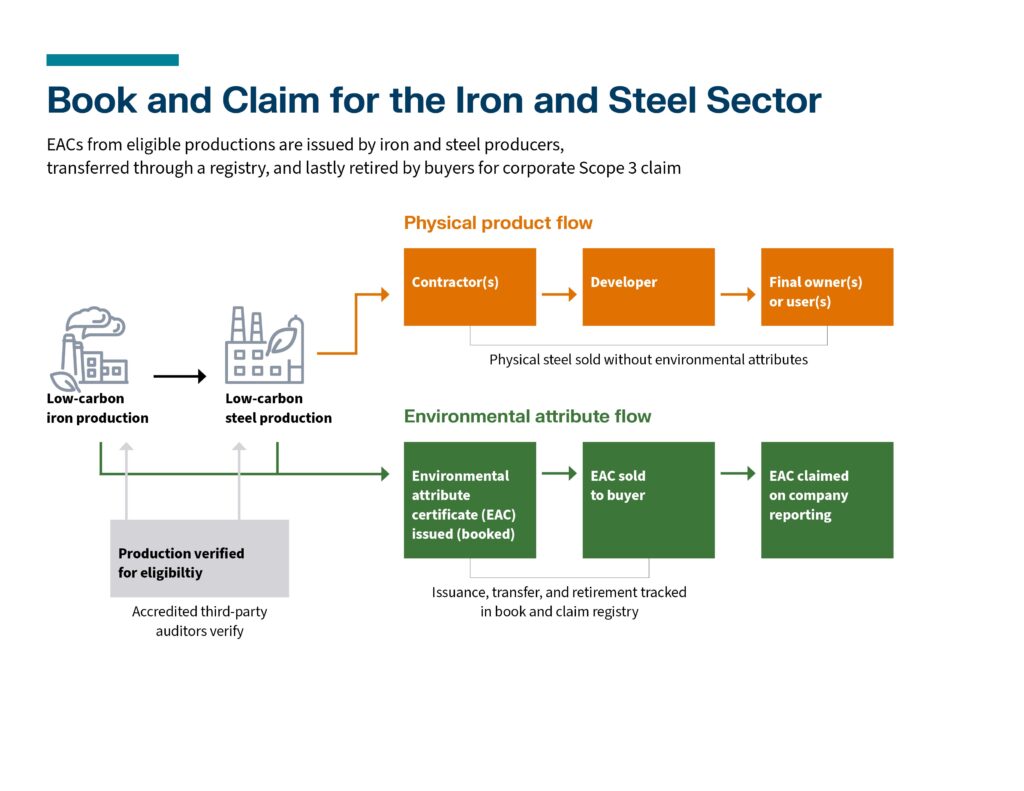
B&C is not a new idea. It is the same principle behind renewable energy certificates (RECs) and is already being implemented for sustainable aviation fuel (SAF). What is new is its application to steel, which requires sector-specific rules to work credibly. In parallel, organizations such as the GHG Protocol, SBTi, and ISO are clarifying the use of EACs in corporate reporting, helping define quality criteria, reporting expectations, and safeguards that support the development of high-integrity B&C systems.
Why iron and steel needs its own framework
Applying B&C to iron and steel requires careful design. Steel supply chains often involve multiple intermediaries, making it difficult for motivated buyers to physically source low-emissions steel. At the same time, near-zero emissions steel production remains limited and geographically concentrated.
Most emissions also occur upstream during ironmaking and primary steelmaking, requiring mechanisms that can credibly target these stages while avoiding double counting and overstated claims.
In addition, multiple low-emissions steel standards and accounting approaches have emerged in recent years, each using different system boundaries and methodologies. Without harmonized rules for certificate issuance, transfer, and retirement, it becomes difficult to compare claims across producers and markets.
What a B&C Approach Means for Producers and Buyers
For iron and steel producers, the B&C approach creates a credible way to monetize verified emissions reductions independent of physical delivery constraints. By expanding the pool of potential buyers, it can help de-risk investments in low-emissions steelmaking and support earlier deployment of emerging technologies.
“Decarbonizing ironmaking requires significant capital investment, and innovative commercial frameworks are needed to accelerate this transition beyond the physical market in a certain location.
A credible B&C framework allows us to sell the environmental value of our production to buyers anywhere in the world, creating a commercial pathway enabling the investments we need to make today to ensure that the green iron transition can happen at a pace and scale the climate demands.”— GravitHy, a low-emissions iron producer
“There is a clear demand for near-zero-emission steel and a willingness to pay a premium, especially in geographies where there is a cost for carbon.
Unlocking the potential for customers more broadly to purchase the green value, through use of environmental attribute certificates, will spur further production for sustainably sourced steel. Those EAC transactions require a robust system with high integrity, and that is what this collaboration sets out to put in place.”
— Stegra, a low-emissions steel producer
For buyers, having a dedicated B&C framework can provide a transparent way to support supply chain decarbonization when physical sourcing is not yet feasible. Many buyers are committed to driving decarbonization across their supply chains, but physically sourcing low-emissions steel at the scale and locations that their operations require is not always possible. A B&C system offers a credible, transparent way to support the growth of green steel production while maintaining strong accounting and claims integrity. This framework is intended to be an important step toward making the low-emissions steel market work for buyers.
Introducing the Iron and Steel Book & Claim Framework
A functioning B&C system typically relies on three interdependent components. First, a product certification scheme is needed to verify that low-emissions steel products meet credible and consistent environmental requirements through robust sustainability standards and third-party verification. Second, B&C system infrastructure (including a system manual, registry rulebook, and governed digital registry) is required to securely issue, transfer, and retire book-and-claim units according to defined rules. Third, claim reporting guidance is needed to support buyers in credibly accounting for and communicating low-emissions product claims within corporate climate disclosures.
RMI has developed a B&C Framework for the Iron and Steel Sector which provides critical elements needed for B&C Manual, Registry Rule book and Accounting and Reporting Guidelines. It was developed through consultation with approximately 20 organizations spanning steel producers, buyers, technical experts, academics, and industry associations.
This framework aims to:
- Set clear eligibility criteria: establishes performance thresholds that require producers to demonstrate significant progress toward near-zero emissions. Productions achieving near-zero status are further distinguished with a “Near-Zero Aligned” designation.
- Define consistent emissions accounting and baselines: establishes harmonized emissions measurement rules and baseline approaches to ensure that certificates represent comparable climate outcomes.
- Protect against fossil lock-in and climate integrity risks: adds route-specific safeguards to ensure that certificates do not inadvertently reward long-term reliance on fossil-intensive production.
- Establish traceability and governance rules: defines requirements for certificate issuance, registry tracking, third-party verification, and anti-double-counting protections.
This framework is also designed to be interoperable with ResponsibleSteel, the Low Emission Steel Standard (LESS), China’s C2F Steel Standard (C2F Steel), and other existing schemes to reduce fragmentation and avoid creating a competing product certification system.
“ResponsibleSteel represents the global standard for market mechanisms grounded in credibility. By designing thresholds that are in alignment with our Decarbonization Progress Levels, the framework ensures that certificates represent meaningful emissions reductions.
We are pleased to see the ResponsibleSteel International Production Standard underpins this framework for a system that can expand access to low-emissions steel globally, and we look forward to working with RMI to make this market mechanism a reality.”
— ResponsibleSteel, steel standard setter
For the broader market, the framework establishes a common architecture that reduces the fragmentation of approaches, aligns with emerging international guidance, and provides the kind of standardized rules that institutional investors, corporate procurement teams, and sustainability auditors need to engage with confidence.
The path forward
The Framework provides guidance for early B&C transactions but is not yet a formal certification standard or operational registry. Bilateral pilots are already testing how B&C can work in real steel transactions, and further pilots will be important for applying the guidance, identifying implementation challenges, and refining the rules as the market develops.
Moving from bilateral transactions to a scalable B&C system will require continued collaboration across the steel value chain. Producers and buyers will need to test the commercial model and demonstrate demand, while standards bodies, assurance providers, registry operators, and other service providers will be needed to strengthen certification, verification, tracking, and governance.
RMI will continue working with steel-sector stakeholders to test the Framework and develop an appropriate governance and operating model. We welcome partners interested in helping establish B&C as a robust and credible mechanism for mobilizing investment in low-emissions iron and steel.




Related Insights
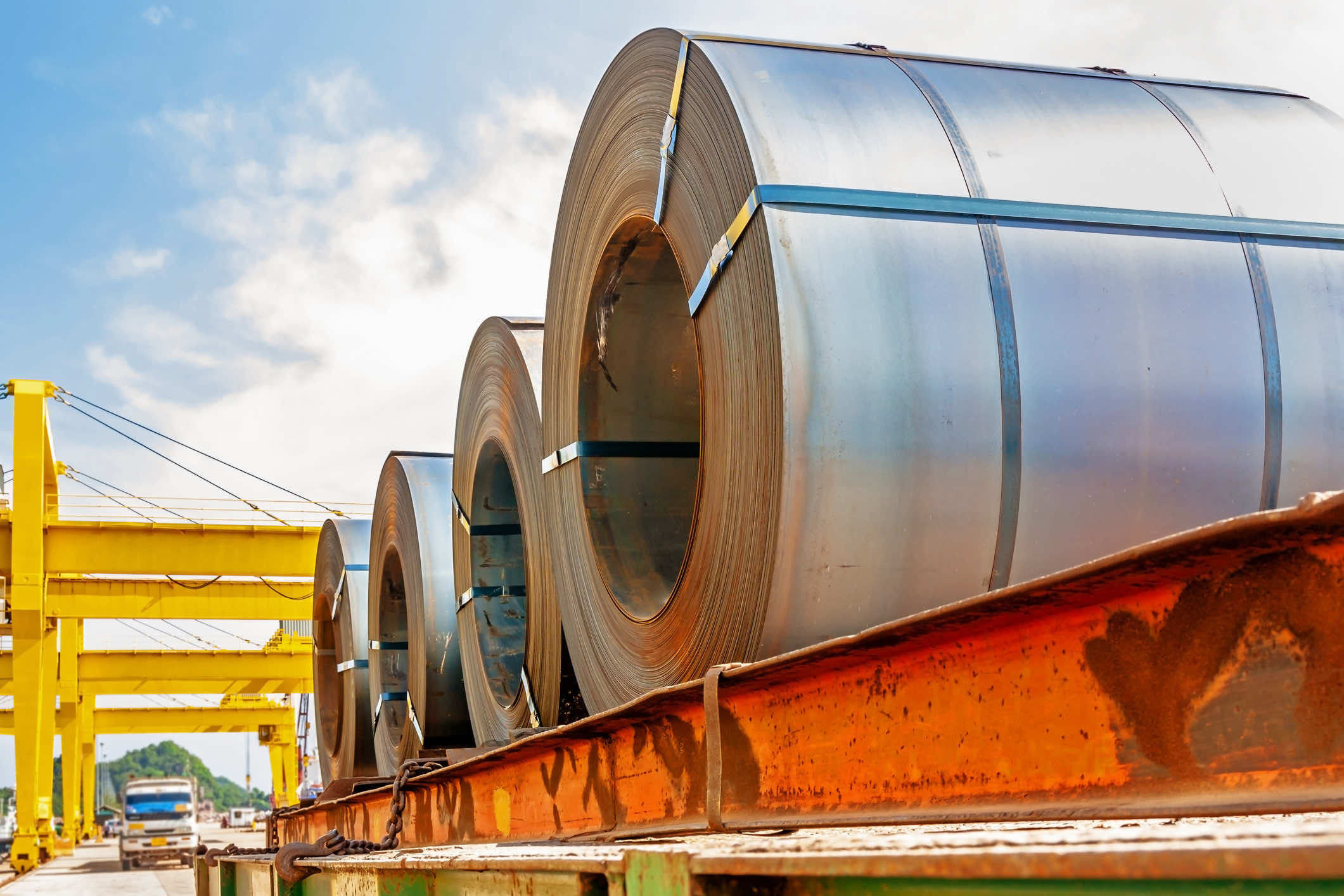
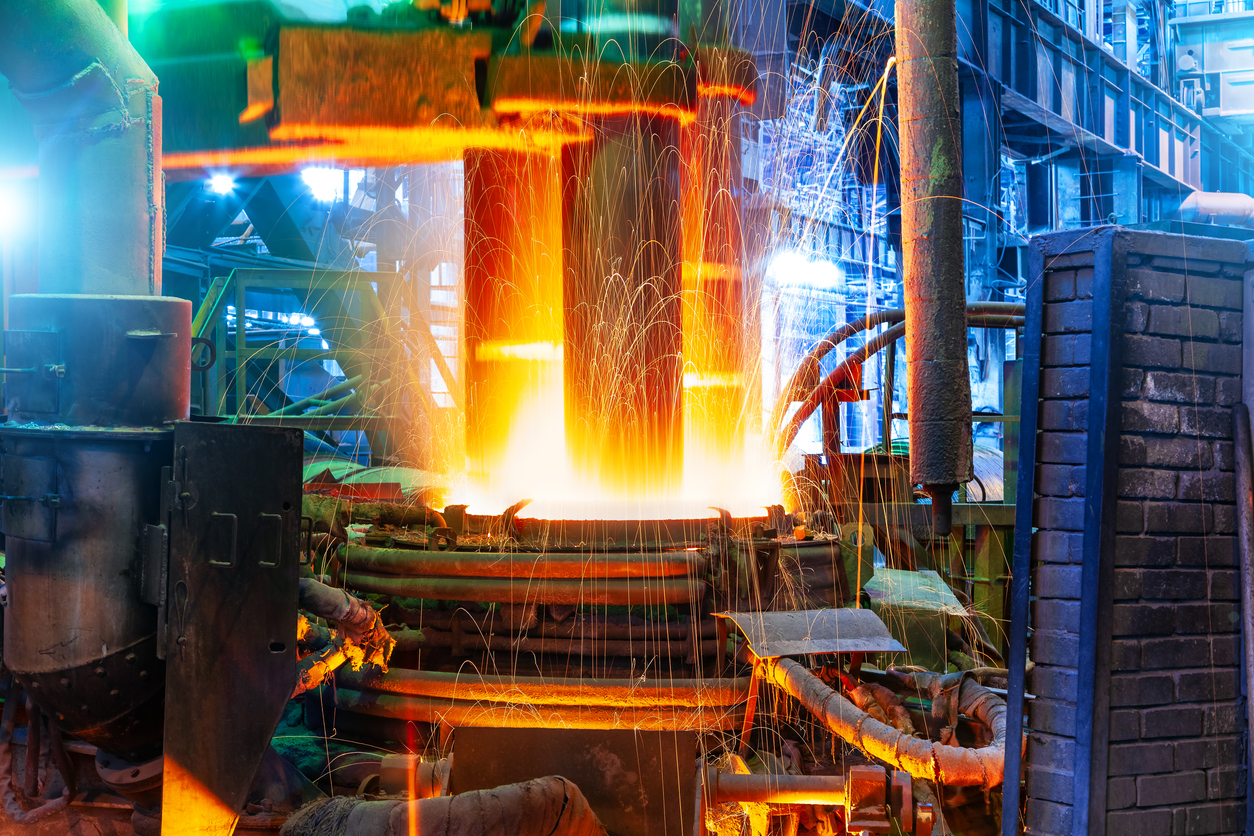
From Concept to Commitment – Iron and Steel Producers Answer the Call for Near-Zero Steel
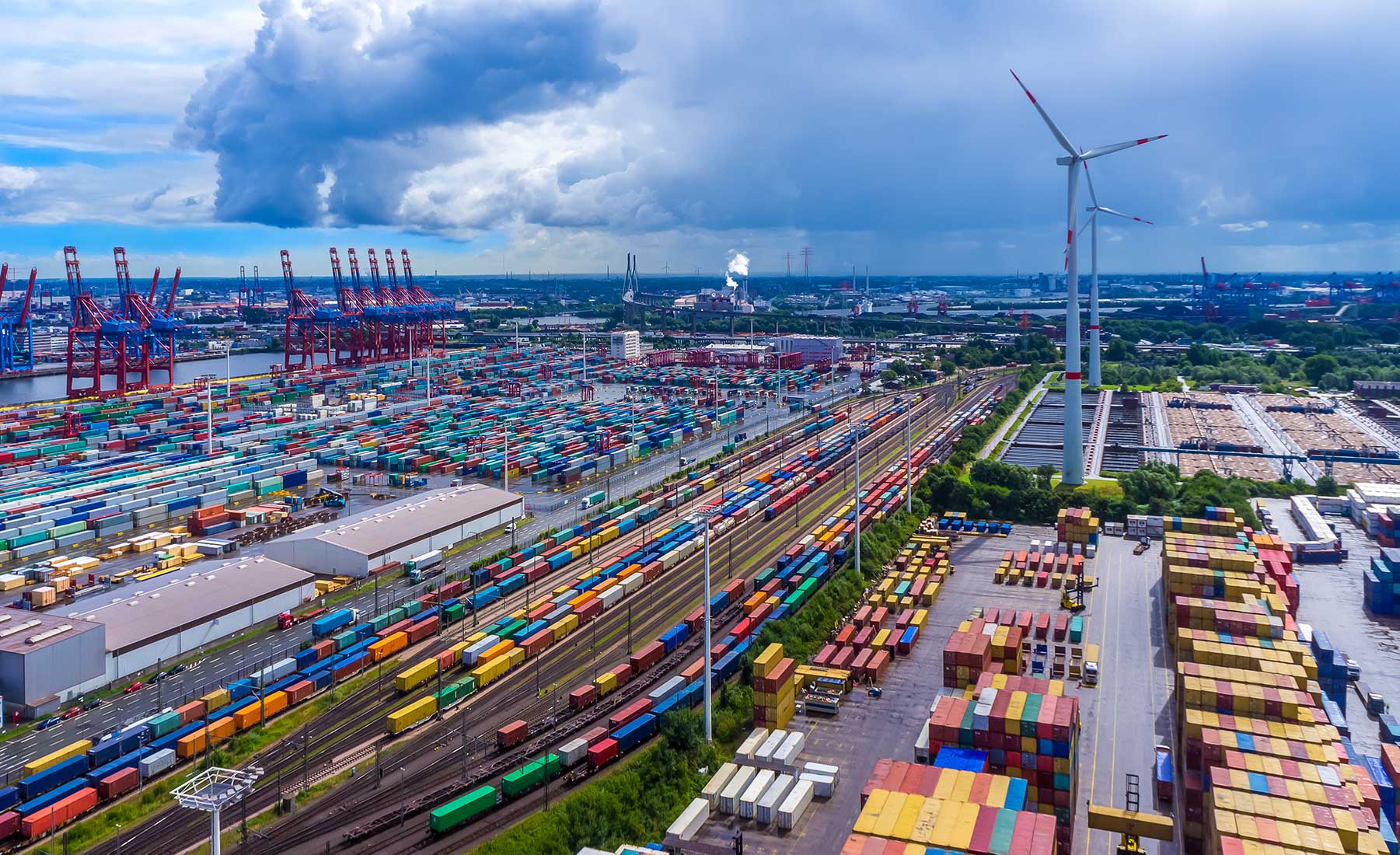
Unlocking Low-Carbon Cement and Concrete Through Book and Claim
Help build the clean energy future. Donate today.
Independent research. Real-world solutions. Supported by donors.
RMI can pursue the highest-impact climate and energy solutions because we’re supported by people who believe change is possible. Every gift helps advance the work needed to make clean energy the default choice worldwide.
For other ways to give to RMI, including checks or gifts of stock, please visit Other Ways to Give.
