

Learn how we are working to transform how we use and produce energy.
Collaborating with Utilities to Meet Underserved Community Needs
A Guide to Equitable Commercial Solar and Solar + Storage Deployment
Why we share this work for free
RMI is an independent nonprofit working to accelerate the clean energy transition. We publish research like this to inform decision-makers and drive real-world impact.
Our work is supported by philanthropy as well as partnerships, including fee-for-service engagements. This support makes it possible for us to share our independent insights for free.
If you find this work valuable, you can support it anytime.
Get more insights like this
Stay up to date with the latest research, analysis, and tools from RMI by opting in to receive occasional emails below. You’ll get new reports, event invitations, and practical insights to help us all accelerate the clean energy transition.
Loading form...
Your download should start automatically. If it doesn’t, click the download button below.
This work is made possible by philanthropy
RMI is a nonprofit supported by donors and partners. Philanthropy enables us to produce independent research and make resources like this freely available.
If you find this report valuable, please consider supporting our work. You can also explore how we partner with organizations to drive impact.
Jump to Section
Communities of color and low-income populations dedicate a disproportionate amount of their income to pay for energy. They also experience more frequent and prolonged service disruptions, impacting community health and safety.
When designed correctly, commercial solar + storage installations have the potential to ameliorate these issues. However, utility programs created to support such installations are frequently underutilized because communities often lack the time and resources needed to access them. Further, historically, few utilities have had the motivation and incentives or experience to account for this barrier.
RMI provided process support to Solar Energy Innovation Network teams, and described their experiences in accessing these clean energy resources to support historically underserved communities in our latest report. The report also outlines the roles of key stakeholders (e.g., utilities, building owners, and community organizations) in supporting program delivery and recommended practices to collaborate to meet community needs. The report focuses on commercial solar and solar + storage resources, including solar + storage microgrids. These technologies can offer benefits to communities who do not own their own properties. When designed to act as a “resilience hub,” they can also support communities in times of electricity disruption.
The report includes a step-by-step guide to collaborating with utilities to implement programs for historically underserved customers. Utilities can support these projects with financing assistance, modernized rate designs, and, in the deployment phase, technical assistance for system design and interconnection.
Download and read this report to understand how to enable collaboration between community organizations and utilities. By doing so, we can advance cleaner, more resilient, and fairer energy systems for all.



Related Insights

Reality Check: For Power Plants, Changing the Fuel Doesn’t Fix the Economics
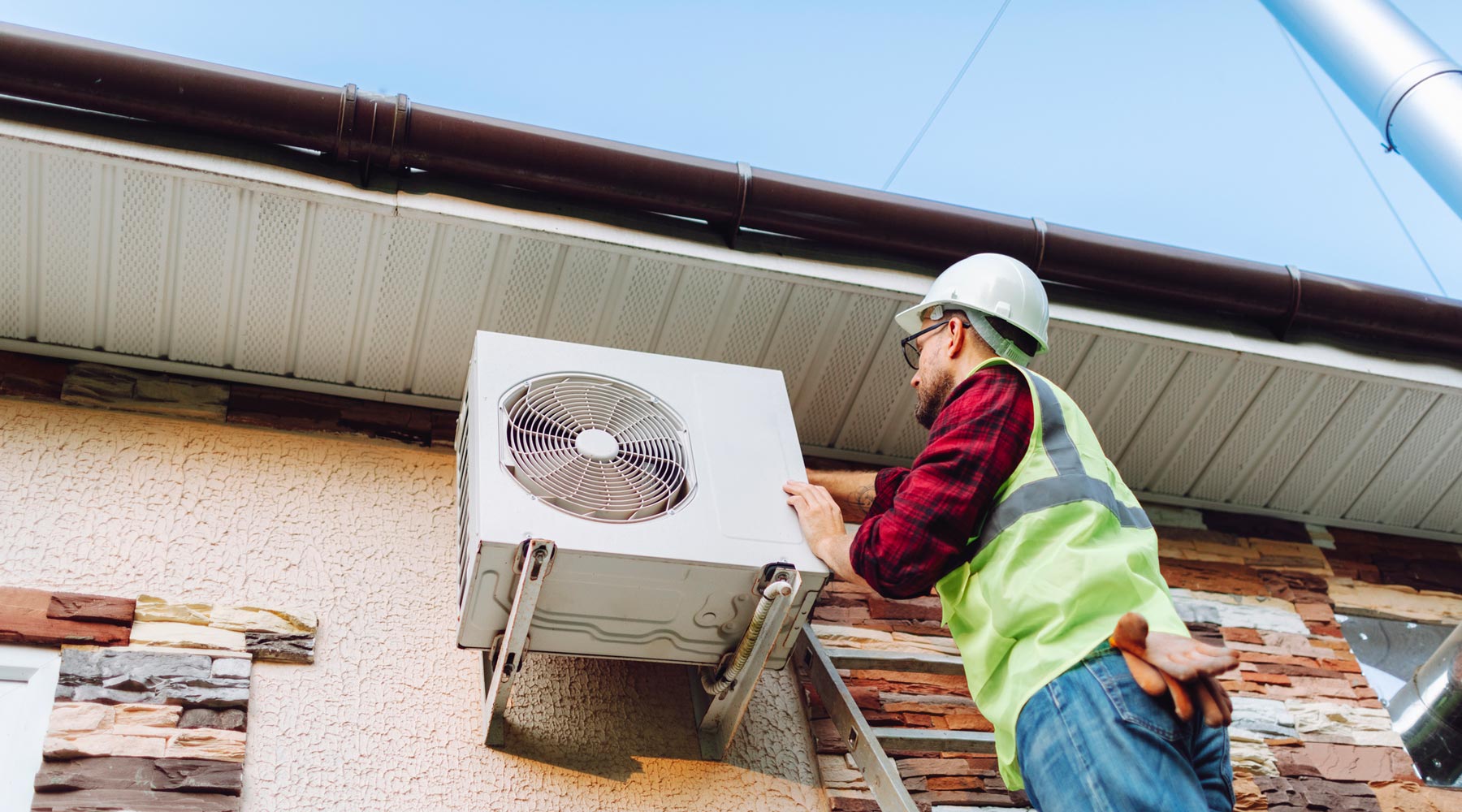
The Opportunity for Heat Pumps to Put Downward Pressure on Electricity Rates
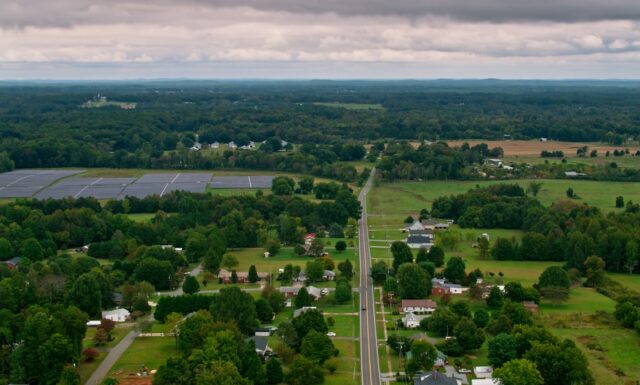
For Clean Energy Projects, How Community Benefits Are Delivered Matters
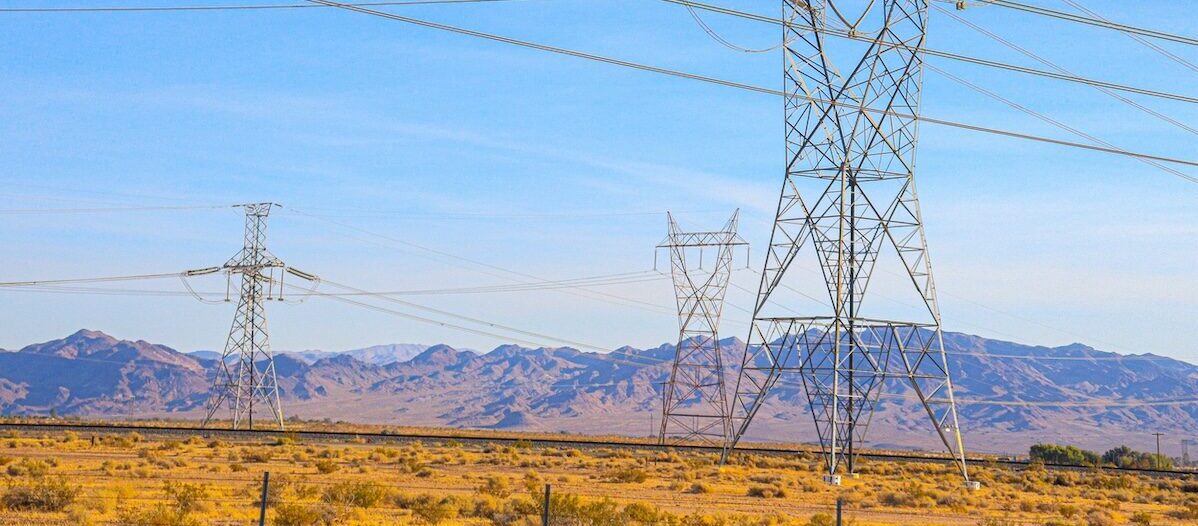
Tracking WestTEC: Where 100+ Transmission Projects Stand and What Comes Next
Help build the clean energy future. Donate today.
Independent research. Real-world solutions. Supported by donors.
RMI can pursue the highest-impact climate and energy solutions because we’re supported by people who believe change is possible. Every gift helps advance the work needed to make clean energy the default choice worldwide.
For other ways to give to RMI, including checks or gifts of stock, please visit Other Ways to Give.
