

Learn how we are working to transform how we use and produce energy.
Planning to Harness the Inflation Reduction Act
A toolkit for electric utility regulators to ensure utility resource plans incorporate the opportunities presented by federal funding.
Why we share this work for free
RMI is an independent nonprofit working to accelerate the clean energy transition. We publish research like this to inform decision-makers and drive real-world impact.
Our work is supported by philanthropy as well as partnerships, including fee-for-service engagements. This support makes it possible for us to share our independent insights for free.
If you find this work valuable, you can support it anytime.
Get more insights like this
Stay up to date with the latest research, analysis, and tools from RMI by opting in to receive occasional emails below. You’ll get new reports, event invitations, and practical insights to help us all accelerate the clean energy transition.
Loading form...
Your download should start automatically. If it doesn’t, click the download button below.
This work is made possible by philanthropy
RMI is a nonprofit supported by donors and partners. Philanthropy enables us to produce independent research and make resources like this freely available.
If you find this report valuable, please consider supporting our work. You can also explore how we partner with organizations to drive impact.
Jump to Section
The Inflation Reduction Act (IRA) is a monumental investment in the American energy economy that fundamentally changes utility integrated resource plans (IRPs).
Unfortunately, early indications show that most utilities are not fully considering the benefits of the IRA, leaving significant money on the table and increasing the risk of challenges down the line that we could be solving for now. Resource plans that do not incorporate IRA opportunities designed to reduce the cost of zero-emissions resources, prepare for the impacts of customer adoption of electrified technologies, or anticipate the incentives for large industrial loads, are not accurate — and are less likely to enable utilities to meet the grid needs of the future. Commission actions can change this.
This toolkit, informed by and designed for regulators, offers early examples and provides a suite of tools and benchmarks that regulators can leverage to ensure future resource plans consider the opportunities of the IRA. There are four parts:
- Part 1, Navigating Resource Planning Under the Inflation Reduction Act, sets clear benchmarks and examples of how utilities can adjust IRPs to evaluate and incorporate potential IRA benefits. It includes North Star indicators that utilities can strive for to maximize IRA benefits, and First Steps, that are meant to be no-regret, lighter lift options.
- Part 2, What Regulators Can Do, details the actions regulators can take to direct utilities down the path of incorporating the full suite of potential benefits.
- Appendix A: Questions Regulators Can Ask Utilities to Aid Evaluation and Review of IRP’s Incorporation of the IRA, contains a detailed set of questions that regulators can ask utilities when evaluating forthcoming IRPs.
- Appendix B: Regulatory Collaborative (Reg Lab) Toolkit of Key IRA Provisions provides a helpful explanation of the key, IRA provisions that affect resource planning.
This report was heavily informed by the first cohort of our Reg Lab, The IRA and Resource Planning. We hope these insights and examples empower staff across the nation to navigate this complex, and critical, moment in resource planning.
Please contact Katerina Stephan (kstephan@rmi.org) for further support.
Authors

Tyler Fitch
Manager
Rachel Gold
Senior Principal
Katerina Stephan
Manager
Lauren Shwisberg
Principal
Gennelle Wilson
ManagerRelated Insights

For Clean Energy Projects, How Community Benefits Are Delivered Matters
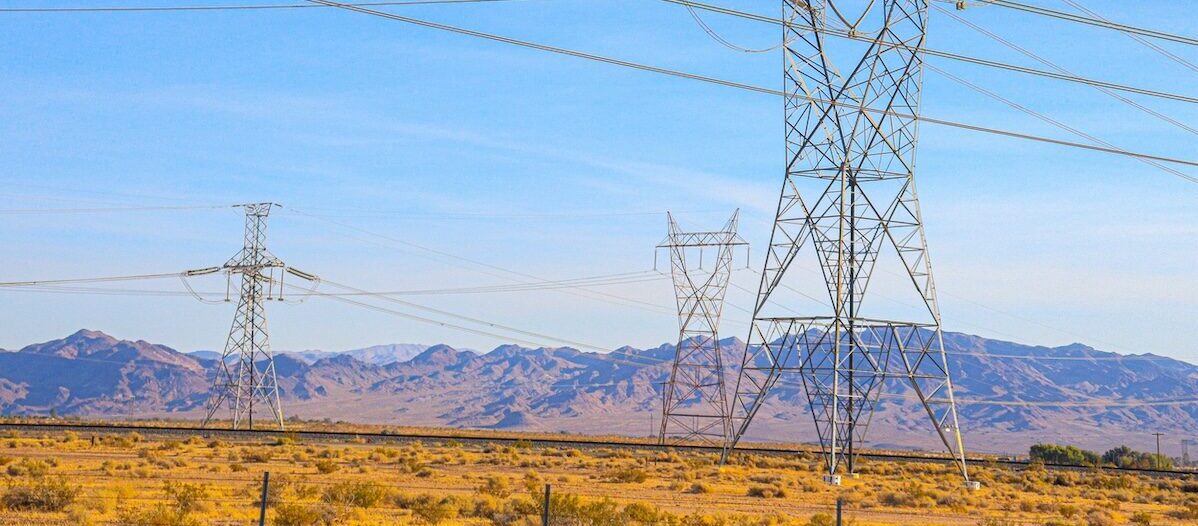
Tracking WestTEC: Where 100+ Transmission Projects Stand and What Comes Next

Help build the clean energy future. Donate today.
Independent research. Real-world solutions. Supported by donors.
RMI can pursue the highest-impact climate and energy solutions because we’re supported by people who believe change is possible. Every gift helps advance the work needed to make clean energy the default choice worldwide.
For other ways to give to RMI, including checks or gifts of stock, please visit Other Ways to Give.
