

Learn how we are working to transform how we use and produce energy.
The Disruptive Potential of Green Steel
Why we share this work for free
RMI is an independent nonprofit working to accelerate the clean energy transition. We publish research like this to inform decision-makers and drive real-world impact.
Our work is supported by philanthropy as well as partnerships, including fee-for-service engagements. This support makes it possible for us to share our independent insights for free.
If you find this work valuable, you can support it anytime.
Get more insights like this
Stay up to date with the latest research, analysis, and tools from RMI by opting in to receive occasional emails below. You’ll get new reports, event invitations, and practical insights to help us all accelerate the clean energy transition.
Loading form...
Your download should start automatically. If it doesn’t, click the download button below.
This work is made possible by philanthropy
RMI is a nonprofit supported by donors and partners. Philanthropy enables us to produce independent research and make resources like this freely available.
If you find this report valuable, please consider supporting our work. You can also explore how we partner with organizations to drive impact.
Jump to Section
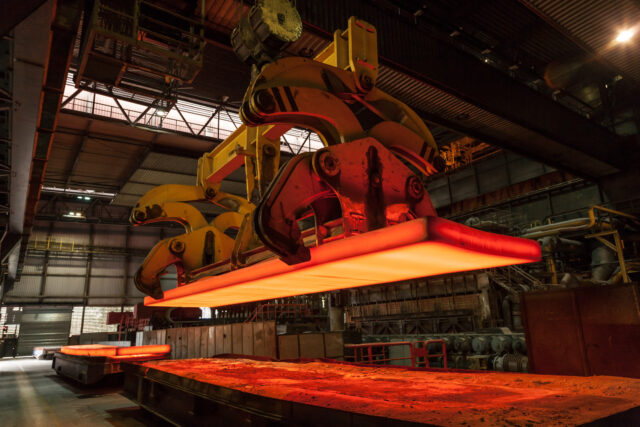
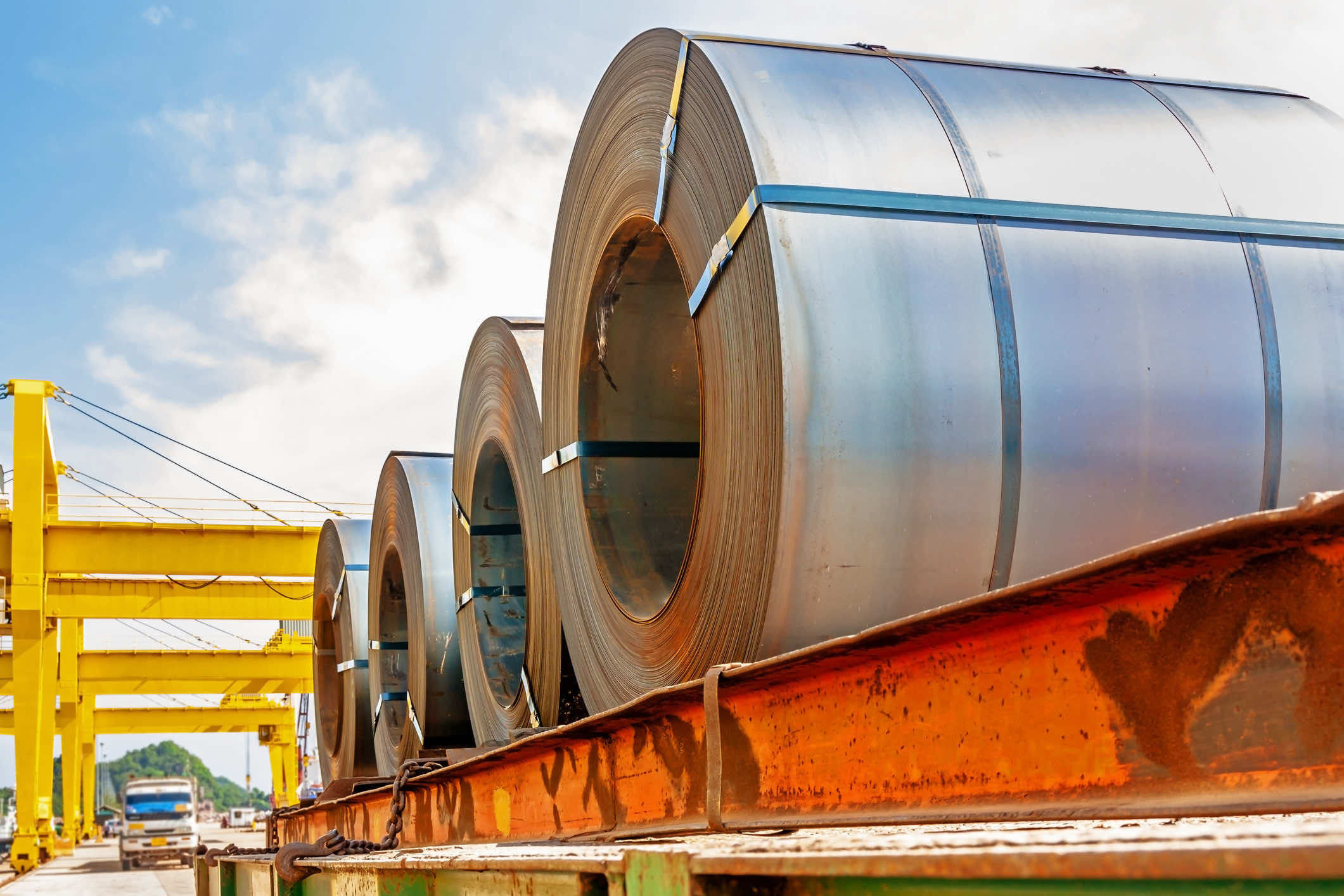
Steelmaking is one of the sectors contributing the most to global greenhouse gas emissions, with a global footprint of 2.9 GtCO2 per year, and is on track to consume 50 percent of the total remaining 1.5°C carbon budget by 2050.
Despite efforts to increase recycling, the remaining production of primary steel (i.e., steel made from iron ore) emits more CO2 than we can accept to keep global warming below 1.5°C. There is a critical need to find new, low-carbon solutions for iron ore reduction.
Several non-coal-based technologies for primary steelmaking are currently being piloted, with hydrogen-based direct reduction being the furthest developed. This report explores the potential use of hydrogen-based direct reduction technology as a potential low-carbon solution for the primary steelmaking process.
Authors

Thomas Koch Blank
Managing DirectorRelated Insights
Gas Utility Depreciation: Recommendations for an Uncertain Future

Help build the clean energy future. Donate today.
Independent research. Real-world solutions. Supported by donors.
RMI can pursue the highest-impact climate and energy solutions because we’re supported by people who believe change is possible. Every gift helps advance the work needed to make clean energy the default choice worldwide.
For other ways to give to RMI, including checks or gifts of stock, please visit Other Ways to Give.