

Learn how we are working to transform how we use and produce energy.
Insurmountable Opportunities: Steps and Barriers to Implementing Sustainable Development
Why we share this work for free
RMI is an independent nonprofit working to accelerate the clean energy transition. We publish research like this to inform decision-makers and drive real-world impact.
Our work is supported by philanthropy as well as partnerships, including fee-for-service engagements. This support makes it possible for us to share our independent insights for free.
If you find this work valuable, you can support it anytime.
Get more insights like this
Stay up to date with the latest research, analysis, and tools from RMI by opting in to receive occasional emails below. You’ll get new reports, event invitations, and practical insights to help us all accelerate the clean energy transition.
Loading form...
Your download should start automatically. If it doesn’t, click the download button below.
This work is made possible by philanthropy
RMI is a nonprofit supported by donors and partners. Philanthropy enables us to produce independent research and make resources like this freely available.
If you find this report valuable, please consider supporting our work. You can also explore how we partner with organizations to drive impact.
Jump to Section
L. Hunter Lovins and Walter Link presented this paper to the 2001 UN Regional Roundtable for Europe and North America. In it, the authors outline the steps that need to be taken to implement sustainable development and what barriers stand in the way of those changes. They argue that the biggest challenge facing sustainable development is the loss of the natural ecosystem. The new globalization and continued industrialization of the planet present further challenges. Climate problems, water shortages, the environmentally caused spread of disease, genetic technology, and quickly growing populations are other significant challenges that need to be addressed by sustainability efforts. The authors present five steps to sustainability that will slow the coming crisis: implementing natural capitalism, reinventing governance, microlending, improved education and communication systems, and adoption of the precautionary principle.
Authors

Related Insights

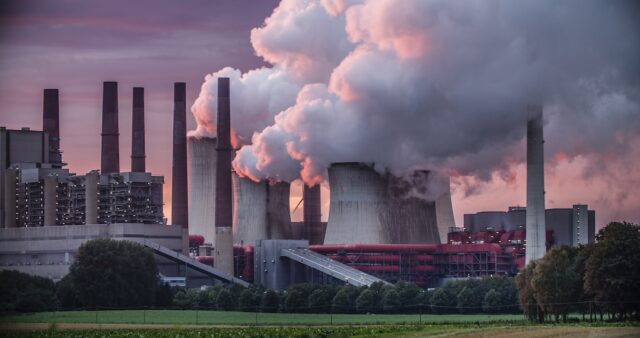
Reality Check: For Power Plants, Changing the Fuel Doesn’t Fix the Economics


Beyond the First Frontier: What Comes Next for Carbon Removal
Help build the clean energy future. Donate today.
Independent research. Real-world solutions. Supported by donors.
RMI can pursue the highest-impact climate and energy solutions because we’re supported by people who believe change is possible. Every gift helps advance the work needed to make clean energy the default choice worldwide.
For other ways to give to RMI, including checks or gifts of stock, please visit Other Ways to Give.