

Learn how we are working to transform how we use and produce energy.
Value Potential for Grid-Interactive Efficient Buildings in the GSA Portfolio: A Cost-Benefit Analysis
Why we share this work for free
RMI is an independent nonprofit working to accelerate the clean energy transition. We publish research like this to inform decision-makers and drive real-world impact.
Our work is supported by philanthropy as well as partnerships, including fee-for-service engagements. This support makes it possible for us to share our independent insights for free.
If you find this work valuable, you can support it anytime.
Get more insights like this
Stay up to date with the latest research, analysis, and tools from RMI by opting in to receive occasional emails below. You’ll get new reports, event invitations, and practical insights to help us all accelerate the clean energy transition.
Loading form...
Your download should start automatically. If it doesn’t, click the download button below.
This work is made possible by philanthropy
RMI is a nonprofit supported by donors and partners. Philanthropy enables us to produce independent research and make resources like this freely available.
If you find this report valuable, please consider supporting our work. You can also explore how we partner with organizations to drive impact.
Jump to Section
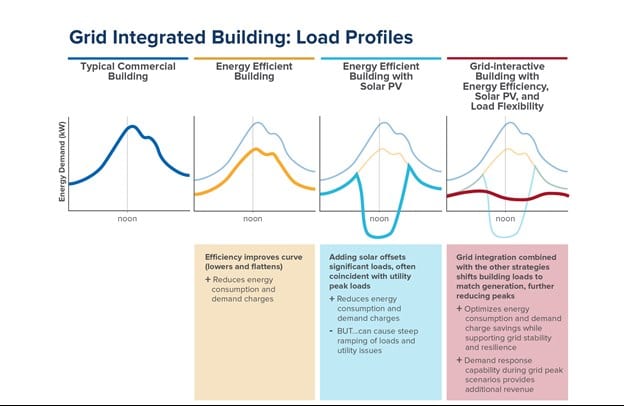
A grid-interactive efficient building (GEB) is an efficient building with smart technologies characterized by the active use of energy efficiency, solar, storage, and load flexibility to optimize energy use for grid services, occupant needs and preferences, and cost reductions. GEB measures go far beyond today’s energy management best practices. They focus on demand and the time value of energy to reduce grid constraints and enable decarbonization. A focus on GEBs optimizes benefits like cost savings, grid services, resiliency, and carbon emissions reductions.
Our report, Value Potential for Grid-Interactive Efficient Buildings in the GSA Portfolio: A Cost-Benefit Analysis, details the core ways that the US General Services Administration (GSA) could leverage its size, its leadership in the industry, and its relationships with utilities and regulators to pioneer GEBs opportunities across its portfolio. This would unlock $50 million in annual cost savings to the GSA and $70 million in value to grid users by reducing generation and transmission and distribution costs, benefiting all ratepayers. By investing in GEBs measures, developing GEBs pilots, and helping the industry understand and measure the opportunities inherent in GEBs, the GSA or any large portfolio manager can unlock an immense opportunity to save energy and money while supporting the decarbonization of our electricity sector.


Related Insights
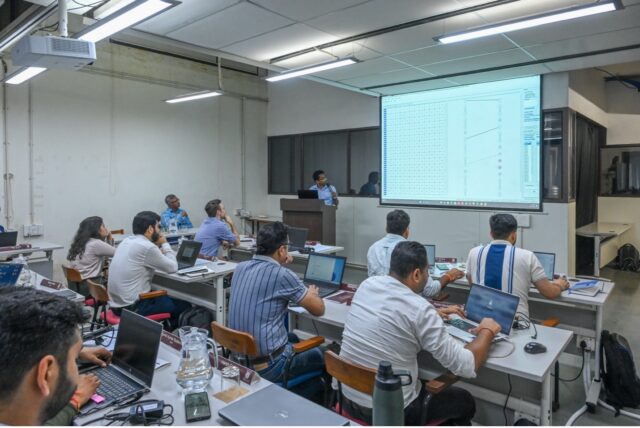
Building Smarter, More Efficient Air Conditioners for Real World Conditions

How Heat Pumps Reduce Energy Bills and Air Pollution in the San Francisco Bay Area
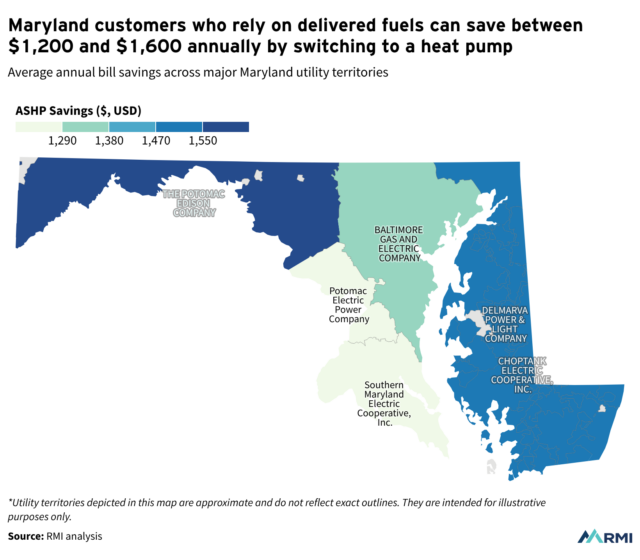
Delivered Fuel Customers in Maryland See Strong Energy Bill Savings in a Switch to Heat Pumps

Gas Utility Depreciation: Recommendations for an Uncertain Future
Help build the clean energy future. Donate today.
Independent research. Real-world solutions. Supported by donors.
RMI can pursue the highest-impact climate and energy solutions because we’re supported by people who believe change is possible. Every gift helps advance the work needed to make clean energy the default choice worldwide.
For other ways to give to RMI, including checks or gifts of stock, please visit Other Ways to Give.
