

Learn how we are working to transform how we use and produce energy.
The Superefficient Passive Building Frontier
Why we share this work for free
RMI is an independent nonprofit working to accelerate the clean energy transition. We publish research like this to inform decision-makers and drive real-world impact.
Our work is supported by philanthropy as well as partnerships, including fee-for-service engagements. This support makes it possible for us to share our independent insights for free.
If you find this work valuable, you can support it anytime.
Get more insights like this
Stay up to date with the latest research, analysis, and tools from RMI by opting in to receive occasional emails below. You’ll get new reports, event invitations, and practical insights to help us all accelerate the clean energy transition.
Loading form...
Your download should start automatically. If it doesn’t, click the download button below.
This work is made possible by philanthropy
RMI is a nonprofit supported by donors and partners. Philanthropy enables us to produce independent research and make resources like this freely available.
If you find this report valuable, please consider supporting our work. You can also explore how we partner with organizations to drive impact.
Jump to Section
This article suggests that integrated whole-building design can yield superior comfort with about three to 30 times less mechanical energy and often with lower capital costs, but that achieving this poses fundamental challenges to professional education and practice and to compensation structure. The article provides a case study of the superefficient Pacific Gas and Electric home in Davis, California. This case study illustrates that if we properly count multiple benefits and take credit for those that are real and measurable in rigorous engineering-economic terms, we will very often find that the way to make a building inexpensive to construct is to make the windows expensive. This article was published in ASHRAE Journal, June 1995. Copyright 1995 American Society of Heating, Refrigerating and Air-Conditioning Engineers, Inc. Reprinted by permission at www.rmi.org. This article may not be copied and/or distributed electronically or in paper form without permission of ASHRAE.
Authors
Amory Lovins
Cofounder and Chairman EmeritusRelated Insights
The Opportunity for Heat Pumps to Put Downward Pressure on Electricity Rates
Building Smarter, More Efficient Air Conditioners for Real World Conditions

How Heat Pumps Reduce Energy Bills and Air Pollution in the San Francisco Bay Area
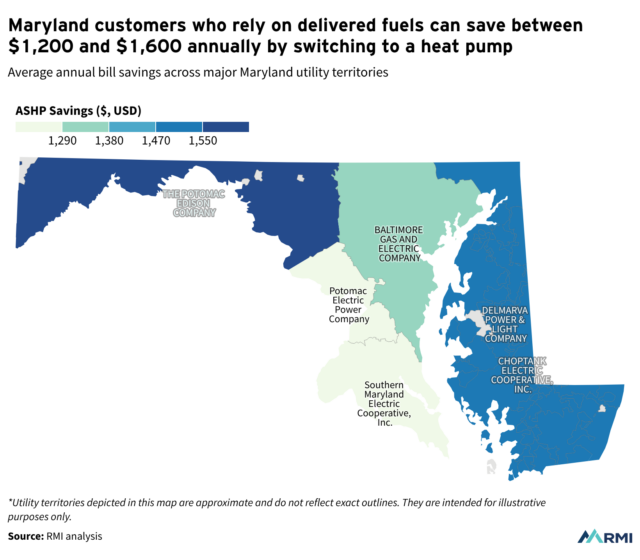
Delivered Fuel Customers in Maryland See Strong Energy Bill Savings in a Switch to Heat Pumps
Help build the clean energy future. Donate today.
Independent research. Real-world solutions. Supported by donors.
RMI can pursue the highest-impact climate and energy solutions because we’re supported by people who believe change is possible. Every gift helps advance the work needed to make clean energy the default choice worldwide.
For other ways to give to RMI, including checks or gifts of stock, please visit Other Ways to Give.
