

Learn how we are working to transform how we use and produce energy.
The Nuts and Bolts of Performance-Based Regulation
Tools to Build a More Affordable, Reliable, and Clean Grid
Why we share this work for free
RMI is an independent nonprofit working to accelerate the clean energy transition. We publish research like this to inform decision-makers and drive real-world impact.
Our work is supported by philanthropy as well as partnerships, including fee-for-service engagements. This support makes it possible for us to share our independent insights for free.
If you find this work valuable, you can support it anytime.
Get more insights like this
Stay up to date with the latest research, analysis, and tools from RMI by opting in to receive occasional emails below. You’ll get new reports, event invitations, and practical insights to help us all accelerate the clean energy transition.
Loading form...
Your download should start automatically. If it doesn’t, click the download button below.
This work is made possible by philanthropy
RMI is a nonprofit supported by donors and partners. Philanthropy enables us to produce independent research and make resources like this freely available.
If you find this report valuable, please consider supporting our work. You can also explore how we partner with organizations to drive impact.
Jump to Section
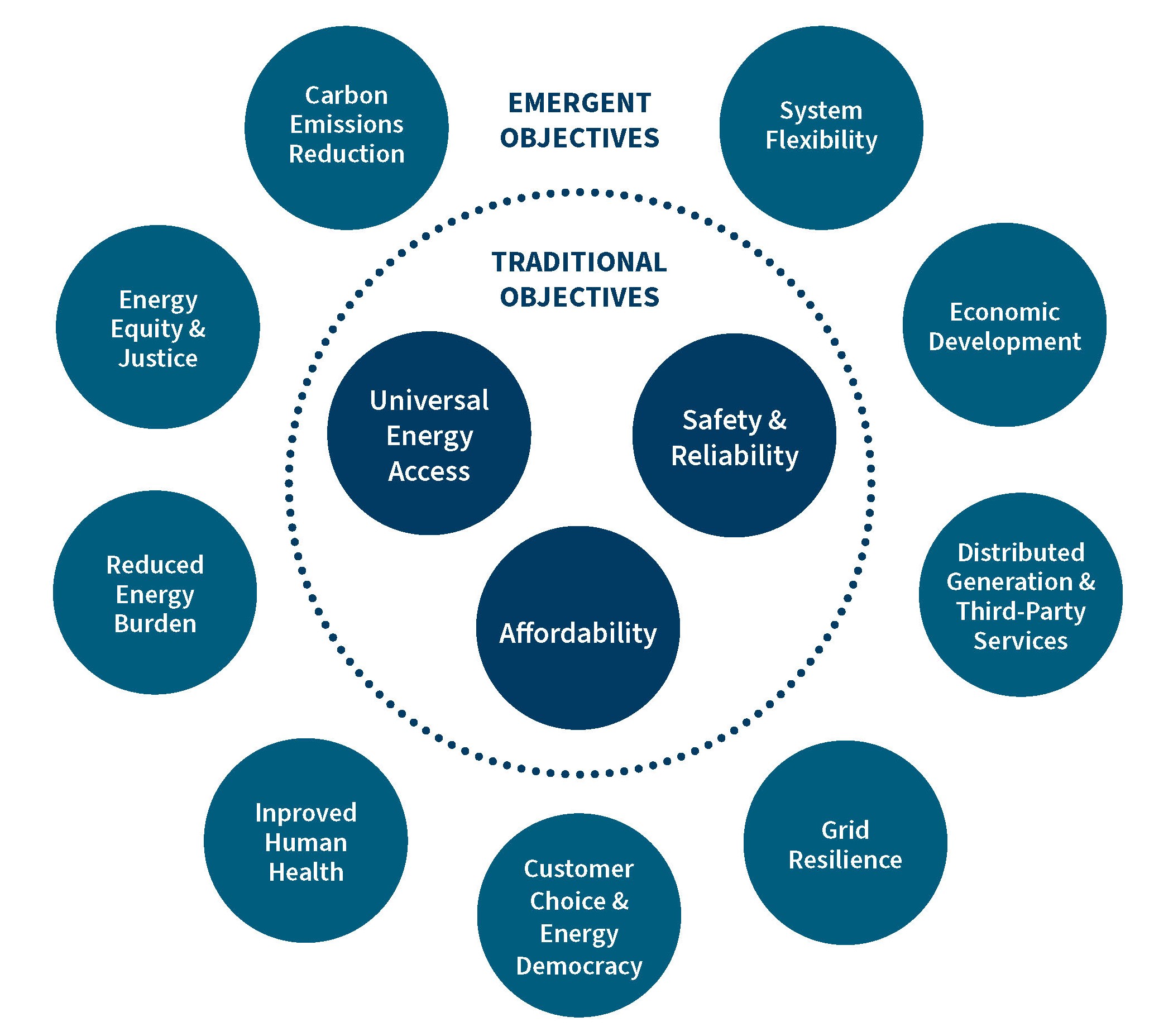
Most states still use a utility regulatory framework designed for the early 20th century when the grid was built to accommodate large, centralized fossil fuel power plants, then the state of the art. However, in this century, the proliferation of renewable and distributed energy resources, increases in end-use electrification, and mounting affordability issues are challenging the traditional regulatory model.
Performance-based regulation (PBR) is a regulatory approach that can help incentivize utilities to contain costs, develop innovative customer programs, and achieve desired policy outcomes such as reduced greenhouse gas emissions, increased demand flexibility, and greater social equity. This introductory guide explains how PBR can be used to address pressing problems, the advantages and disadvantages of different PBR tools, and related regulatory reforms. It also provides real-world examples, important considerations for PBR process design, and additional resources. It is ideal for newcomers to PBR or anybody looking for a refresher on PBR concepts.
If you have any questions about PBR or would like further support, feel free to reach out to RMI at electricity-contact@rmi.org.
Authors

Carina Rosenbach
Senior Associate
Cara Goldenberg

Alex Walmsley
Manager
Ben Proffer
Kaja Rebane
Related Insights

For Clean Energy Projects, How Community Benefits Are Delivered Matters

Tracking WestTEC: Where 100+ Transmission Projects Stand and What Comes Next


Help build the clean energy future. Donate today.
Independent research. Real-world solutions. Supported by donors.
RMI can pursue the highest-impact climate and energy solutions because we’re supported by people who believe change is possible. Every gift helps advance the work needed to make clean energy the default choice worldwide.
For other ways to give to RMI, including checks or gifts of stock, please visit Other Ways to Give.
