

Learn how we are working to transform how we use and produce energy.
Powering Through: A Climate Resilient Future
Recommendations for the Indian Power Sector
Why we share this work for free
RMI is an independent nonprofit working to accelerate the clean energy transition. We publish research like this to inform decision-makers and drive real-world impact.
Our work is supported by philanthropy as well as partnerships, including fee-for-service engagements. This support makes it possible for us to share our independent insights for free.
If you find this work valuable, you can support it anytime.
Get more insights like this
Stay up to date with the latest research, analysis, and tools from RMI by opting in to receive occasional emails below. You’ll get new reports, event invitations, and practical insights to help us all accelerate the clean energy transition.
Loading form...
Your download should start automatically. If it doesn’t, click the download button below.
This work is made possible by philanthropy
RMI is a nonprofit supported by donors and partners. Philanthropy enables us to produce independent research and make resources like this freely available.
If you find this report valuable, please consider supporting our work. You can also explore how we partner with organizations to drive impact.
Jump to Section
Reliable and secure power systems are critical to modernizing societies by way of providing quality healthcare, education, livelihoods (including agriculture), businesses, transport, and more.
Given India’s inarguably ambitious climate and clean energy goals, as well as the significant role that electricity plays in enabling sustainable development, power sector resilience is critically important to the nation’s future. Resilience is key not only to energy security, but also to the success of India’s energy transition and the nation’s economic growth ambitions.
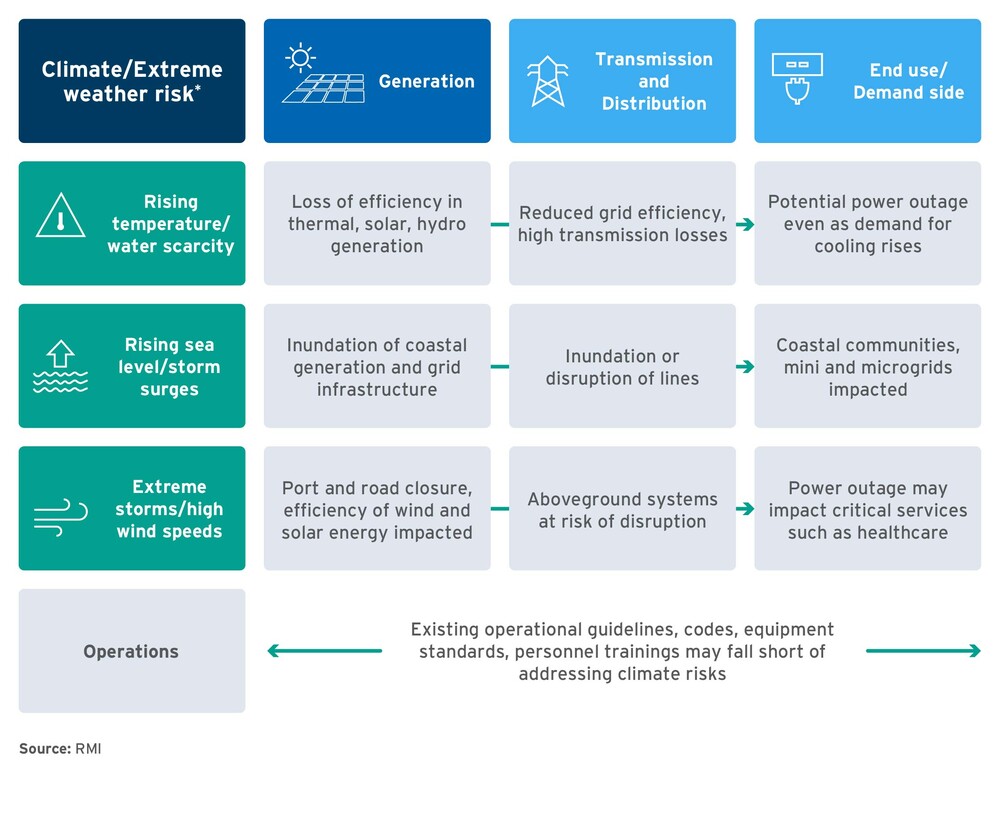
While resilience can apply to a multitude of risks, this report focuses on what resilience to climate risks means for India’s power sector, and how climate resilience can be incorporated in grid planning and preparedness.
Integrating climate resilience that goes beyond disaster risk response can be done through incorporating iterative and adaptive planning, as well as technical solutions like flexibility, islanding capability, and energy storage. The power system will also need weatherizing and grid hardening, especially at the distribution end, where poor design and construction standards continue to be the norm.
This policy and technology push will need complementary action by financial institutions that can facilitate experimentation and scaling of solutions through innovative financing mechanisms. Ultimately, many stakeholders will be required to mainstream the need for climate resilience and secure the future of the power sector. There is no better time to do this than now, while India’s power system is growing and transitioning.
Authors

RMI India
Clay Stranger
Related Insights
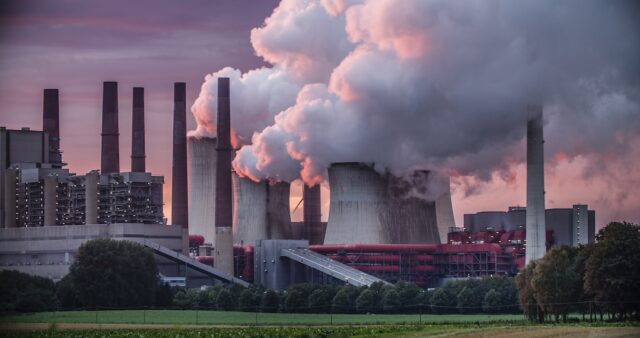
Reality Check: For Power Plants, Changing the Fuel Doesn’t Fix the Economics

The Opportunity for Heat Pumps to Put Downward Pressure on Electricity Rates
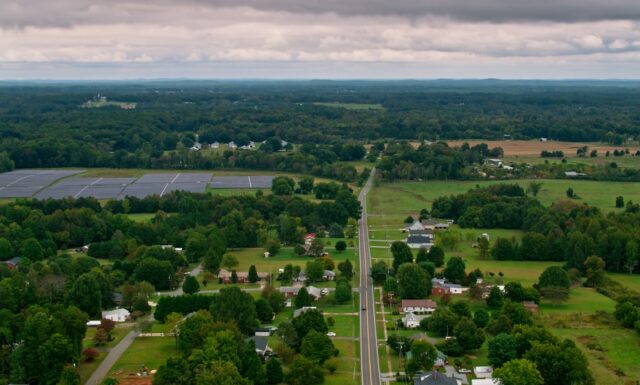
For Clean Energy Projects, How Community Benefits Are Delivered Matters
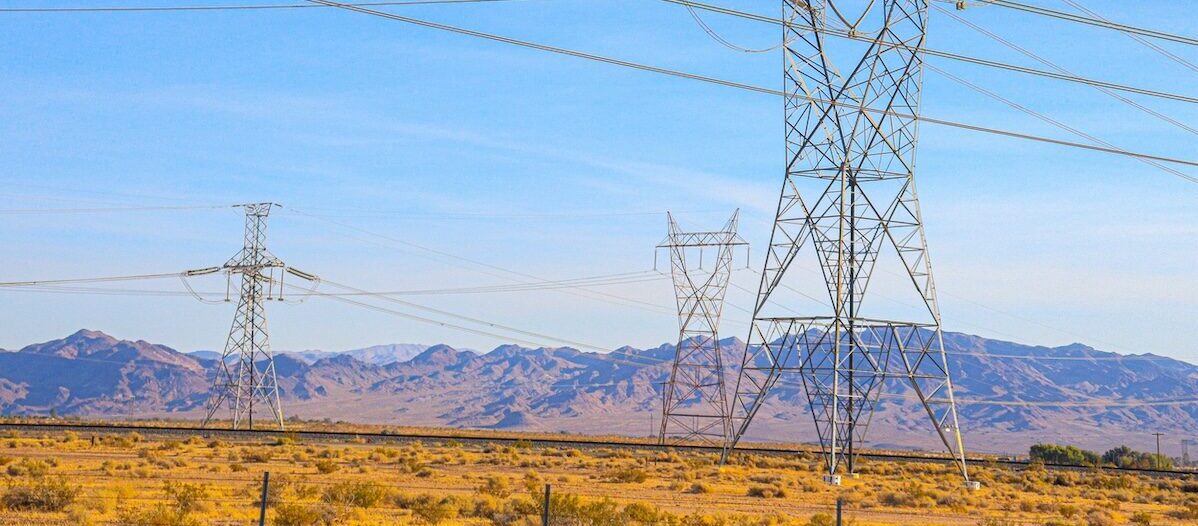
Tracking WestTEC: Where 100+ Transmission Projects Stand and What Comes Next
Help build the clean energy future. Donate today.
Independent research. Real-world solutions. Supported by donors.
RMI can pursue the highest-impact climate and energy solutions because we’re supported by people who believe change is possible. Every gift helps advance the work needed to make clean energy the default choice worldwide.
For other ways to give to RMI, including checks or gifts of stock, please visit Other Ways to Give.
