Learn how we are working to transform how we use and produce energy.
Why we share this work for free
RMI is an independent nonprofit working to accelerate the clean energy transition. We publish research like this to inform decision-makers and drive real-world impact.
Our work is supported by philanthropy as well as partnerships, including fee-for-service engagements. This support makes it possible for us to share our independent insights for free.
If you find this work valuable, you can support it anytime.
Get more insights like this
Stay up to date with the latest research, analysis, and tools from RMI by opting in to receive occasional emails below. You’ll get new reports, event invitations, and practical insights to help us all accelerate the clean energy transition.
Loading form...
Your download should start automatically. If it doesn’t, click the download button below.
This work is made possible by philanthropy
RMI is a nonprofit supported by donors and partners. Philanthropy enables us to produce independent research and make resources like this freely available.
If you find this report valuable, please consider supporting our work. You can also explore how we partner with organizations to drive impact.
Jump to Section
This two-pager gives California policymakers, regulators, community members, carbon dioxide removal (CDR) suppliers, and other stakeholders a shared understanding of CDR and six priorities for crafting policy that supports high-quality CDR, considering the state’s broad range of ecosystems, natural resources, and existing industries.
Download the two-pager to explore the six priorities for high-quality CDR policy in California.
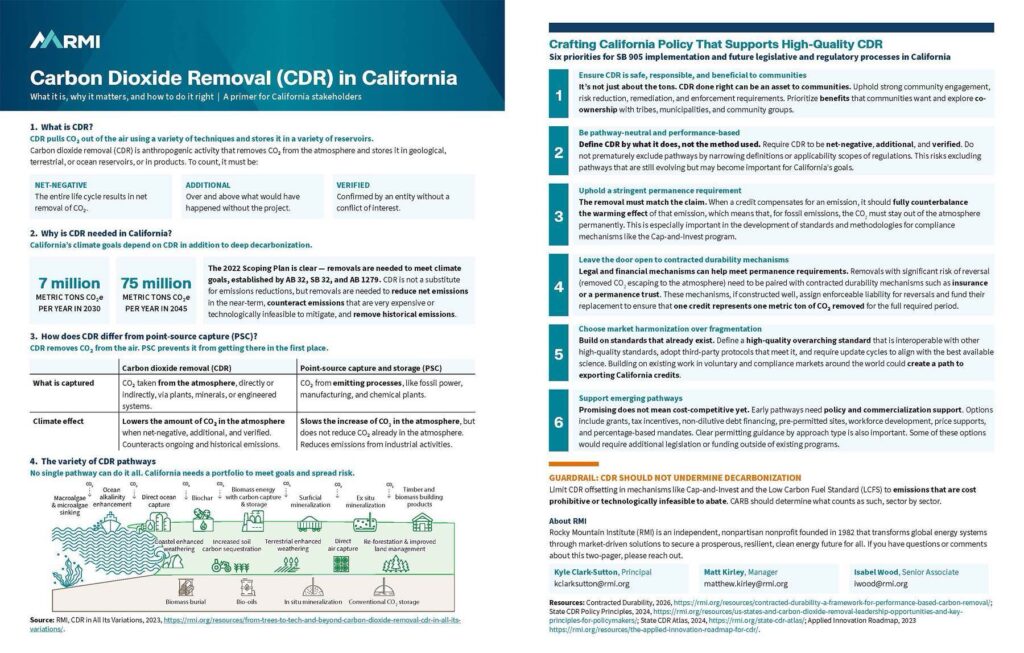
What are the six priorities for California CDR policy?
- Ensure CDR is safe, responsible, and beneficial to communities.
It’s not just about the tons. CDR done right can be an asset to communities.
- Be pathway-neutral and performance-based.
Define CDR by what it does, not the method used.
- Uphold a stringent permanence requirement.
The removal must match the claim.
- Leave the door open to contracted durability mechanisms.
Legal and financial mechanisms can help meet permanence requirements.
- Choose market harmonization over fragmentation.
Build on standards that already exist.
- Support emerging pathways.
Promising does not mean cost-competitive yet.
Why does California need CDR?
California has some of the most ambitious climate goals in the country, established under AB 32, SB 32, and AB 1279. Meeting them depends on CDR in addition to deep decarbonization. The state’s 2022 Scoping Plan is clear: California must remove 7 million metric tons of CO₂e per year by 2030 and 75 million metric tons per year by 2045 to meet these goals.
CDR is not a substitute for emissions reductions. Cutting emissions remains a priority, and removals play three distinct roles in addition to decarbonization efforts. Removals reduce net emissions in the near-term, counteract emissions that are very expensive or technologically infeasible to mitigate in the medium-term, and remove historical emissions in the long-term.
What counts as CDR?
CDR can be done in many different ways, like biochar, direct air capture, or afforestation, and is defined as activity that removes CO₂ from the atmosphere and stores it in a variety of reservoirs (e.g., geologic, terrestrial, ocean, or in products). To count, it must be net-negative across its full life cycle, additional to what would have happened anyway, and verified by an entity without a conflict of interest. No single CDR method can meet California’s full need, so the state will need a portfolio of approaches.
Why does this matter now?
California is already supporting CDR in meaningful ways, including through CARB’s implementation of SB 905, a bill passed in 2022 that requires the California Air Resources Board to create the state’s Carbon Capture, Removal, Utilization, and Storage Program. The decisions made now about definitions, permanence, market design, and safeguards will determine whether California’s CDR industry is safe, credible, scalable, and beneficial for the people who live alongside it.
The six priorities for crafting policy that supports high-quality CDR identified by RMI are relevant not only for SB 905 implementation but also for future legislative and regulatory processes in California. Policymakers, regulators, community members, CDR suppliers, and other stakeholders will be central to implementing these priorities to help California achieve its goals.
Related RMI resources
RMI leveraged existing work when developing these priorities. For more information, see:
- State CDR Atlas: how states can leverage their unique qualities to develop CDR
- State policy principles brief: the opportunity for state policymakers to lead on CDR
- Contracted Durability white paper: performance-based CDR and permanence



Related Insights
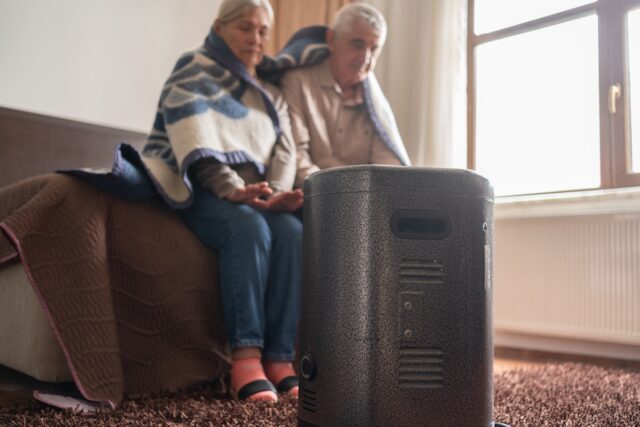
Exploring Energy Affordability Across Income, Time, and Geography

Beyond the First Frontier: What Comes Next for Carbon Removal
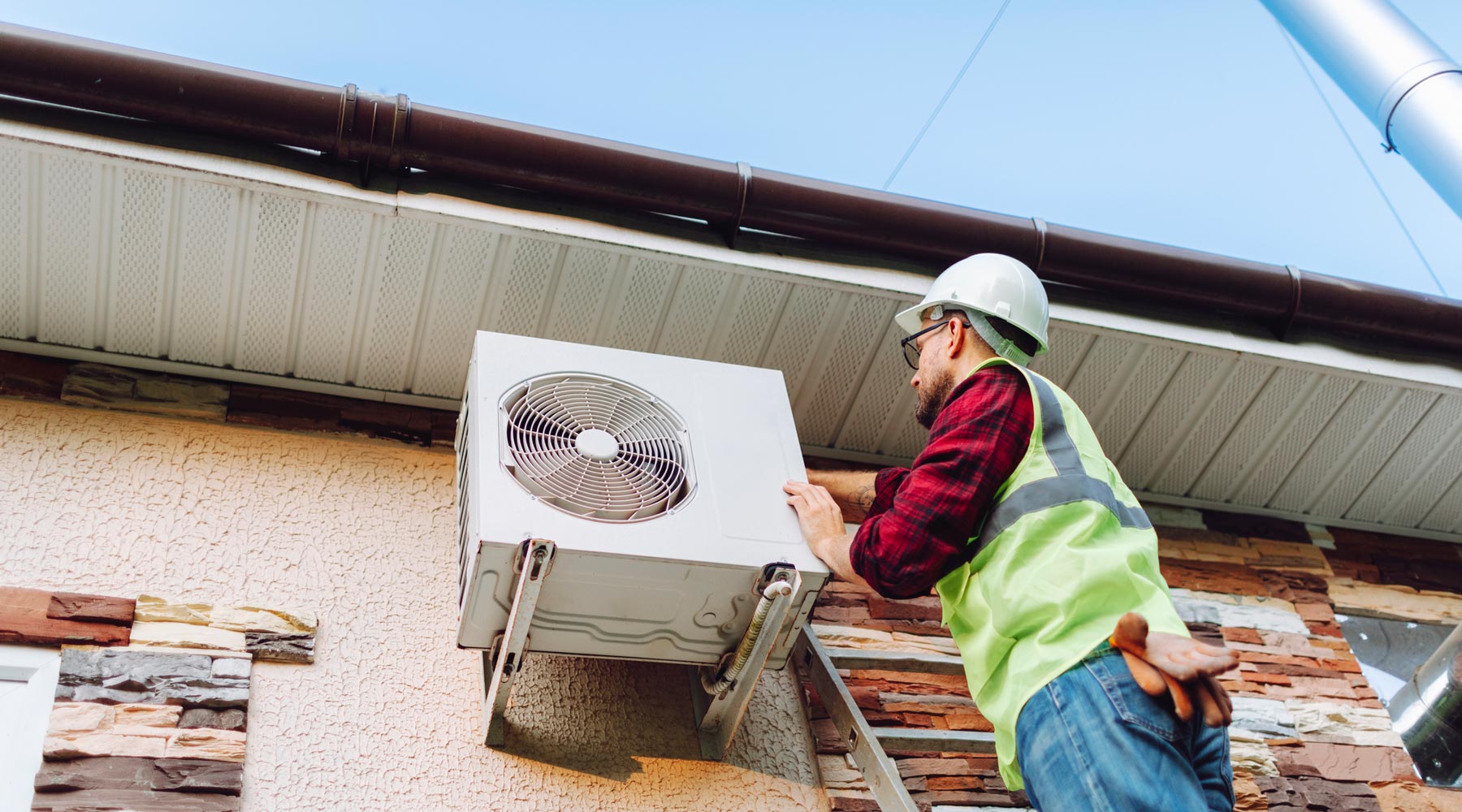
The Opportunity for Heat Pumps to Put Downward Pressure on Electricity Rates

Help build the clean energy future. Donate today.
Independent research. Real-world solutions. Supported by donors.
RMI can pursue the highest-impact climate and energy solutions because we’re supported by people who believe change is possible. Every gift helps advance the work needed to make clean energy the default choice worldwide.
And right now, your impact goes twice as far. Thanks to generous donors and our special match, every $1 you give becomes $2, up to $150,000, through December 31, 2026.