

Learn how we are working to transform how we use and produce energy.
Why we share this work for free
RMI is an independent nonprofit working to accelerate the clean energy transition. We publish research like this to inform decision-makers and drive real-world impact.
Our work is supported by philanthropy as well as partnerships, including fee-for-service engagements. This support makes it possible for us to share our independent insights for free.
If you find this work valuable, you can support it anytime.
Get more insights like this
Stay up to date with the latest research, analysis, and tools from RMI by opting in to receive occasional emails below. You’ll get new reports, event invitations, and practical insights to help us all accelerate the clean energy transition.
Loading form...
Your download should start automatically. If it doesn’t, click the download button below.
This work is made possible by philanthropy
RMI is a nonprofit supported by donors and partners. Philanthropy enables us to produce independent research and make resources like this freely available.
If you find this report valuable, please consider supporting our work. You can also explore how we partner with organizations to drive impact.
Jump to Section
Sustainable Aviation Fuel (SAF) is widely viewed as the most viable way to cut aviation emissions. But despite this momentum, one major challenge continues to hold back large-scale deployment: bankability.
Many SAF projects still struggle to secure low-cost debt, even when offtakers are willing to commit. This playbook lays out five practical insights to help buyers, developers, and financiers design offtake structures and supporting infrastructure that make SAF projects more investable:
- Corporate clients enable risk-sharing and unlock scale. Thanks to book and claim systems, new buyers are beginning to step up with firm, multi-year commitments. Continued collaboration on commercial contract innovation can further improve project bankability.
- Contracts should give lenders what they need. Policy risk buffers, standardized product requirements, and long-term, take-or-pay offtake structures with creditworthy counterparties all play a role in attracting project financing.
- Book and Claim transfer can power SAF deals. Robust, transparent EAC tracking is essential for investors to count on cash flows. Existing platforms like RSB and the SAFc registry are a starting point, and continuing initiatives to standardize transfers will build market confidence.
- Tradability is the goal, not commoditization. SAF projects that provide greater carbon intensity reductions or provide additional sustainability outcomes should be able to both reap and distribute the benefits of their innovation.
- Contracted cashflow stability for both EACs and physical fuel is critical. Savvy commercial agreements can create cashflow stability for two of the biggest revenue streams available to SAF projects, and there are blue skies for contract innovation in the sector.
This document provides design principles that stakeholders can use to build a SAF contracting ecosystem that supports real long-term investment. With better alignment across the value chain, we can mobilize capital faster and accelerate the transition to low-carbon aviation.
Acknowledgements
We would like to thank our colleagues at RMI who have contributed to this work. In particular, Andrew Chen, Claire Dougherty, Chiudo Ehirim, Sarah Mendelsohn, Aamir Shams, and Hartej Singh each played a vital role in shaping the research and ideas presented in this report.
We also thank Amelia Danjoux and Josh Garton from the Green Finance Institute and Gill Alker from the Roundtable on Sustainable Biomaterials for their input and knowledge contributions. Finally, we would like to thank our strategic partners at financial institutions for their support and thoughtful review. Their guidance and engagement throughout the development of this work have been invaluable, ensuring its relevance and impact.


Related Insights

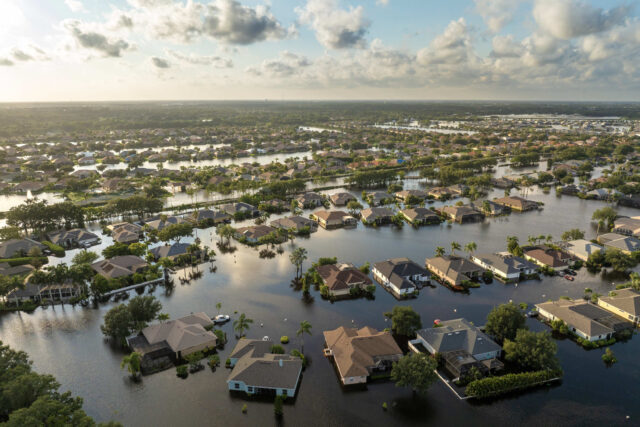

Improving Energy Transition Assessments with Regional Pathways
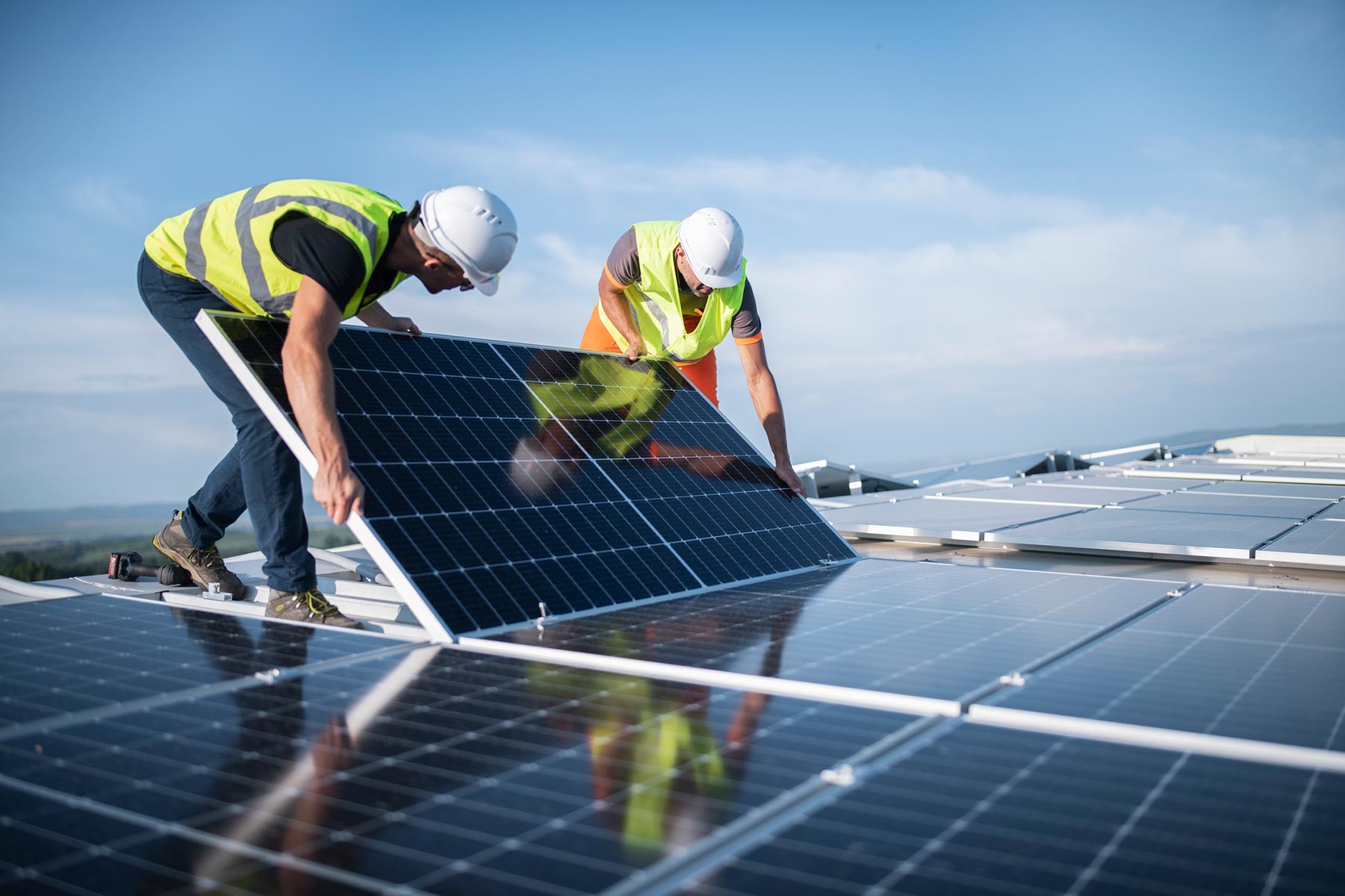
What Michigan’s Clean Community Financing Ecosystem Can Teach Other US Regions
Help build the clean energy future. Donate today.
Independent research. Real-world solutions. Supported by donors.
RMI can pursue the highest-impact climate and energy solutions because we’re supported by people who believe change is possible. Every gift helps advance the work needed to make clean energy the default choice worldwide.
For other ways to give to RMI, including checks or gifts of stock, please visit Other Ways to Give.
