

Learn how we are working to transform how we use and produce energy.
Achieving Nigeria’s EV Potential
How policy and charging infrastructure can unlock EV market growth
Why we share this work for free
RMI is an independent nonprofit working to accelerate the clean energy transition. We publish research like this to inform decision-makers and drive real-world impact.
Our work is supported by philanthropy as well as partnerships, including fee-for-service engagements. This support makes it possible for us to share our independent insights for free.
If you find this work valuable, you can support it anytime.
Get more insights like this
Stay up to date with the latest research, analysis, and tools from RMI by opting in to receive occasional emails below. You’ll get new reports, event invitations, and practical insights to help us all accelerate the clean energy transition.
Loading form...
Your download should start automatically. If it doesn’t, click the download button below.
This work is made possible by philanthropy
RMI is a nonprofit supported by donors and partners. Philanthropy enables us to produce independent research and make resources like this freely available.
If you find this report valuable, please consider supporting our work. You can also explore how we partner with organizations to drive impact.
Jump to Section
In the Central Business District of Abuja, Nigeria, the BankRol Camel EV dealership and charging facility does a brisk business from morning into the night, offering dozens of electric vehicle models and providing fast charging to customers. Elsewhere in the country, on the crowded streets of Ikeja, Lekki, and Victoria Island, one increasingly sees the bright yellow of Spiro electric two-wheelers (E2Ws) and the red of MAX E2Ws making last-mile deliveries. Meanwhile, in Lagos, the number of battery-swapping stations for electric vehicles has jumped from just a handful to more than 100 in only three years.
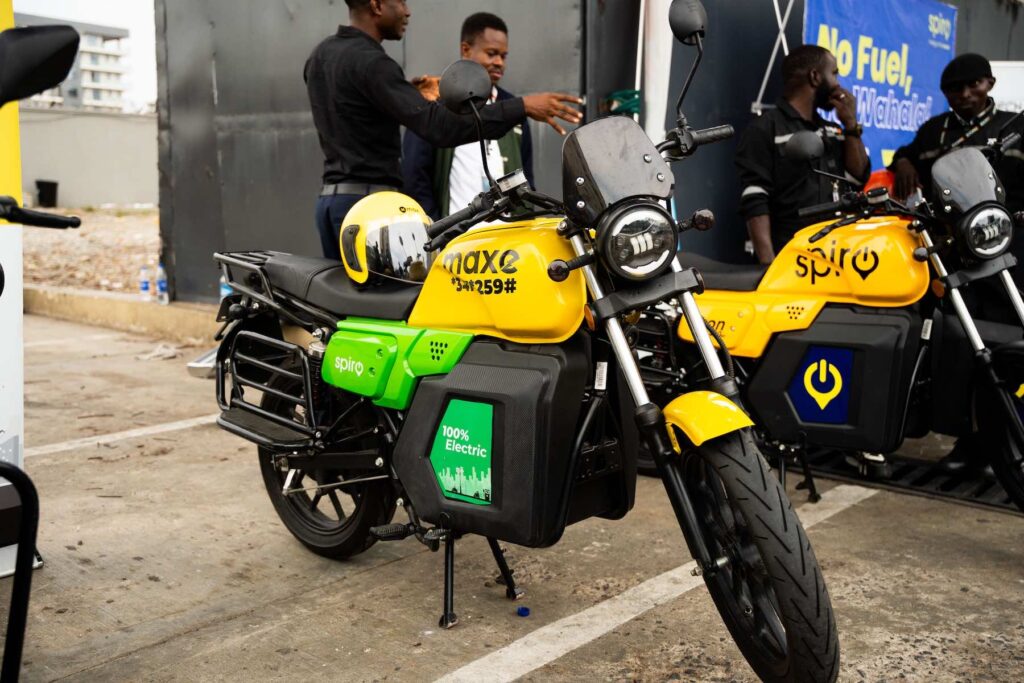
These commercial ventures exemplify a powerful recent shift in Nigeria. In the past few years, alongside the emergence of an EV policy framework, Nigeria has seen exponential growth in the e-mobility private sector. This coming together of public policy and private-sector activity presents an opportunity for the country to provide more affordable transportation to millions of households and thousands of businesses, while supporting the growth of domestic manufacturing jobs. It is also an opportunity to achieve the country’s decarbonization and net-zero objectives.
Now is the time for Nigeria to establish a strong EV policy foundation and a robust charging infrastructure network that build on the entrepreneurial spirit of the EV sector and fully capture the opportunities at hand. RMI’s recent Policy Roadmap and Charging Infrastructure recommendations go into detail on how Nigeria can enable EV market growth.
A Vibrant EV Private Sector
As global battery and EV costs have plummeted and EV supply chains have expanded in the past few years, the number of EV and charging infrastructure startups in Nigeria has grown exponentially. The now-numerous battery-swapping stations in Lagos are run by several competing companies, many on a battery-as-a-service business model. The prevalence of Spiro and Max delivery vehicles reflects the clear cost advantage of E2Ws over their ICE counterparts. This advantage is driving a rapid electrification of Nigeria’s two-wheeler fleet, beginning with high-utilization commercial fleets in major cities.
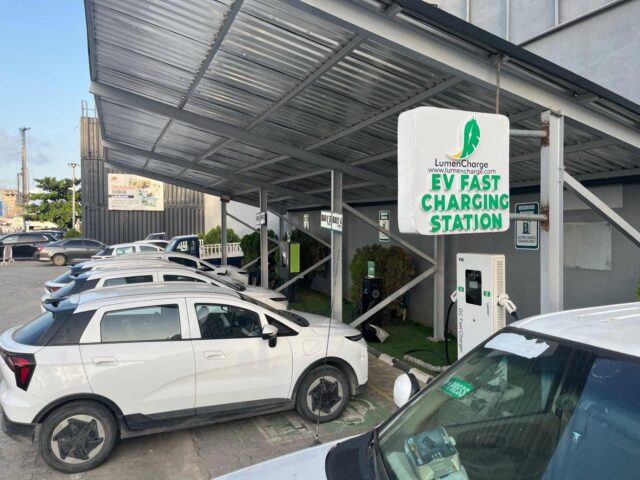
At BankRol Camel EV in Abuja, customers can choose from electric offerings from Chinese automakers like BYD, Geely, and XPENG. The Bankrol Camel EV charging station is designed for resilience, regardless of grid reliability, with an off-grid design that includes solar and battery backup. Other charging infrastructure operators are looking at similarly innovative business models using interconnected minigrids and on-site solar to ensure reliability for EV users.

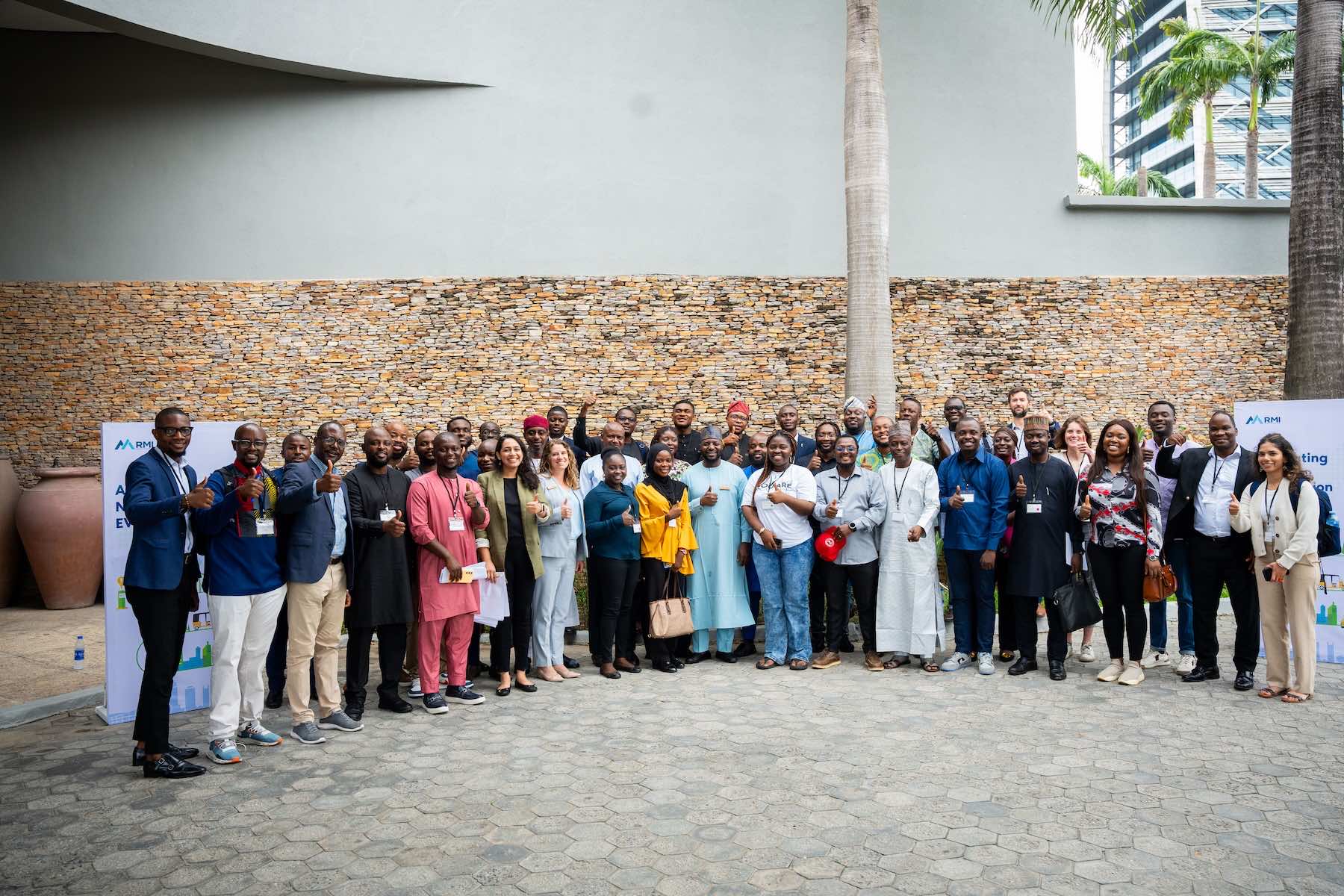
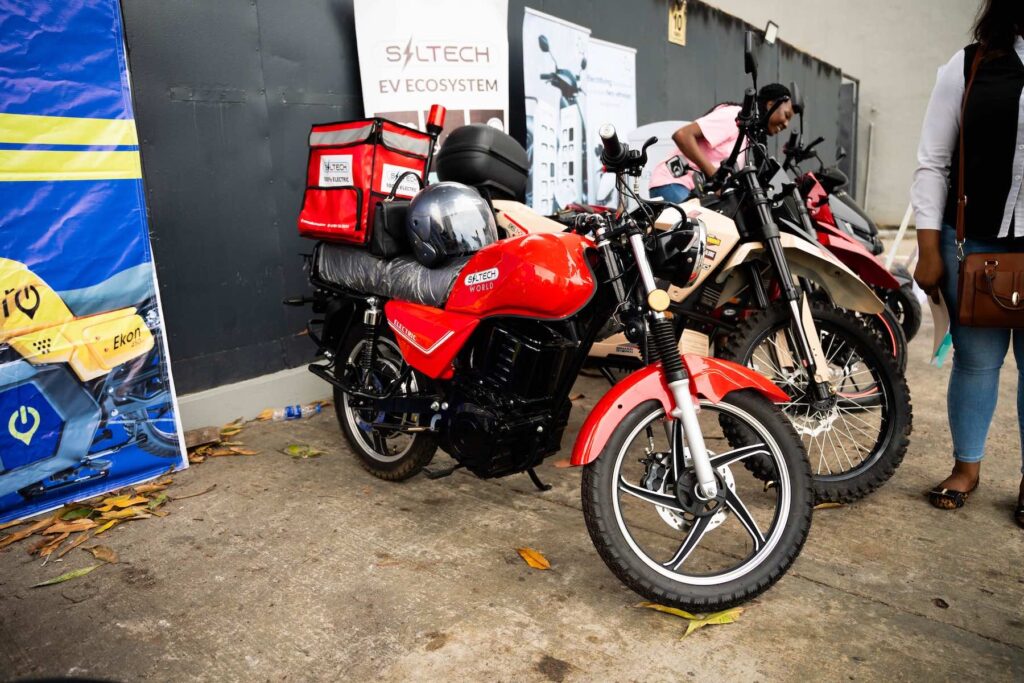
Nigeria’s vibrant e-mobility private sector was on display during RMI’s “Accelerating Nigeria’s EV Transition” workshop, where we saw excitement and eagerness to deploy new technologies and EV solutions. The two-day workshop included a wide variety of stakeholders, with over 45 attendees from 28 organizations. Private-sector players represented included MAX, Spiro, ZoomE, Siltech, EcoWaka, Quora, AarGO, InfraCredit, Folti, eDryv, Uber, the Electric Mobility Promoters Association of Nigeria, and the Clean Technology Hub. These private-sector players were joined by policymakers from the public sector, including the National Automotive Design and Development Council, the Ministry of Transportation, and the Nigerian National Petroleum Company New Energy Limited.
Key themes from discussions, a pitch event, and an EV showcase emerged:
- Prioritize densely populated major cities, like Lagos, Abuja, and Kano, where early EV activity already exists to generate high utilization rates and larger impact
- Focus on commercial fleet applications like ridehailing and delivery to build a reliable foundation and rapidly scale EV adoption
- Standardize a way to gather data on and map EV user patterns and battery-swapping/charging behavior
During the workshop, we heard a clear need for a strong EV policy foundation, and the crucial role that EV charging infrastructure plays in the sector.
Unleashing Private-Sector EV Momentum
A long-term national roadmap must translate the country’s electrification ambitions into a clear, phased policy pathway for implementation. This will inform the trajectory of the transition and provide the certainty needed for private-sector investment. Supply-side policies include encouraging or requiring manufacturers and importers to progressively increase the availability of EVs in the Nigerian market. This will ensure that a wide range of affordable EV models reaches the market, while targeted demand-side measures can address up-front affordability and build the early demand needed to achieve scale. As demand grows, a phased manufacturing strategy will set Nigeria up to become a regional manufacturing hub while creating domestic jobs. In parallel, supportive charging infrastructure policies will provide the private sector with the necessary conditions to build reliable and accessible charging and swapping networks that keep pace with vehicle adoption.
The build-out of charging infrastructure will need to keep pace with and enable EV adoption. By 2040, Nigeria could require approximately 1,600 public chargers and 21,000 battery-swapping stations, with requirements rising substantially over the following decades. Meeting the need for charging infrastructure will require comprehensive frameworks combining policy and financing pathways that can reduce deployment costs to improve project bankability and ultimately ensure that infrastructure is available where and when it is needed. These interventions will need to evolve alongside the market, supporting early deployment while creating the conditions for increasing levels of commercial investment over time.
Policy has a crucial role to play in accelerating and directing EV market growth. A national roadmap can help align infrastructure deployment with projected EV demand, priority locations, and grid requirements. Supporting policies can then target specific market barriers: targeted capital incentives and preferential tariffs can lower infrastructure and operating costs; land concessions and streamlined permitting can improve access to viable sites; and common technical and interoperability standards can establish the foundation for a safe, reliable, and scalable charging network.
In addition to these policies, targeted financing solutions can also help viable projects attract capital. Among these solutions are demand- and revenue-based contracts and charging-as-a-service models that can create more predictable cash flows, the deployment of catalytic capital and viability gap funding, and the use of credit guarantees and risk-sharing facilities. As Nigeria’s EV charging network grows, pooling and project-finance structures will also begin to allow operators access to longer-term capital, while public–private partnerships can combine public support with private investment and delivery for strategically important infrastructure.
Tremendous growth and benefits are possible with an enabling foundation. RMI analysis shows that with an enabling environment, Nigeria’s EV fleet could collectively account for 3.5% of new vehicle sales by 2030, 26.3% by 2040, and nearly 100% by 2060, as shown in Exhibit 1.
Exhibit 1: EV sales penetration with enabling policy and charging infrastructure environment (% of all vehicle sales) by vehicle types, 2025–2060
Coordinated action across government, sustained consultation with industry and other stakeholders, and a clear focus on implementation are required to achieve this level of EV market growth, and to benefit from the possible cost savings, job creation, and reductions in climate pollution. A stronger EV policy foundation is both needed and within reach. Similarly, a robust charging infrastructure rollout is required to keep pace with Nigeria’s EV potential, but it can be achieved.
With bold government and industry leadership, a clear, coordinated, and well-sequenced effort can move Nigeria from early EV adoption to sustained deployment at scale, enabling the country to more rapidly achieve its economic, affordability, and emissions goals.
Additional contributors: Monkgogi Buzwani, Samhita Shiledar
The authors would like to thank the Drive Electric Campaign for the generous support that made this work possible.


Related Insights



Building Charging Networks That Meet Drivers’ Needs Without Breaking the Bank
Help build the clean energy future. Donate today.
Independent research. Real-world solutions. Supported by donors.
RMI can pursue the highest-impact climate and energy solutions because we’re supported by people who believe change is possible. Every gift helps advance the work needed to make clean energy the default choice worldwide.
For other ways to give to RMI, including checks or gifts of stock, please visit Other Ways to Give.
