

Learn how we are working to transform how we use and produce energy.
Chemistry in Transition: Charting solutions for a low-emissions chemical industry
Why we share this work for free
RMI is an independent nonprofit working to accelerate the clean energy transition. We publish research like this to inform decision-makers and drive real-world impact.
Our work is supported by philanthropy as well as partnerships, including fee-for-service engagements. This support makes it possible for us to share our independent insights for free.
If you find this work valuable, you can support it anytime.
Get more insights like this
Stay up to date with the latest research, analysis, and tools from RMI by opting in to receive occasional emails below. You’ll get new reports, event invitations, and practical insights to help us all accelerate the clean energy transition.
Loading form...
Your download should start automatically. If it doesn’t, click the download button below.
This work is made possible by philanthropy
RMI is a nonprofit supported by donors and partners. Philanthropy enables us to produce independent research and make resources like this freely available.
If you find this report valuable, please consider supporting our work. You can also explore how we partner with organizations to drive impact.
Jump to Section
Executive Summary
The chemical industry is a paradox - while it is a significant contributor to global greenhouse
gas (GHG) emissions, it is also critical to enabling emissions reduction solutions across
sectors and providing materials for modern life.
Chemicals and materials systems are integral to daily life, underpinning 96% of all manufactured
goods. They are also expected to play a pivotal role in climate action, chemicals will play a
role in driving 75% of global energy transition technologies
like solar PV cells and EV batteries and components. Despite this potential, the chemical
industry remains one of the largest industrial emitters of GHGs, accounting for 38% of all
energy-related US industrial emissions1, with additional significant contributions from feedstock-related emissions like upstream methane leakage2.
The industry's scale and complexity are staggering, with global revenues exceeding $5 trillion
annually. It encompasses more than 300 companies with revenues of over $1 billion and thousands
of smaller firms, collectively producing over 7,000 products. These products are vital to
virtually every end market and geography. However, the sector's reliance on fossil fuels as both
an energy source and a feedstock poses a dual challenge that must be addressed to achieve a
climate-aligned chemical industry.
To cut through the complexity of the chemical sector, we concentrated on six primary
chemicals—hydrogen, ammonia, methanol, ethylene, propylene, and benzene—that together account
for about 65% of the industry's emissions (RMI Model). Many of the solutions applied to these
chemicals will be relevant to the long tail of chemicals responsible for the remaining 35% of
emissions.
Without intervention, emissions from these six primary chemicals could more than double by 2050,
rising to over 70% of US industrial emissions and 7% of total US emissions3. Addressing these
emissions is crucial to achieving national and global climate goals.
This report provides a reality-forward, data-driven analysis of the levers available to reduce
emissions from the production of each of these chemicals and the barriers to their adoption. We
will explore both primary chemicals as a whole and dive deeper into each of the individual
chemicals so the reader can see the big picture for the sector and understand the nuances of
individual primary chemicals production and emissions reduction opportunities.
Specifically, this report focuses on well-to-gate emissions, encompassing GHGs released
throughout the production process—from raw material extraction and transportation to
manufacturing—until a chemical leaves the factory gate. RMI developed a comprehensive baseline
that includes Scope 1 emissions (direct emissions from owned or controlled sources), Scope 2
emissions (indirect emissions from purchased electricity), and Scope 3 end-of-life emissions (e.g.,
raw material production, transportation, and methane leakage from fuels and feedstocks). Scope 3
end of life emissions are outside the scope of this report and analysis.
By 2050, fossil-based feedstocks for chemicals could account for nearly half of the global demand for oil and
gas, continuing the cycle of fossil fuel extraction and refining. Recent studies have shown that
the official national emissions inventory grossly underestimates upstream methane leakage by up
to a factor of three. Therefore, it is important to include emissions associated with feedstocks
in any analysis of GHG emissions tied to the chemical sector.
We identified and rigorously assessed the emissions reduction potential of 20 emissions
reduction levers through in-depth interviews with over 30 experts—including policymakers,
industry leaders, environmental NGOs, academics, innovators, consultants, and financiers. Their
insights, combined with a comprehensive literature review and RMI-developed carbon intensity
model for primary chemicals adapted from the open-source GREET model provide the foundation of
this report. Our analysis establishes the emissions reduction potential and barriers to
deployment of these 20 emissions reduction levers across four categories: alternative production
methods, alternative heat sources, cleaner operations, and alternative feedstocks.
Of these emissions' reduction levers, only 10 are commercially viable today. These near-term
levers are mature technologies already backed by industry investments, with at-scale project
announcements, and on-the-ground initiatives. Yet, they face significant barriers to scaled
deployment, limiting their emissions reduction potential today to 34% of current sector
emissions (ES 1). Barriers include infrastructure availability, zero-emission power
availability, feedstock availability, storage capability and costs. These barriers can be
overcome by building necessary infrastructure, enabling policy and financial support, and a
unified standard for product-level emissions accounting to provide transparency and trust to
encourage the low-carbon materials market (ES 2). With targeted policy and infrastructure
support, we could unlock an additional 14% of emissions reductions, reducing overall sector
emissions by almost 50% in the near term.
For the remaining 10 emissions reduction levers, most are not yet commercially viable while some
are challenged by doubts about their potential to reduce emissions at reasonable cost.
Accelerating the technological readiness and adoption readiness of these levers and others with
supportive policy, financing, and RD&D funding will be critical to ensure they play a role in
emissions reduction towards 2050 sector targets.
While supply-side interventions, that is cutting emissions from the manufacturing of chemicals,
are essential, they alone will not achieve the necessary emissions reductions to achieve a
net-zero chemicals sector. Demand-side measures—such as reducing single-use plastics, designing
for reuse and circularity, and implementing Extended Producer Responsibility (EPR) policies are
equally important, and often can be lower-cost alternatives to supply-side emissions reduction
levers.
Despite the complexity of this challenge, there is room for optimism. Leading companies are
taking meaningful action and government support via the Inflation Reduction Act has been
catalytic. Industry-wide transparency and accountability initiatives—similar to the Responsible
Care program—can further build trust and drive action.
It takes time to move such an asset-heavy industry, yet, at this moment there is momentum, and
the next decade is critical - achieving a climate-aligned chemical industry will require bold
action and collaboration among policymakers, corporations, and other stakeholders to lower the
barriers to adoption. It is possible to envision a future for the chemicals sector that
drastically cuts emissions, toxicity and other environmental and human health impacts while
continuing to provide the materials that underpin modern life.
We acknowledge the generous support from the ClimateWorks Foundation to fund this report.
Introduction
Chemicals are used to make 96 percent of the goods we use every day — from fuel in ships that
transport goods around the world, to the materials used in buildings that house us, to the
fertilizers that help grow our food, and the molecules in paints, packaging, and personal care
products.
This report focuses on the US chemical industry which currently contributes 4 to 5 percent of
total US greenhouse gas emissions. The production of six primary chemicals — hydrogen, ammonia,
methanol, ethylene, propylene, and benzene — makes up about 65% of these emissions. These
chemicals are the focus of this report4. If the industry continues to grow as projected, production of these chemicals could nearly double by 2050 and with no changes to the status quo, their emissions will grow in lockstep.
to 2050
With increasing consumer demand for sustainable products, and the passing of the Inflation
Reduction Act (IRA), Bipartisan Infrastructure Law (BIL) and CHIPS and Science Act, there is an
economic opportunity for the US chemical industry to transition to cleaner production methods
for these chemicals. However, these programs and incentives are proving to be insufficient —
action from industry remains slow chiefly due to high costs, inadequate infrastructure, and long
and uncertain permitting timelines.
Importantly, the chemical industry also supplies materials for 75% of emission reduction solutions across all
sectors of the economy, including critical components like ethylene vinyl acetate in solar
panels and refrigerants in heat pumps for buildings and industrial uses.
The current landscape of public announcements and commitments from chemical sector companies
suggest that the industry needs additional support to lead emissions reduction efforts
effectively. Setting more ambitious targets, developing comprehensive strategies, and ensuring
policy and market structures to enable significant investments will be essential to align the
sector with global climate objectives.
sector (2020)
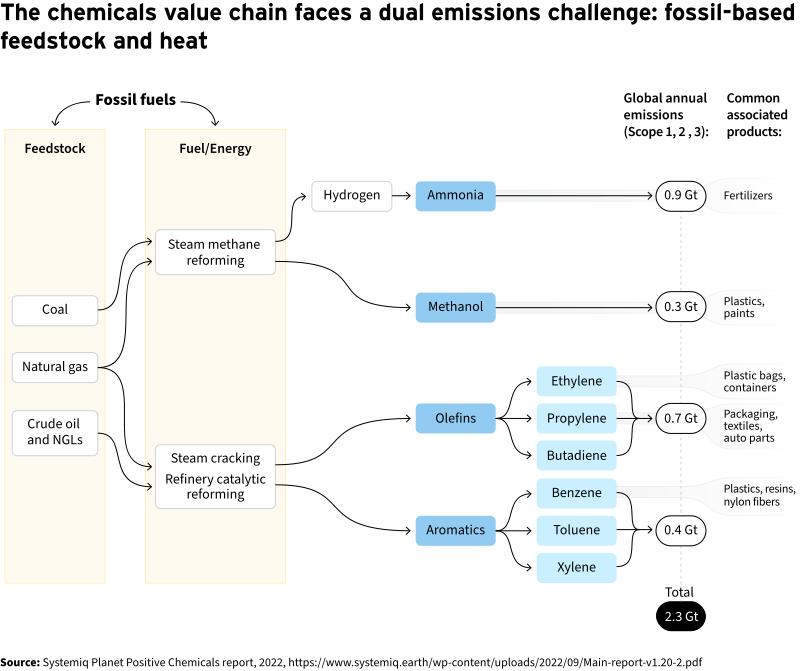
The chemical industry faces a significant challenge in reducing emissions because
emissions-intensive fossil fuels are used as both the inputs (feedstocks) for producing
chemicals and the energy source (fuel) required to process these materials into final products.
By 2050, these feedstocks could account for nearly half of the global demand for oil
and gas, thus continuing the cycle of unmitigated fossil fuel extraction and refining.
Given the complexity of the chemical industry, there is no single solution for reducing
emissions in the sector. Both reducing demand for chemical products and implementing supply-side
emissions reduction technologies will be essential to meet climate goals. Due to the industry's
long turnaround and capital planning cycles, typically 1 to 10+ years long, it is crucial to
speed up the commercialization of new technologies and economic viability of existing
technologies to deploy as soon as possible. Investing in these solutions also presents an
opportunity to minimize the cumulative environmental damage from emissions to water, air, and
land, which currently have a disproportionate impact on frontline communities.
To identify strategies to support the sector's transition, RMI evaluated the current emissions
baseline, investigated emissions reduction strategies, and modeled their potential impact. This
report offers a data-driven, “reality-forward” analysis for the US chemical industry. Our goal
is to enhance the emissions visibility of 6 primary chemicals, quantify the impacts of 20+
emissions reduction levers for the sector, and understand current deployability of near-term
levers, to drive rapid, meaningful action to reduce emissions, improve air quality, and drive
the sector towards a clean and prosperous future for all.
Current State of Primary Chemicals Production
The six focus primary chemicals are building blocks for everyday products. Hydrogen is used in
oil refining and to produce ammonia and methanol. Ammonia itself is essential for fertilizers,
which help grow the food we eat. Methanol serves as a base for plastics and paints. Ethylene is
used to make polyethylene, a widely used plastic found in everything from plastic bags to
containers. Propylene is used to make polypropylene, a plastic found in packaging, textiles, and
auto parts. Finally, benzene is a core component in producing various chemicals that become
plastics, resins, and nylon fibers, commonly found in consumer goods, packaging, and even
clothing. Together, these chemicals form the foundation of numerous products that support modern
life.
(Baseline 2019)
Why Primary Chemical Production Releases So Many Emissions
The physical mass of material produced by the chemical industry is enormous, which is one of the
main reasons that the sector has a large GHG footprint. In the United States alone approximately
90 million tons of these six primary chemicals were produced in 2019, and the reactions that
transform raw materials into these chemicals are very energy intensive, resulting in significant
greenhouse gas emissions from their production.
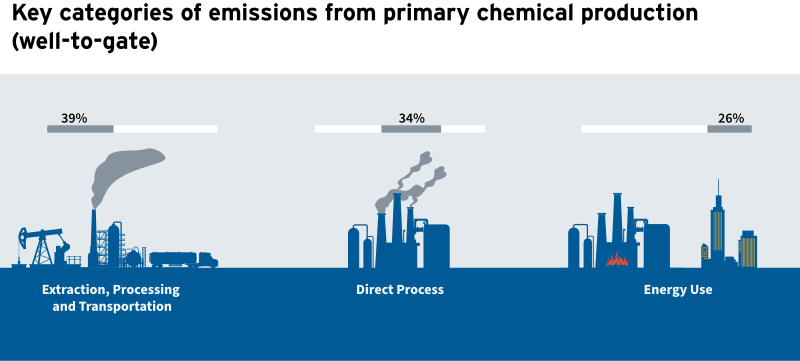
It takes energy to extract, purify, and transport the raw materials, or feedstocks, such as
natural gas (primarily methane), naphtha, and natural gas liquids (NGLs) used to make these
chemicals. Feedstock and fuel extraction, processing and transportation account for about 39%
of the emissions from these primary chemicals' production (RMI Analysis).
Energy is also used to transform and purify these chemicals, using processes like drying and
separation, and to move these materials from one part of the production facility to another
using equipment like pumps and compressors. Today, most of the energy used to fuel these
processes is derived by combusting fossil fuels — generating greenhouse gas emissions. A smaller
part of the energy used comes in the form of electricity, which itself is primarily generated by
combusting fossil fuels. Energy use accounts for about 26% of the emissions from these
primary chemicals' production (RMI Analysis).
+
Water
In addition to emissions associated with energy consumption, sometimes chemical reactions
themselves produce carbon dioxide. The most significant example of this is the steam methane
reforming (SMR) reaction used to make hydrogen. Direct emissions from the production process
account for about 34% of emissions from the US chemical sector (RMI Analysis).
+
Hydrogen
GHG emissions also come from a multitude of inefficiencies throughout the production process,
such as methane leaks during natural gas extraction and processing; and wasted energy at the
production facilities due to inefficient design and inadequate maintenance. Improving efficiency
can help reduce the emissions generated from feedstocks processing and energy use.
The Chemical Sector Emits More Than We Think
Establishing baseline emissions for the chemical sector presents significant challenges. While
the Environmental Protection Agency's Greenhouse Gas Reporting Program (GHGRP) provides detailed
accounting of Scope 1 and Scope 2 emissions, the emissions associated with the extraction,
processing, and transportation of fossil-based feedstocks are less certain. Existing
self-reported data has likely underestimated these upstream emissions.
As previously noted, fossil fuels serve both as feedstock and energy sources to produce primary
chemicals. Consequently, variability in upstream greenhouse gas emissions directly affects both
feedstock-related and energy-related emissions from chemical production. For example, using the
Department of Energy's GREET model default methane leakage rate of 0.94%, the emissions from the
six primary chemicals' production in 2019 were estimated at 158 million metric tons (MMT) of
CO2-equivalent (CO2e). However, under a worst-case methane leakage
scenario of 9.6%, these emissions nearly double to 291
MMT CO2e.
Our model and analysis in this report assumes a US average methane leakage rate of 2.2% for
natural gas and natural gas liquid production, resulting in estimated baseline emissions of 178
MMT CO2e—13% higher than the GREET default. This higher leakage rate more accurately
represents the average measured methane leakage from the upstream supply chain as found in
Stanford's million measurements study.
Chemicals
Who Makes Primary Chemicals?
Currently in the United States each of the primary chemicals is made using one dominant
production method, except for propylene which has two dominant production methods (Exhibit
7).
Chemicals
Primary chemical production in the United States is highly concentrated among a few large
companies, with a long tail of smaller producers. For example, the top five producers of
hydrogen, ammonia, and steam-cracker chemicals are responsible for approximately 72%, 75%, and
64% of the total emissions from producing these chemicals, respectively.
In hydrogen production, multinational industrial-gas and oil-and-gas companies are the dominant
players. Similarly, ammonia and methanol production in the United States is concentrated among
large, consolidated companies operating high-capacity facilities to serve industries like
agriculture, fuels, and chemicals. For ethylene and propylene, production is led by
multinational, diversified chemical companies that leverage their scale and integration across a
wide range of petrochemical products.
Benzene, along with a share of propylene, is produced primarily as a gasoline by-product
from the oil and gas refining process. Production of benzene and about 65% of propylene produced
in the United States is closely tied to refinery operations and output, rather than being
produced through dedicated chemical facilities.
Business as Usual Has Significant Impacts on the Environment
The chemical industry underpins our modern economy and it's not going away, especially given the
sector's ability to manufacture goods so cheaply and abundantly that they are often seen to be
single use, disposable, and wasteful. Major companies are recognizing the need to reduce
emissions and are taking early, actionable steps to do so. But from a global perspective,
commitments and actions fall short of a climate-aligned chemical sector by 2050. If we continue
this current trajectory, we will overshoot our emissions targets and see catastrophic
consequences for the climate and global population. We need to take urgent action to transform
our ways from the old, polluting production methods to new, thoughtful, efficient, and less
polluting production of the future.
(well-to-gate)
The Road to Decarbonization: Emissions Reduction Levers for Primary Chemicals Production
To build a comprehensive understanding of potential emissions reduction levers and their feasibility, we conducted extensive interviews with thematic experts from thirteen RMI programs and over twenty external thought leaders. These included changemakers from leading chemical companies, think tanks, policymakers, academia, environmental NGOs, financiers, and consulting firms. By integrating their insights with an in-depth literature review and our carbon intensity model, we developed a detailed perspective on available emissions reduction levers, offering a balanced perspective on their potential impact and limitations.
Through this collaborative process, our team identified over twenty emissions reduction levers (Exhibit 9), which can significantly lower well-to-gate emissions from primary chemical production. The well-to-gate emissions reduction levers fall into four main categories: alternative production methods, alternative sources of heat, cleaner operations, and alternative feedstocks.
RMI quantified the potential emissions reduction impact of these emission reduction levers by creating a comprehensive model with consistent boundaries for each of the chemicals using the publicly available Argonne lab's GREET model and the University of Calgary's PRELIM model. While these publicly available and peer-reviewed models' primary purpose is to evaluate the carbon intensity of fuels production, RMI adapted them to model chemical production well-to-gate life cycle emissions for the six primary chemicals of interest and the associated impacts from the emissions reduction levers. The RMI model is used to quantify emissions impacts and does not currently evaluate the capital and operating costs of implementation. We plan to analyze costs and associated green premium in more detail in future work. Detailed model methodology can be found in Appendix A.
Reality Check: “Deployability” of Emissions Reduction Levers
In an ideal world, we could implement all of these emissions reduction levers fully across the
chemical sector and drive emissions down to a net zero scenario. Although this would lead to
transformative change, given the current state of technological readiness, adoption readiness,
and availability of enabling policy and infrastructure this is unrealistic today. To understand
what is actually possible today, we undertook a site-specific analysis that considered:
- How can these solutions align with community concerns, priorities, and desires to ensure
harm reduction for historically burdened communities? - What are each site's geographic opportunities and constraints?
- Which emissions reduction levers are most advantageous for a given production method?
- What is the technology readiness level and anticipated cost for the emissions reduction
levers?
The map below shows emissions from the US chemical production facilities analyzed - Refineries,
Hydrogen, Methanol, Ammonia, and Steam Crackers with their total site emissions represented by
bubble size. A few high-level observations for chemical production:
- Clear clustering of sites along the US Gulf Coast, California, and Midwest
- Solutions that work are going to vary from site to site based on feedstock availability,
renewable energy potential, infrastructure proximity (pipelines, storage wells, and
transmission), CO2 storage potential, and other factors.
Ten Emissions Reduction Levers Deployable at Scale Today
Here's the bottom line: ten emissions-cutting solutions are technically ready to deploy at scale
today, with the potential to slash emissions by 34%. These are mature technologies already
backed by industry investments, project announcements, and on-the-ground initiatives. But
"deployable today" doesn't mean they're instant fixes—bringing them online in industry takes
time. For many facilities, installation can only happen during planned downtime, which might
come every 1 to 10+ years. Add to that extensive review and approval processes, permitting,
social license to operate - all delaying a solution that's technically ready today for three
years or potentially more to make an impact.
To identify the barriers to adoption, each lever was rigorously assessed through in-depth
interviews with thematic experts from thirteen RMI programs, as well as over twenty external
thought leaders and changemakers. These included leaders from four of the most influential
chemical companies in the United States. Exhibit 11 below shows the top ten near-term solutions,
along with the key challenges hindering their implementation. Addressing these obstacles
directly will enable the chemical industry to accelerate adoption at scale.
This analysis also dives into what's possible across US facilities: it looks at how many sites
could adopt these solutions right now, what it would take to enable wider adoption, and the
production growth limitation needed to hit climate targets.
What Makes an Emissions Reduction Lever Deployable Today?
To determine the likelihood of each emissions reduction lever's implementation today, geographic
and economic factors were considered. These were used to assign a likely adoption rate of each
lever for every site. Details on the criteria and adoption rates can be found in Appendix
C.
This analysis determined deployability on a geographic basis for each emission reduction lever.
Each also requires permitting and infrastructure which can face community acceptance risks. For
all projects suggested as potential solutions for a particular site, it is essential to engage
the local community, ensuring their voices are a meaningful part of any decision-making process.
No project will be successful without community support, and tangible benefits flowing to those
impacted. Additionally, solutions should not be implemented if they increase harm to communities
in their immediate location. Resources such as the Justice 40 initiative should be used to
evaluate impacts, mitigate risk, develop benefits, and ensure all voices are heard.
This analysis determined that approximately 34% of emissions could be reduced in the near term
if the sites deploy all 10 of these emission reduction levers at their facilities to the extent
that infrastructure, policy and the market allows today. This is an optimistic forecast as it
does not account for individual company financial and risk tolerance, political climate and
other factors that will impact their likelihood of implementation. This level of emissions
reduction is insufficient as a path to net-zero, however there are significant opportunities to
increase the deployability of each of these levers across the sites in the United States.
Additionally, this analysis focuses on emissions reductions from a 2024 baseline. If industry
growth follows anticipated projections, total emissions could increase by 2050 even with 34%
reduction from these emissions reduction levers today. Industry research states that chemical
growth needs to be tempered to keep the path to net zero by 2050 attainable. To achieve this, strategies such as extended producer responsibility,
substitution, waste management, reuse models, and more need to be prioritized.
Cleaner Operations: Significant Potential for Emissions Reduction
Cleaner operations, including High-Purity Carbon Capture, Methane Leak Mitigation, and Upstream
CO2 Emissions Mitigation, present the largest near-term potential for emissions
reduction. Based on this analysis:
- 41% of sites (Hydrogen and Refineries) can implement high-purity carbon capture projects
due to their proximity to announced CO2 storage or pipeline - 51% of sites can implement methane leak mitigation at no net cost
- 13% of sites can implement upstream CO2 emissions mitigation with zero-emission
power - This deployment level could reduce sector emissions by 16% near-term
Methane leak mitigation projects, which typically have lower capital expenditures and high
returns, offer an attractive alternative to costlier carbon capture and electrification
initiatives. The 51% deployment of methane leak mitigation is all achievable with no net cost
according to the IEA methane Tracker. Although 51% deployment is theoretically achievable, based
on corporate commitments to OGDC and OGCI, only 15% of US producers are publicly committed to
reducing methane leakage to 0.2% - highlighting the need for policy and differentiated markets
to develop.
High-purity carbon capture is particularly promising for hydrogen production and Fluid Catalytic
Cracking (FCC) offgas; however, deployment depends on proximity to CO2 pipelines or
storage sites.
Process Heat Decarbonization: Overcoming Temperature Constraints
Decarbonizing process heat remains a significant challenge for the chemical industry, but with
huge potential for reduction of emissions. Based on this analysis:
- 26% of sites could deploy low temperature process heat-related projects based on production
routes and their temperature requirements - This deployment level could reduce sector emissions by 2% near-term
The adoption rate is limited by:
- Temperatures required for the process. Methanol, ammonia and steam cracking have limited
low temperature applications that comprise 13%, 9% and 1% of heating requirements,
respectively. - Higher temperature processes such as steam cracking, hydrogen production and refineries
require lower technology readiness level (TRL) solutions such as e-crackers or green
hydrogen fuel which are not yet ready to scale cost competitively.
Efficiency measures, including advanced catalysts and alternative reaction pathways, offer the
potential to lower reaction temperatures and reduce energy demands, allowing for solutions like
heat pumps, thermal batteries, and electric boilers to operate effectively. Efficiency
improvements are particularly appealing due to the high return on investment associated with
energy savings.
Blue Hydrogen Fuel Switching: A Limited Opportunity
Blue hydrogen is an attractive solution to replace natural gas in fired heaters in the interim
as zero-emissions power and electrolysis for hydrogen production are scaled. Based on this
analysis:
- 19% of sites could deploy blue hydrogen as a fuel based on proximity to announced blue
hydrogen projects - This deployment level could reduce sector emissions by 3% near term
The adoption rate is limited by:
- Proximity to announced blue hydrogen projects
- Cost of purchasing blue hydrogen compared to natural gas to use as fuel. Assumptions in
Appendix C. - Remaining on-site fuel gas balances for internal methane gas production (i.e., in steam
cracking). - Significant capital investments to adapt on-site and offsite infrastructure, including
hydrogen supply systems, burner modifications, and control systems to safely handle hydrogen
fuel. - Reliability issues including availability of backup fuel supply.
Investment in blue hydrogen infrastructure today is a future-proofing solution as electrolytic
hydrogen with zero-emissions power gains momentum as the controls, pipelines, and burners will
function regardless of the source of the hydrogen.
Zero-Emissions Energy Procurement: A Near-Term Solution for Power Needs
Procuring zero-emissions power to meet current electrical load offers a near-term emissions
reduction pathway that sees direct benefit. Based on this analysis:
- 34% of sites can implement renewable energy purchasing projects based on behind-the-meter
deployment in their state - This deployment level could reduce sector emissions by 0.3% near term
Although the adoption rate is high for renewables, the impact today is low due to low
electricity demand at chemical facilities as most process heat is provided by combustion,
leaving pumps, compressors, controls, and facility lighting as the main electrical users
As more sites electrify operations for process heat and new production pathways, the impact of
zero-emissions power will increase for production sites. Starting conversations now with
utilities and developers to procure zero-emissions power is a stepping stone to future
electrical needs for the sites. Utilities will need to not only produce the energy but find ways
to transmit and store it to provide the constant electricity supply large industrial facilities
require.
Alternative Feedstocks: Limited Volumes and a Battle for Feedstocks
Alternative feedstocks are gaining traction as an emissions reduction strategy. In the near
term, blue hydrogen feedstock switching and use of bio-based feedstocks, like used cooking oil,
are expected to grow. Based on this analysis:
- 38% of sites can implement blue hydrogen feedstock switching projects based on their
proximity to announced blue hydrogen projects - 8% of sites can implement used cooking oil feedstock switching projects
- This deployment level could reduce sector emissions by 3% near term
The adoption rate is limited by:
- Blue hydrogen availability; based on the number of announced projects, there will be
competition for the lower emissions feedstock amongst sites and geographies. - Used cooking oil availability; competition with the biofuel market to be directed to
chemicals
Unlike fuel switching, blue hydrogen feedstock switching is feasible without extensive site
modifications if hydrogen is already delivered through pipelines to the site.
Mechanical Recycling: Deployable at Scale Today but Limited in Potential Impact
Mechanical recycling is currently the most scalable alternative production route, while other
pathways require further development to lower their carbon intensity or reach commercial
readiness. Based on this analysis:
- 6% of sites can implement mechanical recycling projects to reduce virgin demand based on
state-specific recycled content availability - This deployment level could reduce sector emissions by 0.2% near-term
Today's impact is limited to a 0.2% reduction due to varying recycling rates by region impacting
the availability of recycled material. Increasing sorting and recycling incentives for plastics,
such as rigid PP, HDPE, and LDPE, as well as a stable offtake could bridge the gap toward this
emissions reduction potential, especially in regions with lower recycling effectiveness.
Depending on the specific chemical, and where the sites producing that chemical are located in
the United States, the deployability changes significantly as shown in Exhibit 13. Cleaner
operations are the most deployable levers at 16% emissions reduction potential today, primarily
driven by methane leak mitigation and carbon capture on high-purity streams associated with
hydrogen production. Energy and process heat is close behind due to the deployability of
efficiency projects in virtually all facilities with high returns on investment and emerging
technologies for low temperature heat.
Unleashing the Full Potential of Emissions Reduction Levers
How do we unlock the remaining 66% of emissions? There are two parallel paths that are critical
to reach a climate-aligned chemicals sector. First, increase policy and infrastructure support
to scale up deployment of these near-term, viable levers. Second, fund innovation to support the
scale up of new technologies to address the remaining emissions and identify new groundbreaking
technologies that could have an even greater impact.
Policy and Infrastructure Improvement Opportunities
We evaluated select cases to understand how much additional emissions reductions could be
achieved with additional policy and infrastructure support.
- Increasing the 45Q tax credit for carbon storage from $85/metric ton to $95/metric ton
- Increasing methane leak mitigation by implementing abatement measures at or below a
$3/mmbtu cost - Increasing mechanical recycling rates across the United States through bottle bills and
extended producer responsibility to bring rates up to the levels we see in the top
performing states today - Additional incentives to get blue hydrogen to cost parity with grey hydrogen for feedstock
use
If these four changes were implemented, we could see an additional 14% decrease in emissions
from the chemical sector in the near term. With an additional $10/metric ton 45Q credit the
emissions reductions from high-purity carbon capture could increase by 6% as sites that are
currently too far from storage or pipelines could justify the cost of the additional transport
distance. An increase in methane leak mitigation deployment reduces emissions by an additional
3.5% as sites invest in quarterly leak detection and repair, flaring improvements and pump
electrification along their natural gas supply chains. Mechanical recycling rates could reduce
emissions an additional 1.2% if we implement bottle bills and extended producer responsibility
measures that are proving to be successful in the states with the highest rates today. And
finally, if incentives can bring the price of blue hydrogen to parity with grey hydrogen today,
many more sites could purchase a lower emissions feedstock to lower their scope 3 emissions at
no additional cost, resulting in a potential 2%-8% reduction in emissions (depending on specific
site adoption).
With infrastructure and policy improvements, we could reduce an additional 14% of emissions from
the chemicals sector reaching almost half (48%) of emissions mitigated. The remaining half of
sector emissions could be addressed by a combination of near-term levers and innovative
technologies. More aggressive policies will help support additional deployment of existing
solutions, but a large dose of innovation will be required to disrupt the current norms and make
sizeable emissions reductions.
Building Infrastructure: The Backbone of Decarbonization
Infrastructure is essential to support efforts for emissions reduction across the sector. Given
the diversity of sites and their geographical spread, developing robust infrastructure for
energy and material transport is crucial. Key infrastructure priorities include:
- Zero-Emissions Power Generation, Storage and Transmission: Vital for supporting
direct electrification and green hydrogen expansion. - CO2 Transport and Storage: Enables efficient carbon capture and blue
hydrogen production, particularly in high-potential areas like the US Gulf Coast and
California. - Hydrogen Transport and Storage: Enables alternative fuels and feedstocks for
production facilities throughout the United States. Storage of hydrogen is one of the
solutions to zero-emissions power intermittency if hydrogen is produced and stored when
zero-emissions power is abundant. - Recycling Infrastructure: Essential for expanding the supply of recycled feedstocks.
- Biofeedstock Collection and Transport: Supports the shift to bio-based inputs.
Policy & Financial Support: Fueling the Transition
Financial and policy support is vital to overcome high capital expenditures (CAPEX) and allow
businesses to invest in these ambitious projects while maintaining profitability. Without
regulatory incentives, many companies struggle to justify these investments. Key policy-driven
solutions include:
- Differentiated Markets: Creating premium markets for low-emissions products based on
carbon intensity (e.g. methane, sustainable aviation fuel, low-emissions steel) can boost
returns for lower-emissions alternatives. - Expanded Incentives and Credits: Increasing credits, like the 45Q carbon capture
credit, credits aimed at low emissions hydrogen, and introducing loan programs specific to
chemicals would help offset CAPEX requirements and bring down cost. - Increase Methane Leakage Regulations: Stricter methane leakage operational
requirements for upstream operators, at the state or federal level, would help chemical
producers significantly reduce their scope 3 upstream emissions. - Alternative Feedstock Incentives: Ensuring bio-feedstocks and low-emission
CO2 (such as from Direct Air Capture) are equally incentivized for chemical
production, not just fuels. - Growth Limiting Initiatives: Policies aimed at limiting growth for chemicals—such as
limits on single-use plastics, incentives for reuse models, stricter emissions standards for
new builds and regulations for Extended Producer Responsibility—can drive significant,
cost-effective emissions reductions.
Standards & Accounting: A Foundation for Transparent Progress
To implement these solutions effectively, clear standards for emissions transparency and product
carbon footprinting are essential. Understanding and comparing carbon intensities will enable
product differentiation, credits, and targeted improvements. With various standards under
development, the industry needs harmonized accounting guidance to ensure accurate and comparable
data across products.
Driving Innovation: Advancing Technologies for Greater Impact
Innovation will play a transformative role in enhancing current technological deployment and
introducing novel alternatives to allow the sector to decouple from fossil fuel extraction. We
need to accelerate these innovation areas in tandem with cleaning up current operations to
reduce emissions for the sector. To accelerate innovation, we must increase funding support
(through loans and grants) and build supportive ecosystems through programs like Third Derivative's Industrial Innovation Cohorts. Focus
areas for innovation include:
- Electrification: Transitioning from natural gas-based processes to
zero-emissions-powered, direct electrification solutions, such as e-crackers and electrified
Haber-Bosch processes to address high temperature heat. - Catalysis Improvements: Developing catalysts that reduce the heat and energy required
for chemical reactions. - Alternative Pathways: Exploring new production methods, like using CO2
feedstocks or low emissions intensity advanced recycling, to reduce reliance on fossil
fuels. - Modularity: Exploring the relevance and benefits of deploying modular solutions (e.g., gasification, H2 production) close to feedstock sources of biomass and zero-emissions power rather than transporting the feedstocks to a centralized location.
- Material Efficiency in Design: Creating products with lower material demands to
achieve the same functionality, reducing overall chemical demand and emissions.
What if all these barriers were eliminated? What is possible for chemicals?
Using the RMI model, we evaluated the maximum potential reduction that could be achieved by both
near-term levers and new technologies if all barriers were removed, and all sites were able to
implement them to their fullest extent. This analysis does not account for the overlapping
impact of some levers or assume scenarios of which levers will be deployed in the future, but
shows all levers relative to each other, and can be used to help prioritize projects and
decision making for future investments.
Maximum emissions reduction potential is the share (%) of emissions from the six focus primary
chemical production in the United States that can be reduced by implementing the emissions
reduction lever at all relevant production facilities.
Table 3 below summarizes the maximum emissions reduction potential for well-to-gate emissions
from the six primary chemicals. This table highlights the substantial role Cleaner Operations
(69%) and low emissions Energy/Process Heat (50%) can play across primary
chemical production. For chemicals like ammonia and benzene, Alternative Feedstocks (36%)
can also have a notable impact.
In the case of Alternative Production Methods (95%), the maximum potential is achieved by
switching 100% of production from conventional methods to the alternative production method.
Alternative production methods show significant promise in reducing emissions, particularly for
hydrogen, methanol, and steam cracker products. Switching to alternative production methods
implies a shift from conventional assets to new assets. It's important to note that any
emissions reduction levers applied to conventional production methods, from cleaner operations
to decarbonized energy/heat, and alternative feedstocks may have the effect of locking in
conventional assets, creating a more difficult path to commercialization and scaling for
alternative production methods. This lock-in risk must be balanced against the need for
near-term emissions reduction.
Hydrogen production from electrolysis (49%), decarbonization of process heat (32%), and
carbon capture on high-purity stream (32%) are the highest impact individual levers
currently available to reduce emissions from primary chemical production (Exhibit 15).
Decarbonizing Hydrogen Production: A Priority for Emissions Reduction
Hydrogen production, critical for ammonia and methanol manufacturing, accounts for over
two-thirds of emissions from these chemicals. When properly accounting for the US average
natural gas methane leakage rate of 2.2%, SMR hydrogen has a baseline carbon intensity of
12.4 kg CO2e/kg — making decarbonizing hydrogen production essential. Future hydrogen
demand is expected to surge, driven not only by the chemicals sector but also by
transportation, steel, and buildings. Prioritizing methods such as zero-emissions-powered
electrolysis, carbon capture, and emerging technologies like geologic hydrogen extraction
could be transformative, offering low-carbon hydrogen at scale.
Energy/Process Heat Decarbonization: 50% Emissions Reduction Potential
Decarbonizing energy and process heat could cut emissions by up to 50% for these six
chemicals, starting with efficiency improvements including heat pumps, heat integration, and
other design upgrades. Once efficiency measures are in place, direct electrification for low
to medium-temperature heat and hydrogen fuel switching or direct electrification for high-temperature heat can address
remaining process heat needs, reducing emissions by an additional 32% but requiring
significant zero-emissions energy and storage deployment for continuous operations. Chemical
companies should collaborate with utilities to ensure zero-emissions power availability and
consider thermal battery storage to manage renewable intermittency.
Cleaner Operations: A High-Impact, Near-Term Solution
Cleaner operations, including carbon capture (high-purity and post-combustion), natural gas
methane leak mitigation, and upstream fossil fuel emissions mitigation have the
potential to reduce emissions by up to 69%. Natural gas methane leak mitigation and some mitigation efforts are a good near-term lever with low capital expenditure
compared to large carbon capture projects. Third-party certification of natural gas supply
chains from organizations such as MiQ
alongside commitments from corporates through programs like OGMP 2.0 and OGDC could
reduce the six chemical production emissions by 18% through limiting average methane leakage
from US natural gas supply chains from the current 2.2% to 0.2%.
In addition to addressing methane leakage in their supply chains, oil and gas operators need
to also reduce the CO2 emissions associated with the fossil fuel production assets
that feed chemical supply chains. From inherent CO2 in the extracted natural gas
feedstock to operational emissions, chemical producers need to pressure their upstream
suppliers to understand the CO2 emissions from their feedstock supply and work with
them to reduce these emissions.
For carbon capture deployment, high-purity carbon capture is more cost effective and energy
efficiency and should be prioritized over post-combustion capture. Concentrated streams are
found in hydrogen steam methane reforming processes, hydrogen autothermal reforming
processes, and refinery fluid catalytic cracker streams. High-purity capture alone could
reduce emissions by 32%. While an additional 16% of emissions could be abated with
post-combustion carbon capture, combustion emissions can be more efficiently mitigated
through energy and heat decarbonization measures listed above.
Alternative Feedstocks: Manage Risks Carefully
Alternative feedstocks such as crop-based oils, hydrogen through electrolysis, animal waste,
and pyrolysis oil are challenged solutions due to the variability in their carbon footprint.
Some variations of alternative feedstocks can even increase carbon intensity if the
gathering, sorting and processing of the feedstock is highly energy intensive.
Blue hydrogen and green hydrogen both have the potential to reduce emissions by 10-15% when
replacing conventional grey hydrogen feedstock. However, a key measure for both solutions is
the emissions intensity of the produced hydrogen. For hydrogen produced through electrolysis
(green), the electricity used needs to be zero emissions for the full potential to be
realized. For hydrogen produced through SMR or ATR with carbon capture, our estimates
incorporate the emissions associated with carbon capture as well as the natural gas methane
leakage of its feedstock supply chain, resulting in lower net emissions benefits compared to
green hydrogen.
Emissions from biomass and CO2 feedstocks can be
challenging to accurately account for as land use change and feedstock handling emissions
must be incorporated. A clear understanding of the emissions footprint for these alternative
feedstocks is critical to drive real emissions benefits through thorough life cycle
assessments on a case-by-case basis.
Additionally, while these alternative feedstocks are gaining momentum, aggregation of
meaningful quantities of supply remains challenging (but doable in certain geographies), and
the infrastructure for CO2, hydrogen, recycled plastics, and bio-feedstocks would
need to expand rapidly to keep up with demand.
Alternative Production Methods: Promising, but Technology Requires Scaling
Alternative production methods (such as electrolysis, ethanol dehydration, etc.) could
reduce emissions by up to 95% from the six primary chemicals but would require chemical
producers to make significant capital investment including major modifications to their
facilities or building entirely new sites.
Hydrogen production from electrolysis with zero-emissions power could reduce the six
chemical emissions by up to 63% relative to baseline and other electrification technologies
such as electrified steam crackers or electrified Haber Bosch for ammonia production could
reduce it another 19%. While these new technologies hold significant promise, they require
resources for piloting the technology, investment in scale-up, project development support
and offtake agreements to help support these new, more expensive solutions until their costs
can come down to par with conventional production methods.
These processes will require vast quantities of zero-emissions power and storage to be
available and reliable for the chemical industry. A synthesis pathway that uses
CO2 as a feedstock to make methanol from direct air capture and electrolytic
hydrogen, shows smaller (4%) emissions reduction potential due to the scale of the
production of other chemicals, but faces similar pilot, scaling, and deployment challenges.
Expanding synthesis pathways to other chemicals is a promising solution if sufficient
feedstock can be obtained.
Deep Dives
Decarbonizing Hydrogen-Based Chemicals Requires Tackling SMR Emissions
Demand for ammonia, methanol, and hydrogen is projected to continue to grow as low-carbon fuels become more attractive. The emissions from these chemicals are primarily driven by the production of hydrogen itself as it is used as a feedstock for methanol and ammonia.
Energy/ Process Heat Decarbonization: Critical to achieve meaningful improvements
Decarbonizing energy and process heat could cut emissions by up to 44% for these three chemicals through efficiency measures first, followed by process heat decarbonization and blue hydrogen fuel switching. Hydrogen production demonstrates the dual challenge dilemma for chemicals because natural gas is used as both feedstock and fuel, both of which emit significant CO2.
Cleaner Operations: Demonstrated Solutions with Near-Term Potential
Applying carbon capture on the -high purity stream achieves a higher percentage reduction and is a more cost-effective solution than post combustion carbon capture. SMR or ATR hydrogen with high-purity carbon capture like the DOE-supported Appalachian Hydrogen Hub ARCH2 has a 44% reduction potential. SMR hydrogen facilities need to capture emissions from more than just the high purity stream to achieve low carbon intensity hydrogen product that can compete in a low-carbon marketplace with electrolytic hydrogen.
Reducing upstream natural gas methane leaks can reduce emissions by up to 15%. This is an easy, lower cost, near-term solution that can have significant impacts on emissions from these hydrogen-based chemicals.
Alternative Feedstocks: Proceed with Caution
Electrolytic hydrogen, blue hydrogen, and bio-based alternatives — like gasified bio-feedstocks from animal waste and landfill gas — offer varying emissions profiles, with reductions up to 9% or increases of up to 35%, depending on feedstock. Lack of regulatory clarity on avoided emissions credits adds complexity in assessing these alternatives. We assumed default literature values for the carbon intensity of these feedstocks and do not take credit for avoiding emissions in the absence of clear regulatory guidance.
Alternative Production Methods: Zero-emissions Power and CO2 Availability Enable Considerable Reductions
The most significant impact on emissions from hydrogen-based chemicals can come from the expansion of electrolysis using zero-emissions power with projects like the DOE-supported Pacific Northwest Hydrogen Hub (PNWH2). This method has the potential to reduce emissions by up to 90% for these chemicals if sufficient zero-emissions power is sourced. E-methanol synthesis, which could lower emissions by 6%, is gaining traction with new projects like the Star e-methanol project supported by the DOE. E-methanol requires a biogenic or direct air captured CO2 source and electrolytic hydrogen with continuous zero-emissions power as feedstock to achieve full emissions benefits. Securing this CO2 source can be difficult due to competition with other applications, such as power-to-liquids and underground sequestration, which benefit from significant tax credits under Section 45Q.
Steam crackers produce olefins (ethylene, propylene) through the process of heating up feedstock (natural gas liquids or naphtha for US sites) to extremely high temperatures and breaking the molecules into smaller, building-block molecules (olefins) that form the polymers that create plastics, and many materials used in our everyday lives. Steam crackers and olefin production are a key focus area for chemicals due to their sheer size and expected growth.
Decarbonizing Process Heat: A Major Lever for Emissions Reduction
Steam cracking is energy intensive and process heat represents the largest opportunity for reducing emissions. Process heat decarbonization through direct electrification such as an e-cracker, like BASF, SABIC, and Linde’s Verbund demonstration site, or through green hydrogen fuel switching, like the Baytown Olefins Plant Carbon Reduction Project, could reduce emissions from the steam cracker by up to 36%. To compare, using blue hydrogen as fuel can reduce steam cracking emissions by 20%, like Dow’s Fort Saskatchewan Path2Zero project.
Steam crackers also produce a stream of light hydrocarbons such as hydrogen, ethane, and propane. This process stream of light hydrocarbons also needs to be processed and converted to eliminate emissions. A potential solution for this is to take the gas mixture and feed it to an SMR or ATR to produce hydrogen with carbon capture. This significantly reduces the emissions associated with processing as compared to directly burning it and provides a hydrogen source that can be re-used as fuel for the steam cracking furnaces themselves.
Cleaner Operations: Prioritizing Methane Leak Mitigation to Drive Near-Term Reductions
Natural gas methane leakage mitigation could reduce emissions from steam cracking by up to 26%. This not only affects the natural gas being used as a fuel, but also the natural gas liquids that serve as feedstock for most of the steam crackers in the US. Certification of steam cracker feedstock and fuel is an easy, lower cost short-term handle for steam cracking facilities to reduce emissions in a big way.
Cleaner Operations: Challenges of Post-Combustion Carbon Capture
Although post-combustion carbon capture also could reduce site emissions significantly, lower CO2 concentrations present operational challenges and the facility installation is highly capital intensive. Steam cracking facilities typically operate with multiple furnaces due to the routine need to take furnaces down to remove built-up coke within the furnace tubes (decoking). There are typically 3-10+ furnace stacks at any one steam cracking facility which would each require a capture unit and balance of plant. For this reason, alternatives to natural gas as sources of process heat are more attractive solutions as they burn without the need for post-combustion CO2 capture.
Alternative Pathways: Promising Alternatives for Ethylene and Propylene Production
There are a few alternative pathways to produce olefins other than steam cracking. Ethanol dehydration shows the highest potential emissions reduction of 39%. Other alternatives include e-cracking, mechanical and chemical recycling, and methanol to olefins from biomass or CO2 utilization (e-methanol). All these technologies have their own challenges to address.
Understanding the land use change emissions associated with ethanol production for ethanol dehydration is critical to ensure that the result is a lower carbon process compared to natural gas liquids for steam cracking. Mechanical recycling has challenges with collecting, sorting, and transporting sufficient feedstock as well as the implications of “downcycling” in which the plastic created from recycling is a lower quality than the original.
Chemical recycling is an emerging alternative, but traditional pyrolysis processes need additional innovation to lower their carbon intensity and improve product yields. Using conventional pyrolysis oil results in an increase in emissions of 9% compared to fossil feedstock. Methanol to olefins is a proven technology primarily deployed in China for olefins production. To reduce emissions via this pathway the feedstock source for methanol is critical. European companies are exploring investments that develop cleaner biomass methanol-to-olefins at scale. Alternatively, methanol can be produced from CO2 at lab-scale and if able to scale, could be a low-emissions source of methanol if the source of CO2 is biogenic or direct air capture.
Finally, electrified steam crackers (e-cracking) are gaining interest and are being piloted to prove out steam cracking using zero-emissions electricity to remove the dependency on natural gas for the heat generation in the furnaces. Assuming the pilot facilities are successful, the industry can then begin scale up and replacement of traditional steam crackers with these electrified facilities.
Not all primary chemicals are produced in dedicated chemical facilities. Refineries also produce chemicals as part of their processes. Fluid Catalytic Crackers (FCC) produce a propylene-rich stream that can be purified to match the propylene stream coming out of a steam cracker and catalytic reforming units (CCR) in refineries produce aromatics like benzene that are purified and used to make detergents and other chemicals that we use every day.
Decarbonizing Process Heat: Significant Opportunities for Energy Intensive Processes
Both the FCC and CCR processes and the crude oil distillation process that feeds them occur at high temperatures, burning natural gas in industrial furnaces for process heat. The decarbonizing of process heat through efficiency measures, direct electrification, and fuel switching can achieve a maximum potential of 47% emissions reduction. Efficiency measures that reduce energy demand could reduce emissions by 13%. Switching the fuel source to either direct electrification where possible, or electrolytic hydrogen would make a 34% emissions reduction for these chemicals. Using blue hydrogen with carbon capture as a fuel source presents a smaller, but significant opportunity at 6% reduction. Additional opportunities exist to incorporate refinery fuel gas into hydrogen production and would provide additional benefits for emissions reductions.
Cleaner Operations: Upstream Emission Reduction Focus
Cleaning up operations with post-combustion capture, upstream CO2 mitigation, high-purity capture on the FCC stream, and natural gas leak mitigation all show promise as near-term, deployable solutions for the sector. Upstream mitigation of both CO2 emissions and natural gas emissions combined could reduce the refinery-based chemical emissions by 16%. This includes natural gas supply chain methane leakage monitoring and reduction measures, as well as CO2 reductions through measures such as reduced flaring, electrifying extraction and processing equipment, and storing CO2 that is extracted and separated as part of upstream operations. While post combustion carbon capture could reduce emissions by 22%, process heat decarbonization measures should be prioritized as they are more cost and emissions effective and often more practical as refineries can have hundreds of furnace stacks.
Alternative Feedstocks: Carbon intensity is the key metric for success
Like other chemical subsets, alternative feedstocks such as Camelina Oil and hydrogen feedstock switching show promise for these refining facilities since they can be swapped in without major equipment modifications. It is critical to understand the carbon footprint of these feedstocks before since footprints are variable depending on sourcing and processing methods.
What’s Next? A Strategic Roadmap to a Net-Zero Chemicals Sector
With a vision towards what is deployable today, and what could be possible for emissions
reduction levers in the chemical sector, the next steps must focus on accelerating adoption of
deployable levers and unlocking new innovative levers to achieve climate alignment.
We narrow down to three key focus areas for the future of the chemical sector:
- Developing regulations and markets to ensure emissions reduction actions have the
incentives needed and prevent the sector from stalling on progress while it continues to
grow. - Cleaning up fossil fuels. We will continue to see fossil feedstocks and fuels used in
the short term so deploying near-term levers that clean up fossil fuel extraction,
processing and use will reap long-term benefits. - Innovating to transition away from fossil fuel heat and towards cleaner feedstock.
Addressing high temperature heat through efficiency and green hydrogen while developing
alternative production methods will unlock a future, low emissions, chemical sector.
Individual stakeholders connected to the chemical industry will have different roles to play to
make progress toward a climate-aligned sector. Policy makers, producers, retailers, investors,
financial institutions, and climate NGOs, all play an important part in guiding the sector
towards a clean and prosperous future for all.
- State and Federal Policymakers
- Expand policies at national and sub-national levels that enable the near-term
deployment of cleaner technologies (45Q, methane leak mitigation, mechanical
recycling, infrastructure development, etc.). Prioritizing those with the highest
impact based on the findings in the deployability section of this report. - Develop regulations that further incentivize innovation and deeper emissions
reductions that can only be achieved with new, currently costly technologies that
need support to scale up and come down the cost curve. - Incentivize the adoption of low-emissions industrial heating technologies by
implementing a clean heat produce-and-use tax credit.
- Expand policies at national and sub-national levels that enable the near-term
- Chemical Producers
- Invest in and accelerate the deployment of near-term solutions that are economically
viable to reduce emissions impacts today (efficiency, renewable energy, methane leak
mitigation, etc.) - Collaborate and partner with innovators to pilot novel technology, and validate
product characteristics, while increasing own investment in internal R&D - Participate in coalitions and convenings to engage with other stakeholders on
challenges and opportunities for the sector.
- Invest in and accelerate the deployment of near-term solutions that are economically
- Manufacturers, Retailers, and Consumers of Chemical Products
- Provide demand signals for a low-emissions product. Ask suppliers of primary
chemicals for reductions in their product carbon footprint and enter into offtake
agreements that build trust and enable large investments. - Participate in coalitions and convenings to ensure the demand signal is sent and
received throughout the value chain of the product.
- Provide demand signals for a low-emissions product. Ask suppliers of primary
- Investors and Financial Institutions
- Invest in early-stage start-ups with the potential to drive significant emissions
reductions through new and innovative technologies. - Review existing holdings to identify opportunities to create value from
climate-aligned operational efficiencies and upgrades. - Signal to incumbents that ambitious operational emissions reduction plans and
alignment with sector transition plans are necessary to access financing for
projects. - Create or participate in more climate-aligned investment vehicles with clearly
articulated sustainability objectives. - Collaborate with insurance companies, philanthropies, engineering firms, and other
market participants to develop risk-mitigating solutions for first-of-a-kind
projects.
- Invest in early-stage start-ups with the potential to drive significant emissions
- NGOs
- Promote a message of ambitious emissions reductions. The analysis in this report can
provide the data to show that there is hope for a climate-aligned chemical industry
and that there are solutions that can be deployed today. - Raise ambition for near-term action in the sector to stop unnecessary emissions that
could be mitigated today.
- Promote a message of ambitious emissions reductions. The analysis in this report can
While these findings showcase impactful reduction levers and opportunities available today,
additional work remains. The RMI Chemicals Initiative aims to build on this foundation, with
future efforts focused on:
- Expanding emissions visibility work to cover additional chemical pathways and key
global regions, including the EU, China, and Southeast Asia. - Developing approaches to advance technical and commercial viability of earlier-stage
innovations to ensure emerging emissions reduction levers can reach their full potential. - Creating tailored net-zero strategies that consider the unique financial capacities,
investment approaches, and risk profiles of different company archetypes in the sector. - Activating demand and markets for climate-differentiated chemical products by
supporting the structures necessary for initial transactions. - Assessing capital requirements, levelized costs, and the resulting green premiums of
the emissions reduction levers in this report including implications for industry leaders
and policymakers.
We look forward to collaborating to build a future for the chemicals sector that continues to
deliver essential products for modern life while minimizing impacts on climate and communities,
securing a clean and prosperous future for all.
Appendices
To accurately understand the potential impact of emissions reduction levers available to the chemicals sector, the RMI chemicals team created a comprehensive life cycle emissions model for each of the six chemicals – hydrogen, ammonia, methanol, propylene, and benzene, from well-to-gate. While there are publicly available sources for chemical production emissions factors, these static values do not provide sufficient detail and flexibility to understand the impact of implementing emissions reduction measures such as renewable energy, carbon capture, alternative feedstocks, and others. Additionally, disparate sources often have different scope boundaries for chemical production emissions which limit comparability. While downstream scope 3 emissions are complex and difficult to estimate, upstream scope 3 emissions are critical to include as they are more easily estimated and there are tangible levers to reduce these emissions today.
To create a comprehensive model with consistent boundaries for each of the chemicals, the team used the publicly available Argonne lab’s GREET model and the University of Calgary’s PRELIM model. The team adapted these publicly available and peer-reviewed models to chemical production life cycle emissions from their current focus’ on fuels production. GREET was used to model baseline emissions from hydrogen SMR production, Haber Bosch ammonia production, methanol production, and propylene and ethylene from steam cracking; separating the production emissions for these processes into scope 1, 2, and 3. Similarly, PRELIM was used to model the baseline emissions from propylene and benzene refinery production using an energy allocation method and separating the production emissions from these processes into Scope 1, 2, and 3.
Once baseline models for each chemical pathway were created the team reviewed existing literature and conducted interviews with experts to determine viable emissions reduction levers for each chemical pathway. Using a variety of academic, industry, government, and internal sources, emissions reductions were determined for each lever and applied to each chemical to create the final model. As an example, for carbon capture, the GREET carbon capture rates and additional electricity and process heat requirements per ton of CO2 were applied to each chemical pathway’s concentrated CO2 stream; SMR flue gas for hydrogen and FCC flue gas for propylene. A similar process was carried out for each identified emissions reduction lever for the chemical pathways listed below in the table. Further detail on sources and assumptions for each emissions reduction lever can be provided upon request.
Once individual carbon intensities were determined for each chemical production route and their emissions reduction levers, the total emissions for the chemical production were calculated by determining the production volume in a baseline year (2019) and then growth rates applied to project volumes through 2050 for each chemical. The baseline volumes and growth rates were determined from literature values, cross referenced with RMI expertise to align with generally accepted projections for each chemical. Sources of data included Bloomberg, NREL H2@Scale, RootsAnalysis, Vantage Market Research, Chemicals Analyst Report, and ICIS. The carbon intensities were then applied to each chemical production over time with the levers applied individually to determine the total emissions impact that each lever could have on a million metric ton basis. This method was replicated for each individual lever for all of the chemicals for which it was applicable and used to generate the results in this report.
Exhibit 20.
This novel emissions modeling approach produced a model which can individually estimate emissions from each chemical pathway on a plant level with upstream scope 3 and scope 2 electricity emissions. While other chemical emissions models exist through proprietary data providers, academic resources (e.g. PNAS and C-thru), and government resources (e.g. GREET and DOE Liftoff) none of these resources provide publicly available, detailed chemical life cycle emissions from well-to-gate with individual emissions reduction levers. Additionally, it can be difficult to determine which model is best fit to purpose as the scope of each is slightly different, limiting the ability to model the entire chemicals sector across a variety of emissions reduction pathways. RMI’s model provides this flexibility and consistent scope, unlocking unique insights that could be used by corporates looking to invest in emissions reduction projects at their specific chemicals site and by other NGOs or research institutions to estimate the impact of emissions reduction deployment across the sector.
Exhibit 21.
Methodology:
- Identified the 10 deployable-today levers based on adoption readiness level, commercial scale deployments and availability.
- For each lever determined :
- The key barriers to adoption
- Geographic quantitative analysis needed to categorize sites based on likelihood of deploying each lever
- Based on the categorization, established the number of sites that could deploy each of these levers today based on geographic location, cost and infrastructure to determine a “deployable” amount of projects and an understanding of true emissions reduction potential today.
Resources:
- Additional Adoption Readiness Level framework from the DOE (Link)
Exhibit 26.
Glossary of Terms
Primary Chemical – A primary chemical refers to a chemical substance that is produced at large scale as a foundational material in the chemical industry. These chemicals serve as building blocks for the synthesis of more complex chemicals, materials, or products.
Well-to-Gate Emissions – Well-to-gate emissions are the greenhouse gases released throughout the production process of a chemical—from sourcing raw materials to manufacturing and transporting it—up until it leaves the factory gate.
Emissions Reduction Levers – Emissions reduction levers are specific actions, technologies, or processes that can directly lower well-to-gate greenhouse gas (GHG) emissions from the production of primary chemicals.
Maximum Potential – Maximum potential is the share (%) of emissions from primary chemical production in the US that can be reduced by implementing the emissions reduction lever at all production facilities where it is possible to implement that emissions reduction lever.
Deployability – Deployability refers to the likelihood and practicality of implementing emissions reduction levers at scale, accounting for current barriers (Appendix C).
Feedstocks – Feedstocks in primary chemical production are the raw materials or input substances used as the starting point to synthesize or produce chemical products. These feedstocks can be derived from various sources, including fossil fuels (e.g., natural gas, crude oil, coal), biomass (e.g., agricultural residues, wood), and recycled materials.
Business as Usual – Business as usual (BAU) refers to the continuation of current practices, trends, or operations without any significant changes.
Climate Aligned Chemical Sector – A climate-aligned chemical sector refers to an industry that operates in line with global climate goals, such as limiting global temperature rise to 1.5°C above pre-industrial levels.
Blue Hydrogen – Hydrogen produced from natural gas or other fossil fuels through processes like steam methane reforming (SMR) or autothermal reforming (ATR), combined with carbon capture, utilization, and storage (CCUS) to reduce associated greenhouse gas emissions.
Green Hydrogen – Hydrogen produced via electrolysis, using electricity derived from renewable energy sources like wind, solar, or hydropower to split water (H2O) into hydrogen (H2) and oxygen (O2).
Turnaround – Industry turnaround cycles refer to the scheduled periods during which industrial facilities, such as chemical plants, refineries, or manufacturing units, undergo planned maintenance, repairs, upgrades, and inspections.
Additional Sources/ References
CO2 concentration map
Source: USGS Data set
Stanford Methane Leak Study: https://news.stanford.edu/stories/2022/03/methane-leaks-much-worse-estimates-fix-available
Authors

Catherine Huyett
Manager
Meghan Peltier
Senior Associate
Ankur Dass
Senior Associate
Brianne Cangelose
Principal
Brian Payer
Senior Principal
Joseph Fallurin
Manager
Anisha Krishnakumar
Senior Associate
Hartej Singh
Related Insights
How Fashion and Furniture Can Lead Toward a Market for Lower-Emissions Polyester
The Applied Innovation Roadmap for Chemicals: Electrification Technologies
Help build the clean energy future. Donate today.
Independent research. Real-world solutions. Supported by donors.
RMI can pursue the highest-impact climate and energy solutions because we’re supported by people who believe change is possible. Every gift helps advance the work needed to make clean energy the default choice worldwide.
For other ways to give to RMI, including checks or gifts of stock, please visit Other Ways to Give.
