

Learn how we are working to transform how we use and produce energy.
What Utility Regulators Need to Know about the IRA
How to Ensure that the Biggest Boon to the Energy System in US History Supports Affordable, Reliable Electric Service.
Why we share this work for free
RMI is an independent nonprofit working to accelerate the clean energy transition. We publish research like this to inform decision-makers and drive real-world impact.
Our work is supported by philanthropy as well as partnerships, including fee-for-service engagements. This support makes it possible for us to share our independent insights for free.
If you find this work valuable, you can support it anytime.
Get more insights like this
Stay up to date with the latest research, analysis, and tools from RMI by opting in to receive occasional emails below. You’ll get new reports, event invitations, and practical insights to help us all accelerate the clean energy transition.
Loading form...
Your download should start automatically. If it doesn’t, click the download button below.
This work is made possible by philanthropy
RMI is a nonprofit supported by donors and partners. Philanthropy enables us to produce independent research and make resources like this freely available.
If you find this report valuable, please consider supporting our work. You can also explore how we partner with organizations to drive impact.
Jump to Section
The Inflation Reduction Act (IRA) represents the single largest investment to date by the United States to modernize the US energy system. It has the potential to accelerate an electrified, equitable, distributed energy future — one that many electric utilities and utility regulators have been working toward for the past decade or more. But that potential won’t be realized unless state utility regulators take further action to ensure the IRA is implemented in the public interest and results in an affordable and reliable energy future. Further, some key provisions of the IRA, such as the Energy Infrastructure Reinvestment (EIR) Program, expire in the middle of this decade, making it imperative for utilities and regulators to come together quickly to capitalize on these offerings.
The IRA’s myriad tax and financial mechanisms have the potential to fundamentally alter the electric utility’s financing landscape by mitigating barriers to retiring uneconomic fossil fuels and accelerating deployment of carbon-free resources. Specifically, there are five sections of the IRA that will fundamentally change the landscape for electric utilities and consequently, the purview and actions required of utility regulators.
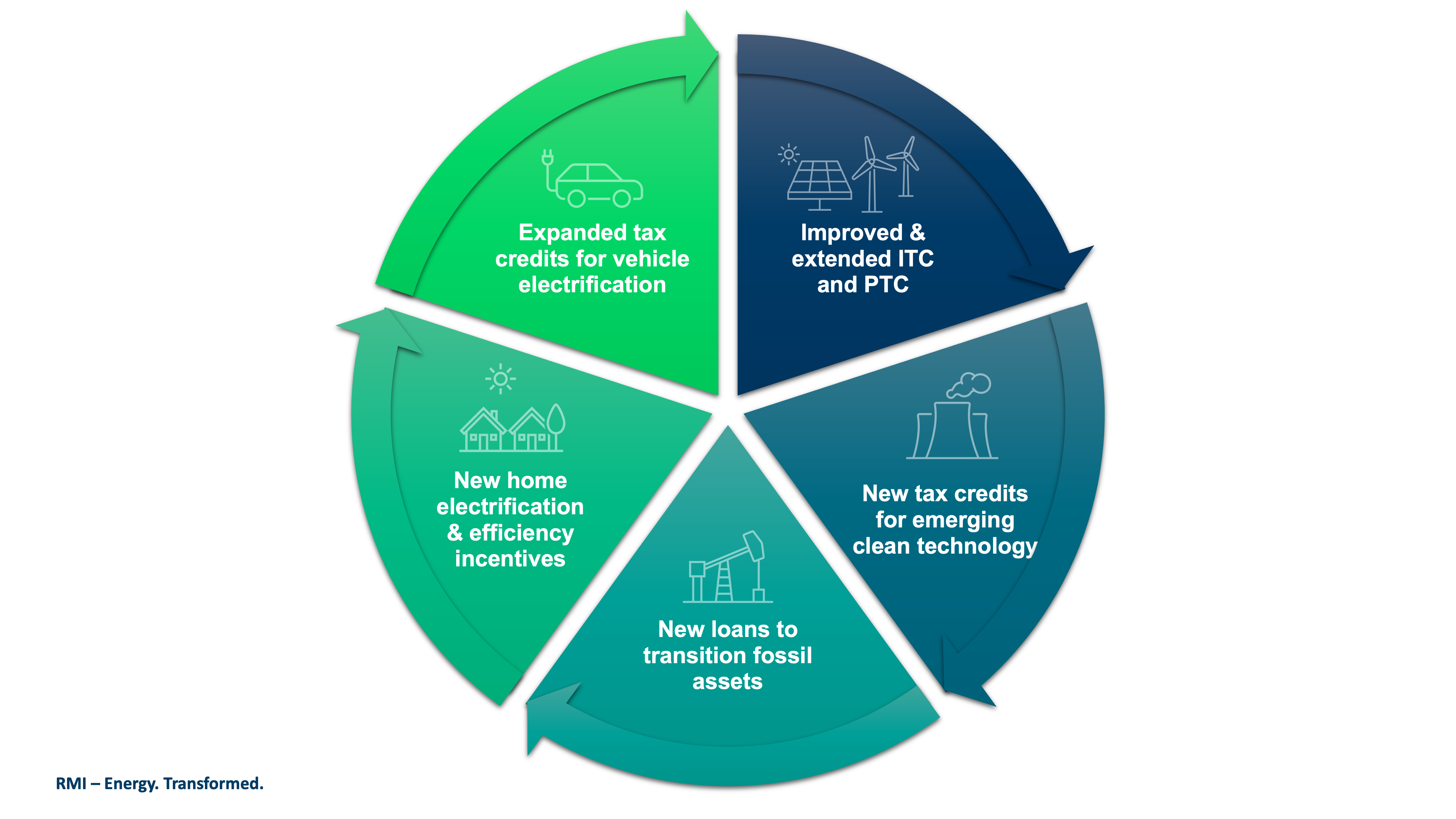
To fully unlock the affordability and reliability benefits of the IRA for ratepayers, regulators can take a variety of actions related to resource planning, procurement, customer programs, and ratemaking, including:
- Requiring changes to utility proposals, plans or, actions. Review utility proposals with the potential benefits from the IRA provisions in mind. As necessary, require changes to specific utility actions — like modeling, programs, or rate design — to ensure benefits of the IRA flow to ratepayers.
- Setting a regulatory vision. Socialize guidance through orders, policy briefs, or inclination documents to clarify how the commission expects staff, utilities, and stakeholders to respond to and best leverage various provisions and programs included in the IRA in future proceedings.
- Ensuring regulatory rules and processes evaluate and maximize benefits from IRA. Evaluate current rules and approval processes — like resource planning, program design, and ratemaking — to check their alignment with the IRA’s credits and programs.
- Coordinating and leveraging expertise from outside agencies and experts. Engage with local, state, and federal agencies to ensure complementary and streamlined programmatic efforts. As needed, request expert support to evaluate how to bring the benefits of the IRA to ratepayers.
- Inviting all perspectives to engage on the issues. Open dedicated investigatory proceedings on topics or opportunities implicated by the IRA and ensure that stakeholders and communities are meaningfully engaged in the decision-making process to determine how best to utilize certain IRA provisions to meet their needs.
The insights presented in the full brief explain the myriad implications the IRA will have on core utility commission activities — such as planning, procurement, customer offerings, and ratemaking. With each set of implications, this brief provides practical considerations and actions that regulators can take now and in the coming years to realize the transformational promise of the IRA, and allow its full range of benefits to flow to ratepayers in their jurisdiction.



Related Insights

Gas Utility Depreciation: Recommendations for an Uncertain Future

States Are Opening the Door to Data Center Investment in Virtual Power Plants

Help build the clean energy future. Donate today.
Independent research. Real-world solutions. Supported by donors.
RMI can pursue the highest-impact climate and energy solutions because we’re supported by people who believe change is possible. Every gift helps advance the work needed to make clean energy the default choice worldwide.
For other ways to give to RMI, including checks or gifts of stock, please visit Other Ways to Give.
