

Learn how we are working to transform how we use and produce energy.
Decarbonizing Homes
Improving Health in Low-Income Communities through Beneficial Electrification
Why we share this work for free
RMI is an independent nonprofit working to accelerate the clean energy transition. We publish research like this to inform decision-makers and drive real-world impact.
Our work is supported by philanthropy as well as partnerships, including fee-for-service engagements. This support makes it possible for us to share our independent insights for free.
If you find this work valuable, you can support it anytime.
Get more insights like this
Stay up to date with the latest research, analysis, and tools from RMI by opting in to receive occasional emails below. You’ll get new reports, event invitations, and practical insights to help us all accelerate the clean energy transition.
Loading form...
Your download should start automatically. If it doesn’t, click the download button below.
This work is made possible by philanthropy
RMI is a nonprofit supported by donors and partners. Philanthropy enables us to produce independent research and make resources like this freely available.
If you find this report valuable, please consider supporting our work. You can also explore how we partner with organizations to drive impact.
Jump to Section
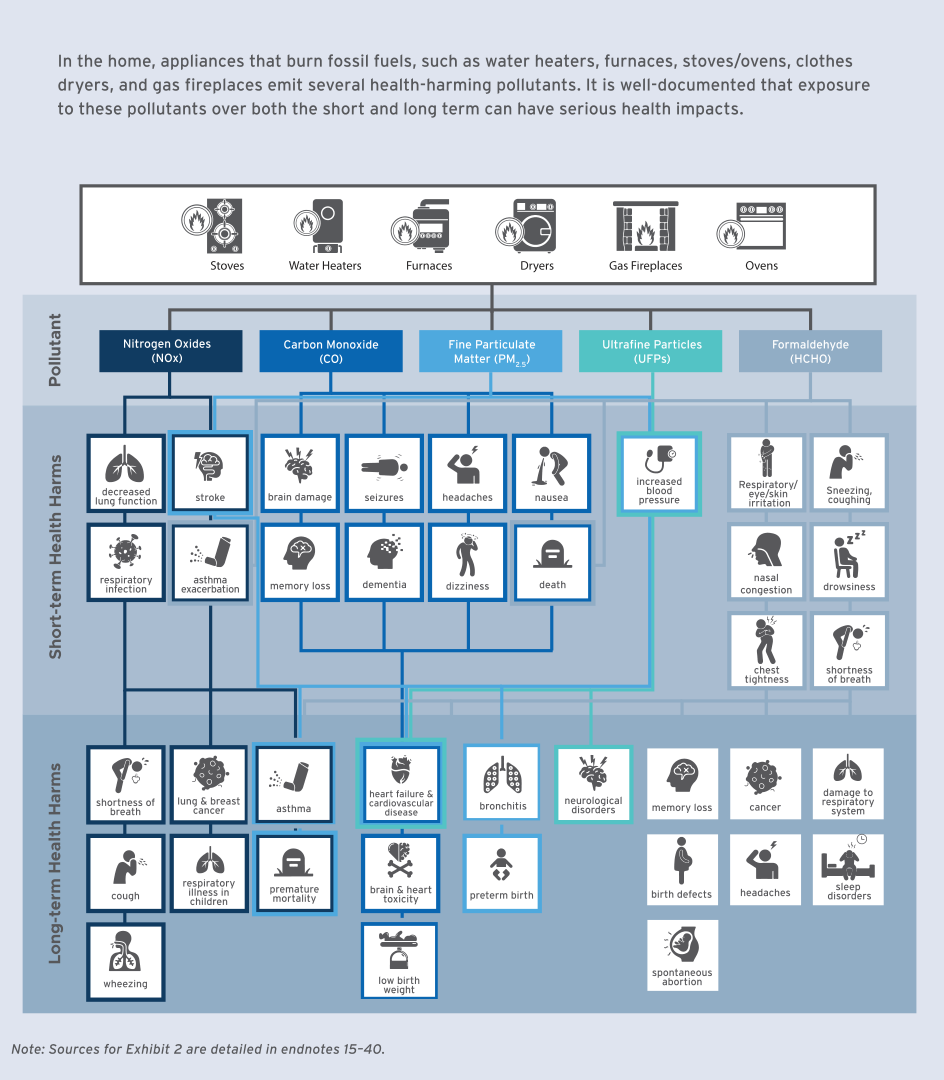
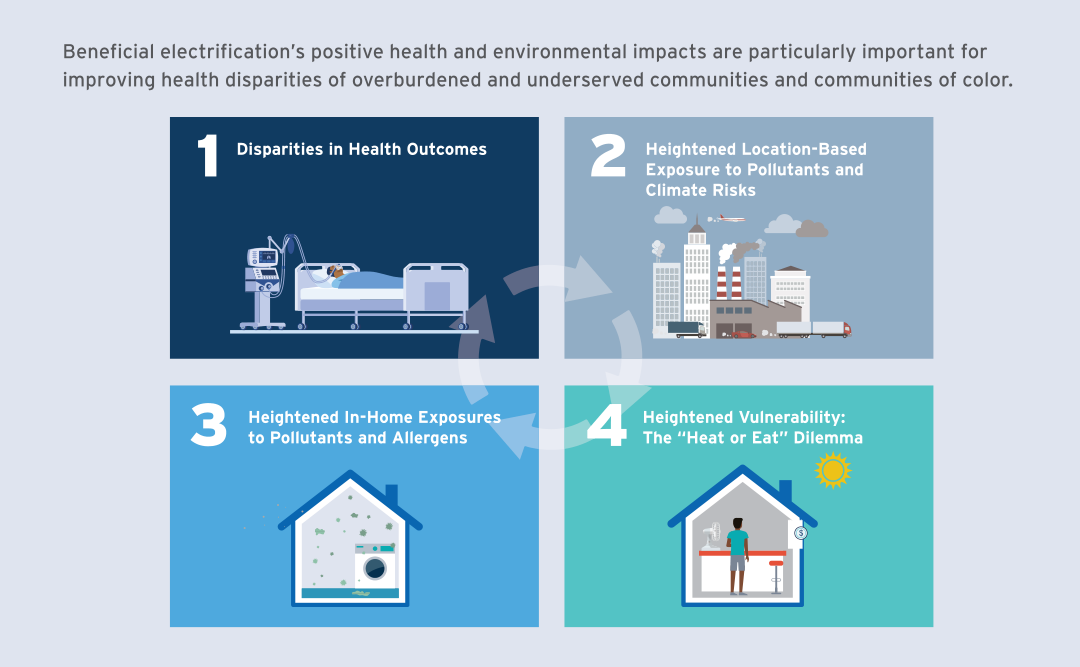
In the United States today, 26 million low-income households burn costly, health-damaging, and climate-disrupting fossil fuels inside their homes. Communities of color are disproportionately overburdened by pollution from burning fossil fuels, as well as energy costs and poor housing quality. This is due in part to structural racism throughout our housing and economic systems. Many of these communities are also highly vulnerable to the extreme weather events brought on by climate change. They lack comparable access to cooling and resilient infrastructure, as well as the financial means to relocate.
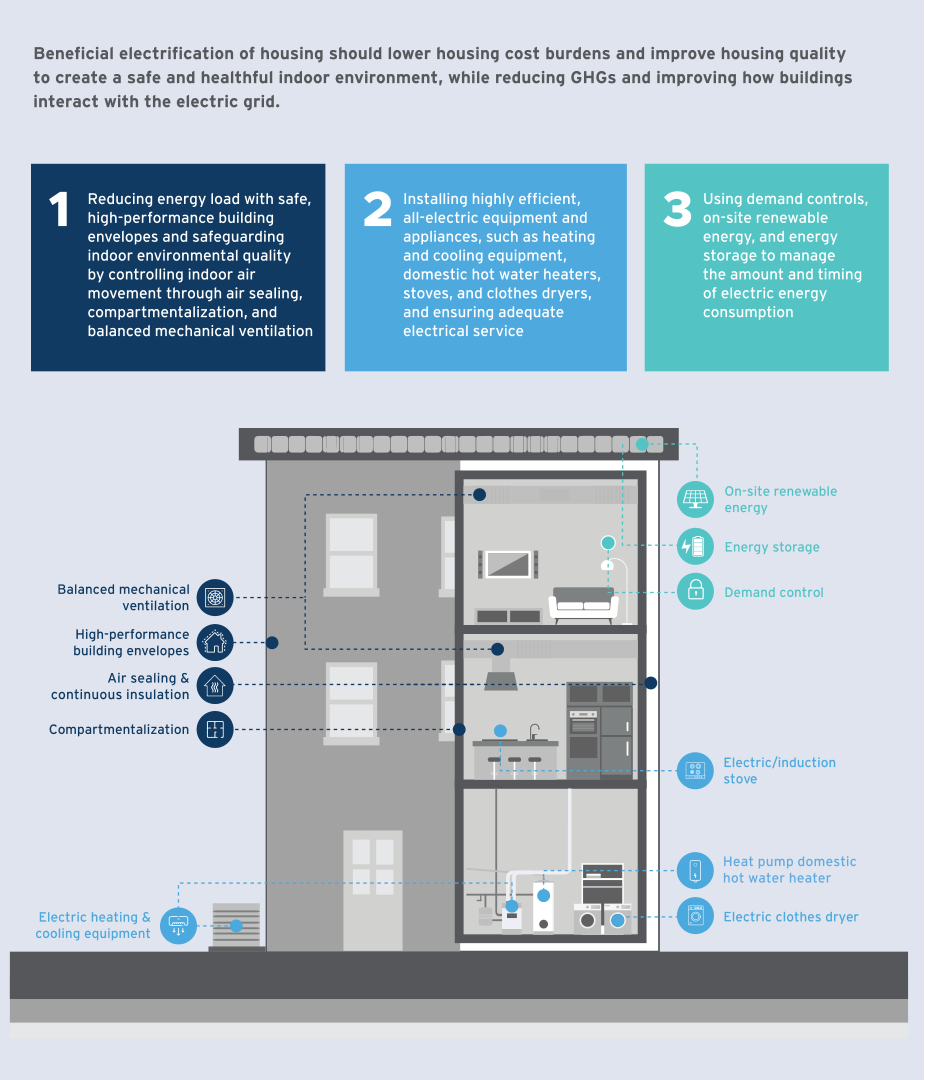
In order to meet the country’s climate goals and protect public health, we need to retrofit these homes through “beneficial electrification.” This report, Decarbonizing Homes: Improving Health in Low-Income Communities through Beneficial Electrification, presents a holistic approach to electrifying housing in low-income communities. This approach will lower housing cost burdens, improve housing quality to create a safe and healthful indoor environment, reduce climate pollution, and enable buildings to more easily manage electricity demand. State and local governments can help deliver these benefits through bold action, particularly as the federal government considers investing hundreds of billions of dollars to help out.
This report is intended for experts in several areas of practice—public health, housing policy, building science, and utility regulation— to help bridge knowledge gaps.
Read our blog about Investing in Healthier Low-Income Housing.
Click the “Download” button above for a PDF of the full report. The infographics below can also be downloaded.
Beneficial Electrification of Housing
Source: https://rmi.org/insight/decarbonizing-homes/
Overview of Health Harms from Exposure to Pollutants from Fossil Fuel Combustion
 Source: https://rmi.org/insight/decarbonizing-homes/
Why Low-Income Communities Need Beneficial Electrification
 Source: https://rmi.org/insight/decarbonizing-homes/
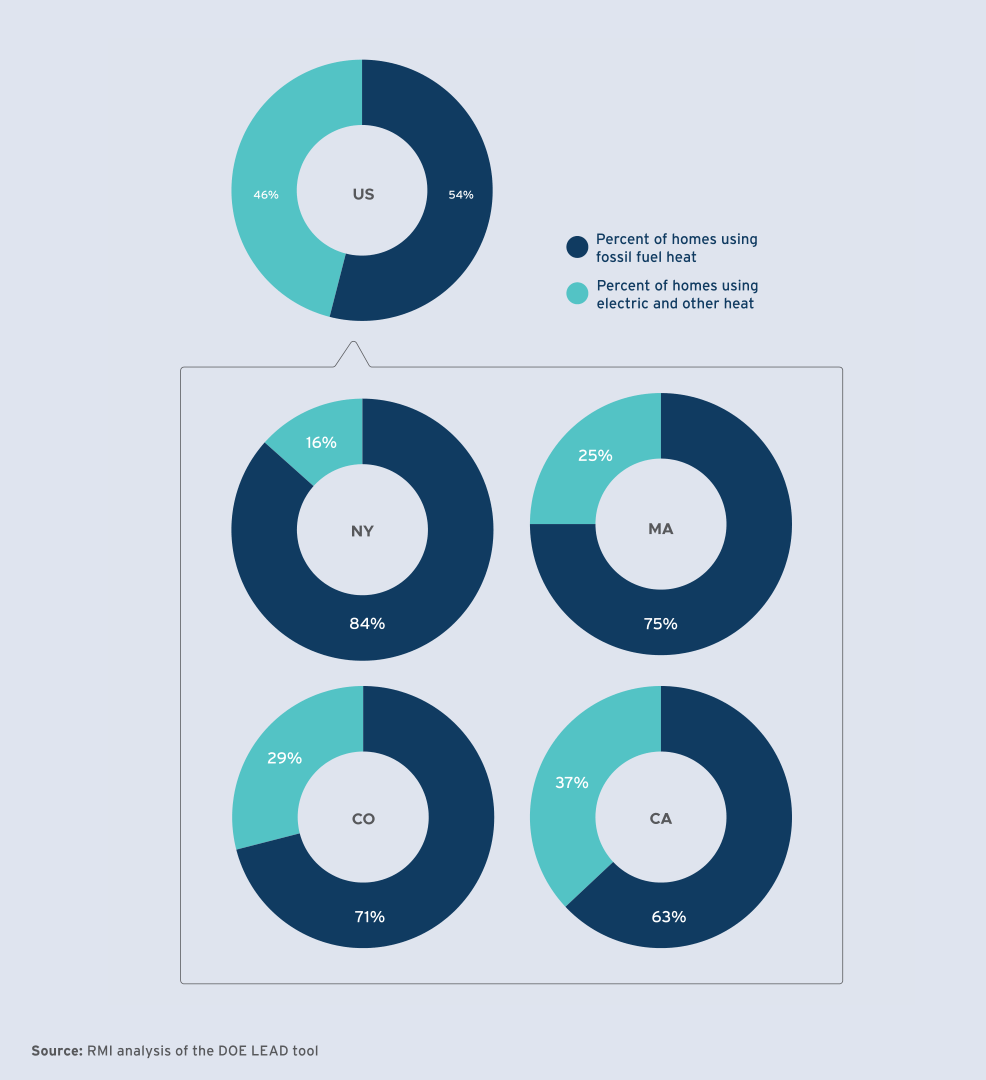
Primary Heating Source for Low-Income Residential Dwelling Units
 Source: https://rmi.org/insight/decarbonizing-homes/
Authors

Bomee Jung
Yu Ann Tan
Related Insights

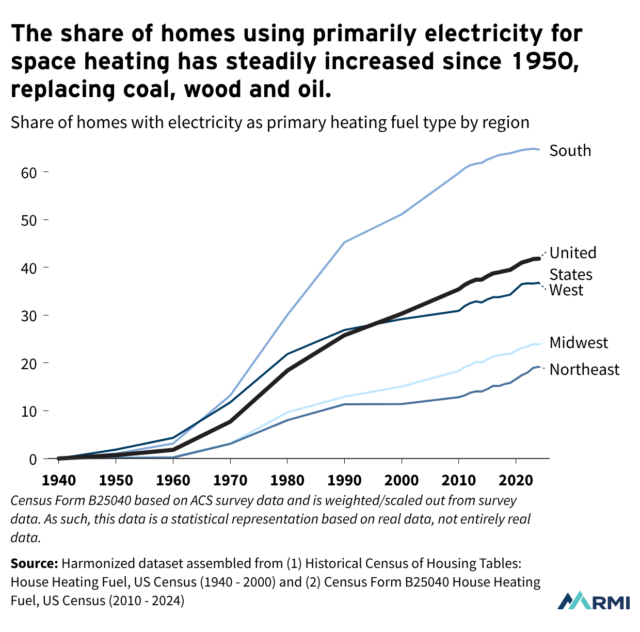
More Americans Are Heating Their Homes with Electricity than Ever Before
Help build the clean energy future. Donate today.
Independent research. Real-world solutions. Supported by donors.
RMI can pursue the highest-impact climate and energy solutions because we’re supported by people who believe change is possible. Every gift helps advance the work needed to make clean energy the default choice worldwide.
For other ways to give to RMI, including checks or gifts of stock, please visit Other Ways to Give.
