

Learn how we are working to transform how we use and produce energy.
Mapping Incentives to Change
How Commutifi's Commuter Score Can Influence Sustainable Commuting
Why we share this work for free
RMI is an independent nonprofit working to accelerate the clean energy transition. We publish research like this to inform decision-makers and drive real-world impact.
Our work is supported by philanthropy as well as partnerships, including fee-for-service engagements. This support makes it possible for us to share our independent insights for free.
If you find this work valuable, you can support it anytime.
Get more insights like this
Stay up to date with the latest research, analysis, and tools from RMI by opting in to receive occasional emails below. You’ll get new reports, event invitations, and practical insights to help us all accelerate the clean energy transition.
Loading form...
Your download should start automatically. If it doesn’t, click the download button below.
This work is made possible by philanthropy
RMI is a nonprofit supported by donors and partners. Philanthropy enables us to produce independent research and make resources like this freely available.
If you find this report valuable, please consider supporting our work. You can also explore how we partner with organizations to drive impact.
Jump to Section
The costs of commuting are widespread, City leaders, transportation planners, and companies are looking to implement commuting solutions to ensure employees are happy and healthy, while simultaneously saving cities and companies money and helping the planet.
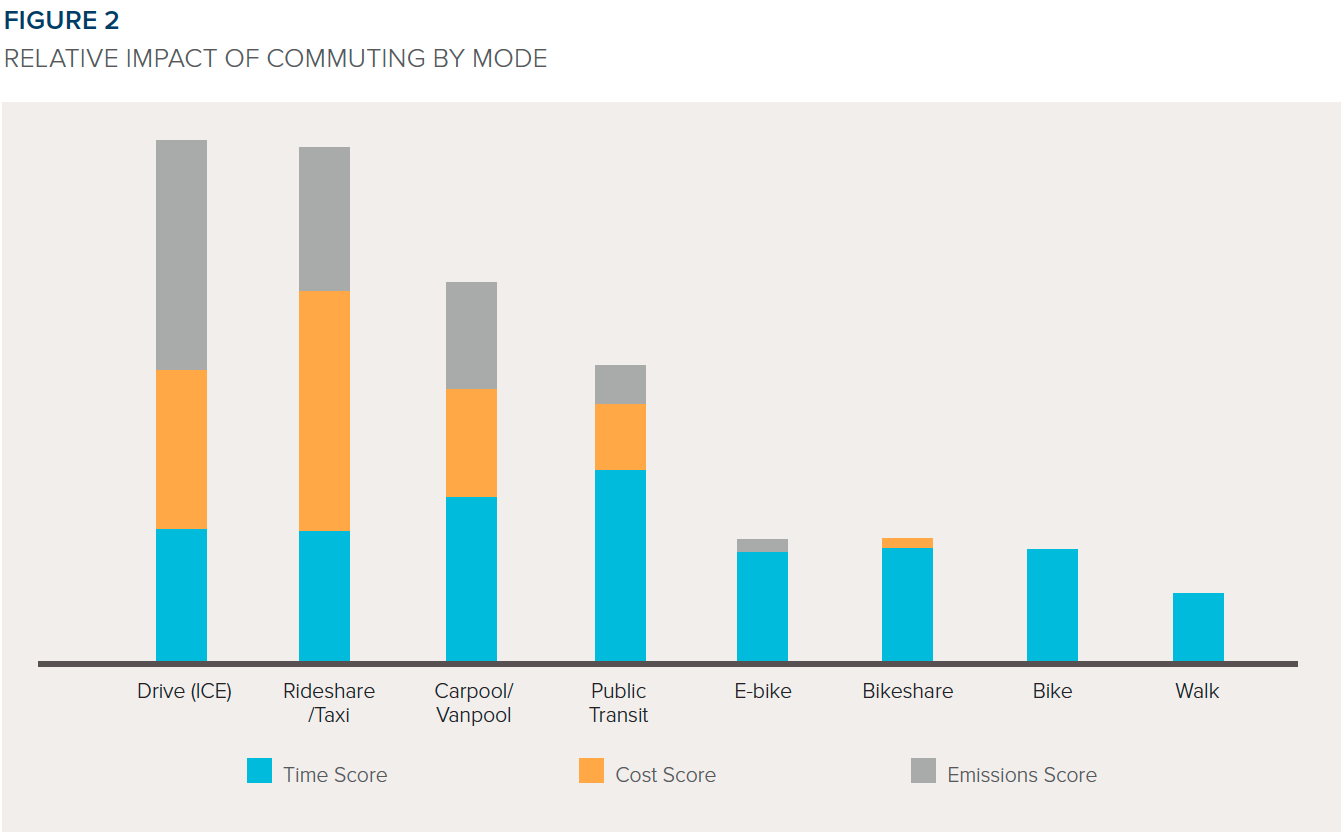
Behavioral economics is an underutilized tool amongst these decision makers to understand how best to nudge individuals toward desired behaviors while maintaining individuals’ freedom of choice in evaluating their full spectrum of commuting choices.
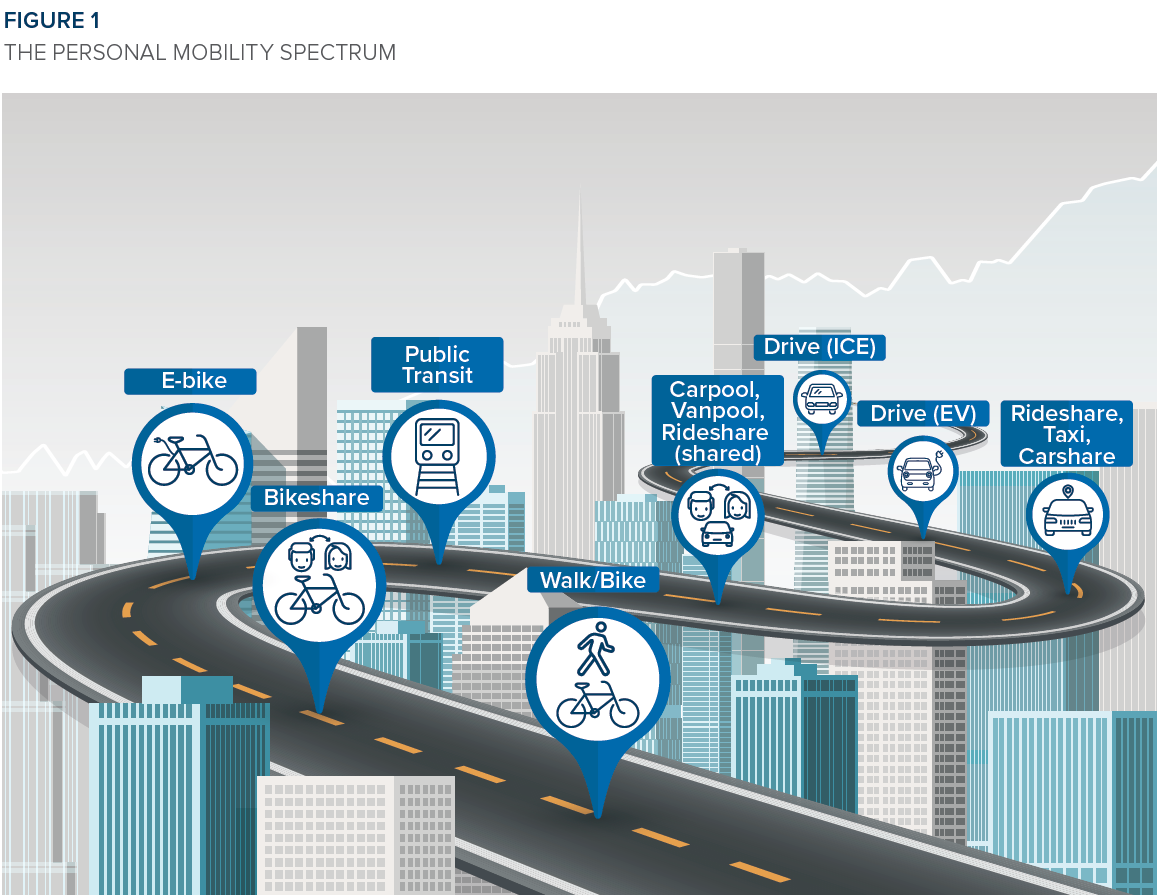
Commuter scores—like that offered by Commutifi—leverages mobility-focused behavioral economics insights from RMI in order to encourage improved commuting and can be a powerful tool to provide commuting managers, such as those from companies, cities, and campuses, with individualized and entity-wide time, cost, and carbon scores that quantify commuting problems and inform possible solutions—while also quantifying the impacts of implemented programs.
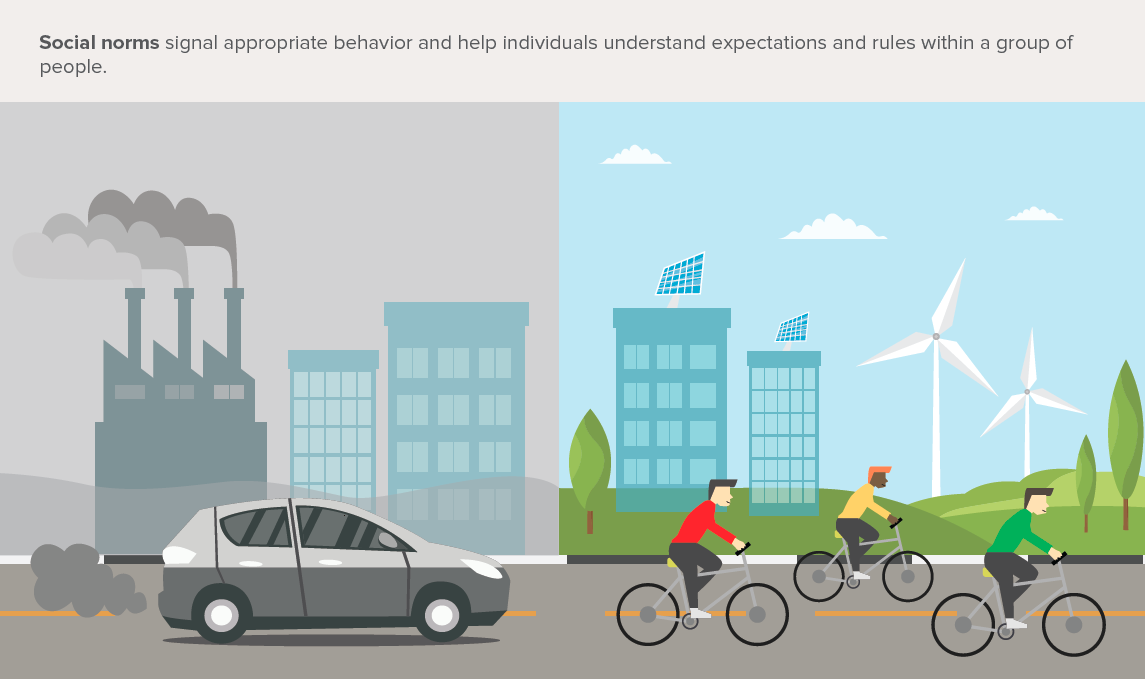
In Mapping Incentives to Change, RMI offers a seven step process for developing an effective commuting program, leveraging commuter scores to quantify and address problems and evaluate solutions, and real-world examples of how behavioral economics and commuter scores can be applied effectively.
Authors

Tim Karfs
Dave Levy
Allison Crow
Lynn Daniels
Related Insights
Gas Utility Depreciation: Recommendations for an Uncertain Future

Building Charging Networks That Meet Drivers’ Needs Without Breaking the Bank


Help build the clean energy future. Donate today.
Independent research. Real-world solutions. Supported by donors.
RMI can pursue the highest-impact climate and energy solutions because we’re supported by people who believe change is possible. Every gift helps advance the work needed to make clean energy the default choice worldwide.
For other ways to give to RMI, including checks or gifts of stock, please visit Other Ways to Give.