
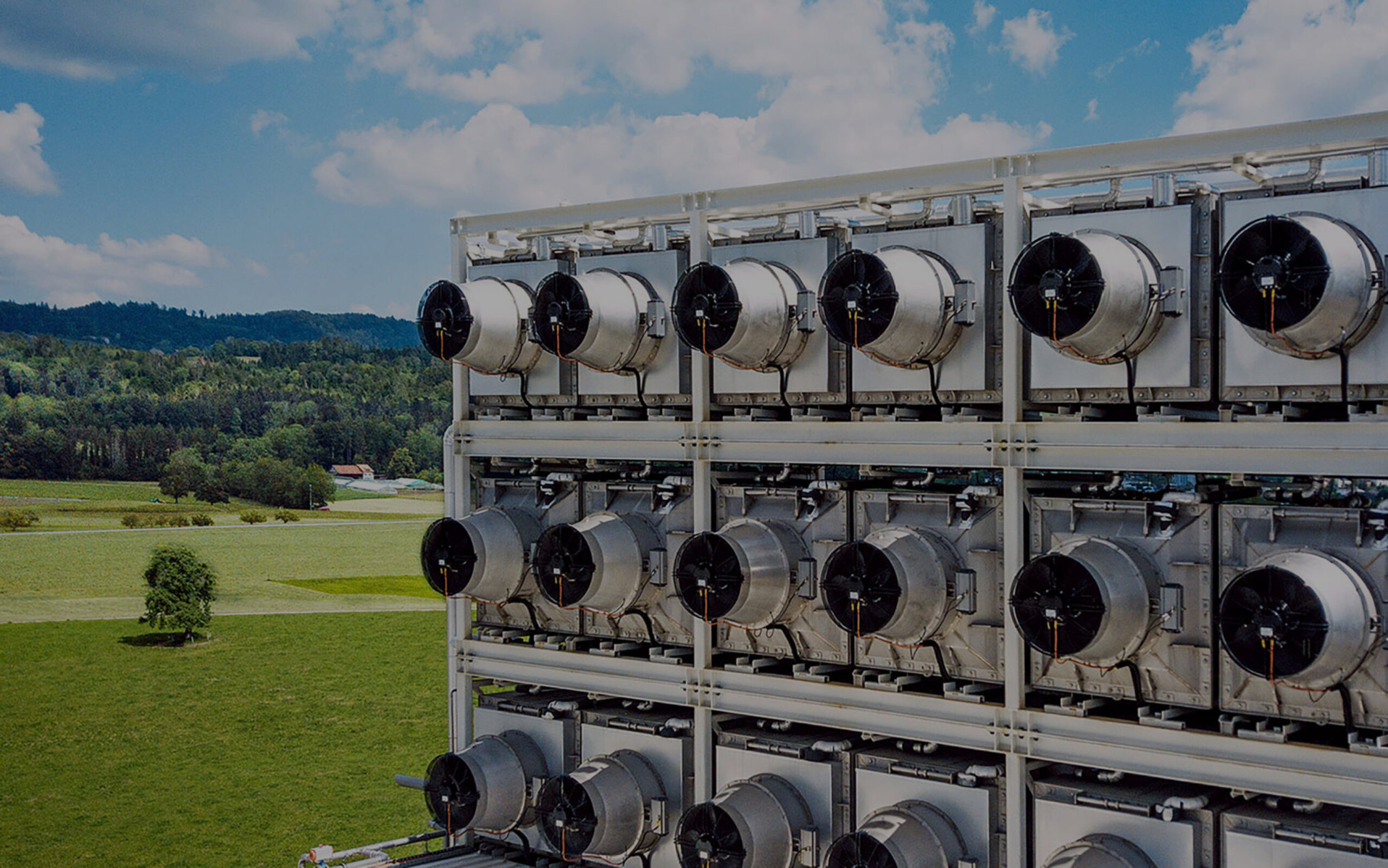



Learn how we are working to transform how we use and produce energy.
Carbon Dioxide Removal
How RMI is supporting an essential new field
Efforts to reduce emissions — by shifting to clean energy and industries — remain RMI’s top priority to avoid the worst consequences of climate change. Yet, based on the best availablescience, emission reductions alone likely won’t be enough to guarantee a secure planet for future generations.
To avoid catastrophic climate change, the UN Intergovernmental Panel on Climate Change (IPCC) has concluded that, in addition to slashing emissions, we must remove up to 13 gigatons of carbon dioxide from our atmosphere annually by 2050.
A recent IPCC report makes the need for carbon dioxide removal (CDR) even more explicit: “The deployment of CDR to counterbalance hard-to-abate residual emissions is unavoidable if net zero carbon dioxide or greenhouse gas emissions are to be achieved”.
Carbon dioxide removal (CDR) is likely to be needed to fulfill three roles that cannot be accomplished by emissions reductions alone:
- Reducing net emissions during the clean energy transition to avoid overshoot of temperature targets before 2050.
- Counteracting continued emissions after the energy transition from activities that are very expensive or technically infeasible to reduce emissions, like some forms of agriculture and aviation, to continue avoiding temperature overshoot after 2050.
- Removing historical emissions after achieving net zero, to address any temperature overshoot that has occurred.
RMI’s approach to scaling CDR to meet this vital need is to catalyze open science, rapid innovation, new markets, and well-considered national- and state-level policies that address the concerns of the scientific community and the communities who have a stake in how CDR is deployed.
On the supply side, RMI supports work that helps implement scientific innovation, helps startup and early-stage ventures succeed, enriches community engagement, and advances commercial-scale demonstration projects.
On the demand side, RMI works to advance rigorous assessment frameworks, standards, and policy for the emerging CDR marketplace. We also work to identify best-fit solutions for specific geographies and industries.
The foundational pieces below lay out RMI’s approach to ensuring CDR’s responsible development.
Scroll further to see additional research, insights, and articles, and to meet our expert team.
RMI’s Applied Innovation Roadmap for Carbon Dioxide Removal (AIR)
Our Work
The Applied Innovation Roadmap for CDR
RMI’s Applied Innovation Roadmap for Carbon Dioxide Removal (AIR) delivers a comprehensive, objective, and action-oriented perspective on what is needed to achieve technical readiness at scale of 32 carbon dioxide removal (CDR) approaches. The roadmap is designed with a wide range of readers in mind, including policymakers, public and private sector funders, technology developers, and research organizations. It includes in-depth assessments of opportunities for innovation, barriers to implementation, and pathways for integrating CDR into a low-carbon future.
State CDR Atlas
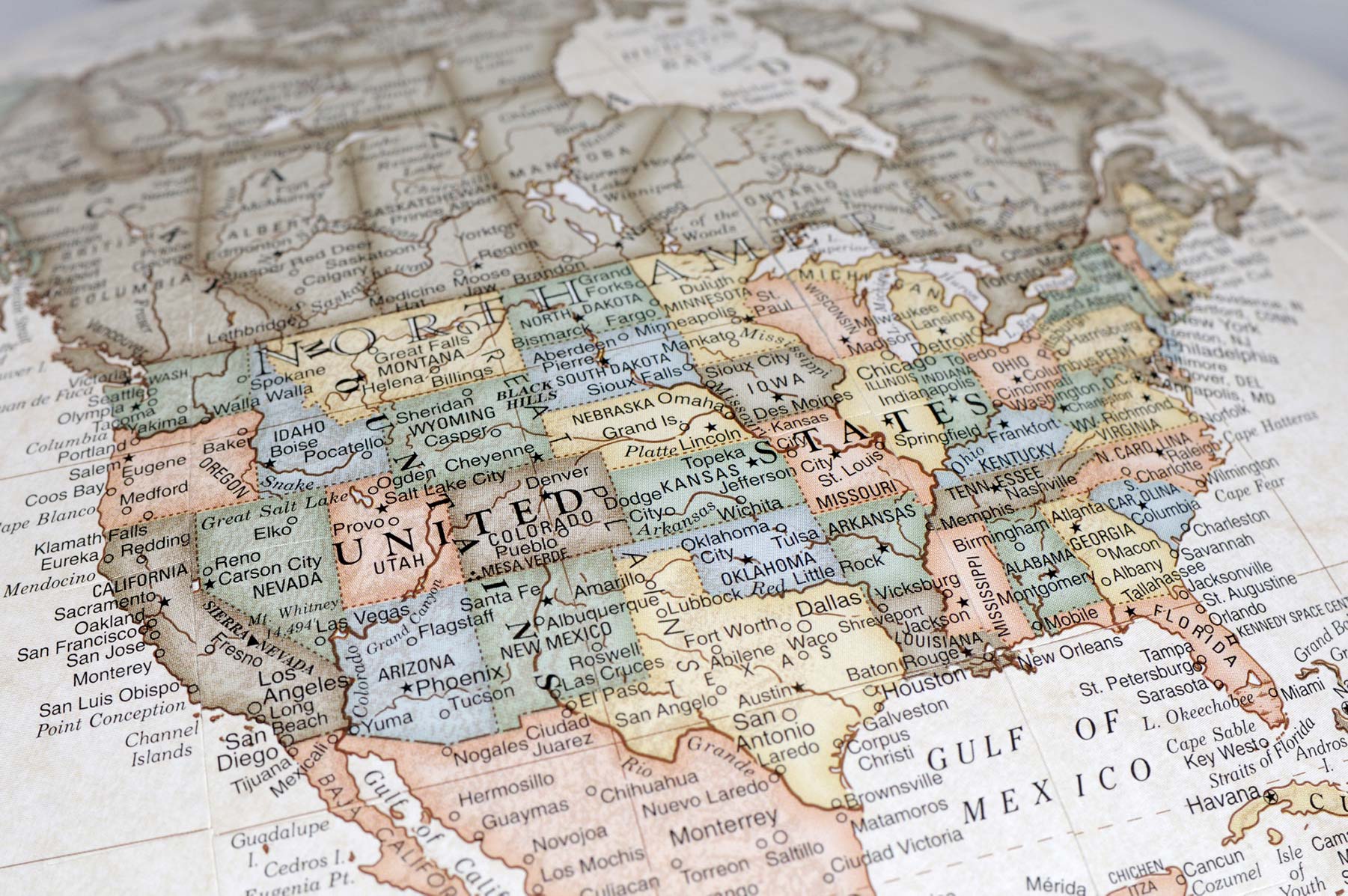
RMI’s State CDR Atlas offers state policymakers tailored insights to support the adoption of Carbon Dioxide Removal (CDR) solutions. This interactive atlas analyzes each U.S. state’s unique characteristics, highlighting opportunities for CDR approaches that align with resources, infrastructure, workforce, and more. Our analysis on enabling state-level CDR policies highlights gaps in existing policy landscapes and provides strategies for driving impactful CDR initiatives, helping stakeholders create a regulatory environment that enables new projects and addresses policy gaps.
Country Readiness Project
RMI is collaborating with Carbon Gap, Europe’s leading carbon dioxide removal (CDR) advocacy and research NGO, to produce national Carbon Removal Readiness Assessments. These reports assess the real-word potential to deploy CDR through a bottom-up approach, taking into account technical limitations based on the availability of the resources needed to carry out carbon removal activities, and local limitations associated with the social and regulatory context of the country. The first report highlights opportunities for France.
Scaling Technological Greenhouse Gas Removal
Scaling Technological Greenhouse Gas Removal: A Global Roadmap to 2050, developed by RMI in collaboration with the Bezos Earth Fund, charts a course to rapidly scale technological greenhouse gas removal (GHGR) over the next several decades. Our analysis of the massive scale required for CDR in climate goals highlights the complexity of this challenge. However, this roadmap aligns actions and investments across sectors and stakeholders, including government actors at all levels, funders, GHGR communities, industry, researchers, journalists and media, and nonprofits and civil society organizations.
Latest RMI Insights
Harnessing Carbon Removal Opportunities in Desalination
Seizing the Industrial Carbon Removal Opportunity
Carbon Dioxide Removal: The Startup View
Reality Check: Demystifying the Need for Carbon Dioxide Removal
Reality Check: This Decade Is Make-or-Break for Direct Air Capture
Direct Air Capture and the Climate Long Game
Direct Air Capture and the Energy Transition
Expertise
RMI has experts with perspectives across CDR solutions, including direct air carbon capture and storage (DACCS), geochemical CDR, and biomass, in addition to the larger CDR ecosystem. For media and speaking opportunities, please contact media@rmi.org.
Help build the clean energy future. Donate today.
Independent research. Real-world solutions. Supported by donors.
RMI can pursue the highest-impact climate and energy solutions because we’re supported by people who believe change is possible. Every gift helps advance the work needed to make clean energy the default choice worldwide.
For other ways to give to RMI, including checks or gifts of stock, please visit Other Ways to Give.