

Learn how we are working to transform how we use and produce energy.
Tri-State Chooses the Low-Carbon Path
How a Rural Cooperative Utility Arrived at an Actionable Plan to Transition to Clean Energy
Why we share this work for free
RMI is an independent nonprofit working to accelerate the clean energy transition. We publish research like this to inform decision-makers and drive real-world impact.
Our work is supported by philanthropy as well as partnerships, including fee-for-service engagements. This support makes it possible for us to share our independent insights for free.
If you find this work valuable, you can support it anytime.
Get more insights like this
Stay up to date with the latest research, analysis, and tools from RMI by opting in to receive occasional emails below. You’ll get new reports, event invitations, and practical insights to help us all accelerate the clean energy transition.
Loading form...
Your download should start automatically. If it doesn’t, click the download button below.
This work is made possible by philanthropy
RMI is a nonprofit supported by donors and partners. Philanthropy enables us to produce independent research and make resources like this freely available.
If you find this report valuable, please consider supporting our work. You can also explore how we partner with organizations to drive impact.
Jump to Section
Download RMI’s case study of the Tri-State Responsible Energy Plan
The transition to clean energy has a new champion: rural electric co-ops. At the close of the last decade, a growing number of distribution co-ops––as well as a few larger generation and transmission (G&T) co-ops––had set clean energy targets and carbon reduction goals. This proved the US utility industry’s impressive progress on clean energy wasn’t just coming from large, investor-owned utilities.
Then, in January 2020, co-ops took center stage. Colorado-based Tri-State Generation & Transmission Association (Tri-State) unveiled its Responsible Energy Plan (REP); Indiana’s Hoosier Energy released a new long-range resource plan that completes the G&T’s transition from 100 percent-coal powered in 2000 to coal free by 2023; and Wisconsin-based Dairyland Power Cooperative announced plans to retire its Genoa Station coal plant in 2021.
Amid this wave of clean energy progress from cooperative utilities, Tri-State’s REP stands out. As we explore in a new RMI case study of the REP’s development, released today, the plan emerged as a result of several trends, including:
- Economics: Tri-State’s 2019 solicitation for new renewable energy projects returned very attractive prices, creating an economic rationale to plan for the retirement of all of Tri-State’s coal plants in New Mexico and Colorado. An RMI analysis in 2018 estimated that Tri-State members could save $600 million through 2030 by accelerating coal retirement and investing in renewables.
- Member pressure: The G&T, which serves a diverse four-state territory and over a million customers, has faced steadily mounting member pressure to reduce reliance on its fleet of coal plants and take advantage of the falling costs of renewables.
- Policy: In 2019, Colorado and New Mexico each passed ambitious clean energy legislation, setting carbon reduction and coal-free targets for the coming decades that essentially preclude the continued operation of Tri-State’s coal plants in those states.
Heeding these harbingers of change, Tri-State dedicated over a year to the development of a thoughtfully crafted, detailed, and forward-thinking plan that will phase out nearly 1,000 megawatts of coal by 2030 and add just over 1,000 megawatts of contracted renewables by 2024. The coal retirements and associated carbon reductions in the REP will ensure Tri-State’s compliance with state energy policies, as well as lower the costs of power supply for the co-op’s members.
Based on RMI’s 2018 analysis, the announced retirement of the Escalante and Craig power plants will save Tri-State members over $55 million per year. Importantly, the savings are likely even higher today than we estimated in 2018 due to ongoing price declines for renewable projects in the Western United States. The renewable energy projects slated to replace the energy currently provided by the retiring coal plants feature the largest solar capacity additions to date in Tri-State territory and will bring new economic development opportunities to the region at a time when such opportunities are sorely needed.
While the internal process and implementation pathway of Tri-State’s Responsible Energy Plan is unique, other G&T co-ops would be well served to similarly position themselves for the change that continues to sweep through the energy landscape. Renewable and distributed energy resources offer the promise of lower rates, localized power systems, and rural economic development, while retiring legacy assets will impact coal communities in profound ways that require deep and committed engagement from utility and local stakeholders. Tri-State is only the latest co-op utility to demonstrate that now is the time to be planning for––and innovating solutions to––these new realities.


Related Insights
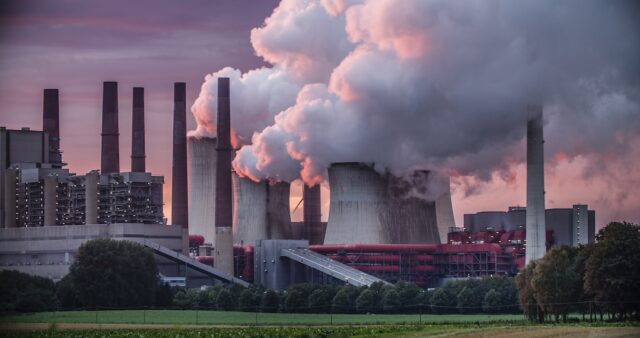
Reality Check: For Power Plants, Changing the Fuel Doesn’t Fix the Economics

The Opportunity for Heat Pumps to Put Downward Pressure on Electricity Rates
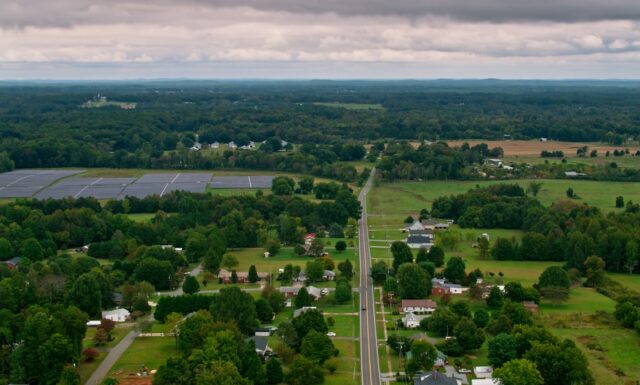
For Clean Energy Projects, How Community Benefits Are Delivered Matters
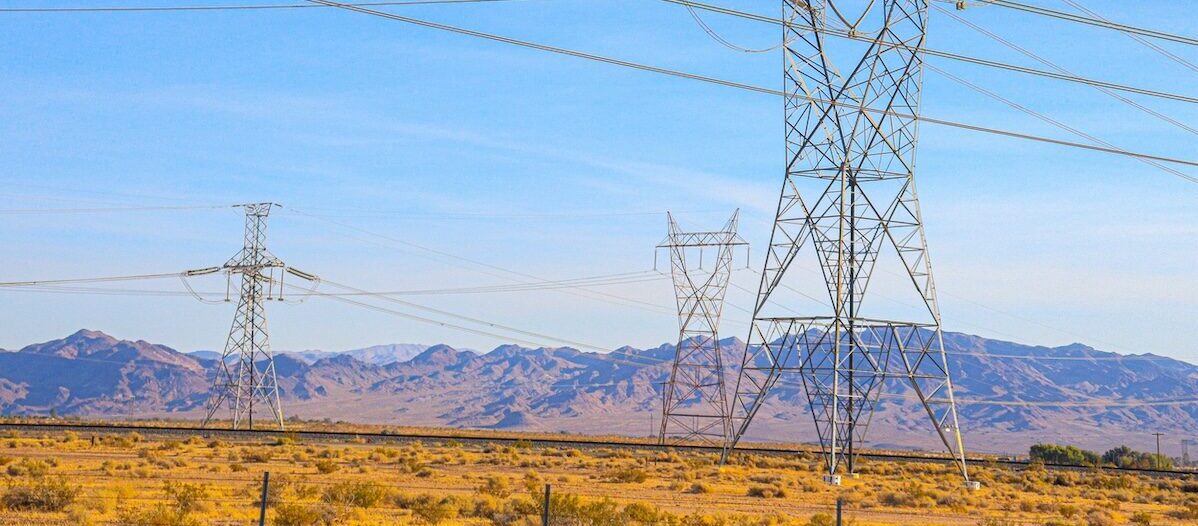
Tracking WestTEC: Where 100+ Transmission Projects Stand and What Comes Next
Help build the clean energy future. Donate today.
Independent research. Real-world solutions. Supported by donors.
RMI can pursue the highest-impact climate and energy solutions because we’re supported by people who believe change is possible. Every gift helps advance the work needed to make clean energy the default choice worldwide.
For other ways to give to RMI, including checks or gifts of stock, please visit Other Ways to Give.
