

Learn how we are working to transform how we use and produce energy.
Why we share this work for free
RMI is an independent nonprofit working to accelerate the clean energy transition. We publish research like this to inform decision-makers and drive real-world impact.
Our work is supported by philanthropy as well as partnerships, including fee-for-service engagements. This support makes it possible for us to share our independent insights for free.
If you find this work valuable, you can support it anytime.
Get more insights like this
Stay up to date with the latest research, analysis, and tools from RMI by opting in to receive occasional emails below. You’ll get new reports, event invitations, and practical insights to help us all accelerate the clean energy transition.
Loading form...
Your download should start automatically. If it doesn’t, click the download button below.
This work is made possible by philanthropy
RMI is a nonprofit supported by donors and partners. Philanthropy enables us to produce independent research and make resources like this freely available.
If you find this report valuable, please consider supporting our work. You can also explore how we partner with organizations to drive impact.
Jump to Section
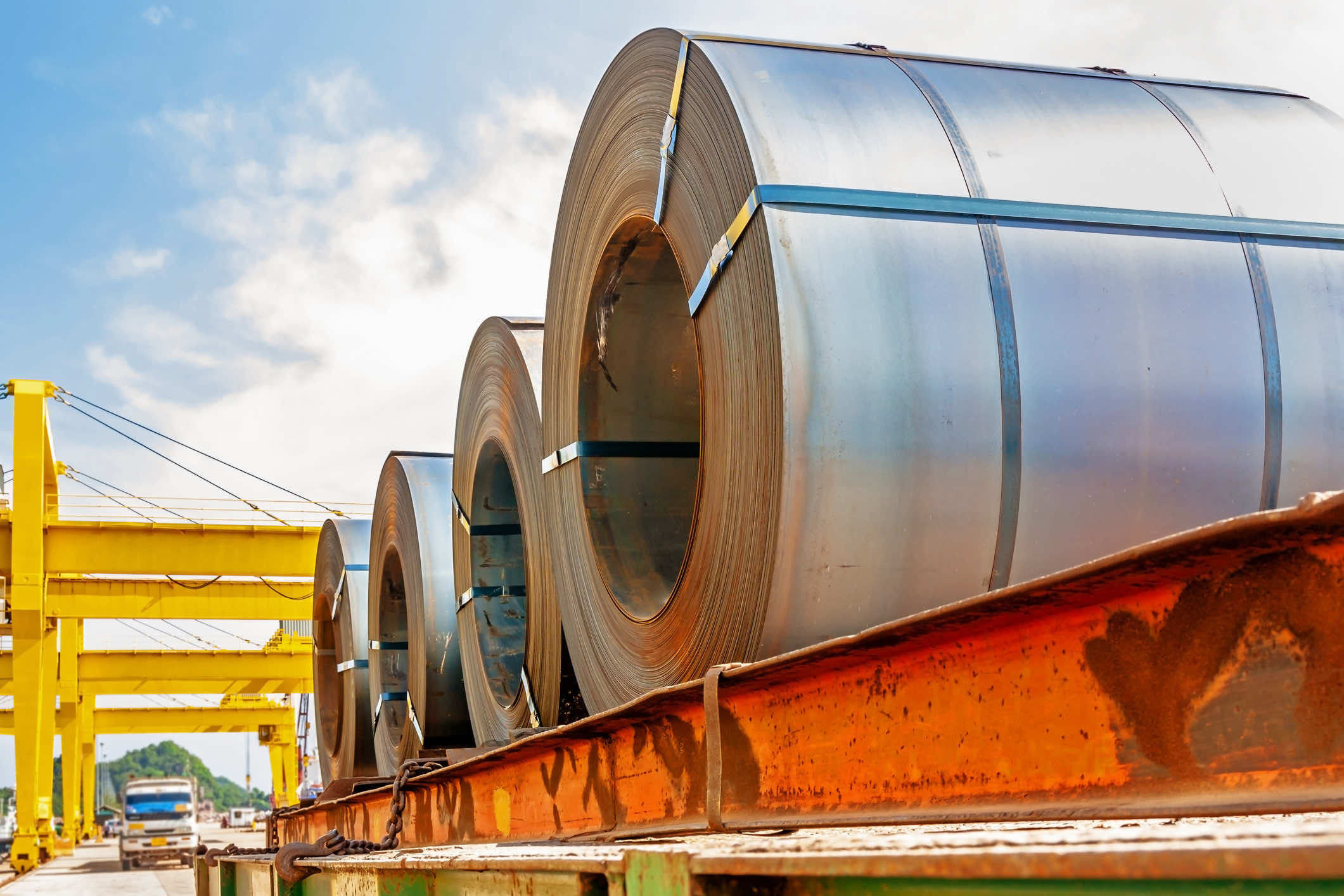
For the past two decades, the steel industry has been characterized by a “super cycle” of growth. This growth, although slowing in pace, has led in part to the sector’s emissions being higher than those from any other material industry. To bring the steel industry into alignment with a 1.5°C climate outcome, steel demand will need to peak between 2035 and 2040, according to the energy transition pathways we analyzed in this brief.
However, current industry growth outlooks point to continuing demand increases. Absent near-term actions to decarbonize the currently emissions-intensive steel industry, end-users could be forced to drastically reduce steel consumption to meet climate targets.
To resolve the disconnect between industry growth outlooks and a climate-aligned pathway, the industry either needs to accelerate the pace of decarbonization to reduce the need for demand-side interventions, or else risk attempting to raise capital to facilitate the transition in an environment of falling demand. We found that delaying action on emissions reductions until 2030 would require demand to decline by 50 percent to 2050 to maintain climate alignment. This scenario presents a significant risk to the entire steel supply chain but particularly to primary (ore-based) steel production.
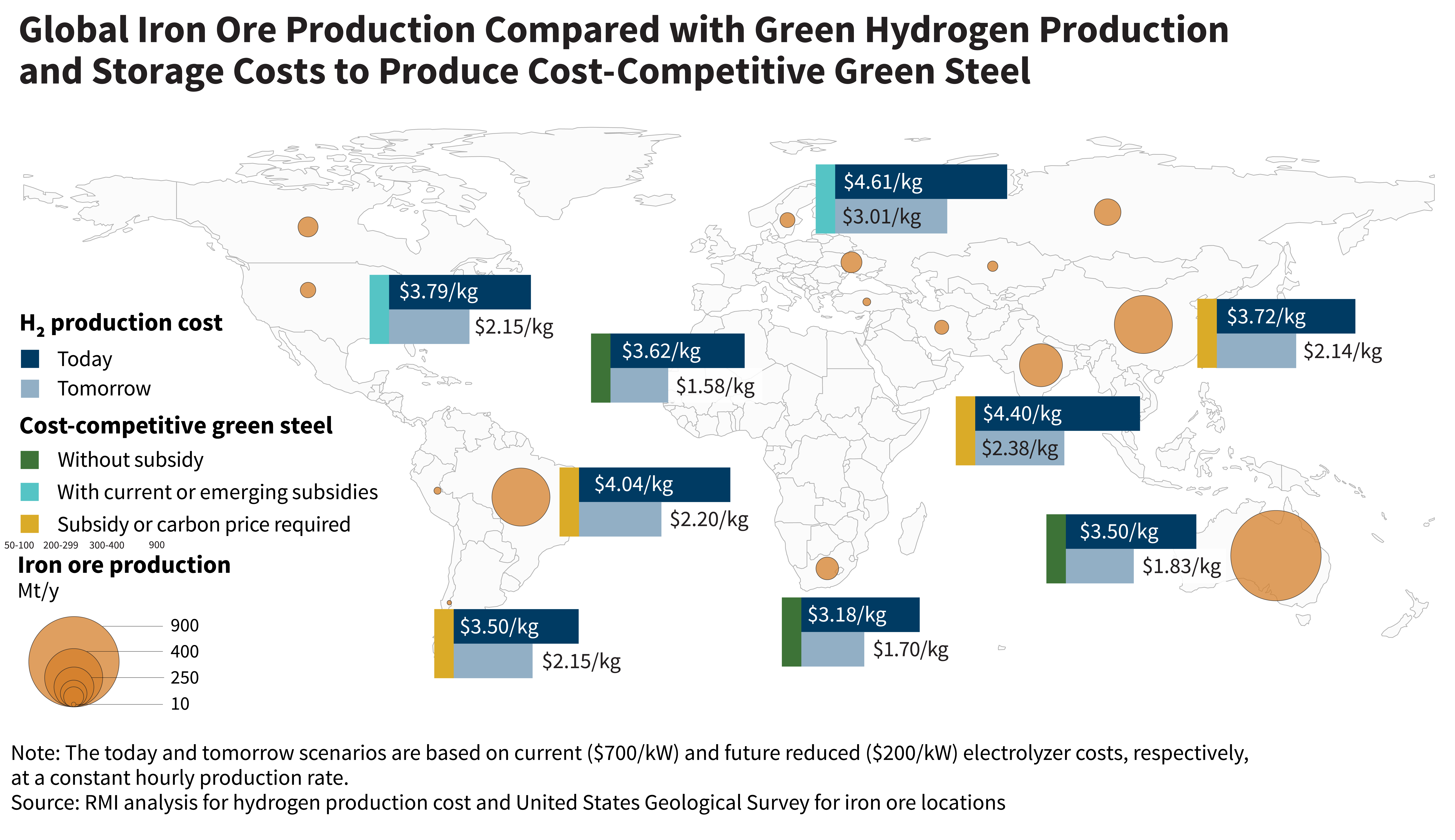
Steelmakers can avoid this outcome by investing in zero-carbon primary steel production, such as green hydrogen-based technologies. Industry first movers will be rewarded with significant market opportunity, especially in renewables-rich, iron ore-producing countries like Australia, Brazil, and South Africa.
The message from the latest IPCC report is clear: it will be impossible to stay aligned with our climate objectives without stronger and immediate action. This insight brief explores the consequences of a climate-aligned demand outlook for steel and outlines the opportunities for steelmakers to avoid the worst implications of stagnating demand by taking advantage of favorable locations for green steel production to accelerate emissions reductions.


Related Insights
The Opportunity for Heat Pumps to Put Downward Pressure on Electricity Rates
Gas Utility Depreciation: Recommendations for an Uncertain Future
Help build the clean energy future. Donate today.
Independent research. Real-world solutions. Supported by donors.
RMI can pursue the highest-impact climate and energy solutions because we’re supported by people who believe change is possible. Every gift helps advance the work needed to make clean energy the default choice worldwide.
For other ways to give to RMI, including checks or gifts of stock, please visit Other Ways to Give.
