

Learn how we are working to transform how we use and produce energy.
Solar Under Storm III
Updated best practices for resilient ground-mount PV systems with hurricane exposure
Why we share this work for free
RMI is an independent nonprofit working to accelerate the clean energy transition. We publish research like this to inform decision-makers and drive real-world impact.
Our work is supported by philanthropy as well as partnerships, including fee-for-service engagements. This support makes it possible for us to share our independent insights for free.
If you find this work valuable, you can support it anytime.
Get more insights like this
Stay up to date with the latest research, analysis, and tools from RMI by opting in to receive occasional emails below. You’ll get new reports, event invitations, and practical insights to help us all accelerate the clean energy transition.
Loading form...
Your download should start automatically. If it doesn’t, click the download button below.
This work is made possible by philanthropy
RMI is a nonprofit supported by donors and partners. Philanthropy enables us to produce independent research and make resources like this freely available.
If you find this report valuable, please consider supporting our work. You can also explore how we partner with organizations to drive impact.
Jump to Section
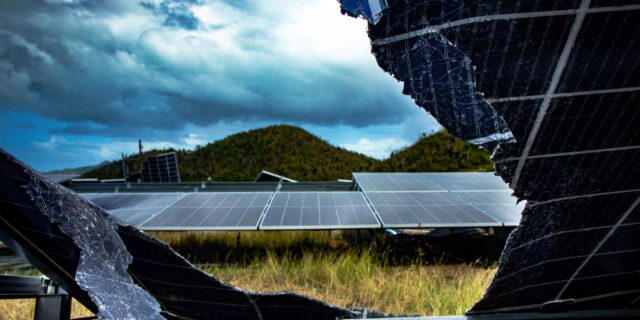
Building on the findings of Solar Under Storm (2018) and Solar Under Storm II (2020), Solar Under Storm III provides essential updates to best practices for designing and installing solar PV systems in hurricane-prone regions. The first two reports identified key design and construction choices that enabled some solar systems to survive Category 5 hurricanes like Irma and Maria, while others failed. This latest edition incorporates lessons from Hurricane Beryl — the earliest Category 5 hurricane ever recorded in the Atlantic — which devastated parts of the Grenadines in the Eastern Caribbean in July 2024.
Following in-depth field investigations of three ground-mounted systems directly hit by Beryl, Solar Under Storm III highlights the stark contrast between resilient and vulnerable ground-mount installations. The report updates technical recommendations based on real-world damage assessments, emphasizing proven practices such as dual-post piers, through-bolting, lateral racking support, and vibration-resistant connections. It also identifies common failure points, including inadequate load design, low-cycle fatigue of module frames, and the use of top-down clamps and self-tapping screws.
In addition to engineering specifications, the report stresses the importance of industry collaboration to strengthen resilience standards. It encourages shared testing protocols, material certification, and ongoing information exchange — supported by the PV Resiliency Working Group on the online Caribbean Renewable Energy Community (CAREC). As solar PV becomes central to energy generation in coastal and island regions, Solar Under Storm III offers timely, actionable guidance to ensure these systems endure when they’re needed most.
Authors

Christopher Burgess
Projects Director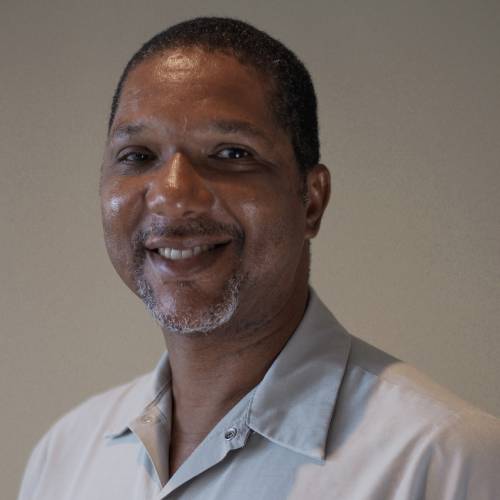
Fidel Neverson
Project Manager
Chris Needham (Azimuth Advisory Services)
Frank Oudheusden (Azimuth Advisory Services) Contributors: Michael Vance (Asante Energy)
Colleen O’Brien (Underwriters Laboratories (UL))
Andrew Richards (Lightwork Power Caribbean)
Related Insights
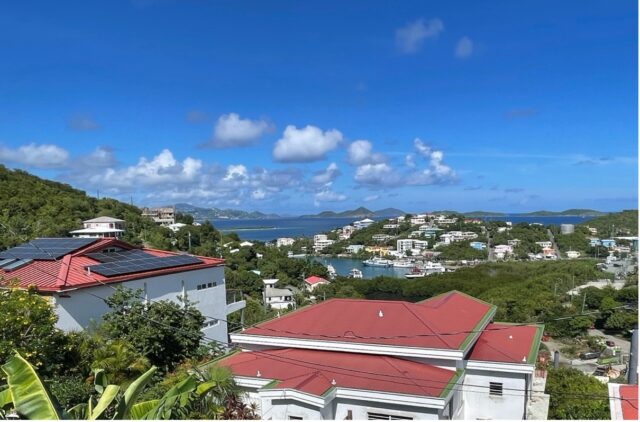
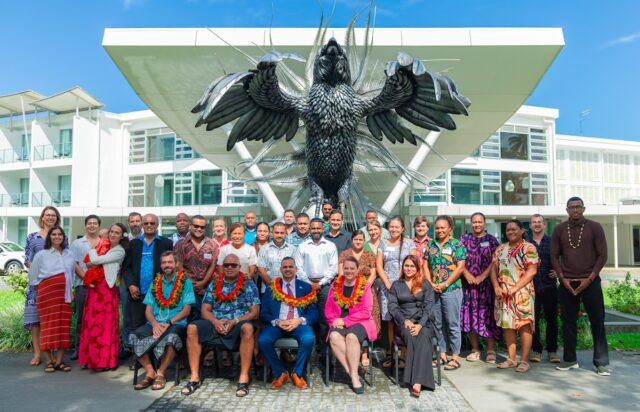
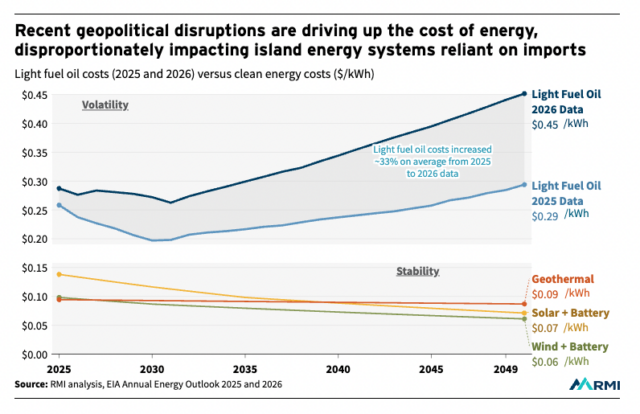
As Islands Grapple with Spiking Fuel Costs, Renewables Offer a More Secure and Affordable Option
Help build the clean energy future. Donate today.
Independent research. Real-world solutions. Supported by donors.
RMI can pursue the highest-impact climate and energy solutions because we’re supported by people who believe change is possible. Every gift helps advance the work needed to make clean energy the default choice worldwide.
For other ways to give to RMI, including checks or gifts of stock, please visit Other Ways to Give.
