

Learn how we are working to transform how we use and produce energy.
Progress and Potential for Community-Scale Solar
Why we share this work for free
RMI is an independent nonprofit working to accelerate the clean energy transition. We publish research like this to inform decision-makers and drive real-world impact.
Our work is supported by philanthropy as well as partnerships, including fee-for-service engagements. This support makes it possible for us to share our independent insights for free.
If you find this work valuable, you can support it anytime.
Get more insights like this
Stay up to date with the latest research, analysis, and tools from RMI by opting in to receive occasional emails below. You’ll get new reports, event invitations, and practical insights to help us all accelerate the clean energy transition.
Loading form...
Your download should start automatically. If it doesn’t, click the download button below.
This work is made possible by philanthropy
RMI is a nonprofit supported by donors and partners. Philanthropy enables us to produce independent research and make resources like this freely available.
If you find this report valuable, please consider supporting our work. You can also explore how we partner with organizations to drive impact.
Jump to Section
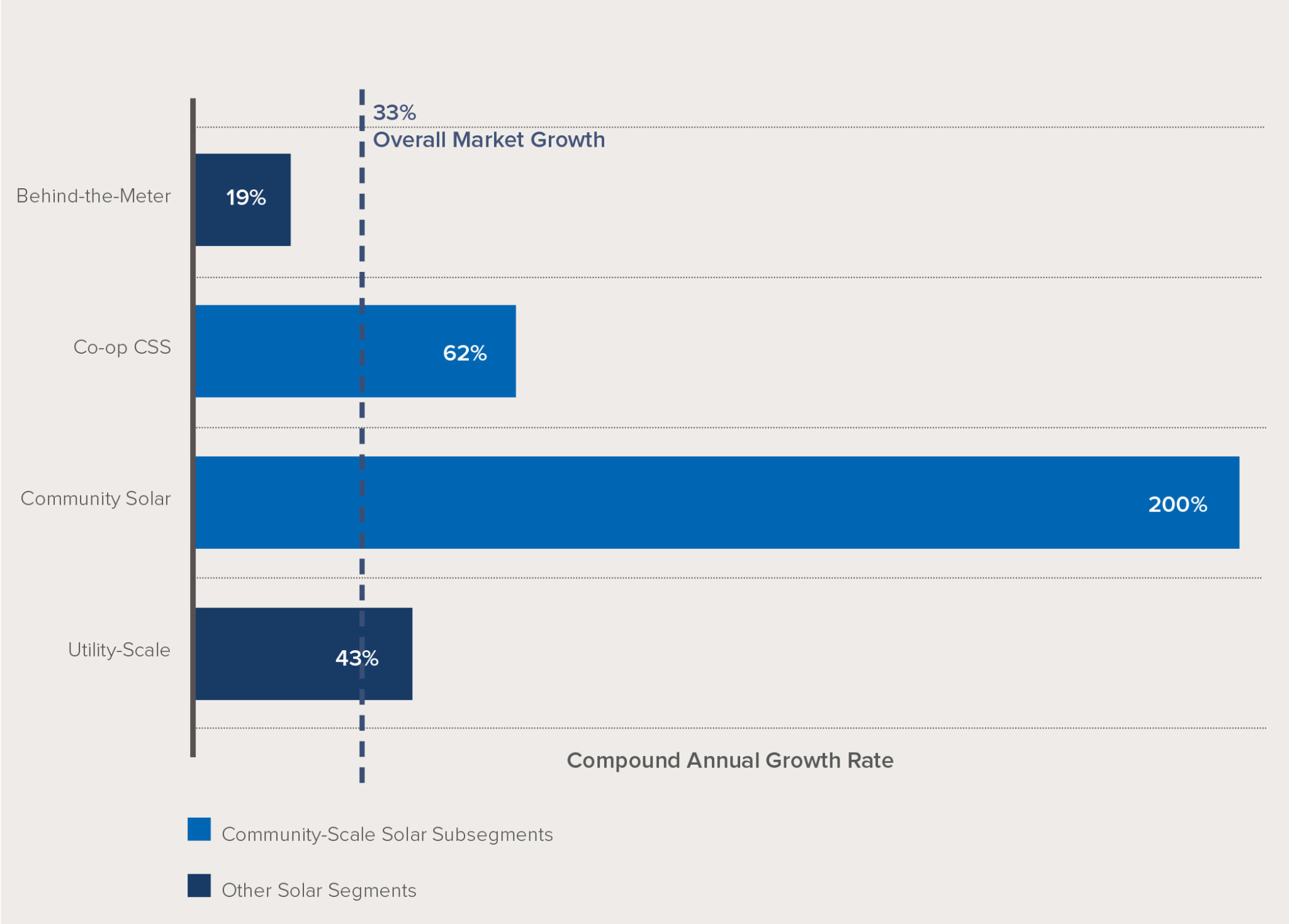
And while recent CSS market growth has exceeded both the so-called “behind-the-meter” solar like rooftop PV systems and utility-scale solar growth rates between 2015 and 2017, those barriers—encompassing cost, access, and demand—continue to drag on the CSS sector’s overall growth. The Progress and Potential for Community-Scale Solar report offers new approaches to help drive additional development and buyer adoption of this clean, reliable, locally sourced resource.
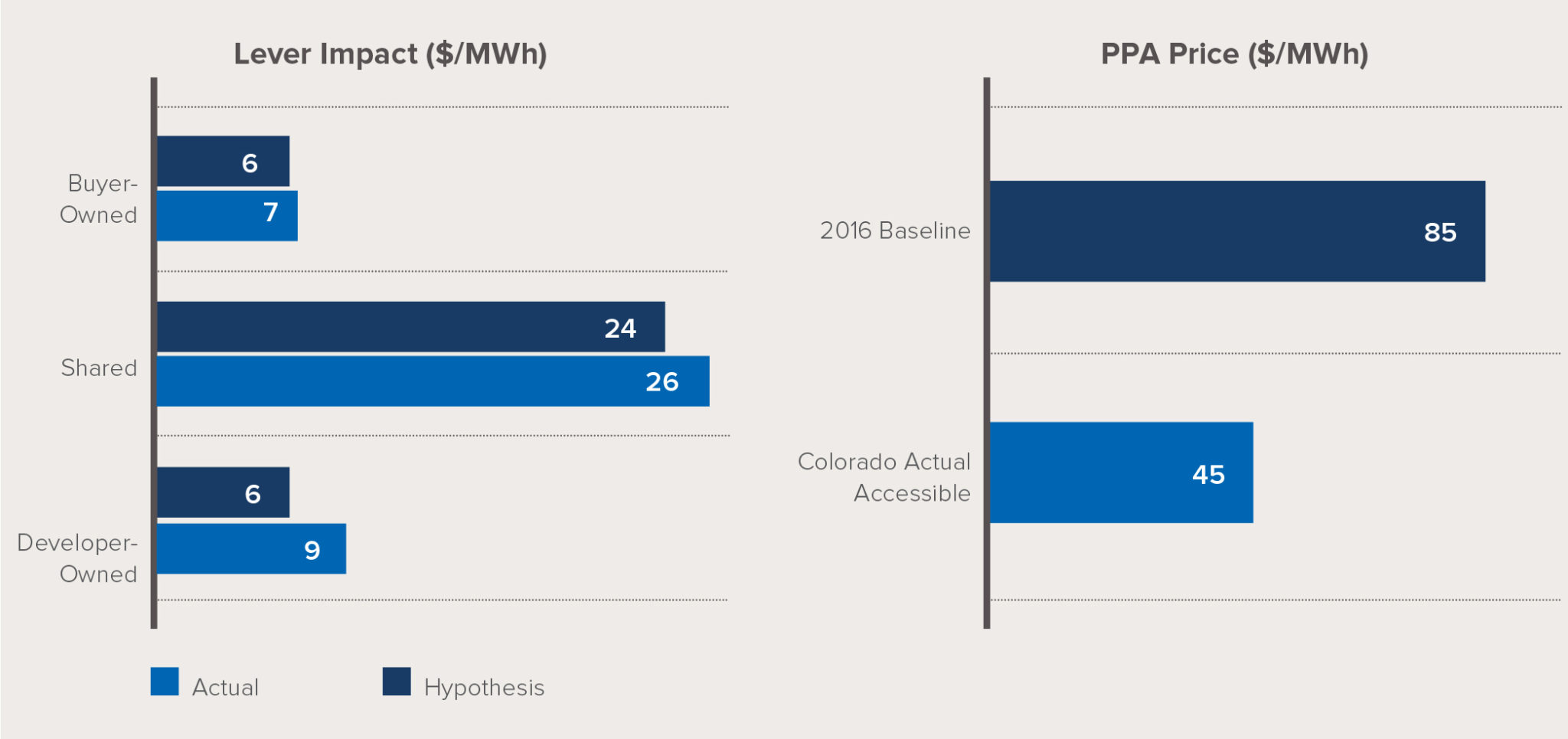
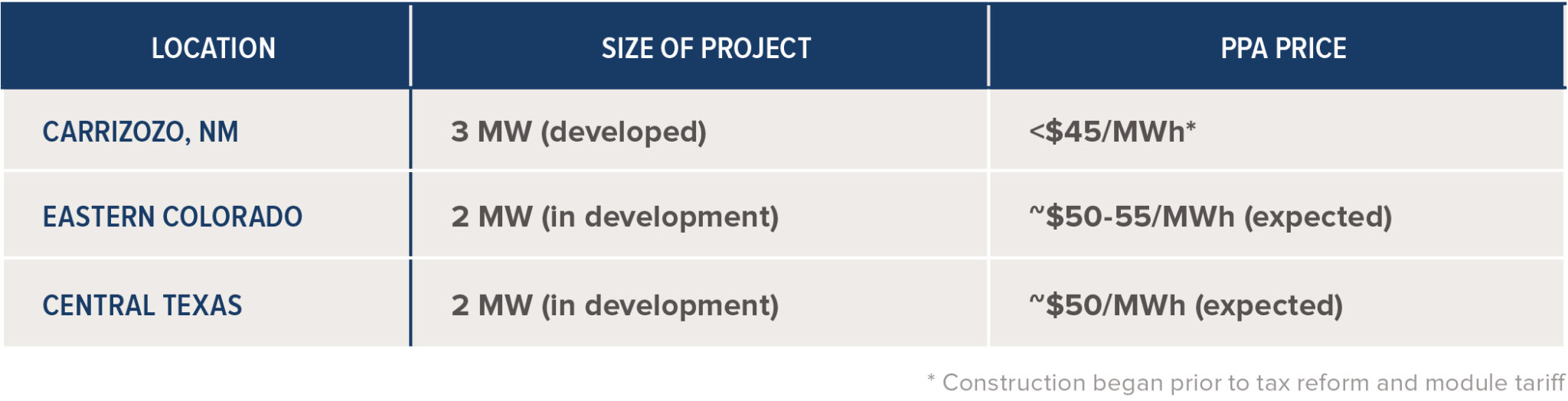
The report relays data and insights from RMI’s work supporting co-op solar procurement in Colorado, New Mexico, and Texas, and focuses particularly on the CSS opportunity for rural electric cooperatives. It follows RMI’s research highlighting levers to reduce CSS costs by 40 percent and enable a 30-gigawatt community-scale solar market—the equivalent of about 50 average-sized coal plants—by 2020.
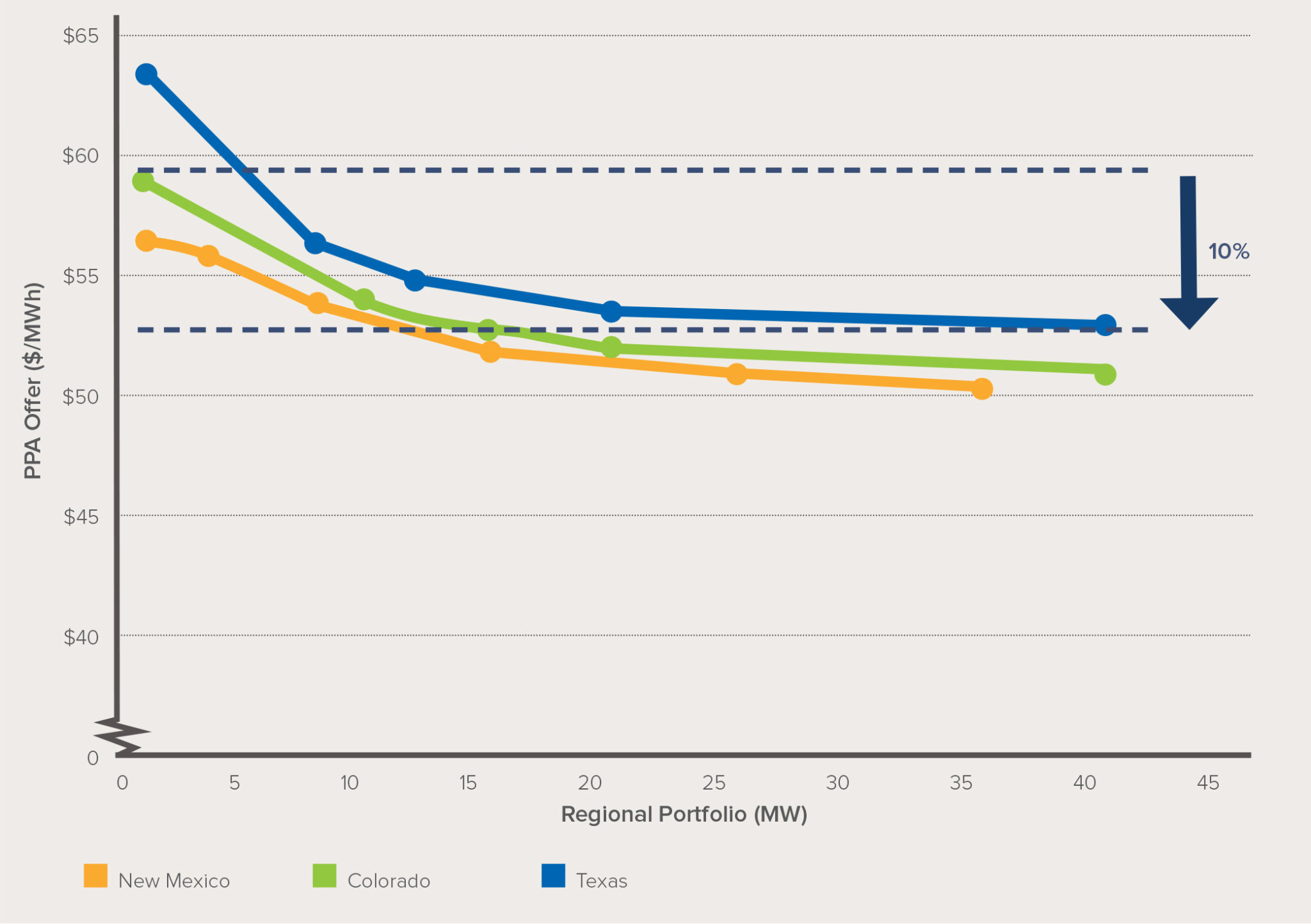
RMI believes the CSS segment sits in an economic sweet spot in the market and represents an economic opportunity of as much as $30 billion. Community-scale systems are large enough to access low costs through economies of scale and small enough to efficiently interconnect into distribution systems. Via these solar arrays—between 0.5 MW and 5 MW per installation, interconnected to distribution networks, and sited directly within the neighborhoods they serve—cooperatives can leverage local connections to facilitate the development process, further reducing costs.


Related Insights
For Clean Energy Projects, How Community Benefits Are Delivered Matters
Tracking WestTEC: Where 100+ Transmission Projects Stand and What Comes Next


Help build the clean energy future. Donate today.
Independent research. Real-world solutions. Supported by donors.
RMI can pursue the highest-impact climate and energy solutions because we’re supported by people who believe change is possible. Every gift helps advance the work needed to make clean energy the default choice worldwide.
For other ways to give to RMI, including checks or gifts of stock, please visit Other Ways to Give.
