

Learn how we are working to transform how we use and produce energy.
OCI+ Update: Tackling Methane in the Oil and Gas Sector
RMI’s OCI+ tool reveals that methane drives one-half of oil and gas industry GHG emissions
Why we share this work for free
RMI is an independent nonprofit working to accelerate the clean energy transition. We publish research like this to inform decision-makers and drive real-world impact.
Our work is supported by philanthropy as well as partnerships, including fee-for-service engagements. This support makes it possible for us to share our independent insights for free.
If you find this work valuable, you can support it anytime.
Get more insights like this
Stay up to date with the latest research, analysis, and tools from RMI by opting in to receive occasional emails below. You’ll get new reports, event invitations, and practical insights to help us all accelerate the clean energy transition.
Loading form...
Your download should start automatically. If it doesn’t, click the download button below.
This work is made possible by philanthropy
RMI is a nonprofit supported by donors and partners. Philanthropy enables us to produce independent research and make resources like this freely available.
If you find this report valuable, please consider supporting our work. You can also explore how we partner with organizations to drive impact.
Jump to Section
Even as scalable renewables showcase their promise, the global energy sector still remains 80 percent reliant on fossil fuels. Actions to cut oil and gas industry emissions must be taken swiftly to avoid future years of record-breaking emissions.
And while the average consumer may be likely to link greenhouse gas emissions to end-use combustion, there are opportunities to reduce emissions throughout fossil fuels’ production phases; the biggest being the reduction of methane.
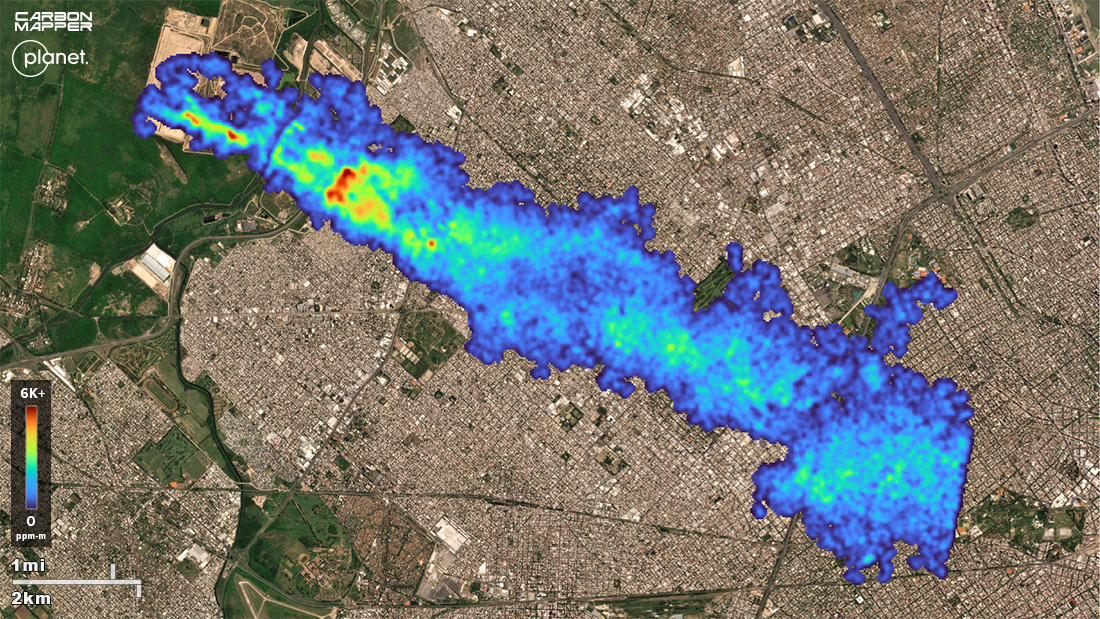
Methane is a potent greenhouse gas that heats the planet over 80 times more than carbon dioxide over a twenty-year timeframe. In 2022, atmospheric concentrations of methane reached a record high — the largest annual increase recorded since systematic measurements began in 1983. The oil and gas sector is responsible for an estimated one-third of global methane emissions, therefore representing our most significant near-term opportunity to reduce emissions and slow global temperature rise.
RMI’s cutting-edge interactive tool — the Oil Climate Index plus Gas (OCI+) — reveals the size, scope, and nature of the methane problem by quantifying and comparing greenhouse gas emissions from over two-thirds of the world’s oil and gas supplies.
The latest OCI+ data update, covering 2015 to 2022, reveals that methane drives one-half of oil and gas industry GHG emissions. This update, increasing the share of global oil and gas assets modeled from 50 to 70 percent, gives decision makers the climate intelligence needed to drive meaningful, sector-wide emissions reductions. It also gives users the ability to download the underlying data, increasing oil and gas sector emissions transparency.
“RMI is excited to bring new, open-source climate intelligence to decision makers that are working to reduce oil and gas methane emissions. Using the OCI+, we estimate methane intensities that range by over a factor of 15 from different global oil and gas assets. We have the technology right now to stop leaking the majority of this methane.” Deborah Gordon, RMI principal researcher and author of No Standard Oil
Actions to reduce methane emissions from oil and gas are more affordable and well-studied than ever. Reducing methane emissions now is not only possible and good for the planet — it’s also good for business.
With the Inflation Reductions Act’s methane fee taking effect in 2024, oil and gas operators who know their full supply chain emissions, and take action to reduce those emissions, will avoid future financial penalties while reaping the benefits of more efficient production.
As the energy sector makes necessary adjustments to stay in line with global climate targets, reducing methane emissions may just be the kick-start we’ve been waiting for.
RMI is working to apply OCI+ data in climate decision-making. We are eager to collaborate with private and public sector actors. If you are interested in exploring specific use cases, please contact Linda Jirouskova (ljirouskova@rmi.org) to set up a briefing with the OCI+ team. View our two-pager here.


Related Insights


Gas Utility Depreciation: Recommendations for an Uncertain Future
Help build the clean energy future. Donate today.
Independent research. Real-world solutions. Supported by donors.
RMI can pursue the highest-impact climate and energy solutions because we’re supported by people who believe change is possible. Every gift helps advance the work needed to make clean energy the default choice worldwide.
For other ways to give to RMI, including checks or gifts of stock, please visit Other Ways to Give.