

Learn how we are working to transform how we use and produce energy.
Non-Pipeline Alternatives
RMI-National Grid Research: Emerging Opportunities in Planning for U.S. Gas System Decarbonization
Why we share this work for free
RMI is an independent nonprofit working to accelerate the clean energy transition. We publish research like this to inform decision-makers and drive real-world impact.
Our work is supported by philanthropy as well as partnerships, including fee-for-service engagements. This support makes it possible for us to share our independent insights for free.
If you find this work valuable, you can support it anytime.
Get more insights like this
Stay up to date with the latest research, analysis, and tools from RMI by opting in to receive occasional emails below. You’ll get new reports, event invitations, and practical insights to help us all accelerate the clean energy transition.
Loading form...
Your download should start automatically. If it doesn’t, click the download button below.
This work is made possible by philanthropy
RMI is a nonprofit supported by donors and partners. Philanthropy enables us to produce independent research and make resources like this freely available.
If you find this report valuable, please consider supporting our work. You can also explore how we partner with organizations to drive impact.
Jump to Section
As the United States strives to meet ambitious climate targets and transition to cleaner energy sources, the changing role of natural gas utilities is paramount. With over 77 million customers receiving energy from gas utilities, a shift away from fossil fuels is challenging but essential. RMI and National Grid have partnered to research the role of non-pipeline alternatives (NPAs) and integrated energy planning in shaping this transition. This joint report shows how NPAs are an integral piece of modern energy planning and hold great promise, and overcoming key challenges to adoption will be critical to scaling up successfully.
Understanding NPAs and Integrated Energy Planning
NPAs aim to reduce greenhouse gas emissions by offering alternatives to traditional natural gas systems. These can include electrification of equipment or connection to lower-carbon infrastructure like thermal energy networks. Integrated energy planning (IEP) takes a holistic approach, considering interactions between gas, electric, and customer energy systems. This helps in assessing transition strategies, ensuring reliability, and achieving net-zero goals cost-effectively.
Key Insights and Case Studies
National Grid and RMI’s research focused on nine case studies from the United States and Europe that shed light on NPAs and IEP implementation. In the United States, utilities like PG&E, Con Edison, and National Grid are exploring NPAs, though challenges exist, such as regulatory hurdles and customer participation. In Europe, cities like Zurich are leading the way with clean heat planning and district heating initiatives. Insights from these studies emphasize the need for tailored solutions, regulatory support, and technological advancements to scale up NPAs effectively.
As the United States navigates toward a clean energy future, NPAs and IEP offer promising pathways. However, overcoming challenges like regulatory barriers and customer engagement is crucial. By fostering collaboration among utilities, regulators, and policymakers, and investing in innovative solutions, the nation can move closer to achieving net-zero emissions while ensuring affordability and reliability for all consumers.
Authors

Sherri Billimoria
Manager
Mike Henchen
Principal
Abigail Lalakea Alter
Karsten Barde
Courtney Eichhorst
Justin Klingler
Related Insights

Building Smarter, More Efficient Air Conditioners for Real World Conditions

How Heat Pumps Reduce Energy Bills and Air Pollution in the San Francisco Bay Area
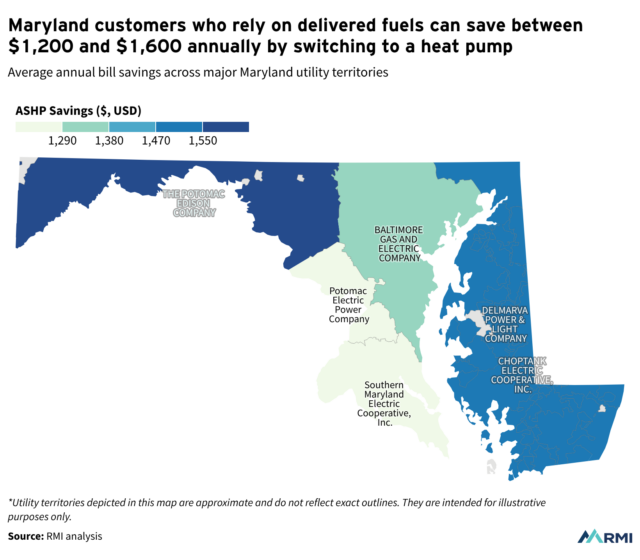
Delivered Fuel Customers in Maryland See Strong Energy Bill Savings in a Switch to Heat Pumps

Gas Utility Depreciation: Recommendations for an Uncertain Future
Help build the clean energy future. Donate today.
Independent research. Real-world solutions. Supported by donors.
RMI can pursue the highest-impact climate and energy solutions because we’re supported by people who believe change is possible. Every gift helps advance the work needed to make clean energy the default choice worldwide.
For other ways to give to RMI, including checks or gifts of stock, please visit Other Ways to Give.
