

Learn how we are working to transform how we use and produce energy.
Malawi Sustainable Investment Study
Why we share this work for free
RMI is an independent nonprofit working to accelerate the clean energy transition. We publish research like this to inform decision-makers and drive real-world impact.
Our work is supported by philanthropy as well as partnerships, including fee-for-service engagements. This support makes it possible for us to share our independent insights for free.
If you find this work valuable, you can support it anytime.
Get more insights like this
Stay up to date with the latest research, analysis, and tools from RMI by opting in to receive occasional emails below. You’ll get new reports, event invitations, and practical insights to help us all accelerate the clean energy transition.
Loading form...
Your download should start automatically. If it doesn’t, click the download button below.
This work is made possible by philanthropy
RMI is a nonprofit supported by donors and partners. Philanthropy enables us to produce independent research and make resources like this freely available.
If you find this report valuable, please consider supporting our work. You can also explore how we partner with organizations to drive impact.
Jump to Section
There is a $3 billion investment opportunity for Malawi to leverage abundant renewable energy resources to save money, while providing reliable electricity for growth and rural electrification.
Currently only 11% of Malawi has access to electricity. With a population of 18 million people, of whom 83% live in rural areas, Malawi had a gross domestic product of $5.4 billion in 2016. This makes it one of the poorest countries in the world.
There is an urgent need for energy sector development to underpin social, economic, and environmental development goals. Energy access remains a major challenge; it has a direct impact on poverty eradication, climate change, health, water, and economic transformation. Malawi has an abundance of resources with which a sustainable energy sector could thrive. Ending energy poverty and ensuring that no country or person is left behind must become a priority for all stakeholders to achieve the 2030 Agenda for Sustainable Development (ASD).
A clear roadmap, shared by key stakeholders, can raise funding from a range of sources and drive rapid change in the power sector.
Malawi can make rapid progress by adopting a clear plan and building on intensive work across the sector in previous years. Getting a few key projects commissioned—including solar photovoltaic plants, such as those in Salima, Nkhotakota, and Kanengo—will create a positive feedback loop, helping to de-risk the sector and attract further funding. Public funding and subsidies will continue to be required for some sectors, while government guarantees and climate finance can leverage funding from commercial sources to reach Malawi’s goals.
This study identifies a few key actions that can unblock the sector and drive rapid development.
Leadership from government, development partners, and investors can drive rapid progress. Improving planning, driving cost reductions, blending finance, de-risking the sector, and strengthening institutional frameworks will unlock further finance, in a self-reinforcing cycle. Following this pathway, Malawi can get on track to achieve national goals and put in place the energy infrastructure for development.
RMI would like to thank both Rita Ruohonen (UN-OHRLLS) and Thokozani Malunga (Department of Energy Affairs) for their contributions to the Malawi Sustainable Investment Study.
To see the outcomes of the validation workshop, visit the UN-OHRLLS event website.
For further reading and an alternative download link for the study, visit the Malawi Department of Energy Affairs website.
Authors

Scarlett Santana
Principal
Becky Xilu Li
Manager
Sakhi Shah
Senior Associate
Edward Borgstein
Kester Wade
Related Insights
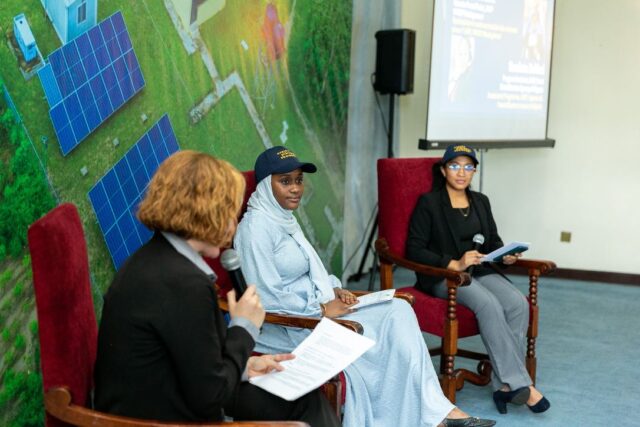
Beyond the Checkbox: Gender action plans that work in Africa’s minigrid sector

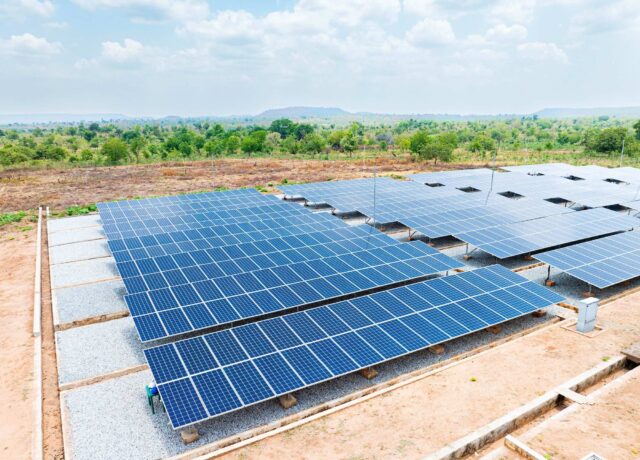
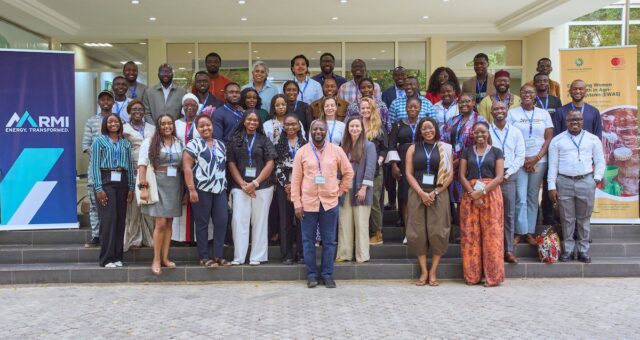
Bringing Clean Energy Opportunities to Women and Youth in Nigerian Agriculture
Help build the clean energy future. Donate today.
Independent research. Real-world solutions. Supported by donors.
RMI can pursue the highest-impact climate and energy solutions because we’re supported by people who believe change is possible. Every gift helps advance the work needed to make clean energy the default choice worldwide.
For other ways to give to RMI, including checks or gifts of stock, please visit Other Ways to Give.
