

Learn how we are working to transform how we use and produce energy.
Growing Risks to the Implementation of Puerto Rico’s Energy Transformation
Why we share this work for free
RMI is an independent nonprofit working to accelerate the clean energy transition. We publish research like this to inform decision-makers and drive real-world impact.
Our work is supported by philanthropy as well as partnerships, including fee-for-service engagements. This support makes it possible for us to share our independent insights for free.
If you find this work valuable, you can support it anytime.
Get more insights like this
Stay up to date with the latest research, analysis, and tools from RMI by opting in to receive occasional emails below. You’ll get new reports, event invitations, and practical insights to help us all accelerate the clean energy transition.
Loading form...
Your download should start automatically. If it doesn’t, click the download button below.
This work is made possible by philanthropy
RMI is a nonprofit supported by donors and partners. Philanthropy enables us to produce independent research and make resources like this freely available.
If you find this report valuable, please consider supporting our work. You can also explore how we partner with organizations to drive impact.
Jump to Section
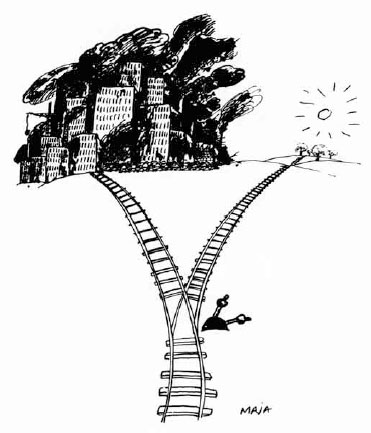
With deep and lingering damage remaining from the 2017 hurricane season and a troubled electricity sector, Puerto Rico today stands at a crossroads.
Puerto Rico’s new energy policy, Act 17 of 2019, establishes a pathway for increased renewable energy adoption to benefit electricity customers and empowers the regulator to oversee this transition. Recent projects expedited by the Puerto Rico Electric Power Authority (PREPA) and the Public-Private Partnership (P3) Authority of the Puerto Rican government have circumvented established regulatory processes and risk undermining the goals established in the new policy.
The expedited projects happening today in Puerto Rico distort this process and weaken trust in the energy transition’s key institutions, including the regulator. In the absence of trusted institutions providing oversight and transparency, energy projects that maximize public benefits to Puerto Rico will remain unlikely and expensive due to perceived investor risks. Concerted and informed pressure from civil society during the ongoing IRP process and other regulatory topics can help ensure that all electricity sector projects comply with an approved IRP and benefit the public.



Related Insights
For Clean Energy Projects, How Community Benefits Are Delivered Matters

Tracking WestTEC: Where 100+ Transmission Projects Stand and What Comes Next
Help build the clean energy future. Donate today.
Independent research. Real-world solutions. Supported by donors.
RMI can pursue the highest-impact climate and energy solutions because we’re supported by people who believe change is possible. Every gift helps advance the work needed to make clean energy the default choice worldwide.
For other ways to give to RMI, including checks or gifts of stock, please visit Other Ways to Give.