

Learn how we are working to transform how we use and produce energy.
Green Stimulus in the Caribbean
Resilient Distributed Energy Resources Can Support Job Creation and Economic Diversification
Why we share this work for free
RMI is an independent nonprofit working to accelerate the clean energy transition. We publish research like this to inform decision-makers and drive real-world impact.
Our work is supported by philanthropy as well as partnerships, including fee-for-service engagements. This support makes it possible for us to share our independent insights for free.
If you find this work valuable, you can support it anytime.
Get more insights like this
Stay up to date with the latest research, analysis, and tools from RMI by opting in to receive occasional emails below. You’ll get new reports, event invitations, and practical insights to help us all accelerate the clean energy transition.
Loading form...
Your download should start automatically. If it doesn’t, click the download button below.
This work is made possible by philanthropy
RMI is a nonprofit supported by donors and partners. Philanthropy enables us to produce independent research and make resources like this freely available.
If you find this report valuable, please consider supporting our work. You can also explore how we partner with organizations to drive impact.
Jump to Section
Distributed energy resources (DERs) bring multiple benefits not only to electricity systems but also to communities and economies. Many islands in the Caribbean are transitioning from electricity systems that are traditionally centralized in nature and powered by fossil fuels to a new paradigm incorporating DERs.
While this transition has been underway for years, stimulus efforts to recover from impacts of the COVID-19 pandemic should aim to accelerate progress in implementing DER solutions and provide other significant benefits.
The main need in the near term to support a successful recovery is jobs. Advancing DER projects such as solar photovoltaics (PV), wind, electric vehicles, and energy efficiency creates immediate and diverse jobs, including project managers, electricians, civil engineers, electrical and mechanical engineers, plumbers, machinists, heavy equipment operators, technicians, metal workers, general construction workers, designers, and salespeople.



Related Insights
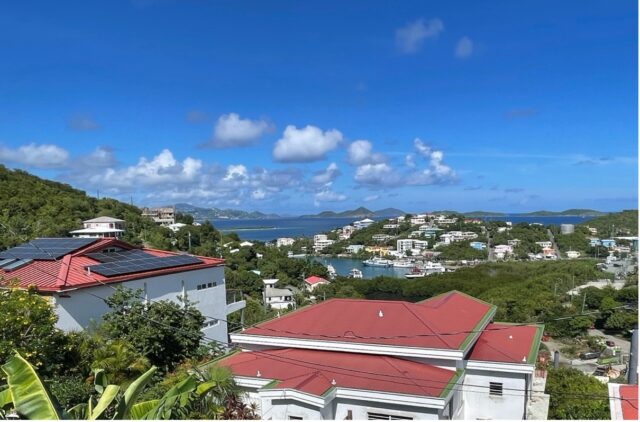
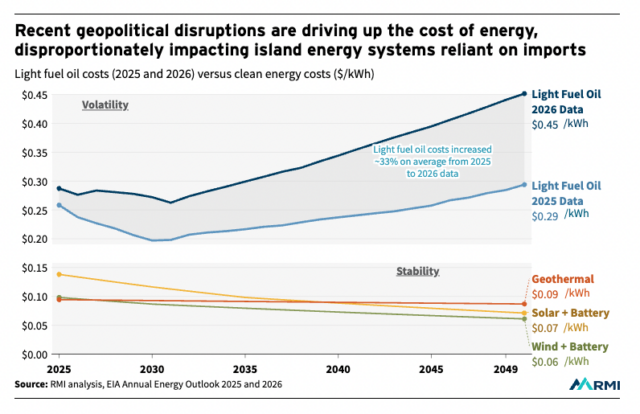
As Islands Grapple with Spiking Fuel Costs, Renewables Offer a More Secure and Affordable Option
Help build the clean energy future. Donate today.
Independent research. Real-world solutions. Supported by donors.
RMI can pursue the highest-impact climate and energy solutions because we’re supported by people who believe change is possible. Every gift helps advance the work needed to make clean energy the default choice worldwide.
For other ways to give to RMI, including checks or gifts of stock, please visit Other Ways to Give.
