

Learn how we are working to transform how we use and produce energy.
The British Virgin Islands Resilient National Energy Transition Strategy
Insight Brief and Full Report
Why we share this work for free
RMI is an independent nonprofit working to accelerate the clean energy transition. We publish research like this to inform decision-makers and drive real-world impact.
Our work is supported by philanthropy as well as partnerships, including fee-for-service engagements. This support makes it possible for us to share our independent insights for free.
If you find this work valuable, you can support it anytime.
Get more insights like this
Stay up to date with the latest research, analysis, and tools from RMI by opting in to receive occasional emails below. You’ll get new reports, event invitations, and practical insights to help us all accelerate the clean energy transition.
Loading form...
Your download should start automatically. If it doesn’t, click the download button below.
This work is made possible by philanthropy
RMI is a nonprofit supported by donors and partners. Philanthropy enables us to produce independent research and make resources like this freely available.
If you find this report valuable, please consider supporting our work. You can also explore how we partner with organizations to drive impact.
Jump to Section
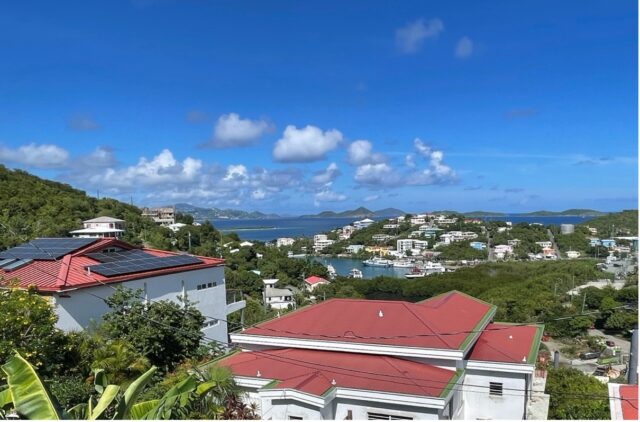
On September 6, 2017, the BVI took a direct hit from Hurricane Irma—a Category 5 hurricane. On September 19, less than two weeks later, the BVI was hit by Hurricane Maria—also a Category 5 storm. The two hurricane events caused widespread destruction across the BVI and tragically led to numerous deaths. While processing their own personal losses due to the storms, local leaders stepped in to guide the BVI through the initial days and weeks, using crucial external support to provide food, water, and shelter to those in need while restoring electricity service where possible.
Leaders in the BVI recognized an opportunity to rebuild in a new and different way. In response, local stakeholders developed the Resilient National Energy Transition Strategy (R-NETS) while demonstrating clear leadership in defining and advancing their own energy transition and providing a blueprint for other communities and countries. The destruction from the storms created the opportunity to accelerate the transition of the electricity system to harness the islands’ resources and reflect residents’ priorities. The BVI saw the value of a whole-systems approach with multiple key stakeholders involved and embarked on the R-NETS process to pursue an integrated approach to energy and resilience planning.
Clicking the download button on this page will provide the full BVI R-NETS report, and an insight brief that gives an overview of the R-NETS and several unique aspects of the process, as well as what it means for the BVI—focusing on key takeaways that can inform similar efforts for integrated energy and resilience planning in other locations.


Related Insights
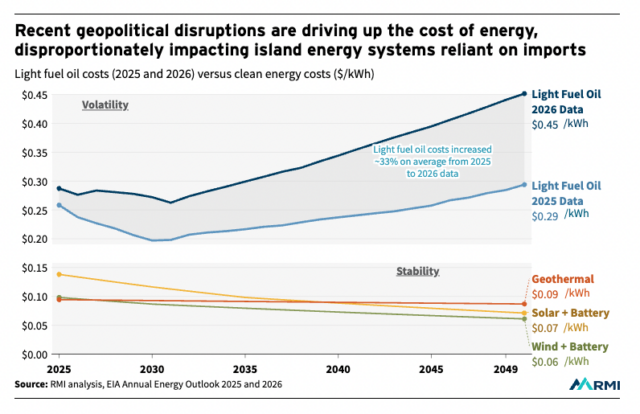
As Islands Grapple with Spiking Fuel Costs, Renewables Offer a More Secure and Affordable Option
Help build the clean energy future. Donate today.
Independent research. Real-world solutions. Supported by donors.
RMI can pursue the highest-impact climate and energy solutions because we’re supported by people who believe change is possible. Every gift helps advance the work needed to make clean energy the default choice worldwide.
For other ways to give to RMI, including checks or gifts of stock, please visit Other Ways to Give.
