

Learn how we are working to transform how we use and produce energy.
A Caribbean Regional Transition Scenario
Strategies for regional and global policymakers and energy leaders to accelerate the just and equitable transition to renewable energy in the Caribbean
Why we share this work for free
RMI is an independent nonprofit working to accelerate the clean energy transition. We publish research like this to inform decision-makers and drive real-world impact.
Our work is supported by philanthropy as well as partnerships, including fee-for-service engagements. This support makes it possible for us to share our independent insights for free.
If you find this work valuable, you can support it anytime.
Get more insights like this
Stay up to date with the latest research, analysis, and tools from RMI by opting in to receive occasional emails below. You’ll get new reports, event invitations, and practical insights to help us all accelerate the clean energy transition.
Loading form...
Your download should start automatically. If it doesn’t, click the download button below.
This work is made possible by philanthropy
RMI is a nonprofit supported by donors and partners. Philanthropy enables us to produce independent research and make resources like this freely available.
If you find this report valuable, please consider supporting our work. You can also explore how we partner with organizations to drive impact.
Jump to Section
In the Caribbean, the energy challenge lies in replacing and upgrading the aging, inefficient, and often unaffordable diesel-based energy models to systems that are evolvable, resilient, and affordable. Although the Caribbean is host to many successful, first-of-their-kind renewable energy projects, the pace and progress of the transition have been slow across the region. Despite some commercial interest, very few clean energy projects are brought to the market for investment.
As we enter the second half of the decisive decade, the pace at which these transitions occur is crucial, ensuring the continuity of essential services and fostering sustainable economic growth. This is particularly critical in a region where sea level rise, intensifying storms, and changing weather patterns are already impacting ecosystems, infrastructure, and livelihoods.
2025 is a pivotal year, offering opportunities to accelerate transition planning. Strong political leadership with support from partners is crucial, particularly as countries revise their Nationally Determined Contributions ahead of COP30. Governments must continue to set ambitious targets and create enabling environments through robust policies and transparent regulatory frameworks.
This report aims to identify strategies for regional and global policymakers and energy leaders to accelerate the just and equitable transition to renewable energy in the Caribbean. It serves as an actionable toolkit for countries to leverage in their transition plans, laying out the opportunities and challenges inherent in the region’s transition. It highlights different transition pathways, drawing on case studies to analyze specific targets, technologies, investments, and milestones. It provides an analysis of the policy and regulatory frameworks, adaptation synergies, investment needs, and monitoring frameworks necessary to move toward an optimal transition pathway.
-
A successful transition ensures that energy is no longer a barrier to opportunity but a gateway to empowerment. It promises equitable access to affordable, clean energy; jobs in emerging industries; and resilience to the climate crises that threaten the region’s very existence. The Caribbean energy transition is the foundation upon which the region can build a future that is resilient, prosperous, and inclusive. Every step forward brings the Caribbean closer to a future where energy empowers, opportunity flourishes, and climate resilience becomes a reality.
David Gumbs
Director, RMI Islands Energy program
David Gumbs
Director, RMI Islands Energy program


Related Insights

Reimagining the Electricity Sector in Island Nations with Virtual Power Plants
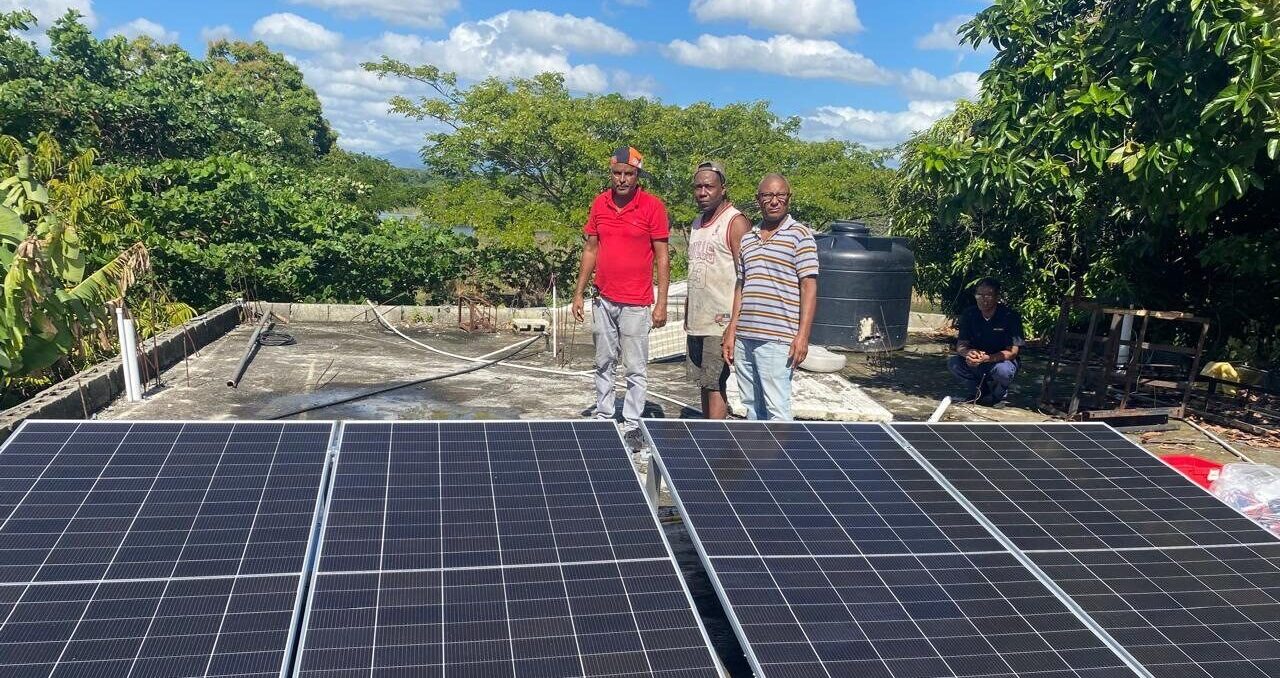

Powering a Unified Caribbean: Charting the Path to 100% Renewable Energy
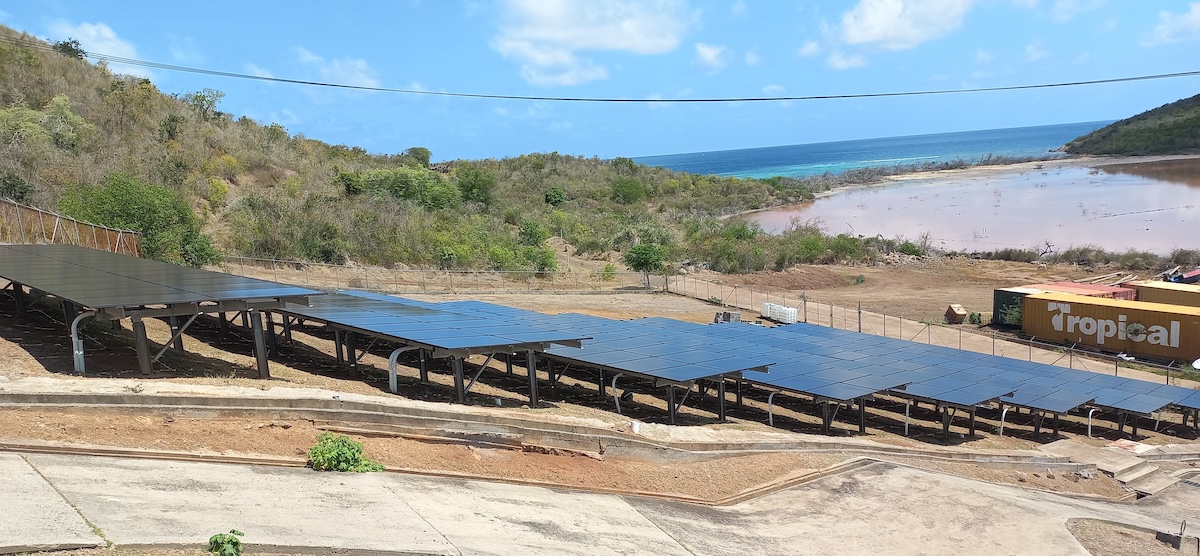
Help build the clean energy future. Donate today.
Independent research. Real-world solutions. Supported by donors.
RMI can pursue the highest-impact climate and energy solutions because we’re supported by people who believe change is possible. Every gift helps advance the work needed to make clean energy the default choice worldwide.
For other ways to give to RMI, including checks or gifts of stock, please visit Other Ways to Give.
