Learn how we are working to transform how we use and produce energy.
Targets of Opportunity for Methane Action at COP31
Public decision support tools guide the way
Why we share this work for free
RMI is an independent nonprofit working to accelerate the clean energy transition. We publish research like this to inform decision-makers and drive real-world impact.
Our work is supported by philanthropy as well as partnerships, including fee-for-service engagements. This support makes it possible for us to share our independent insights for free.
If you find this work valuable, you can support it anytime.
Get more insights like this
Stay up to date with the latest research, analysis, and tools from RMI by opting in to receive occasional emails below. You’ll get new reports, event invitations, and practical insights to help us all accelerate the clean energy transition.
Loading form...
Your download should start automatically. If it doesn’t, click the download button below.
This work is made possible by philanthropy
RMI is a nonprofit supported by donors and partners. Philanthropy enables us to produce independent research and make resources like this freely available.
If you find this report valuable, please consider supporting our work. You can also explore how we partner with organizations to drive impact.
Jump to Section
Targets of opportunity for methane action at COP31
Oil and gas and waste together emit about one-third of human-made methane, and both sectors have proven, low-cost fixes. Public data shows where to act first.
waste methane
be captured
waste
co-host) methane
Where the ready-to-act methane is: 2025 emissions by country (million tons [Mt])
Toggle a sector to isolate it. Countries re-rank by what is shown.
Source: Climate TRACE methane data, supplied by RMI. Gas volumes assume oil and gas is about 80% methane. bcm = billion cubic meters. Bars cover 17 countries; summary cards show global totals.
As a majority of the world’s nations gather in Antalya, Türkiye, for COP31, durable progress hangs in the balance. All eyes are on methane — a powerful climate pollutant that is over 80 times more powerful at heating Earth as CO2. The good news is that there are tools available to accelerate action. But knowing where to target that action is key. The sectors with ready action are waste and oil and gas. RMI supplies public emissions data to Climate TRACE for these sectors, which together account for an estimated one-third of all human-made methane.
Waste
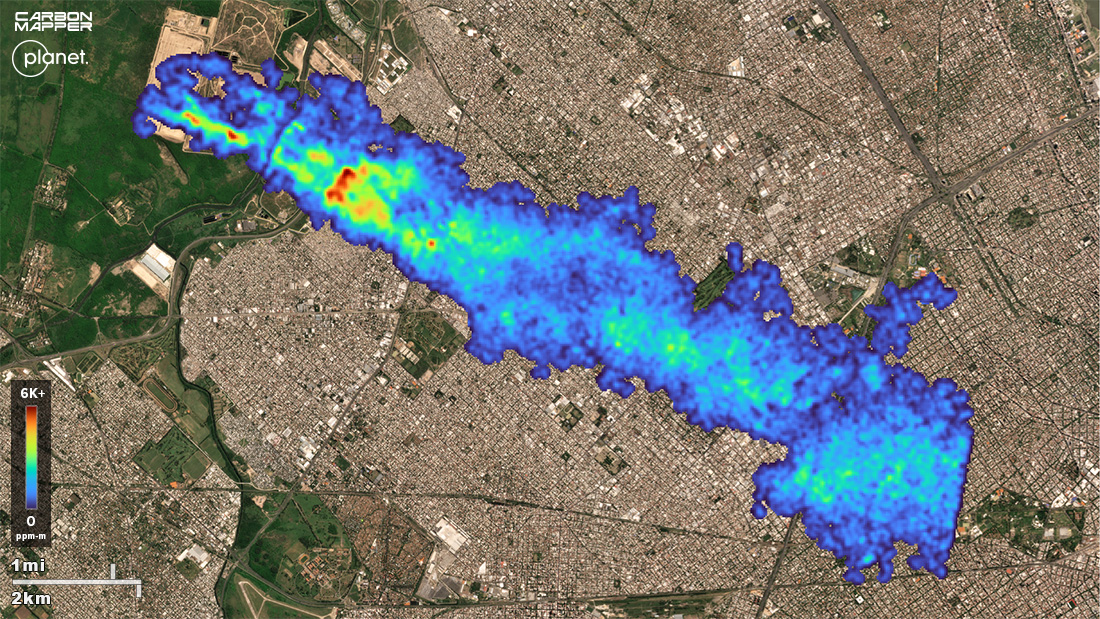
The waste sector is rightly taking center stage at COP31, with the Presidency making zero waste and methane reduction a priority of its Action Agenda and aiming to halve the projected increase in global waste generation by 2035. The attention that methane plumes from Silivri landfill, on the outskirts of Istanbul, have gained shines light on the significant methane emissions from this sector, but raises the question: “What should be done with waste already in place?”
WasteMAP analyzes data posted on Climate TRACE to provide comprehensive global waste-sector emissions data and a robust Decision Support Tool to help city leaders, site operators, and investors prioritize interventions — such as gas collection and utilization and organic waste diversion — and track results. The methane emitted by landfills is also an energy source, so capturing and utilizing the gas from landfills paired with advanced monitoring both reduces greenhouse gas emissions and provides an alternative to fossil-based energy generation.
Oil and gas
The oil and gas sector offers the unique opportunity to slash methane because methane is the main component in natural gas, which is produced along with oil. As such, methane is both a power pollutant and a valuable commodity. Yet the world squanders too much gas, venting and flaring it into the atmosphere instead of keeping it in the pipe. In addition to posting methane and other greenhouse gas emissions on Climate TRACE, RMI’s Oil Climate Index plus Gas (OCI+) compares methane and GHG intensities of oil and gas assets worldwide. This public tool also analyzes and compares global oil and gas assets’ super emissions, provides gas loss rates, calculates lost gas value, compares benchmark crudes, and provides risk maps. OCI+ offers countless use cases for countries, operators, banks, insurers, policymakers, and civil society actors.
Turning commitments into action
Cutting methane emissions under the Global Methane Pledge — which was signed by 160 parties at COP26 — is critical to bolstering energy, economic, and environmental security. COP31 offers an opportunity to turn methane commitments into action. Waste and oil and gas offer the clearest ways forward, and the data and tools to target them are already public. By using Climate TRACE data, WasteMAP, and OCI+ to pinpoint the highest-impact sites, make mitigation plans, and track results, countries, cities, and companies can move from pledges to measurable reductions. With the tools in hand, the task in Antalya is to put them to work.
Thank you to Jake Stanger and Rose Wang for analyzing Climate TRACE oil and gas methane emissions data for ranking countries


Related Insights


Help build the clean energy future. Donate today.
Independent research. Real-world solutions. Supported by donors.
RMI can pursue the highest-impact climate and energy solutions because we’re supported by people who believe change is possible. Every gift helps advance the work needed to make clean energy the default choice worldwide.
And right now, your impact goes twice as far. Thanks to generous donors and our special match, every $1 you give becomes $2, up to $150,000, through December 31, 2026.